

Listen to this article
Estimated 5 minutes
The audio version of this article is generated by AI-based technology. Mispronunciations can occur. We are working with our partners to continually review and improve the results.
I grow a vegetable garden every year, but with the price of groceries climbing over the winter, I have been longing for my own homegrown fresh produce even more than usual. Luckily, spring crops like radishes and arugula are already well on their way. So for my annual list of what to plant, I’m including four warm-weather veggies and one herb, all of which commonly make their way onto my grocery list — plus a few flowers, of course.
The recommendations below include plants I trialled in my garden last summer, along with others I heard about from fellow green thumbs. Keep an eye out for them as you browse the garden centre this season.
A squash that looks otherworldly
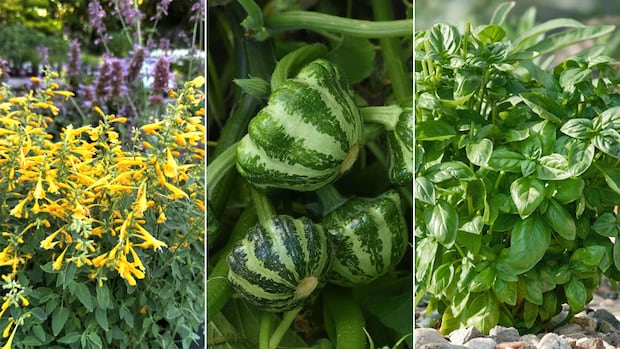
Green Lightning may sound like a comic-book character, but it’s actually a summer squash with an interesting appearance and great flavour. Grow this pattypan variety in full sun and harvest when the fruits are about the size of a ping-pong ball, or wait until it has grown big enough to roast on the barbecue — about the size of your hand — and stuff with fun fillings.
A space-saving pumpkin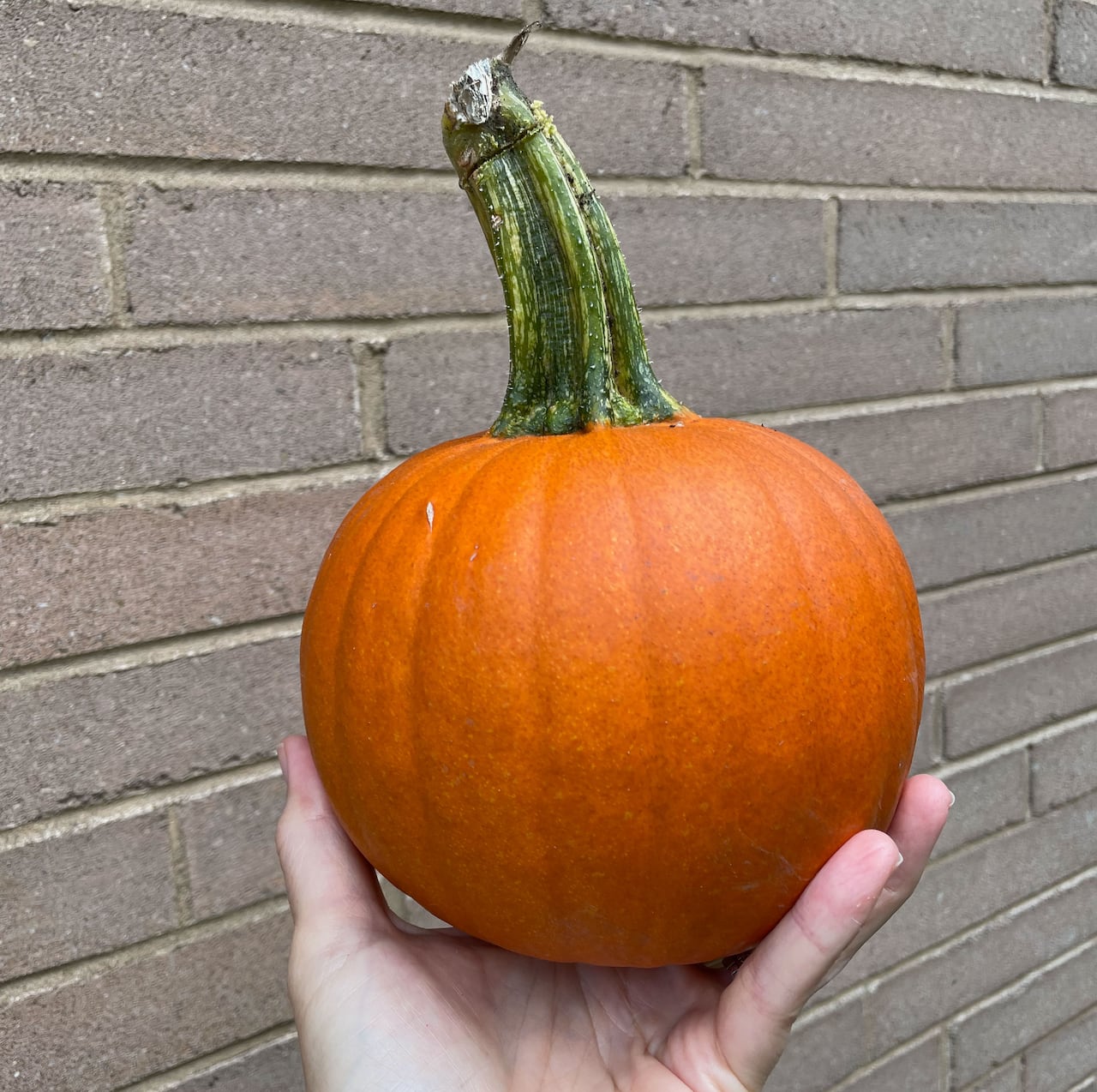 (Tara Nolan)
Over the years, I’ve had to move all of my vegetable gardens to the front yard because there is too much shade in my backyard. That means I don’t have much room for more widespread crops, such as pumpkins. However, I was able to tuck this Patch for Kids variety into a corner of the perennial garden in my front yard. The vines didn’t sprawl too much, and the pumpkins, which grow to be about 2.5–3.5 kg, were a manageable size.
Choose a space that gets at least eight hours of sun, amend the soil by adding organic matter to it and sow the seeds into low mounds after all chance of frost has passed. If you can’t find this specific variety, there are lots of other compact options, such as Small Sugar.
A tiny tomato with big flavour
Candyland Red currant tomatoes deliver a lot of flavour in a tiny package. I grew this indeterminate tomato in a large pot on my back deck. Fortunately, I had a trellis around the plant because it grew to be just under a metre tall. The tomatoes sprouted in clusters of at least a dozen, and they didn’t all ripen at once, so there was a steady supply all season long.
This is a great tomato for a small space, and the fruit is perfect for adding to a salad or eating as a snack. Plant it in full sun and make sure you have something to stake it with.
A mildew-resistant basil
I grow a lot of basil to enjoy throughout the summer, but also to freeze in ice-cube trays or blend into pesto. There is nothing more disappointing than seeing black spots appear on those fragrant leaves. Luckily, seed companies are developing varieties that are resistant to the downy mildew that causes those dreaded spots. Piedmont is a more compact Genovese basil with resistance to downy and powdery mildew, as well as fusarium. Grow it in full sun and harvest regularly to encourage growth.
A petite eggplant
Last year, I grew Fairy Tale eggplant, a gorgeous variety with light purple fruits streaked with white. It yielded a few very pretty little eggplants in my full-sun front-yard raised bed. Once I had harvested them, I made a delicious mutabal from a recipe I found on fellow CBC Life writer Luay Ghafari’s website.
An annual that attracts hummingbirds
In 2025, I was sent a few plants from the Summerlong series of Agastache mexicana, commonly known as Mexican giant hyssop. I had fun adding these annuals as “fillers” in my containers to complement the showy “thrillers.” The magenta, lemon and coral flowers bloomed throughout summer in full sun to part shade, and I would often see bees and hummingbirds feasting from the tubular flowers.
A vibrant marigold
I like to plant a row of marigolds at the front of my raised beds, and Mango Tango is the variety I’m especially looking forward to growing this summer. It passed some rigorous testing to be named a 2025 AAS Winner, which means you’ll start to see it in seed catalogues and garden centres this year. AAS stands for All-America Selections, a non-profit organization that conducts independent trials of new flower and vegetable varieties in North America to help home gardeners identify top-performing plants.
My favourite new-to-me perennial
A highlight of last summer’s garden was a native plant I had never grown before called spotted bee balm. The flowers and bracts on this hardy perennial are so unusual, like something from a Dr. Seuss drawing. They are also pollinator magnets — they attract loads of beneficial insects to my gardens, which is great for pollinating my vegetables.
This variety of bee balm appreciates full sun to partial shade. Leave the plants through the fall and winter to feed the birds, and if there are any seeds left, they’ll self-sow and create new plants in the spring.
Comments are closed.