
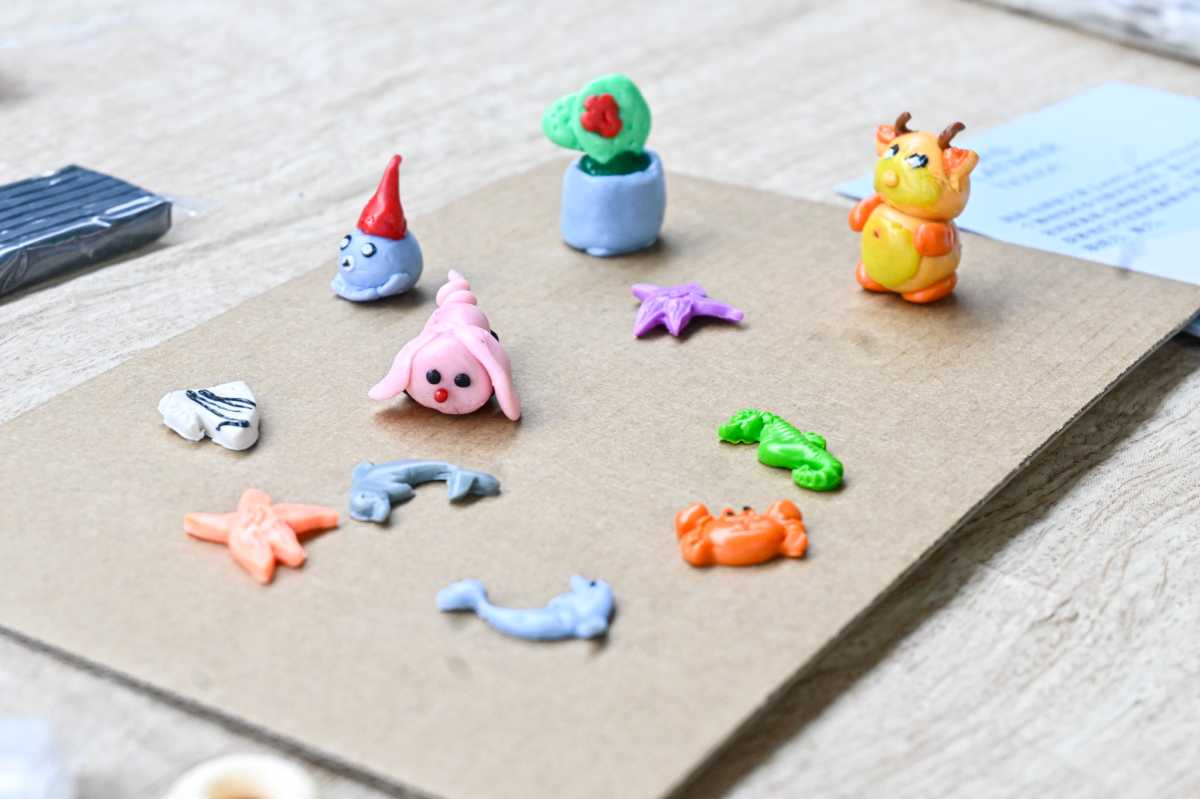
Participants had the opportunity to create clay sculptures during the Soil Sculptures event.
Photo by Alice Moreno
Queens Botanical Garden hosted Crafting with Lewis Latimer House: Soil Sculptures and Meet the Beekeeper on Saturday, April 25, in Flushing. Held on a rainy Saturday afternoon under the Visitor and Administration Building, guests on one table were able to use clay to create little sculptures inspired by insects seen in the soil. On another table, guests were able to meet Beekeeper Helen Colhoun-Wassinger, who sold honey and educated those about bees.
Lewis Latimer House – a museum that celebrates the legacy of inventor Lewis H. Latimer – collaborated with Queens Botanical Garden to host Soil Sculptures. They had a table with clay of all colors, where guests could create sculptures of life that live within soil. They had various
microscopes with different insects, including butterflies, dragonflies and bees, where one could inspect their wings, noticing the fine detail on each insect.
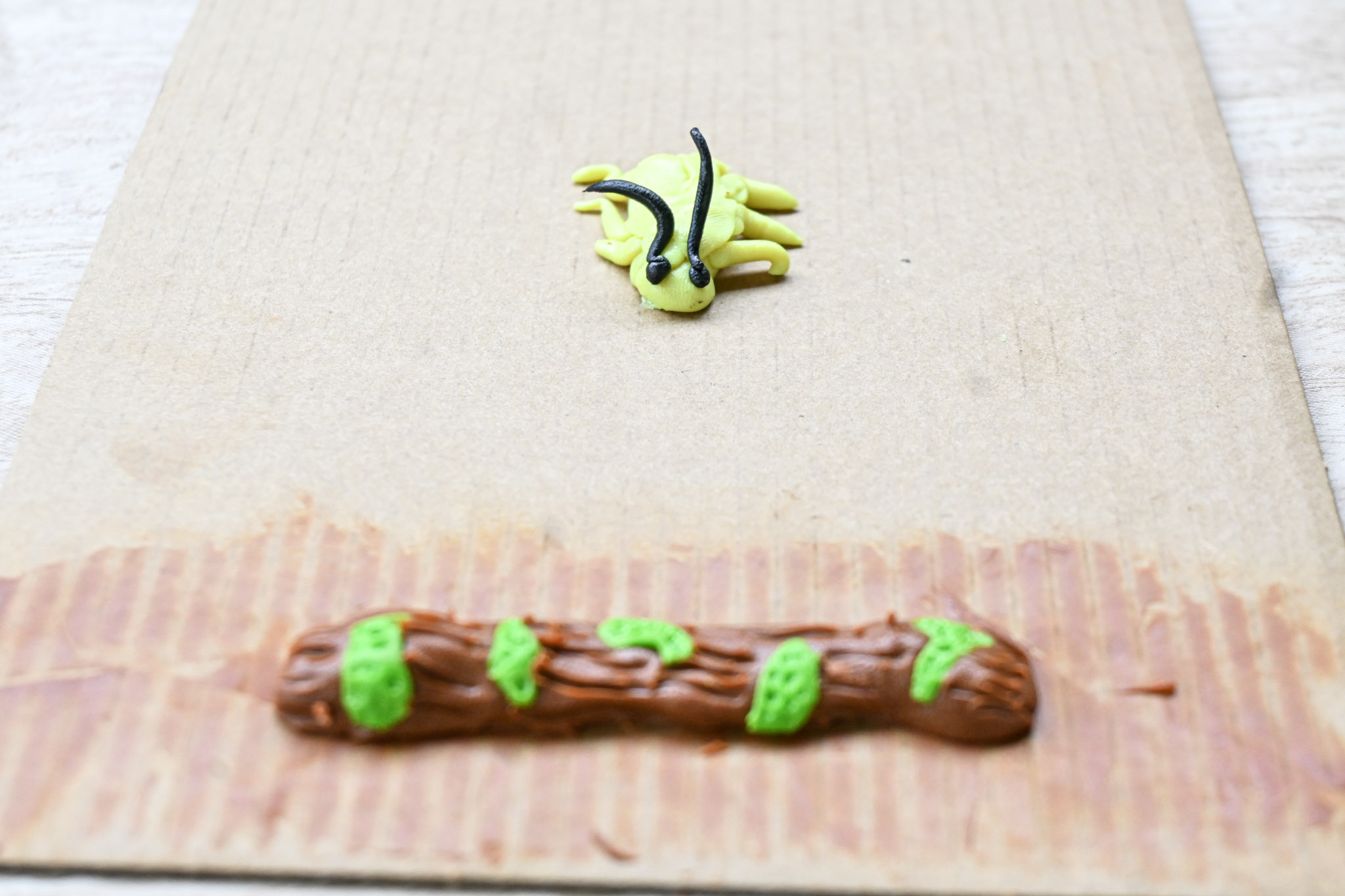 Photo by Alice Moreno
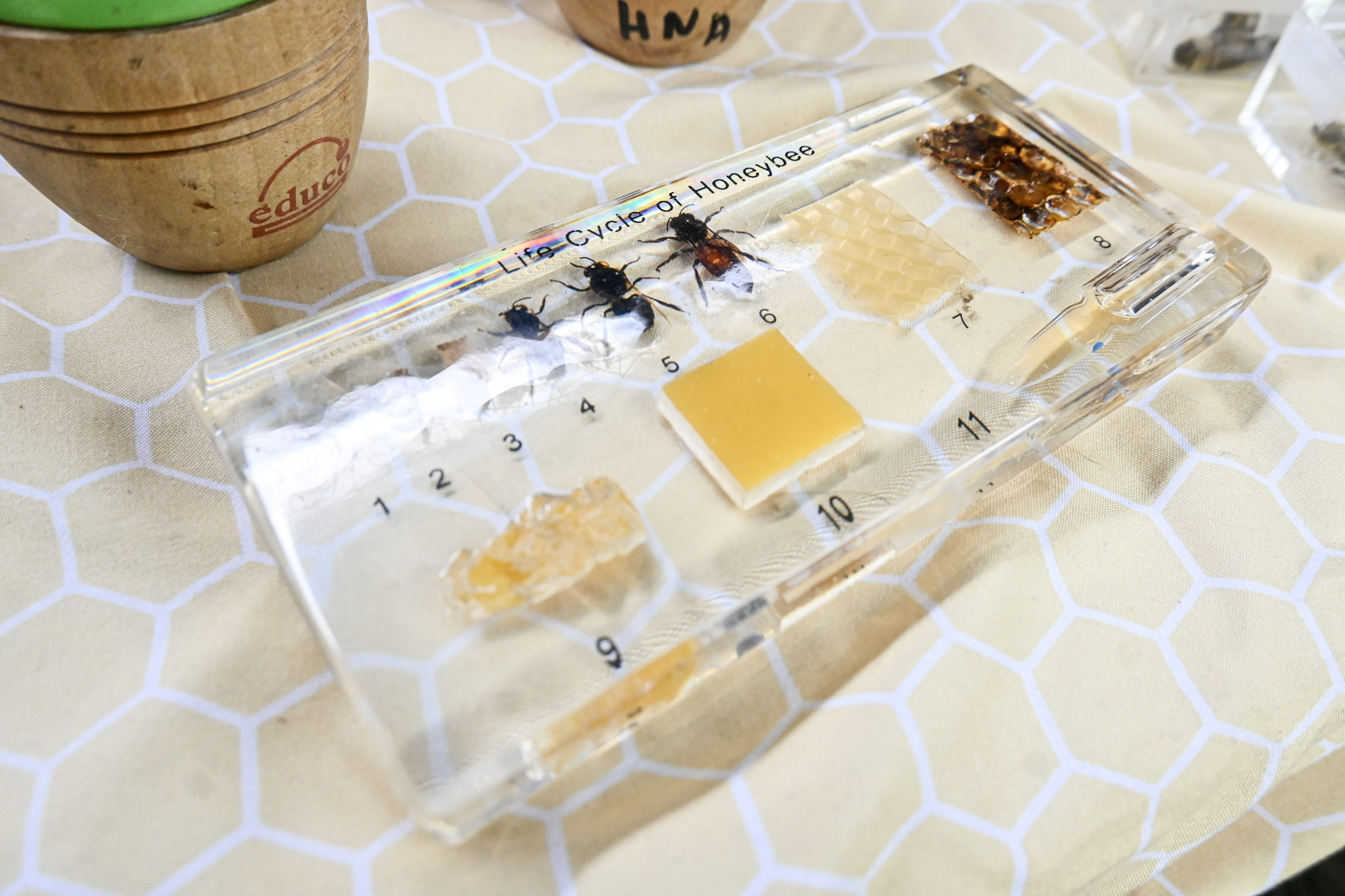 Attendees could inspect different insects via a microscope. Photo by Alice Moreno
“We’re inviting participants to look through microscopes at a couple different types of insect wings,” said Maria Wood, a STEAM Educator at Lewis Latimer House. “And then, to think about how life is surrounded with us, [guests could] create some kind of sculpture that represents that out of clay, using cardboard as a base.”
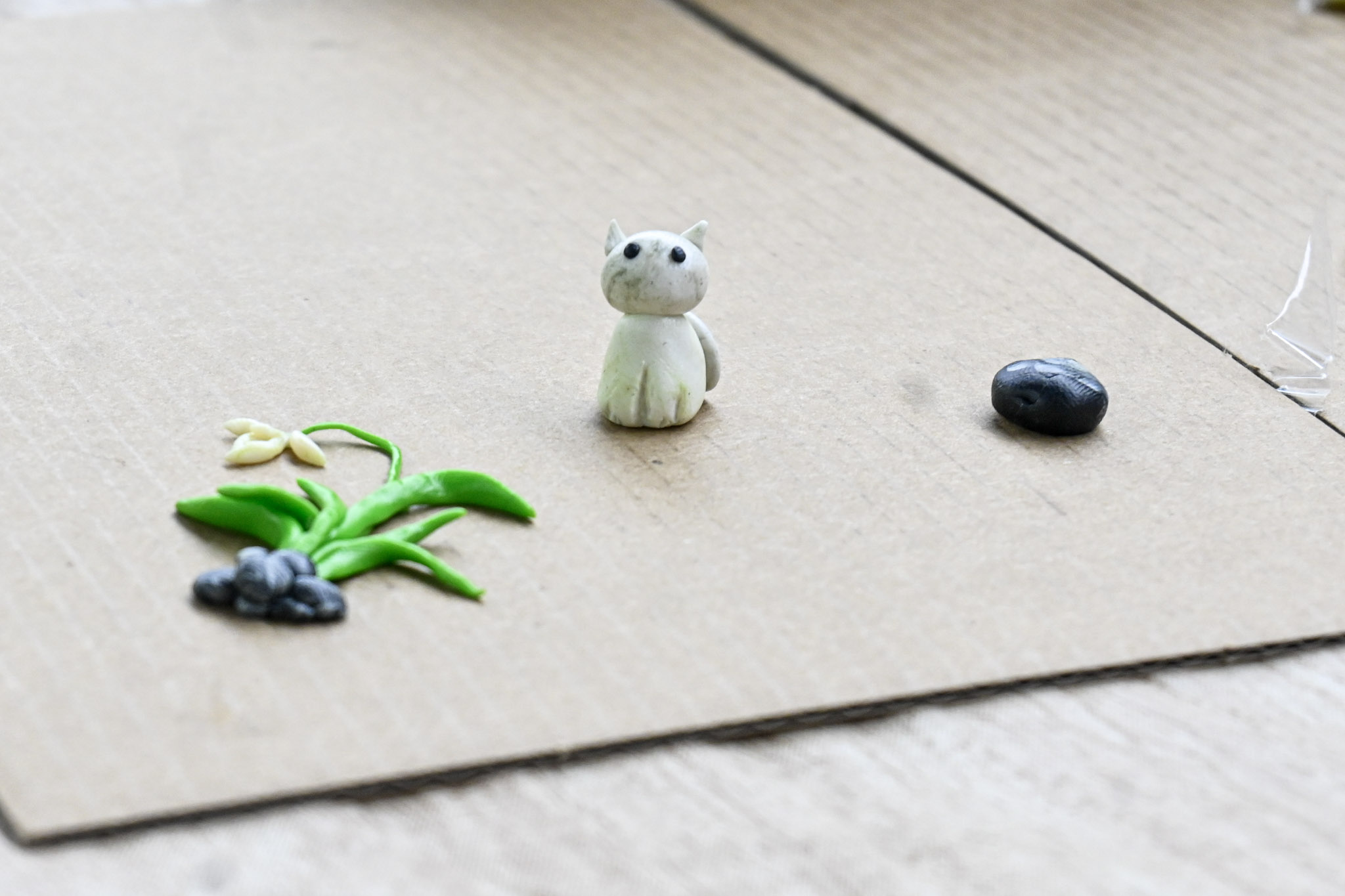 Photo by Alice Moreno
The members of Lewis Latimer House and Queens Botanical Garden provide educational offerings to guests, integrating science and art together. With Earth Day recently occurring on April 22, the educators wanted to showcase how the Earth impacts us as a whole, down to the
dirt and soil.
“I think living in a big city, we oftentimes don’t get the opportunity to reflect and think about soil and insects more than just a pest in our apartment or house,” said Wood. “So trying to get people to think about the bigger cycle. And also, to give people a chance to make some art and work with their hands in a different way they might not do most of the time.”
To the right of the Soil Sculptures table was a Bee-themed table, adorned with bottles of honey, candles made out of honey-extracted wax, bee-related figures and objects and a “Guess the Queen Bee” game, where one could win a bee-themed sticker.
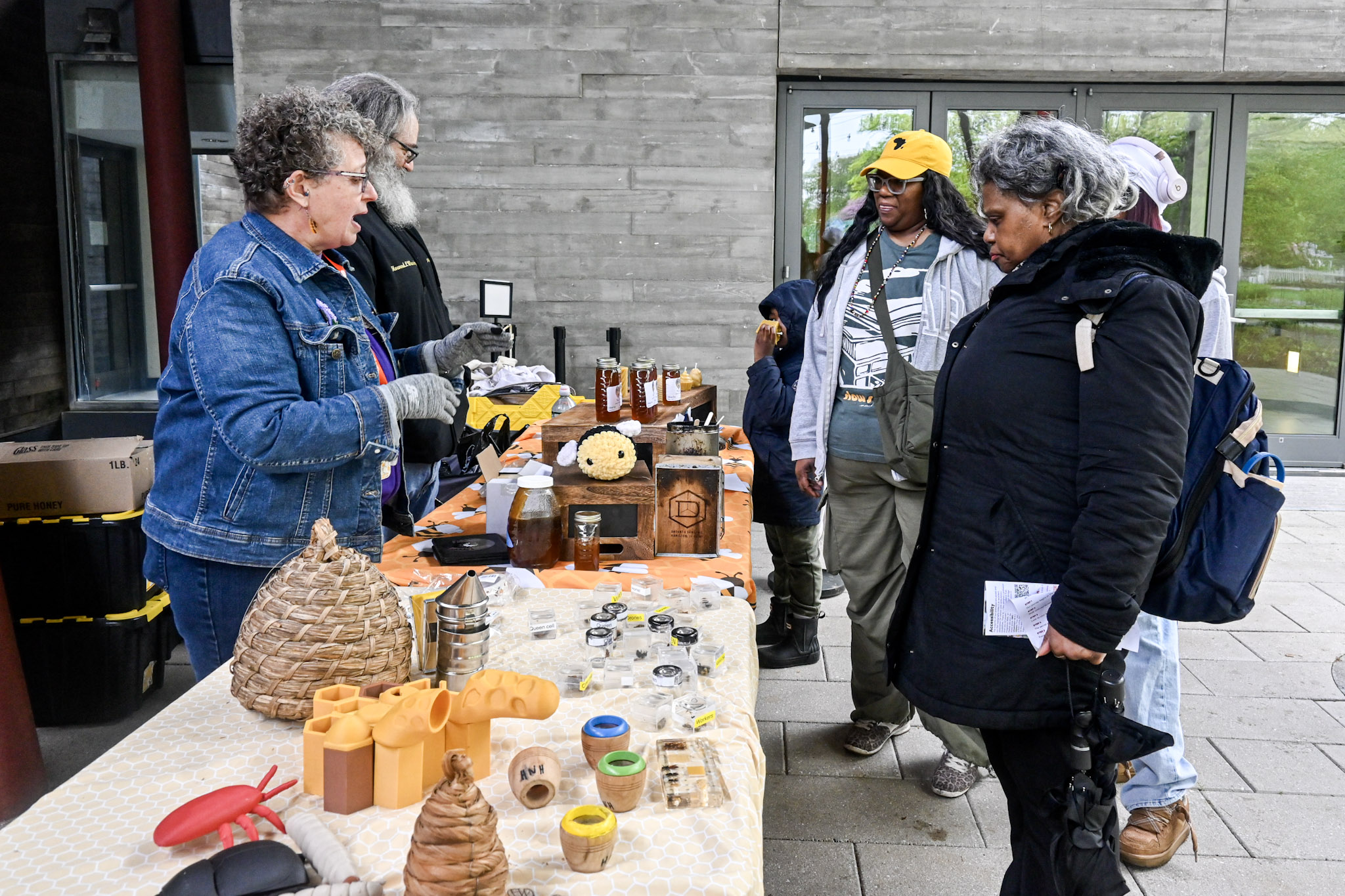 Photo by Alice Moreno
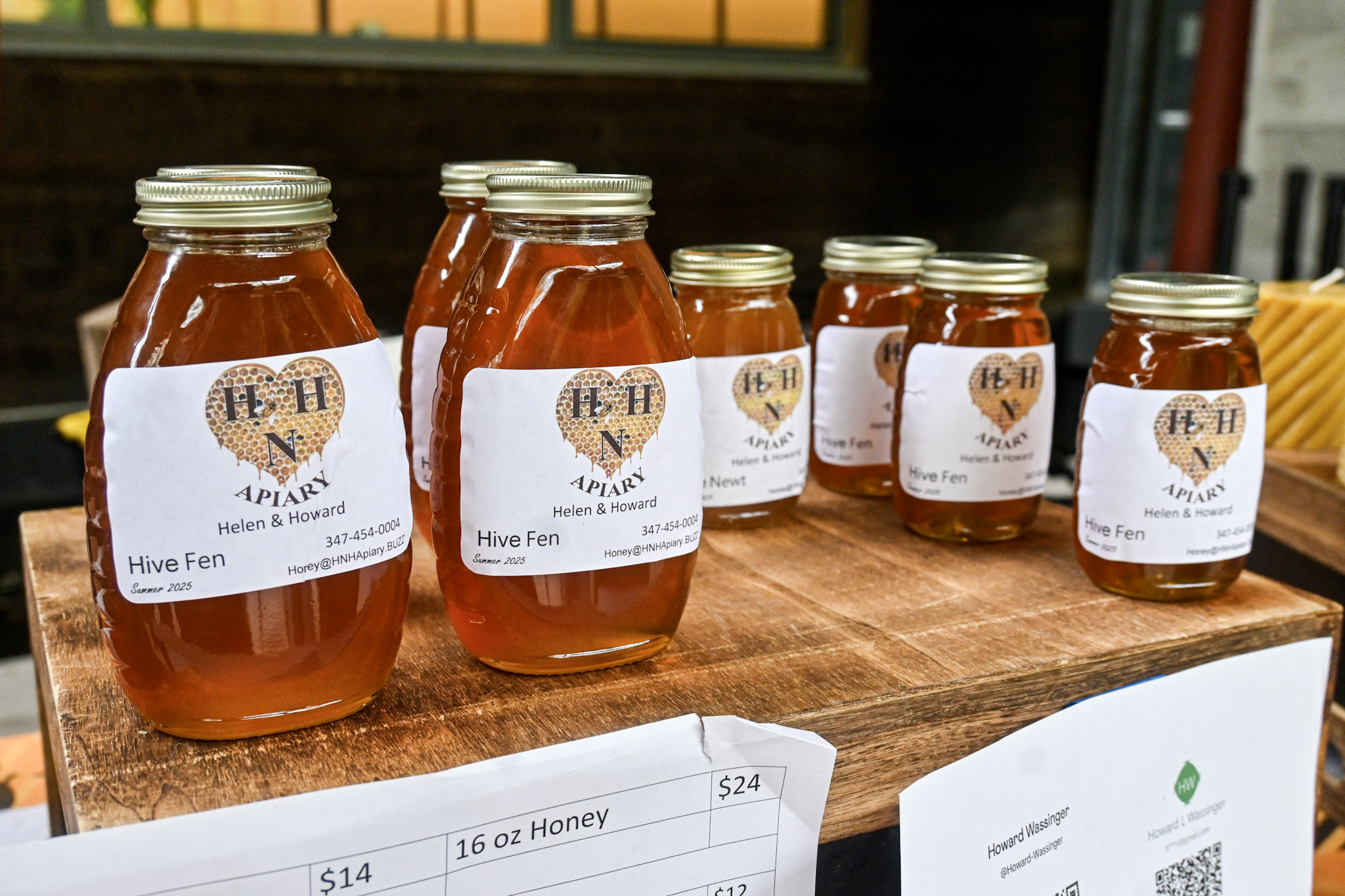 Photo by Alice Moreno
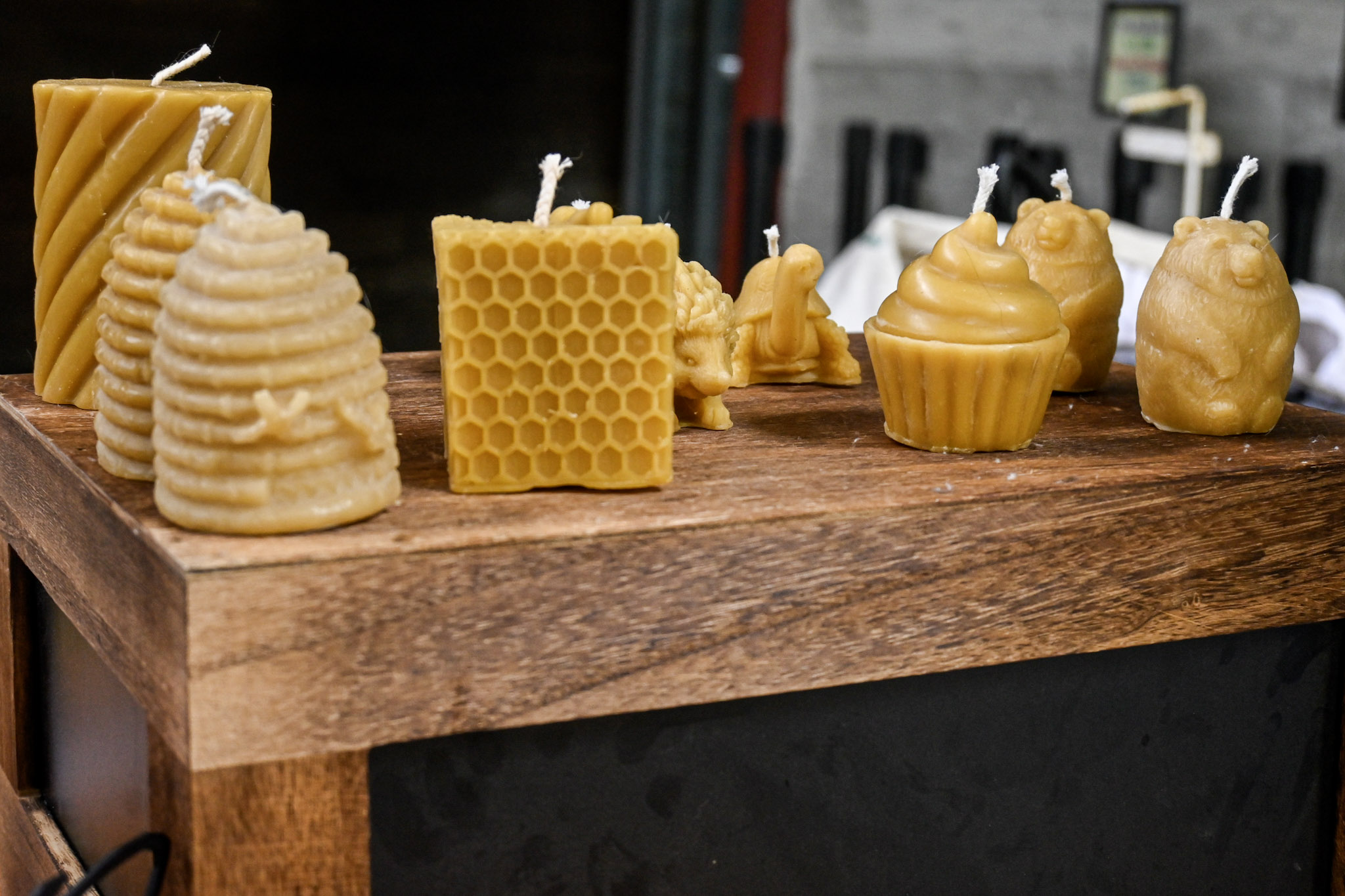 Photo by Alice Moreno
Helen Colhoun-Wassinger – the beekeeper at Queens Botanical Garden, who ran the table with her husband, Howard – is passionate about bees. She began her beekeeping journey with Queens Botanical Garden in 2013, where she learned the ropes by the following year. By 2017, she received her first apiary – a location where bee colonies are kept – and by 2018, she began her own company with her husband, called HnH Apiary.
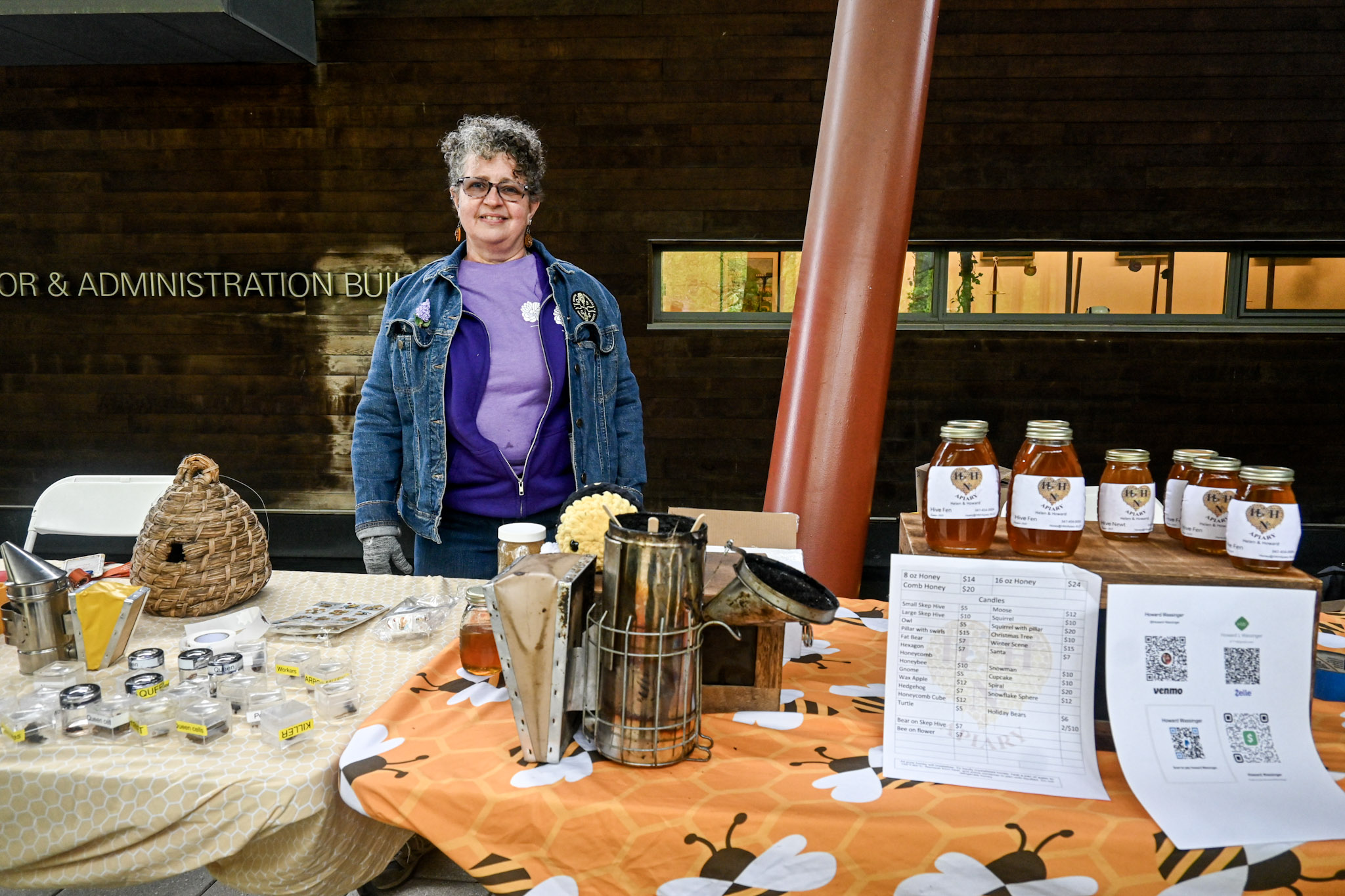 Beekeeper Helen Colhoun-Wassinger. Photo by Alice Moreno
“So what the bees do is they gather nectar from flowers and they bring it back to the hive,” said Colhoun-Wassinger. “And then they’re going to dehydrate it. And when it gets under 17% water, they will put a wax capping on, and then that becomes their winter food.”
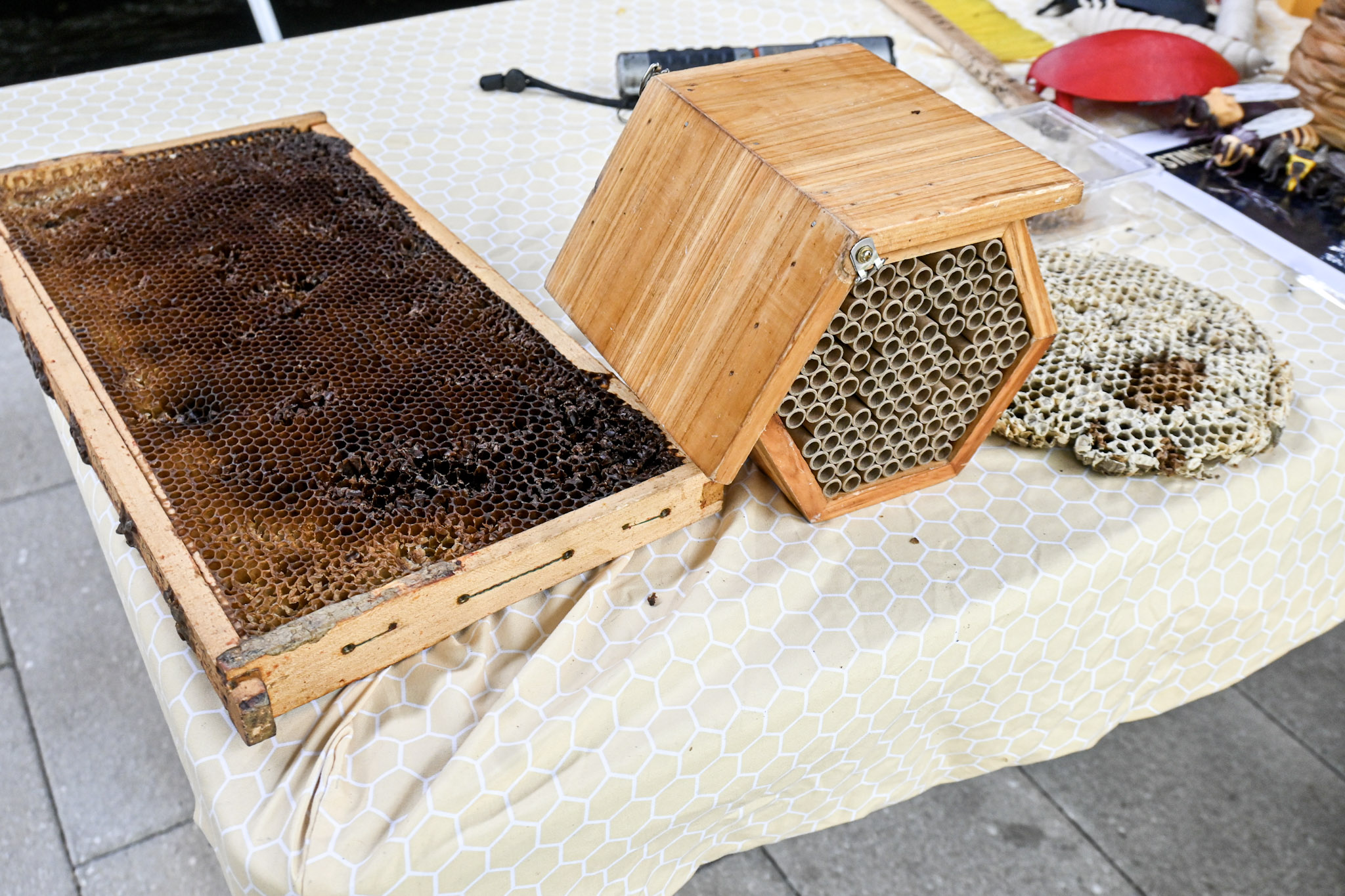 Photo by Alice Moreno
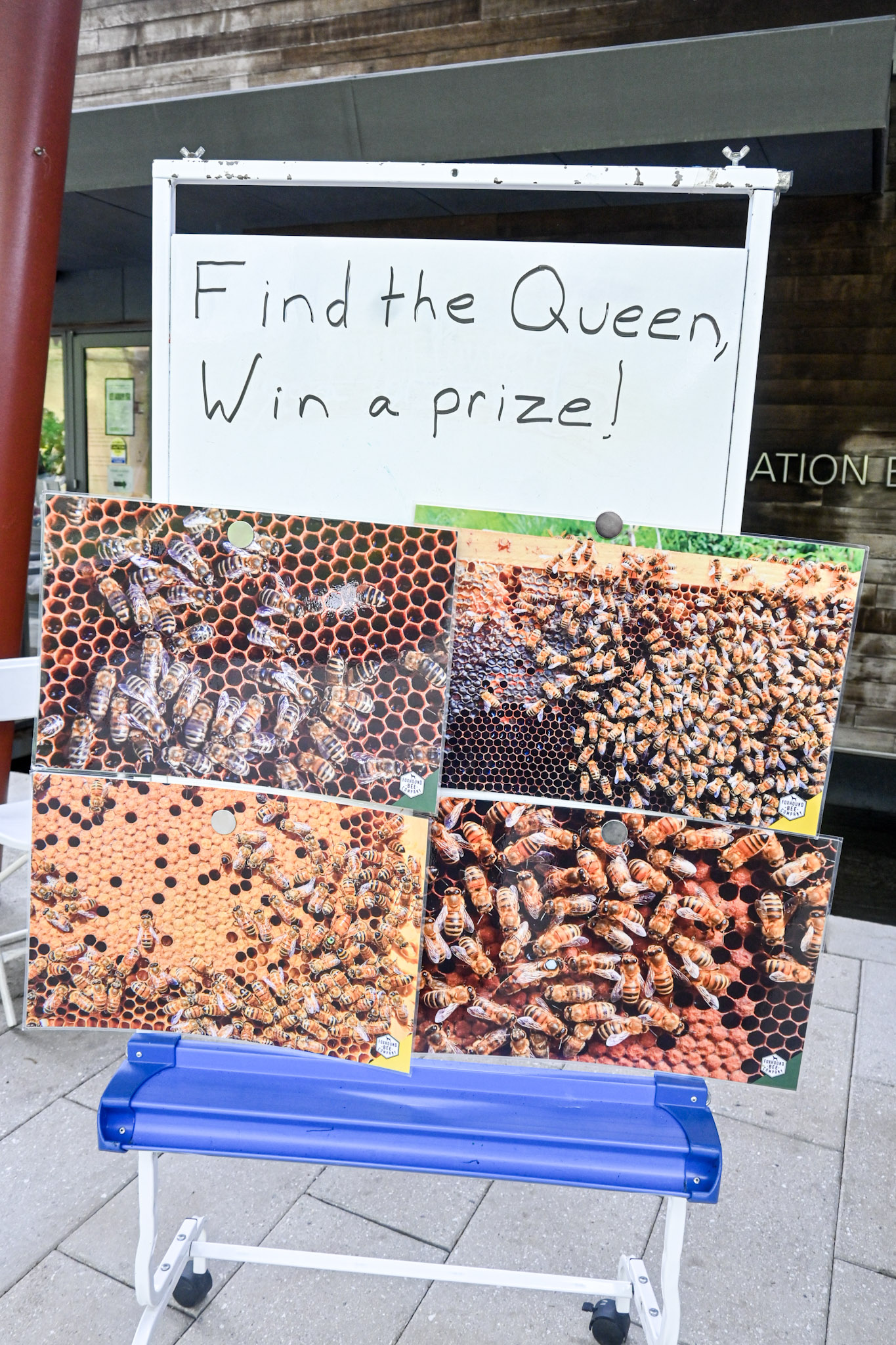 Photo by Alice Moreno
Colhoun-Wassinger hopes that guests learn a few things about bees, especially noting that honeybees are not endangered or native to the New York area. Honeybees are livestock, and Colhoun-Wassinger and her husband are skilled in creating more colonies.
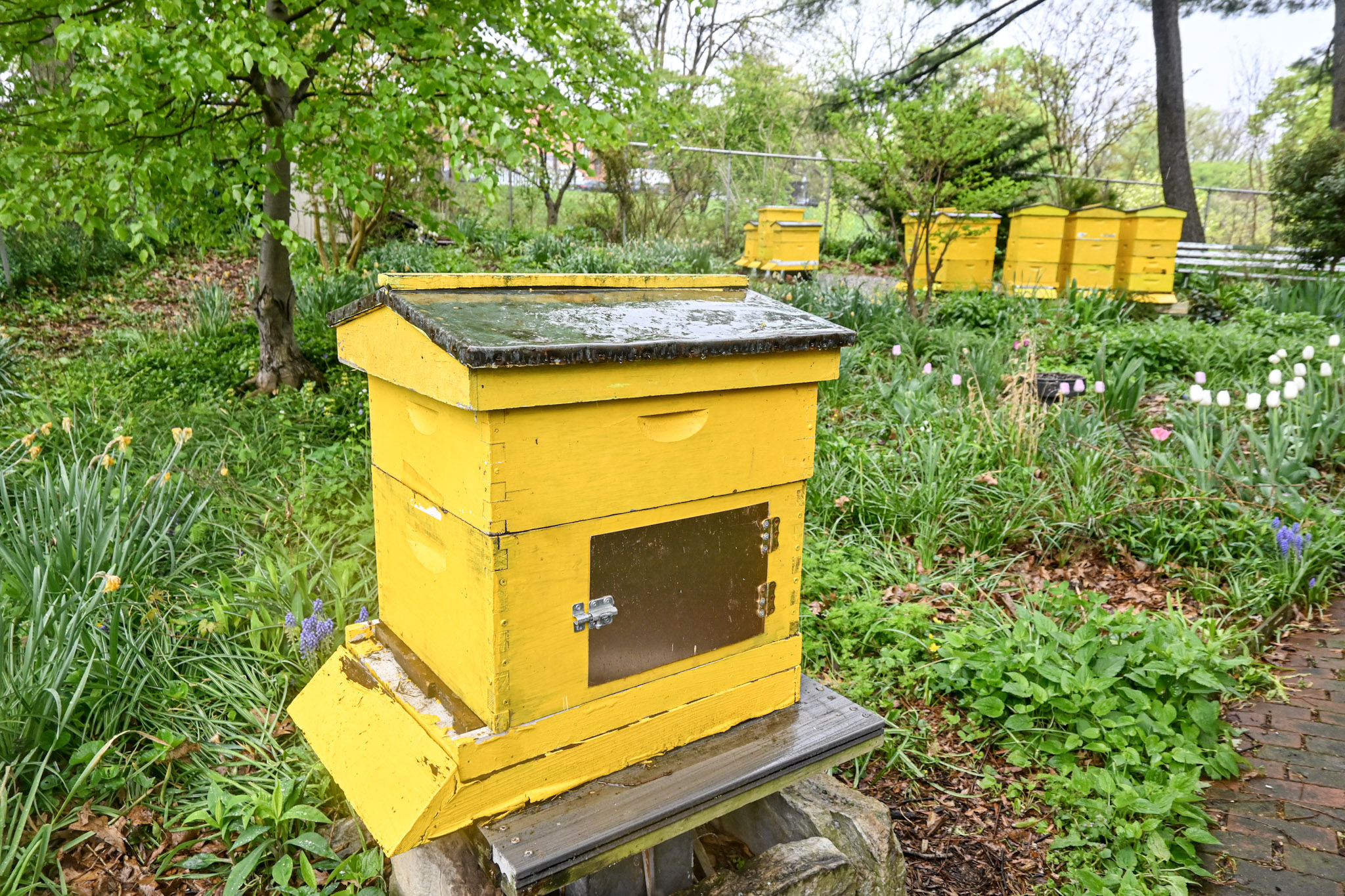 Photo by Alice Moreno
Comments are closed.