

Weeds can apparently give your carefully-cultivated plants a boost and offer welcome relief for your wallet, and you don’t even have to leave your garden to enjoy the benefits
Garden weeds reportedly have a surprising, cost-effective benefit(Image: Getty Images)
A gardener has urged others not to bin their weeds as they offer an unexpected, money-saving advantage. As one of the most hated gardening tasks, it’s tempting to believe that weeding’s sole purpose is to support your cultivated plants and keep your outdoor areas looking pristine.
However, it appears weeds possess a little-known advantage – one that could give your plants a boost and provide some financial respite, too. Even better, you won’t need to venture beyond your garden to capitalise on it.
Richard, who presents Sheffield Made Gardens and Sheffield Made Plants on YouTube, has revealed a technique for creating a DIY fertiliser “better” and more economical than shop-bought alternatives.
Richard explained: “On top of that, in the garden, it’s often better to use something organic rather than relying on synthetic fertilisers wherever you can. But what if I told you that you can make bucket loads of plant food for free?”
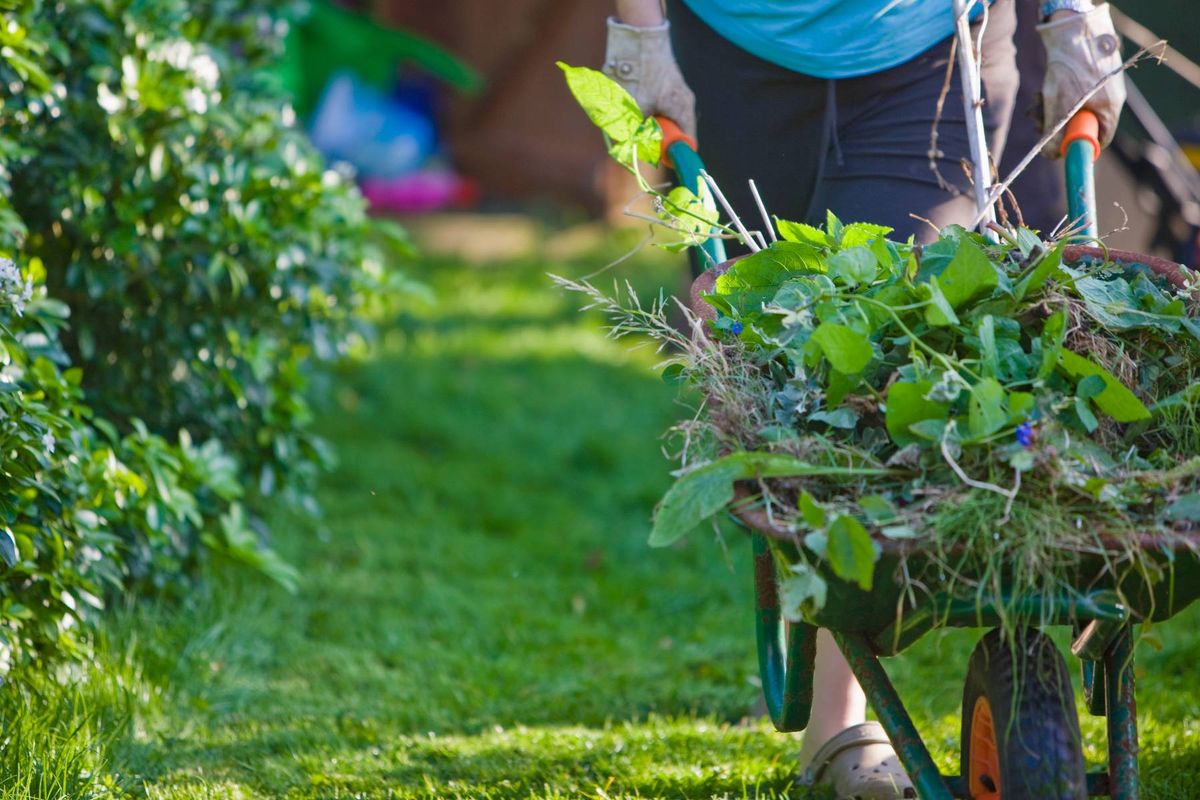
Richard said the vital nutrients in fertilisers are “already” in your garden(Image: Getty Images/fStop)
“You don’t even need to leave your garden. Well, I’m going to show you how you can make a homemade garden fertiliser that costs nothing. It’s incredibly easy to make and one that your plants are going to love.”
Richard highlighted that the essential nutrients contained in fertilisers are “already” present in your garden. In fact, you’re probably dedicating considerable time to getting rid of them.
He continued: “I’m talking about weeds, of course. Weeds are absolutely packed with nutrients, popping up in every nook and cranny of the garden. The trick isn’t getting rid of them. It’s getting those nutrients back out and putting them to work.”
1. Gather your weeds
Amongst the nutrients that weeds draw from the soil are nitrogen, phosphorus, and potassium, to name just a few. Weeds store these nutrients in their leaves, stems and roots, and your plants will “love” them.
Rather than simply discarding your weeds, Richard recommends making “weed tea”, a straightforward liquid fertiliser that “costs next to nothing” and will give a “boost” to your plants throughout the growing season.
His first tip is to forage around your garden for weeds, picking out a variety (particularly nutrient-rich comfrey if you have it). Richard placed the weeds into a bucket, loosely tearing them up and filling it to around two-thirds full.
Richard recommended packing them in well, noting that the more weeds you use, the better.
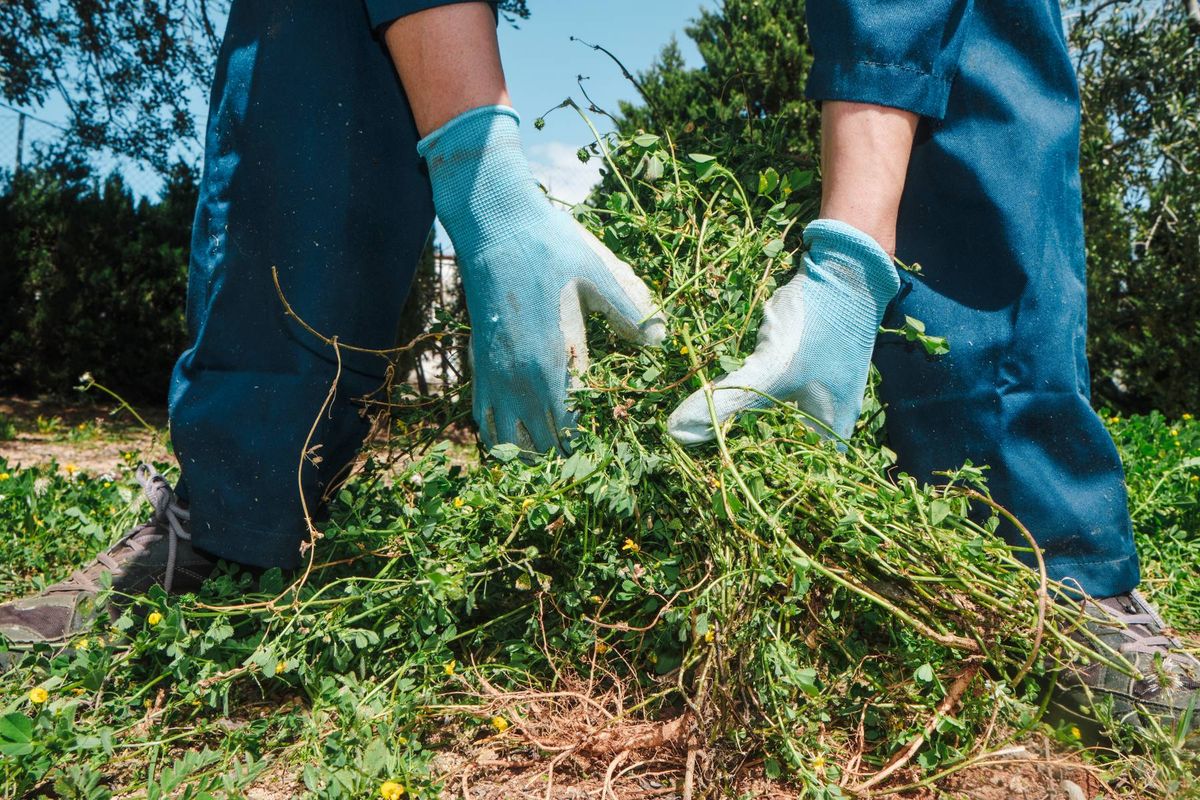
Richard advised making “weed tea”, an easy-to-make liquid fertiliser(Image: Getty Images)
2. Add water
Richard pointed out that rainwater is the ideal choice for this task, though tap water will do the job, too. Fill the bucket until the water covers the weeds and reaches nearly to the top. Cover the bucket loosely (don’t seal it).
He explained that the fertiliser develops through fermentation. Gas will build up inside, which won’t be able to escape if the lid is fastened too tightly.
3. Leave it in a shady area
Richard then recommended placing the bucket in a shaded spot in the garden and leaving it to ferment for a couple of weeks. He explained the weeds will break down and the nutrients will “leech” into the water.
He also warned that it would “absolutely stink”, but that’s “exactly what you want”. Richard explained that he’d used plant pot saucers to weigh down the weeds to ensure they touched the water in a previous batch.

Richard said the mixture can be used “pretty much anywhere”(Image: Getty Images)
4. Dilute
Richard said the fertiliser would be “potent” once it’s ready for use and suggested diluting the mixture with water. He poured roughly a measuring jug full of fertiliser into his watering can and then filled it up and mixed it.
Finally, Richard pointed out that the mixture can be applied “pretty much anywhere” in your garden. He also highlighted that you can continue topping it up with water and weeds to “keep it going”.
Richard added that he generally applies it every two to four weeks throughout the growing season.
Comments are closed.