
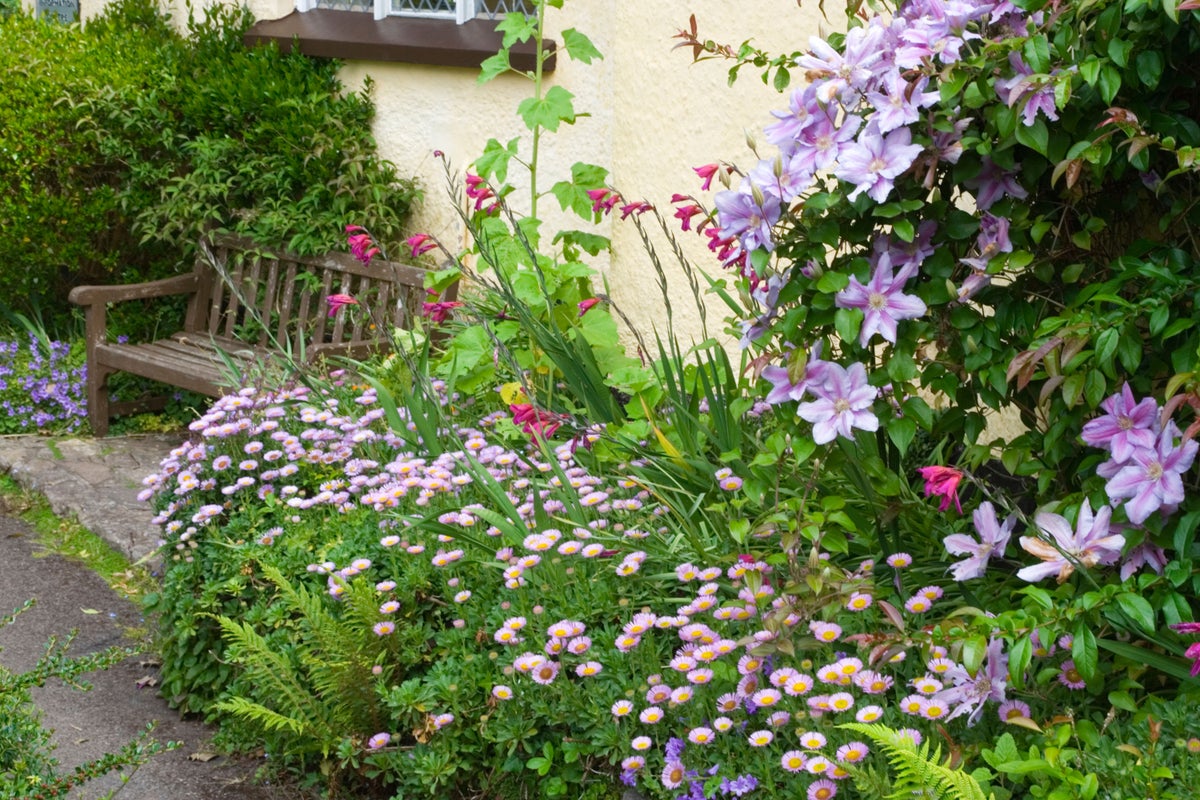
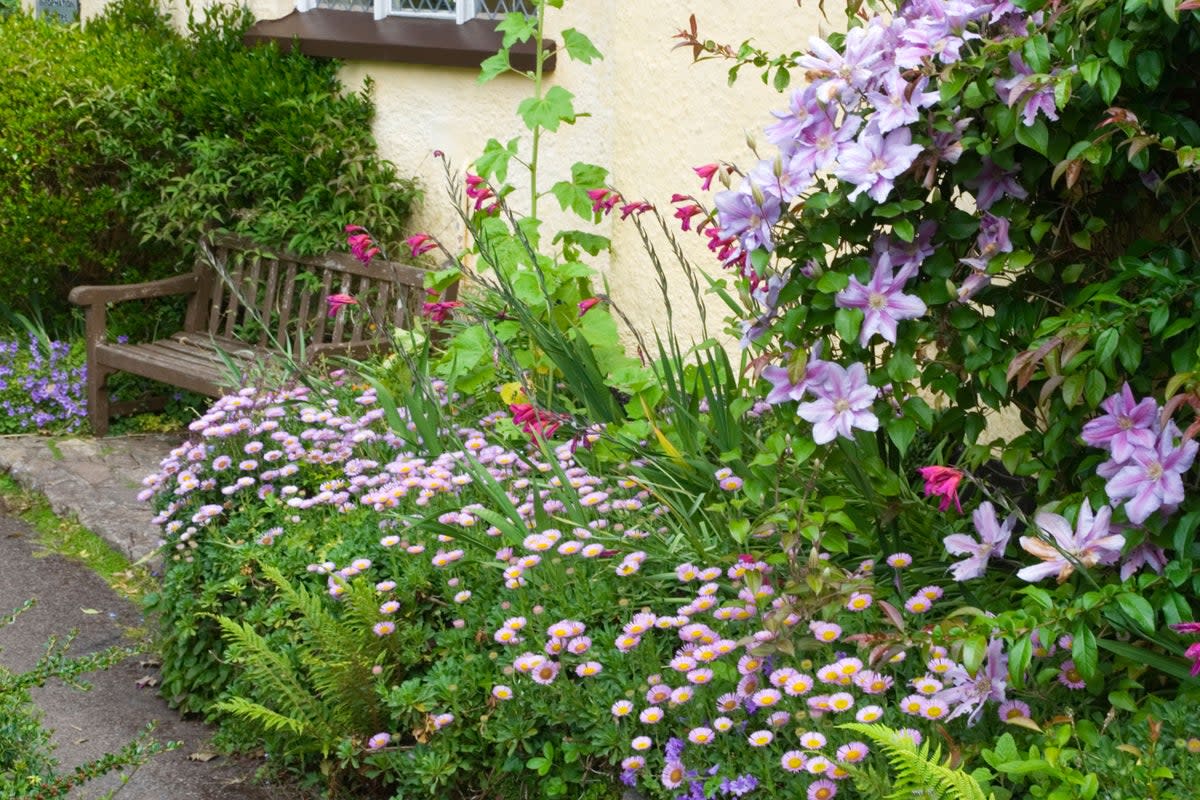
Clematis and other cottage garden plants near a bench (PA)
The quintessential image of a cottage garden often conjures visions of a sprawling rural idyll, perhaps nestled in the Cotswolds, awash with the vibrant hues and heady scents of peonies, roses, lupins, and delphiniums basking in the summer sun. However, this charming aesthetic is far from exclusive to expansive country estates, according to gardening expert Joff Elphick.
Elphick, co-author of the new book A Year In A Cottage Garden, explains that the essence of this style can be distilled into even the most compact of spaces. “When we think of cottage gardens we do often think of small spaces which are quite heavily planted but with a loose hand,” he says.
This approach encourages a natural, almost self-sustaining environment. “From the point of design we almost let the plants get on with it themselves, so things like self-seeders are encouraged and we like to think that where they seed, the spot they’ve chosen to come up, is the place that’s probably best for them.”
For those with limited outdoor areas, the cottage garden vision remains entirely achievable.
“We don’t necessarily expect a lawn but we expect almost a tapestry of plants and maybe a light hand from a design point of view. I like to think it’s grown over the years on its own,” Elphick notes. The appeal lies in this organic growth and perceived ease. “People are attracted to that tapestry of plants and the idea that in some ways the garden is fairly low maintenance. We let the plants get on with it – that’s the attraction.”
Dispelling the myth that an old property is a prerequisite, Elphick insists that “with the use of pots and the right plants, you can do it. When you live in urban houses or apartments you are wanting to bring a little bit of the countryside in.”
To begin, keep landscaping simple. He suggests a gravel path that avoids being “overly engineered,” and for boundaries, wiring them up for climbers. A natural wigwam crafted from hazel sticks or other twiggy stems can add rustic charm to a border.
Soil health is paramount. Elphick advises checking whether your soil is heavy and claggy or dry and light, then enriching it with organic matter. Leaf mould is also a beneficial additive, promoting a balanced soil where plants are more likely to thrive.
When it comes to colour, embrace a relaxed approach. “I like to go for mixes where you haven’t got a beautiful blended colour scheme but you’ve just an absolute mix so it doesn’t look like the designer has been at it.” Early support for plants is also crucial; stake taller varieties promptly to prevent them from flopping and smothering their neighbours.
Elphick offers a selection of cottage garden plants particularly suited for smaller spaces:
Annuals
These play a significant role due to their self-seeding nature. Papaver somniferum (opium poppy) is tall but takes up minimal ground space, offering flowers in pinks and purples followed by attractive seedheads.
Smaller poppies like Papaver rhoeas ‘Mother Of Pearl’ and ‘Amazing Grey’ reach about 18 inches and come in a wonderful range of colours.
Nasturtiums, French marigolds, primulas, petunias, and forget-me-nots are also excellent choices, with the latter tending to establish themselves permanently. Honesty, foxgloves, and Cosmos bipinnatus are highly recommended, with the ‘Sonata’ series offering a more compact option.
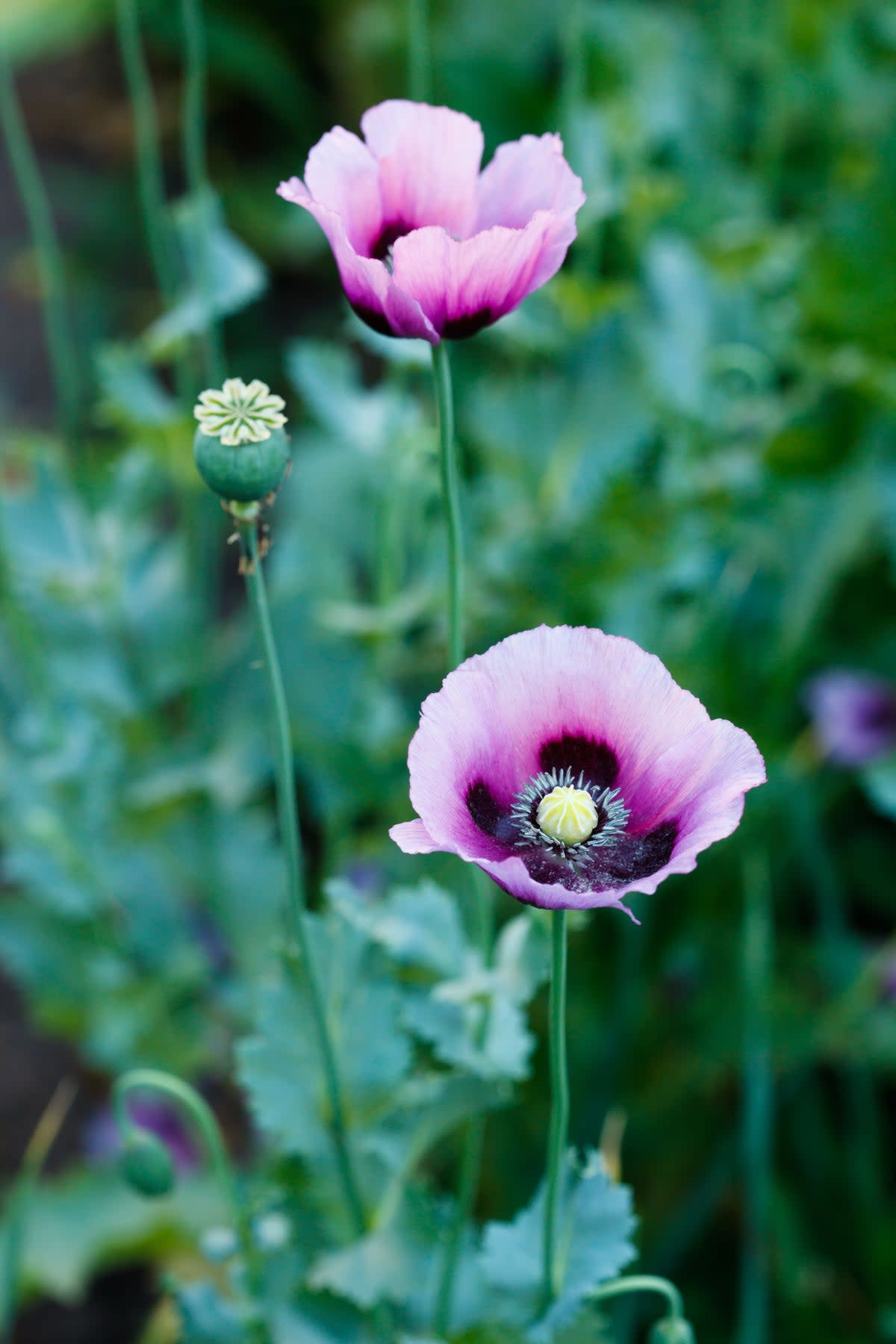
Opium poppy (Alamy/PA)
Perennials:
Careful selection is key for limited areas. The “Hidcote” variety of lavender is recommended for its manageable size and good behaviour. For geraniums, avoid the sprawling “Rozanne” in favour of lower-growing macrorrhizum varieties, known for their scented stems and leaves. Erigeron karvinskianus (Mexican fleabane) has gained popularity for its dainty, long-flowering blooms.
“They are such good performers,” Elphick enthuses, noting they can be cut back by half in late summer for a fresh flush. Catmint (nepeta) requires caution; avoid the huge ‘Six Hills Giant’ and the misleadingly named ‘Walker’s Low’, opting instead for compact varieties like ‘Little Trudy’. Alchemilla mollis (lady’s mantle) is another perennial Elphick wouldn’t be without, easily cut back if it becomes untidy.
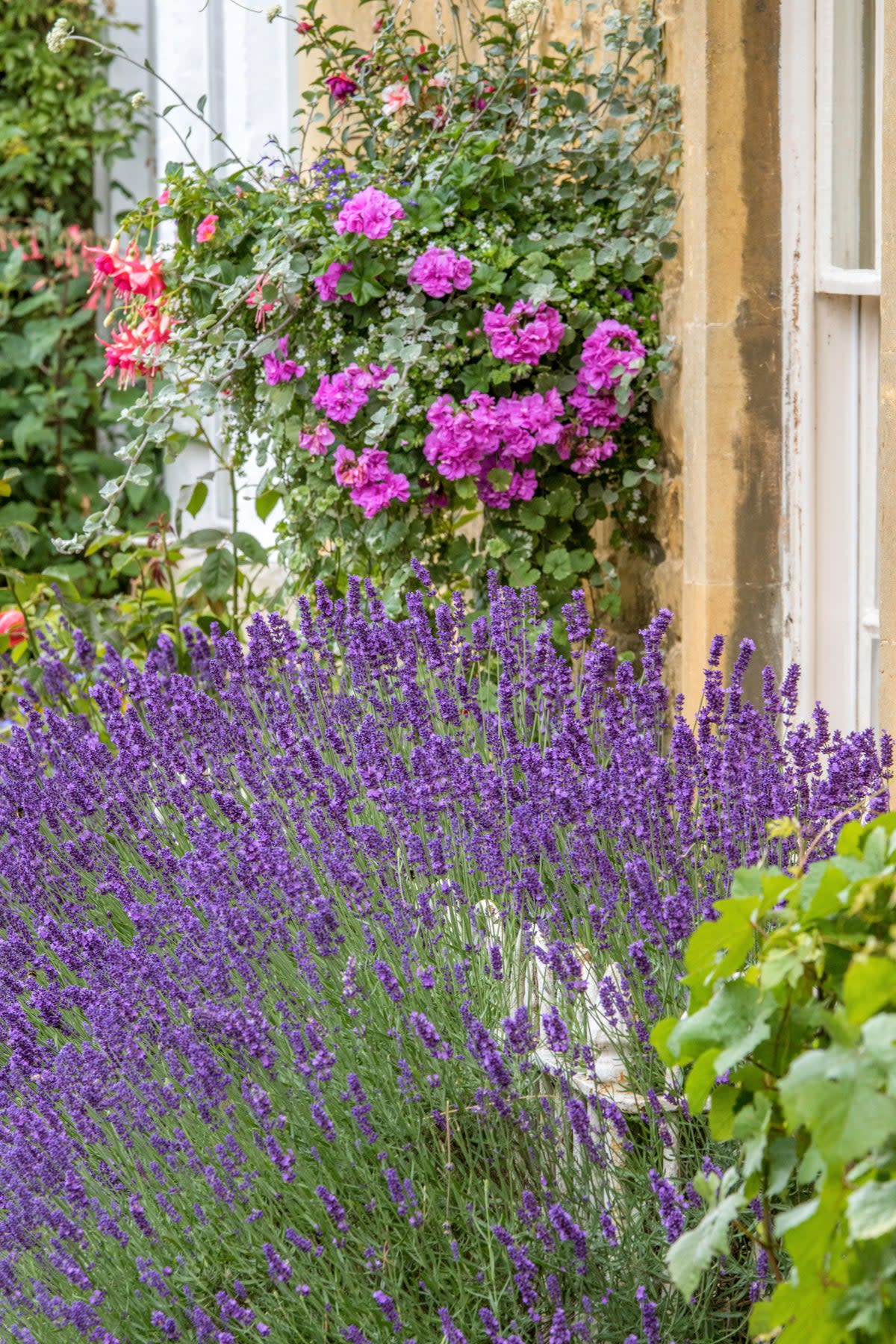
Lavender in a small garden (Alamy/PA)
Flowering Shrubs
For fragrance, Philadelphus (mock orange) ‘Manteau d’Hermine’ is a small variety growing to about a metre with double white flowers. Cotoneaster horizontalis is brilliant for training against a wall, offering tiny white flowers in spring and berries that provide habitat for birds and insects.
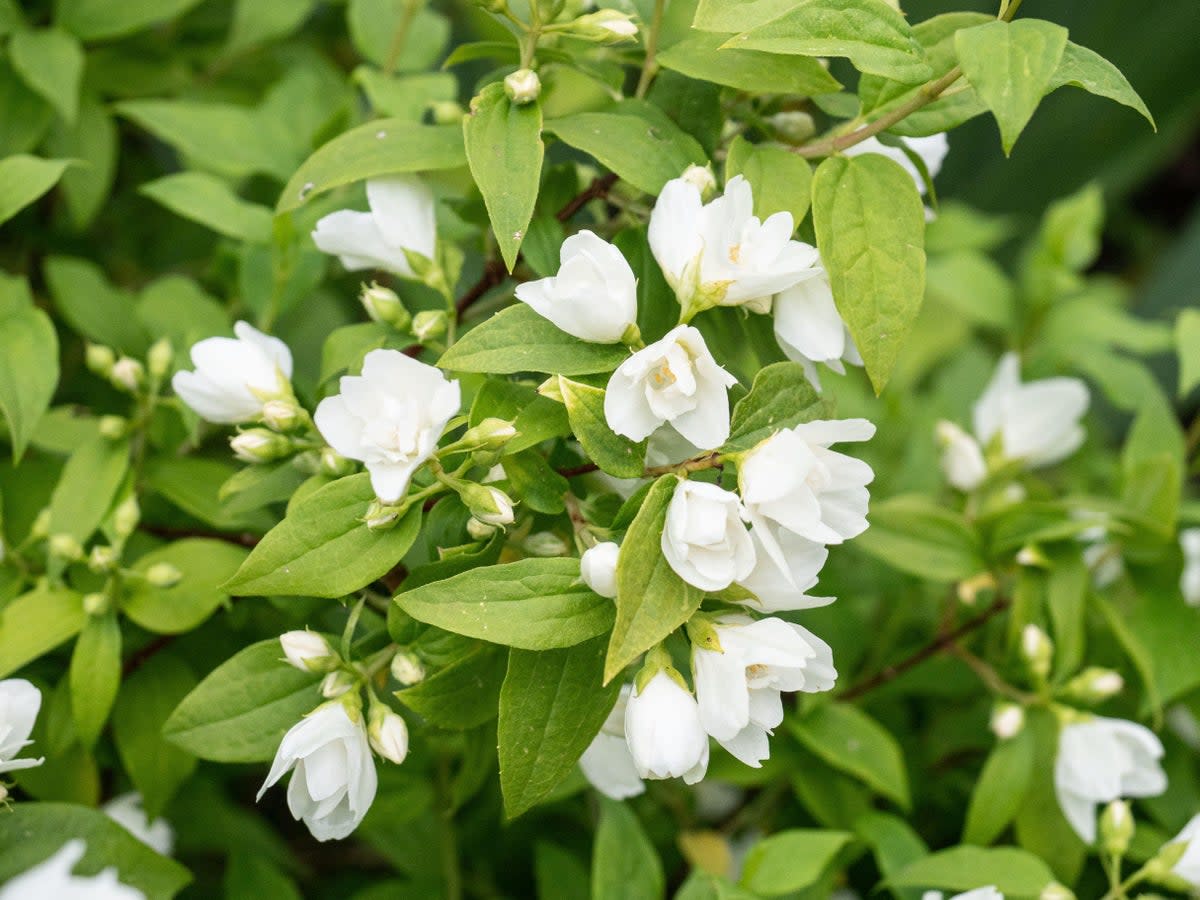
Philadelphus ‘Manteau d’Hermine’ (Alamy/PA)
Classic Favourites
Delphiniums, despite their susceptibility to slugs, are great performers if the issue can be managed. Roses are quintessential; ‘Phyllis Bide’ is a manageable size for training against a wall, and ‘Blush Noisette’ offers pale pink flowers and good disease resistance.
For climbers, Clematis ‘Princess Diana’ boasts stunning tulip-shaped dark pink flowers without becoming too large. The orange-peel clematis (C. tangutica) can be large but is adaptable if managed well, capable of being cut to the ground in winter to regrow like a perennial.
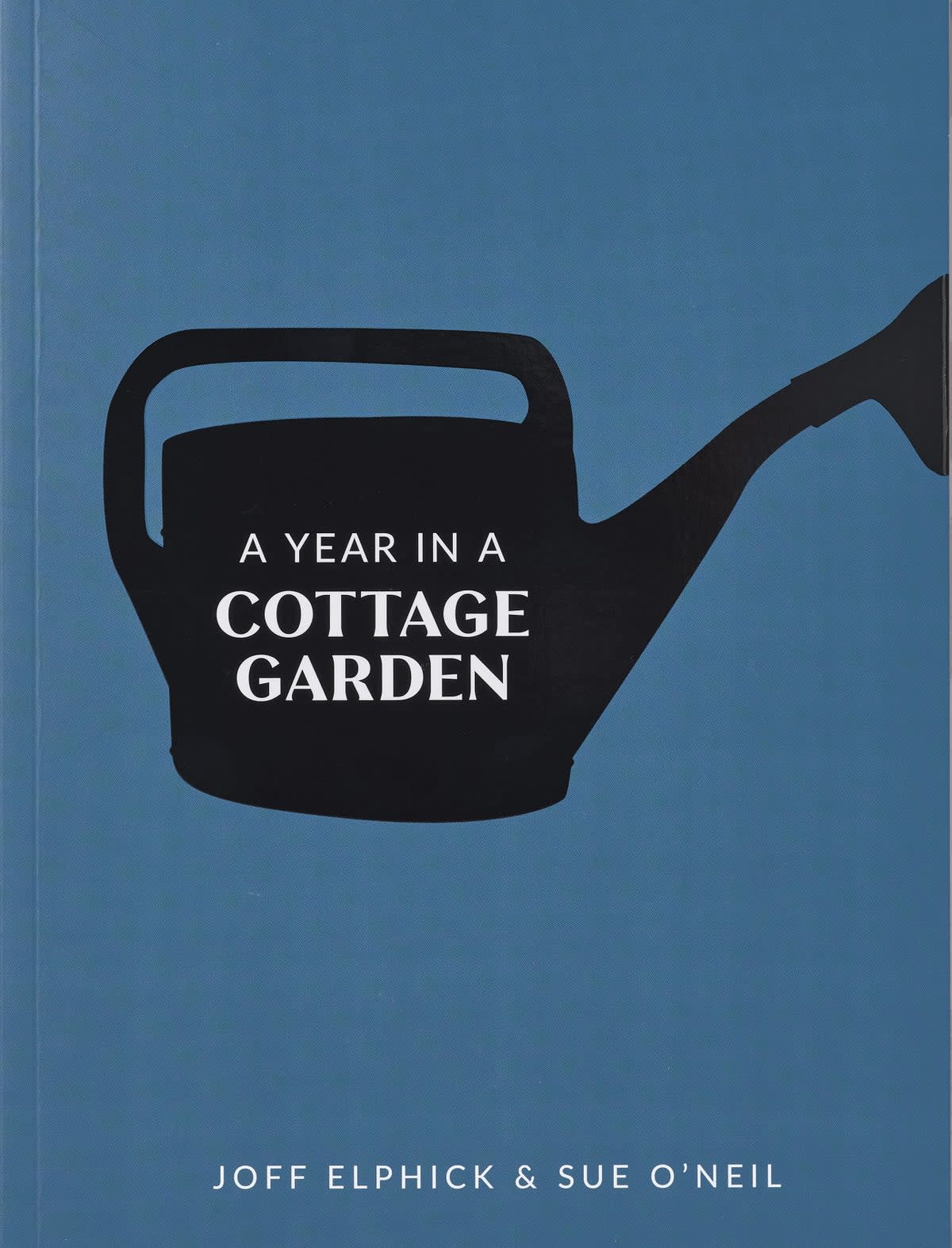
Book jacket of ‘A Year In A Cottage Garden’ by Joff Elphick & Sue O’Neil ((Genus/PA))
A Year In A Cottage Garden by Joff Elphick and Sue O’Neill is published by Genus, priced £19.50. Available now
Comments are closed.