
When you buy through links on our articles, Future and its syndication partners may earn a commission.
Credit: Thomas H. Mitchell/500px/Getty Images
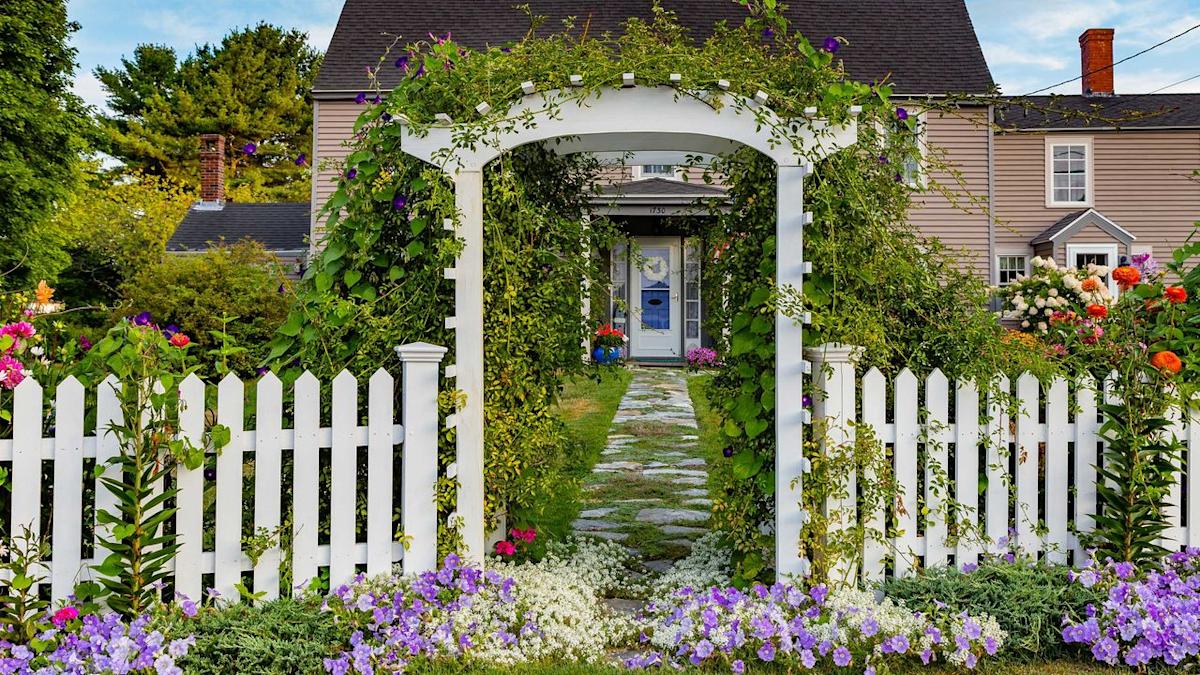
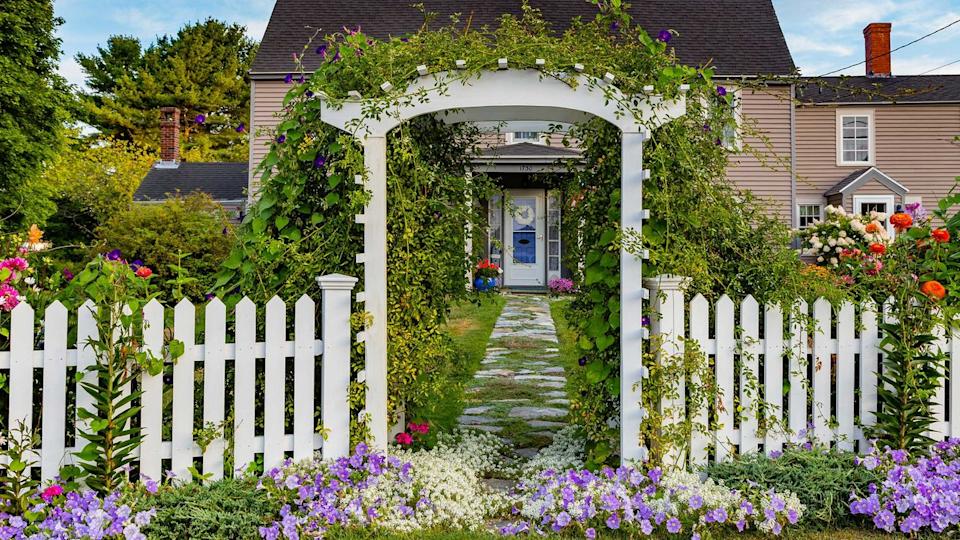
For years, garden fences have followed the same predictable cycle. First, it was bright white, and then came the era of statement color, where fences were painted in everything from powder blue to terracotta in an attempt to inject personality into outdoor spaces.
More recently, jet black took over, promising instant contrast and a kind of architectural edge to an old-school hardscape feature that made even the smallest gardens feel intentional. And now? Well, now we’re moving in a very different direction.
That’s right; in 2026, the most design-forward gardens aren’t trying to make decorative fences stand out at all. Instead, they’re doing the opposite and painting fences green to make boundaries quietly disappear.
Paint Your Fence This Color to Add Value
Yes, green (not the shouty kind, but those softer, more natural tones that blend into the background) is the color of the moment when it comes to fencing. And it’s part of a wider shift towards “green drenching” – a design approach that layers different tones of green to create depth, calm, and cohesion.
When it comes to fences, it’s a surprisingly simple way to make your entire space feel bigger, more immersive, and, yes, more expensive. Quiet luxury at its best, quite honestly.
Credit: Getty Images
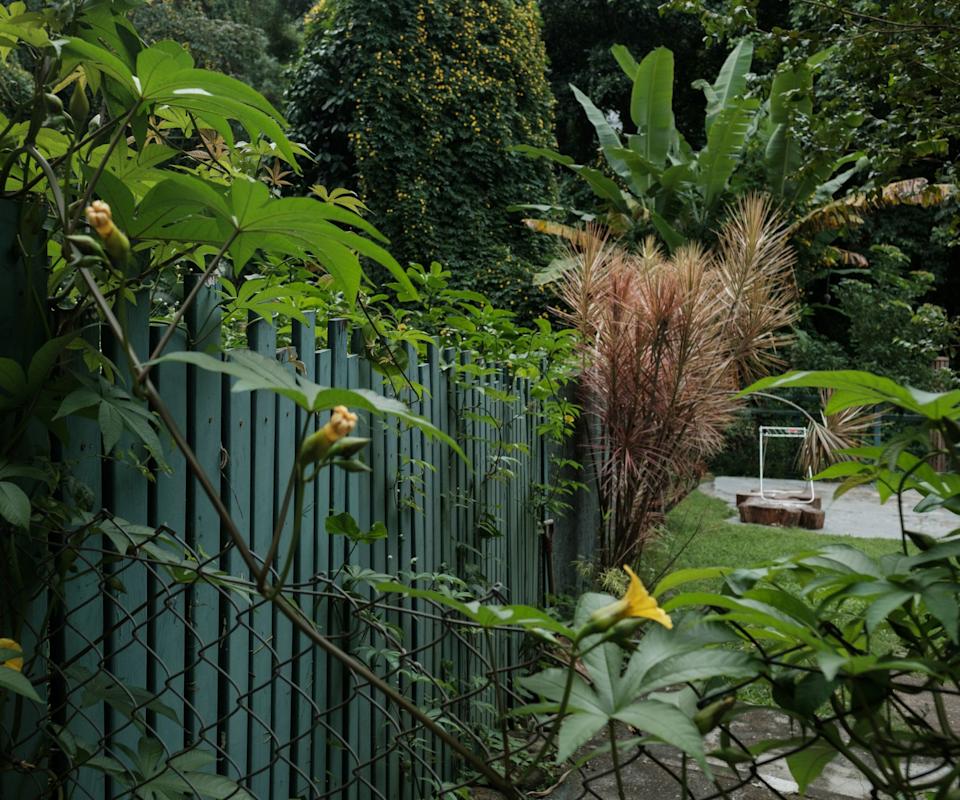
A green fence cleverly reflects the tones already present in your garden, which means your boundaries start to blur. Shrubs appear fuller, borders feel deeper, and even smaller spaces take on that slightly magical, “where does the garden end?” quality.
There’s also a practical element to it. In winter, when most plants have died back, a green-painted fence provides a backdrop that still feels alive, softening the bareness of the season and keeping your garden from looking flat or forgotten.
And from a buyer’s perspective? Well, a garden that feels cohesive, calm, and low-effort is always going to be more appealing than one that feels stark or high-maintenance, isn’t it?
The Three Shades That Designers Are Using Now
Not all green fences are created equal; the key is choosing a tone that works with your space rather than against it.
Deep Forest Green
If you want that slightly luxurious, “designed” feel, a deep forest green is the way to go. It works particularly well in larger gardens or alongside mature planting, where it can recede into the background while still adding depth.
It also pairs beautifully with natural materials like wood, stone, and terracotta, giving the whole space a more grounded, high-end feel.
Muted Sage Green
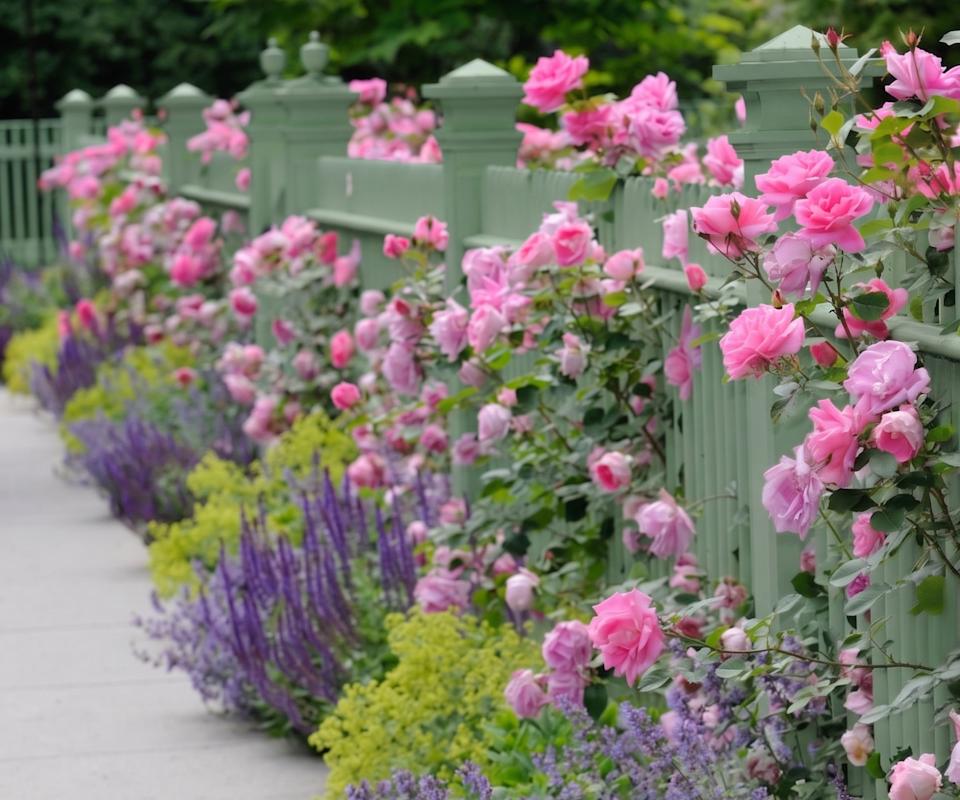
For smaller gardens, or spaces that don’t get a huge amount of sun, a softer, grey-toned green can be incredibly effective. Sage reflects more light than darker shades, which helps keep things feeling open and airy.
It’s also one of the easiest colors to live with, as it’s subtle enough to feel timeless, but still distinctive enough to elevate the space.
Credit: jorgeantonio / Getty Images / Gemini AI
Olive Green
Sitting somewhere between the two, olive green brings a touch of warmth that works beautifully in more relaxed, slightly wild gardens.
It complements grasses, Mediterranean planting, and anything with silvery foliage, helping to tie everything together without feeling overly styled.
Get Shopping:

Light Sage Green Satin Exterior Paint, 5 Gallon
A fabulous neutral toad green with an ivy undertone, this is perfect for invisible boundaries.

Pine Forest Green Flat Exterior Paint, 1 Gallon
This is a very dark forest green, ideal for adding drama and depth to larger gardens with deep borders.

Olive Sprig Green Semi-Gloss Exterior Paint, 5 Gallon
Fancy something between the two? Try this midtone, neutral, lush olive green with an organic green undertone.
Look, let’s face facts; this isn’t really about paint. Instead, it’s more about a shift in how we think about our gardens, and how we should spend less time trying to control the edges, and far more allowing them to soften and blur.
Your plants should be the standout stars of your backyard, after all. And if all it takes is a tin of paint to do exactly that, not to mention make your garden feel bigger, calmer, and a little bit more like somewhere you actually want to spend time?
Well, that feels like a pretty good place to start.
Comments are closed.