
Gardeners across the Hudson Valley, with a growing focus in Rockland County, are increasingly turning to native plants as a sustainable and low-maintenance alternative to traditional landscaping. Designed to thrive in local conditions, these plants require less water, fertilizer, and upkeep while naturally supporting pollinators and improving overall environmental health.
At Down to Earth Living in Pomona, interest in native perennials continues to rise as homeowners shift toward more purposeful landscaping. Instead of relying on high-maintenance plantings, residents are opting for species that work in harmony with the local ecosystem, helping boost biodiversity, strengthen soil health, and create more resilient outdoor spaces.
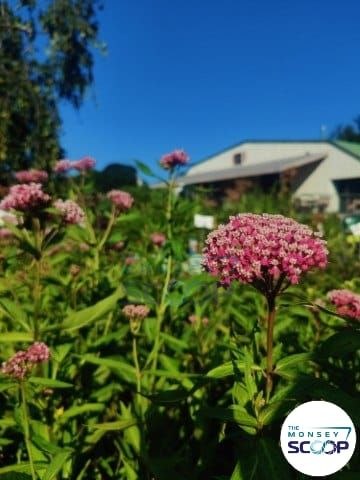
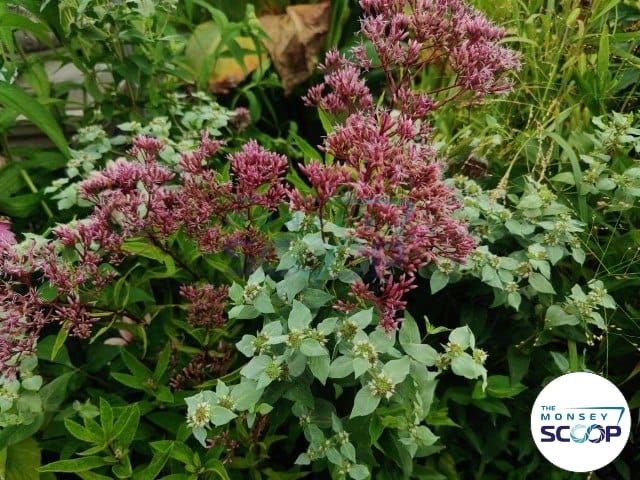
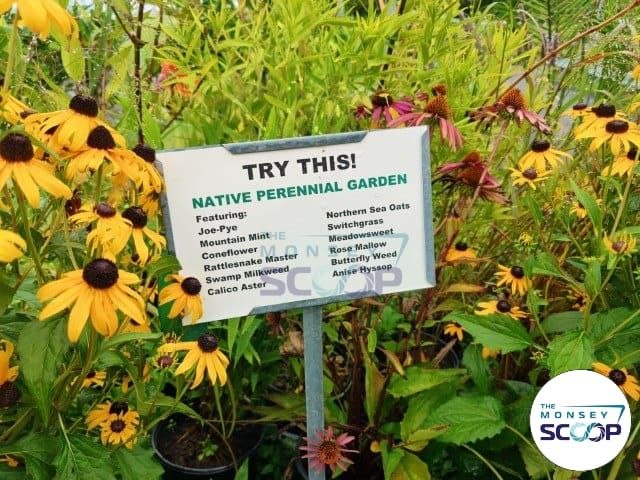
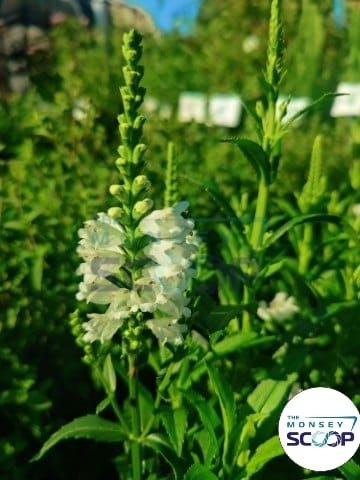
A key factor driving this trend is the strong relationship between native plants and pollinators. Many of these species have evolved alongside local wildlife, providing reliable sources of nectar, pollen, and habitat for bees, butterflies, and hummingbirds throughout the growing season. Popular options well-suited for Rockland and the surrounding Hudson Valley include Purple Coneflower, Bee Balm, Blazing Star, Goldenrod, Milkweed, and New England Aster — all known for attracting pollinators while adding seasonal color and structure.
Experts note that planting a variety of native species with staggered bloom times can sustain pollinators from early spring through late fall. Grouping plants together not only improves foraging efficiency for wildlife but also creates a more cohesive and visually appealing landscape.
Beyond aesthetics, native plants offer several long-term benefits, including reduced need for irrigation and chemicals, improved stormwater absorption, better erosion control, and increased resilience to local climate conditions. Many varieties are also naturally deer-resistant, making them a practical choice for suburban neighborhoods.
With demand on the rise, Down to Earth Living has expanded its native plant selection and offers guidance to help homeowners choose the right plants based on sunlight, soil, and moisture conditions. The goal, according to the garden center, is to make sustainable landscaping more accessible while helping residents build thriving, low-maintenance outdoor spaces.
As more Rockland residents look to balance beauty with environmental responsibility, native plant landscaping is quickly becoming a preferred choice across the region.
Comments are closed.