

Wildlife experts including Monty Don and Sir David Attenborough are urging gardeners not to mow their lawns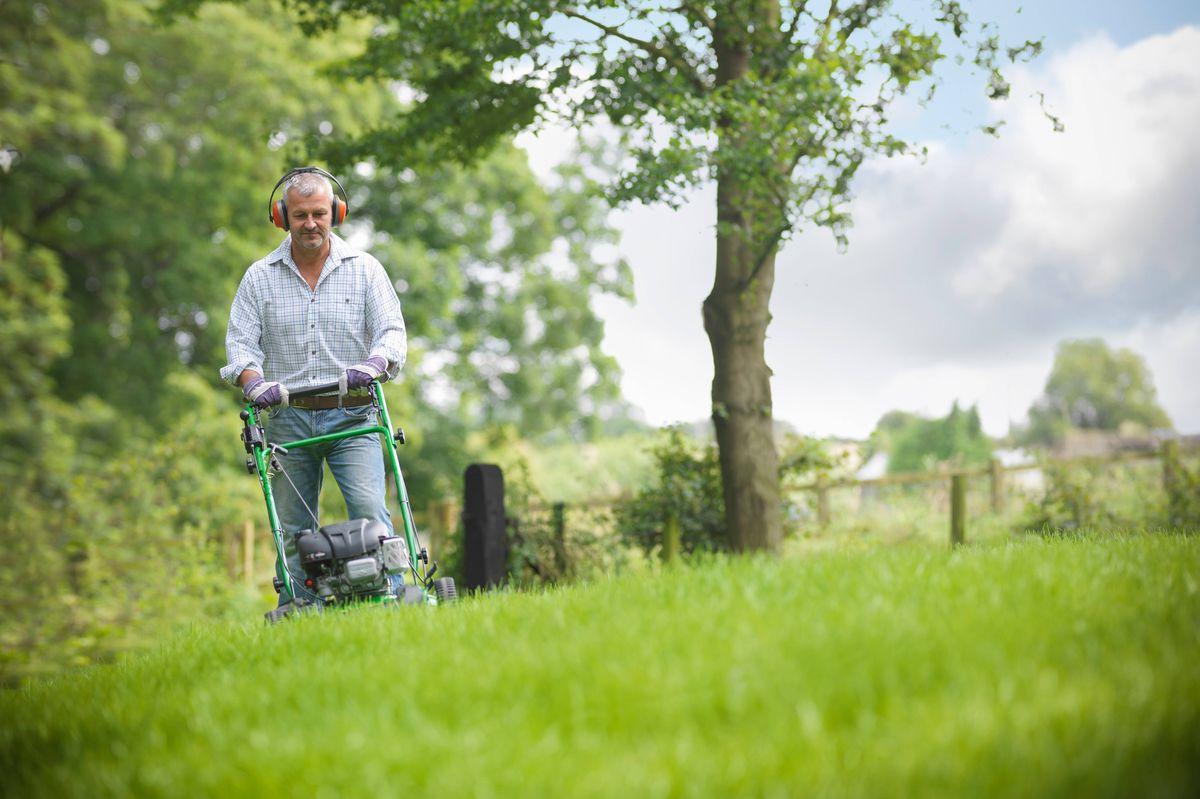
Wildlife experts including Monty Don and Sir David Attenborough are urging gardeners not to mow their lawns(Image: Monty Rakusen via Getty Images)
April has largely delivered bright, sunny weather, prompting gardeners to venture back outdoors to tidy, mow, trim and generally spruce up their lawns, hedges and flowerbeds. However, wildlife experts are urging people to hold off cutting their grass until at least a date in June.
The caution has been backed by celebrated naturalist Sir David Attenborough, who in recent years has been urging Britain to ‘delay mowing’, warning that the country has lost a staggering 97% of a precious habitat that is vital to the food chain, reports the Express.
Insects such as bees, butterflies and even wasps rely on lawns and, in particular, the daisies, weeds and wildflowers within them, to breed, pollinate and sustain a healthy ecosystem at this time of year.
Cutting the grass back disrupts all of this, wiping out vast numbers of insects that form an essential – and increasingly endangered – part of our natural world. In short, if those insects disappear, the consequences for us all could ultimately be devastating.
Gardeners’ World stalwart Monty Don has also urged gardeners to resist picking up the lawnmower until a specific date in June. He said: “Nothing should be cut at all until after the longest day on June 21. This gives the foliage of the bulbs time to die back and feed next year’s bulb and subsequent flowering.”
“The grass can then be cut if it has been hot and dry although sometimes I leave this as late as mid-August.” Celebrated naturalist Sir David Attenborough also sounded the alarm over the state of British wildlife in the BBC’s Wild Isles nature documentary.
He said: “Nowhere here is richer in wildflowers and insect pollinators than our traditional hay meadows. Sadly, in the last 60 years, we’ve lost 97% of this precious habitat. But with nature-friendly farming, meadows can be restored to provide a haven for wildlife. It’s all about the timing. Delaying mowing…allows birds and insects to complete their breeding and flowers to set their seed.”
UK wildlife organisation Plantlife is spearheading No Mow May 2026. It says: “No Mow May is one of the easiest ways to help the environment – letting wildflowers like daisies, dandelions and clovers grow while supporting bees and butterflies. (Even small wild patches add up to make a huge difference to nature.)
“No Mow May is Plantlife’s annual campaign urging everyone to pack away the lawnmower, let wildflowers grow freely and help nature from your doorstep. From May onwards, simply stop mowing your lawn (or even just a small part of it) and do more by doing less.
“No lawn is too small! Even the tiniest wild patch can provide vital food needed by bees and butterflies and give wildlife the best start to summer. Plus, less mowing will save you effort, cost, reduce your carbon footprint and give you a deeper connection to nature. It really is that simple to make a difference – from May, put the mower away. Approximately 97% of flower-rich meadows have been lost since the 1930s, and with them, vital food and habitat needed by wildlife.
“But your garden can help! A healthy lawn with some longer grass and wildflowers helps to tackle pollution, benefits wildlife and can even lock away carbon below the ground. There’s around 23 million gardens in the UK, so imagine the impact if we all took part! Even the smallest grassy patches can add up.”
Comments are closed.