
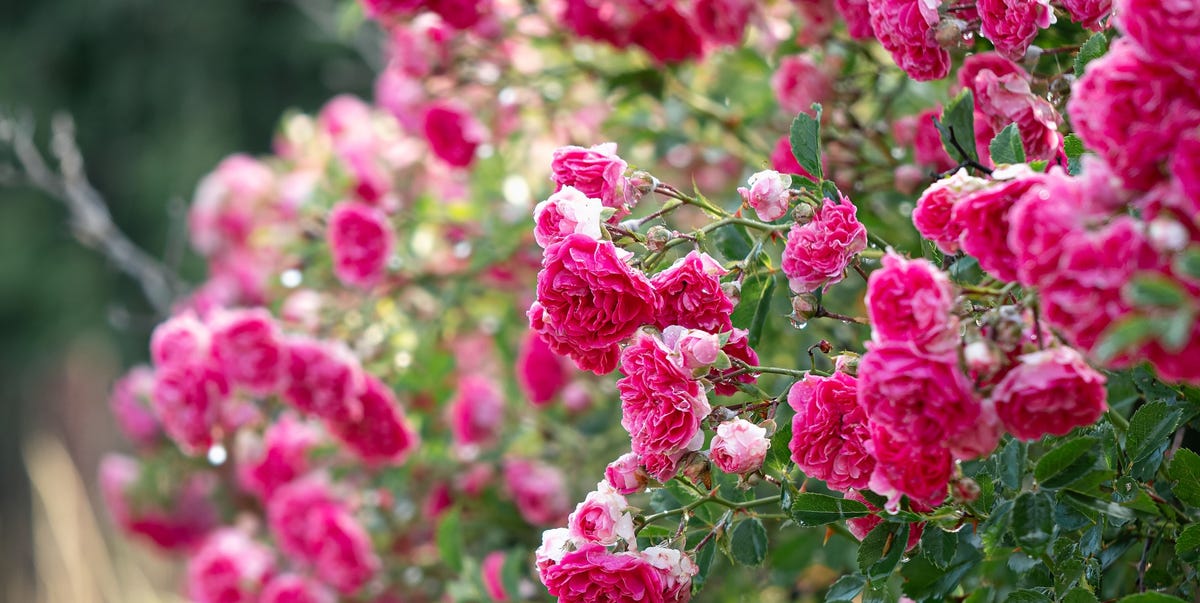
Wisteria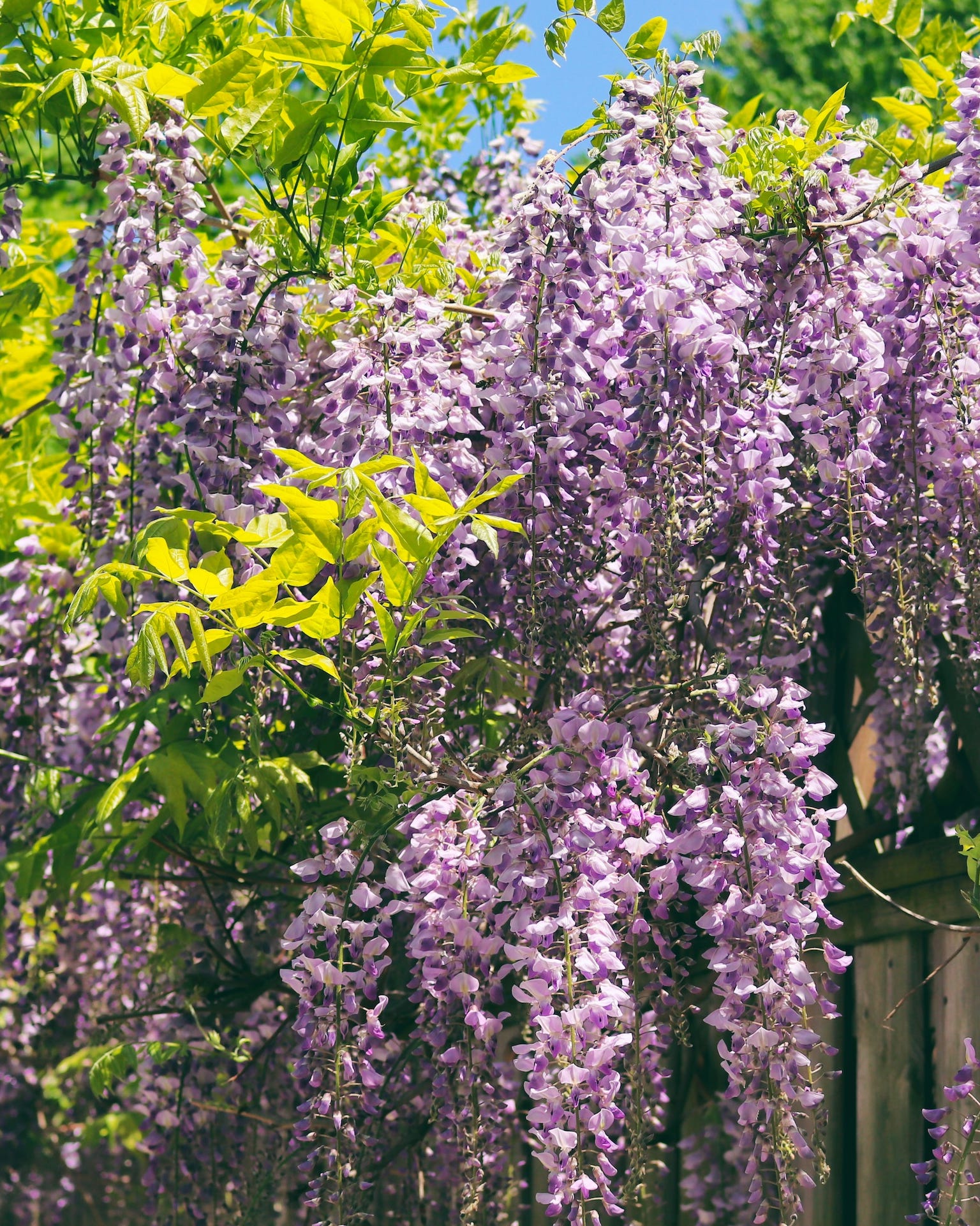 Katrin Ray Shumakov//Getty Images
Summer and winter may be the most important pruning windows for wisteria, but May is also an excellent time to tidy and train new growth after flowering.
“As the flowers fade, work through the side shoots and cut them back to five or six leaves. It looks brutal, but this is important as the spurs you’re building now are what flower next May,” says Julian.
Roses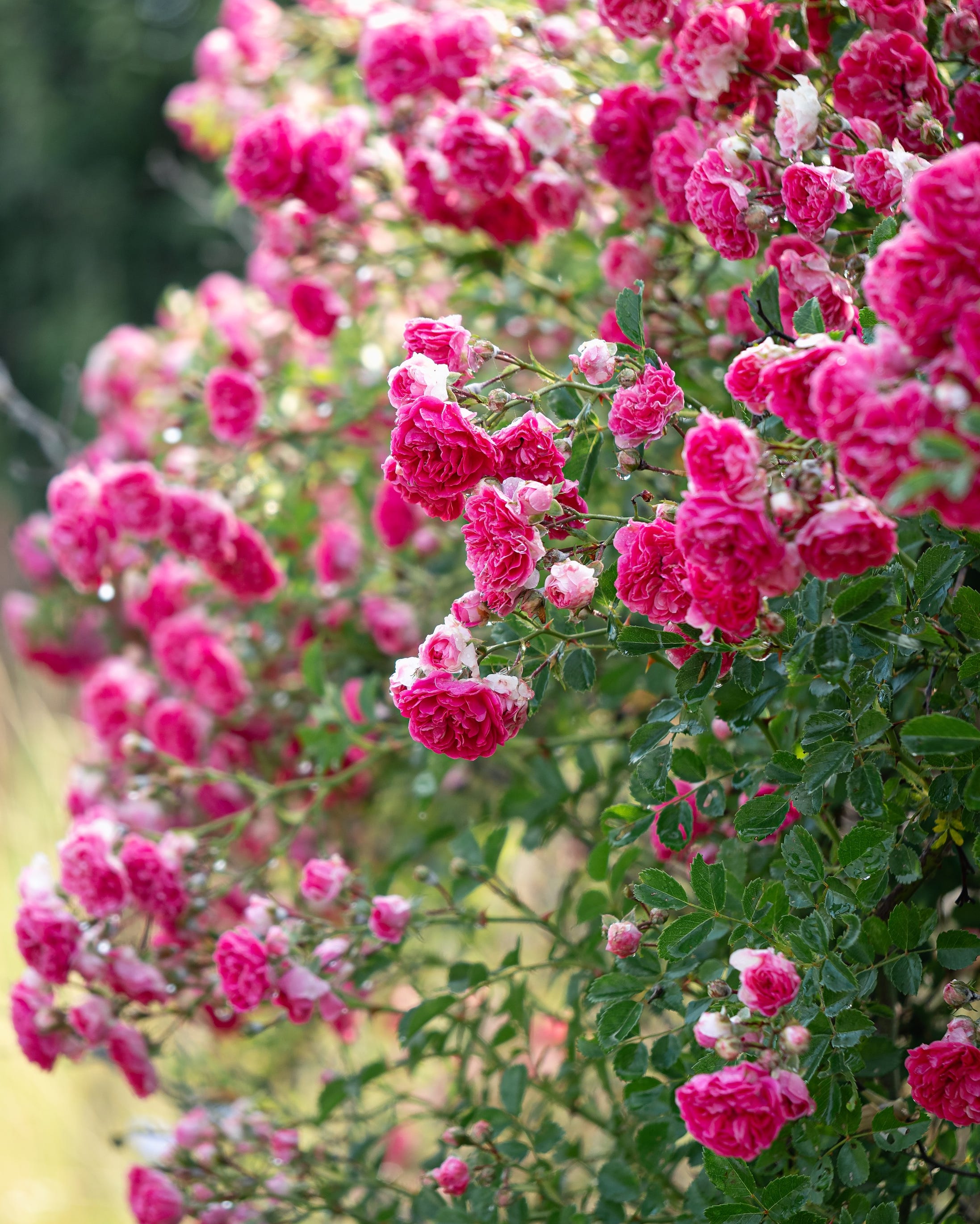 Aleksa Torri//Getty Images
“Deadhead as the first flush fades, back to a strong outward-facing bud, and the second flush of flowers will follow,” says Julian. “Climbers can have their flowered side shoots trimmed back to two or three buds from the main framework.”
Advertisement – Continue Reading Below
Rhododendrons and azaleas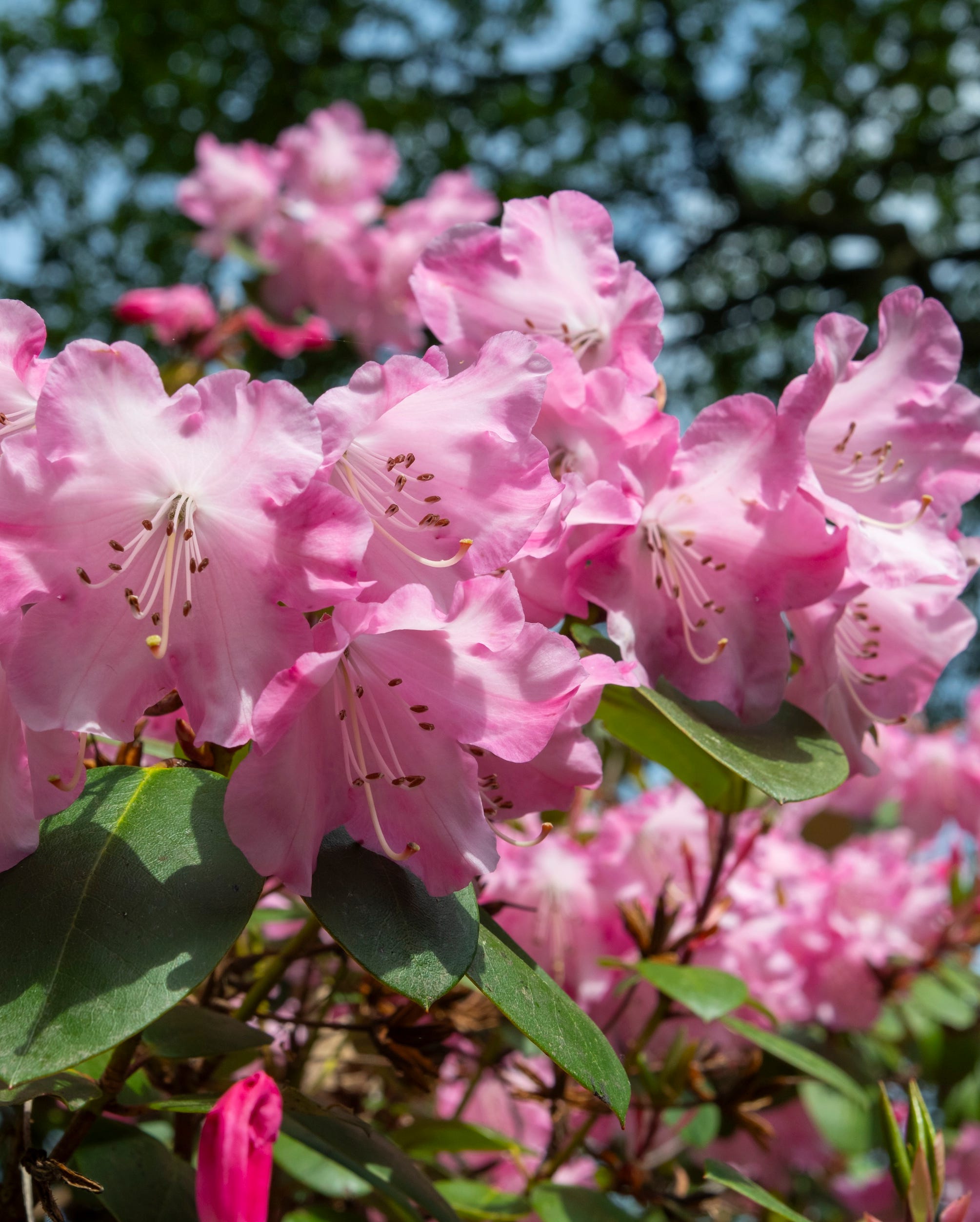 Photos by R A Kearton//Getty Images
Elsewhere, don’t forget to add rhododendrons and azaleas to your pruning list.
Julian says: “These are at their peak this month, so it feels counterintuitive to touch them, but once those trusses go over, snap them off by hand before they set seed. If your plant has been getting away from you for a few years, this is genuinely the best moment to cut back hard, as it responds well when pruned right after flowering in a way it simply won’t at other times of the year.”
Forsythia and lilac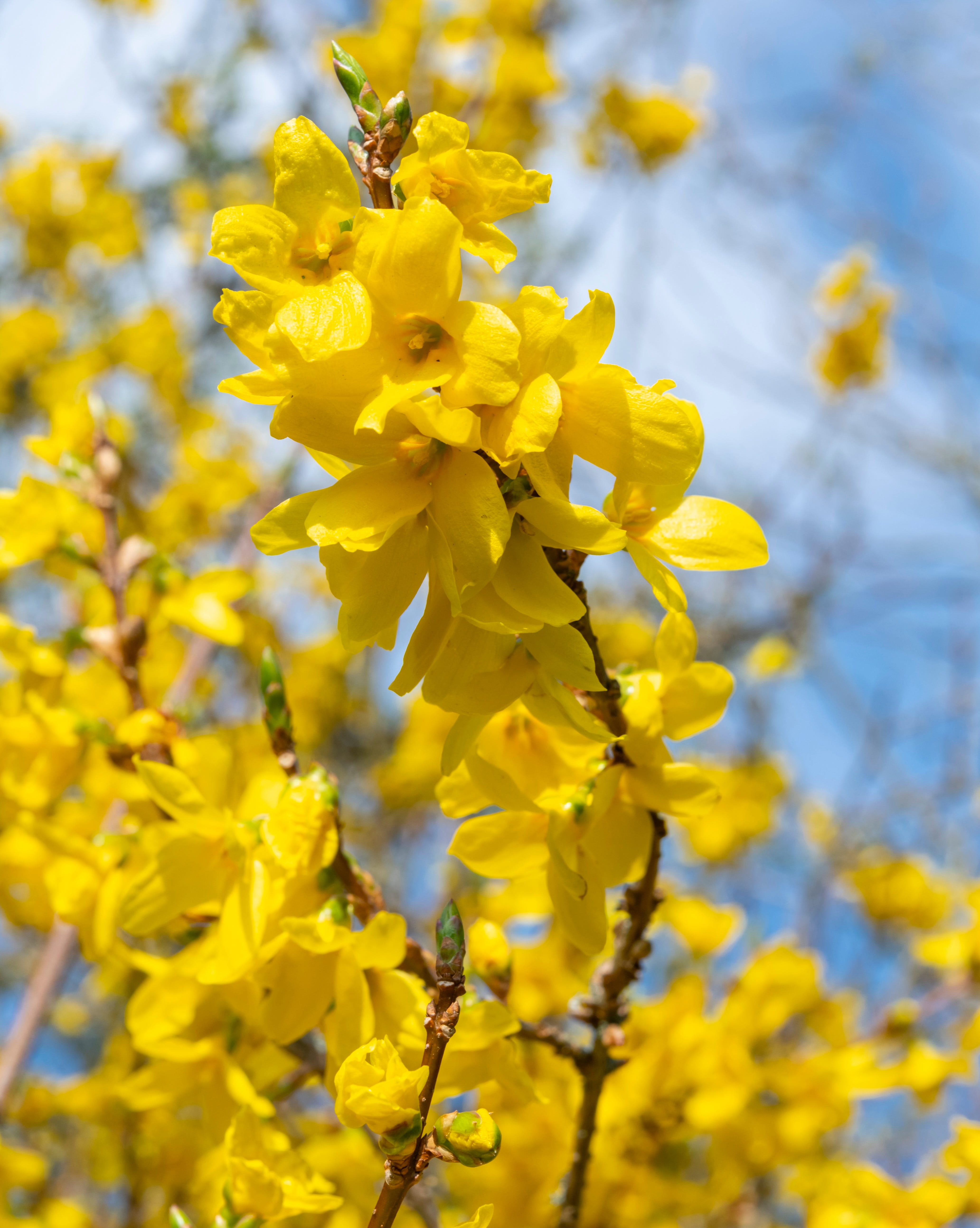 Photos by R A Kearton//Getty Images
According to Julian, May is a great month for pruning forsythia and lilac immediately after they bloom. This will allow them to set buds for next year, giving them the best blooming start.
“Once the blooms drop, get in there and take out a third of the oldest stems at the base. Leave it too long, and you’re unwittingly removing next year’s buds,” continues Julian.
Advertisement – Continue Reading Below
Lavender 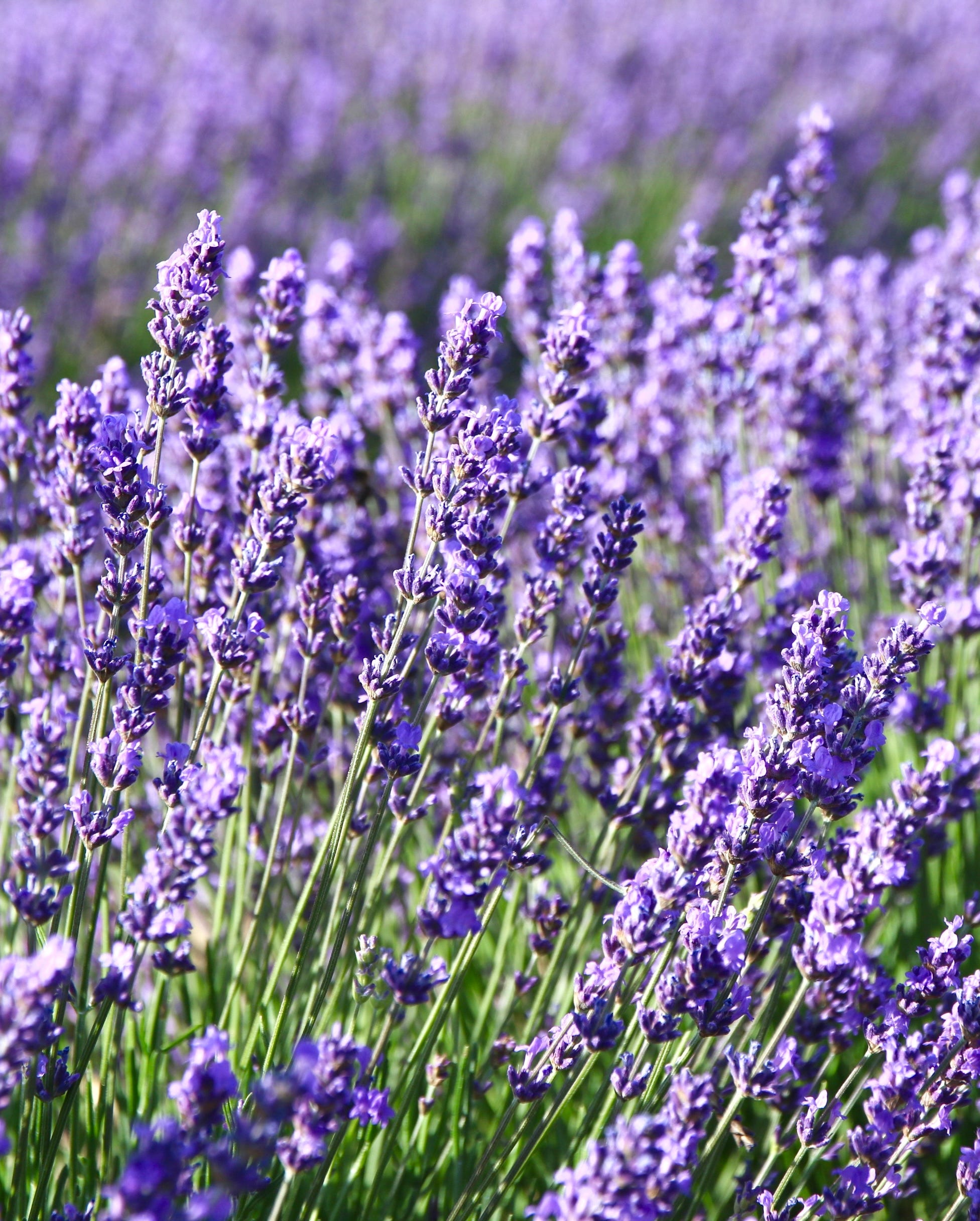 Caroline Gauvin//Getty Images
“As the new growth gets going, give the whole plant a light prune; you’re aiming to take off roughly a third of that fresh green growth, tidying the shape and stopping it from flopping open at the centre,” says Julian.
“Lavender won’t regenerate from old wood the way most shrubs will. If a plant is already very woody and open, the honest answer is that no amount of pruning will rescue it.”
 Lisa Joyner
Deputy Daily Editor, Country Living and House Beautiful
Lisa Joyner is the Deputy Daily Editor at House Beautiful UK and Country Living UK, where she’s busy writing about home and interiors, gardening, dog breeds, pets, health and wellbeing, countryside news, small space inspiration, and the hottest properties on the market. Previously, she has written for Conde Nast Traveller, House & Garden and Marie Claire magazine. Lisa studied at University For The Creative Arts, where she completed a BA in Fashion Journalism.
Advertisement – Continue Reading Below
Advertisement – Continue Reading Below
Advertisement – Continue Reading Below
Comments are closed.