

Moss is a common problem in gardens and expert gardener Peter Dowdall has shared his top tips on how to remove it from your lawn — but he said one thing must be avoided
Liam McInerney Content Editor
03:30, 28 Apr 2026
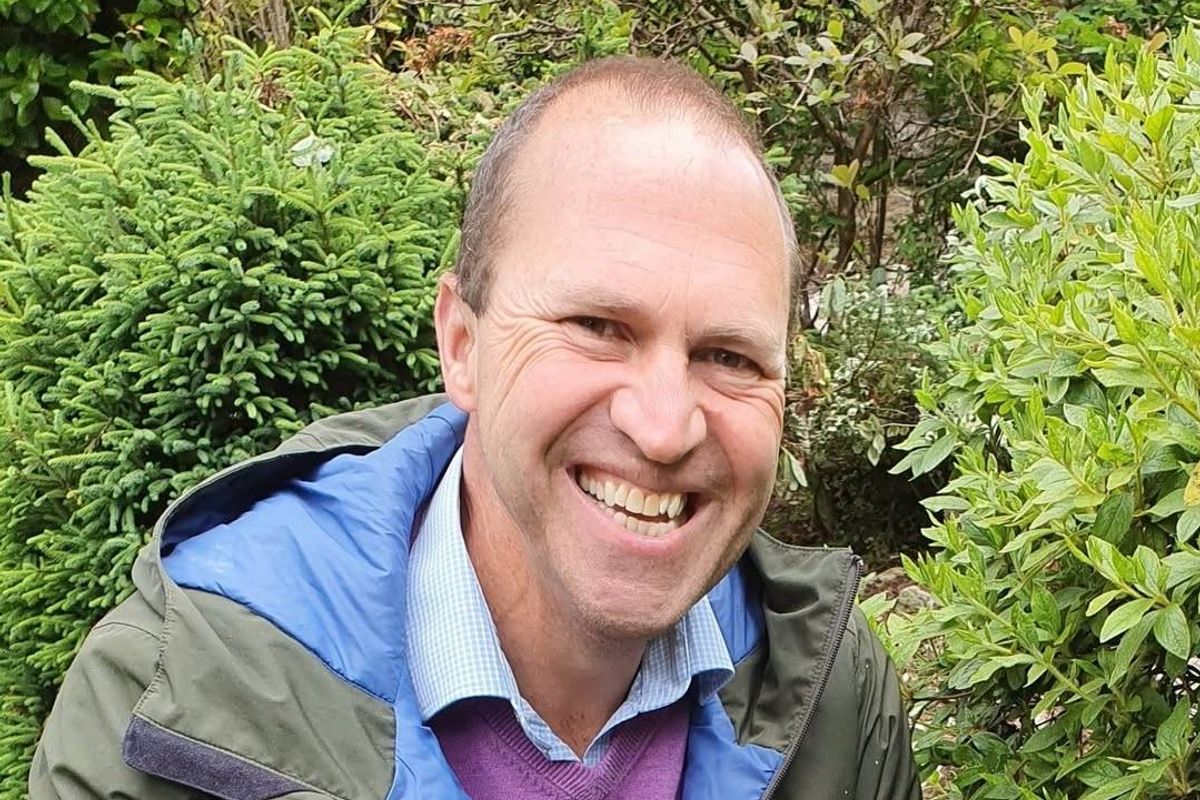
Peter Dowdall is an expert gardener (Image: @the_irish_gardener/Instagram)
A gardening expert has revealed the question he is being inundated with right now — and it centres on how to rid lawns of moss.
Peter Dowdall, fondly known as The Irish Gardener, explained that moss is a persistent nuisance across the UK and Ireland, largely due to the damp and warm climate that these tenacious flowerless plants thrive in.
With spring now in full swing, countless homeowners are keen to tackle moss growth — particularly after mowing their lawns — but Peter warned against simply reaching for a quick-fix product as the solution.
Speaking to this reporter, he said: “What I do like to avoid, most moss killing or moss treatment products that you get in garden centres are based on sulphate iron.
“I don’t like to use sulfated iron in the treatment of moss because of what it does. It does turn the moss black and kills it, but it works by acidifying the soil so it decreases the PH of the soil, and what that does is it creates the ideal conditions for moss to come back because moss likes a low PH.”
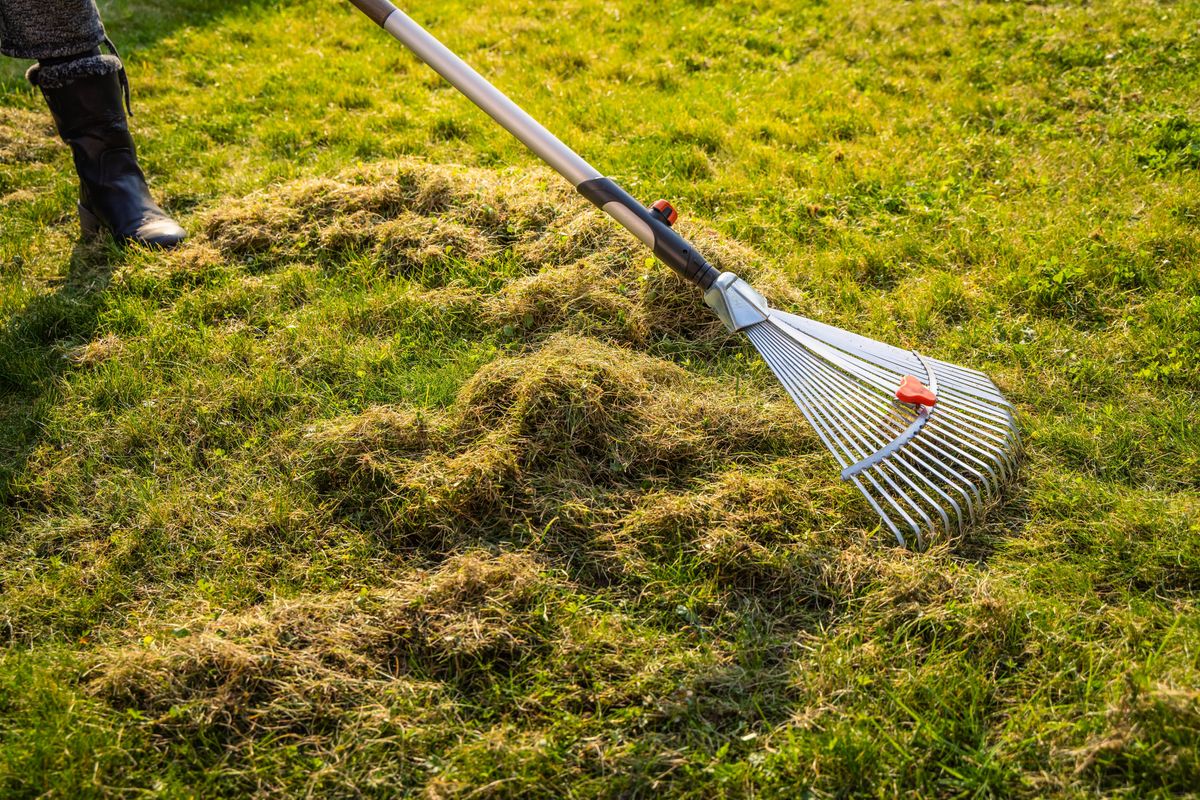
Scarifying is an ecologically friendly method for removing moss(Image: Getty Images)
Peter went on to clarify that moss is typically a sign of an underlying issue within the soil itself, noting that compacted ground – frequently found in newly built properties – causes poor drainage, which in turn creates the perfect breeding ground for moss to flourish.
Regarding what homeowners should do if moss removal matters to them, Peter explained: “First of all you scarify the lawn, which is really like a mechanical rake, it is just physically removing the moss and the patch from the surface of the lawn.
“Once you have done that then, you try and improve the soil structure by erasing it so erasing it really is just creating many tiny tiny little holes in the top two inches of the soil and you can either leave those holes open or you can push grit or sand into them to help with drainage — this will certainly help.”
That said, he pointed out this would need doing every year if you wanted to maintain a consistently moss-free lawn.
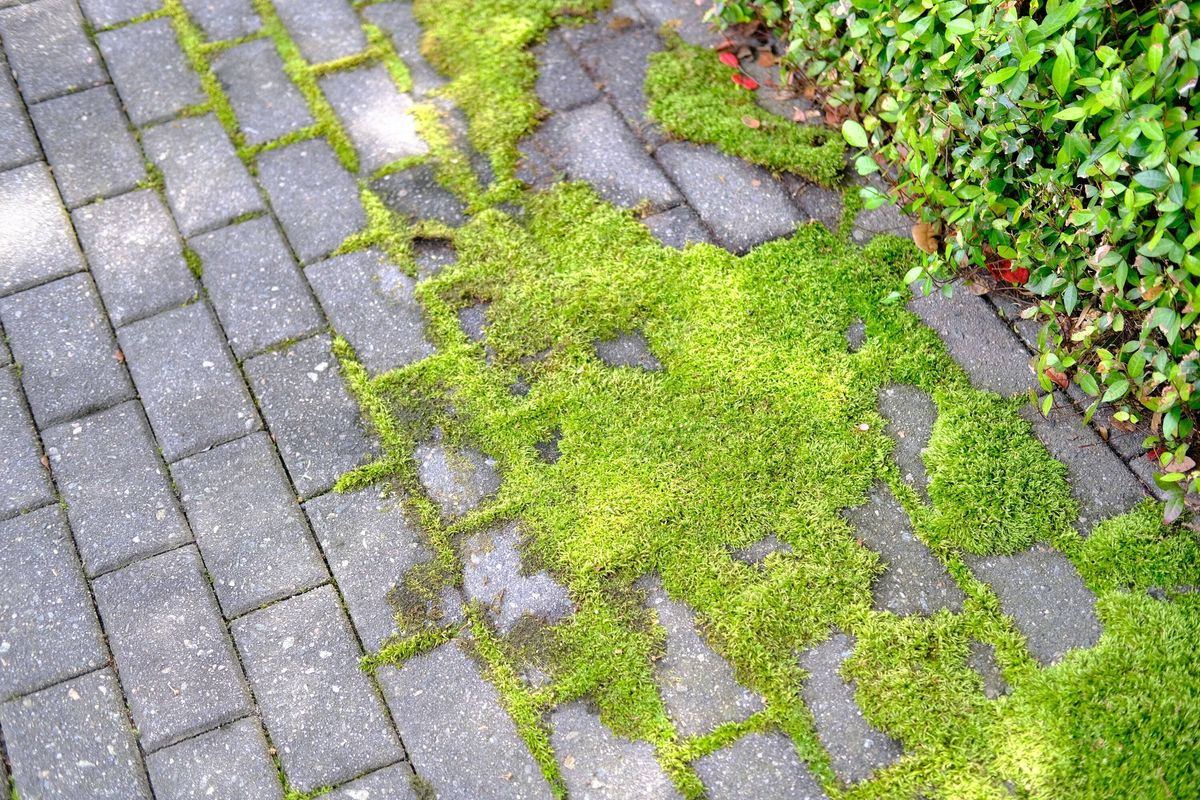
Moss growing on sidewalk(Image: Getty)
He then questioned whether we really need to despise moss and if gardens truly require being entirely weed-free.
Peter, who has tended Irish gardens for more than three decades, explained moss actually offers multiple benefits, including purifying the air.
Wrapping up his thoughts on moss, he stated: “If you want a perfect moss free lawn, I am not going to judge, but it is just important you do it in an ecologically sound way without using chemicals and do it in the way I have described there.”
He suggested our preference for moss-free lawns might stem from years of marketing, adding with a chuckle: “We are giving ourselves hours of more work every year, days more work every year, and really, if the lawn is just something that you are happy to look out on and for it to be green, maybe moss isn’t a huge problem, and maybe have a moss lawn and get rid of the grass!”
Comments are closed.