
“Hearst Magazines and Yahoo may earn commission or revenue on some items through these links.”
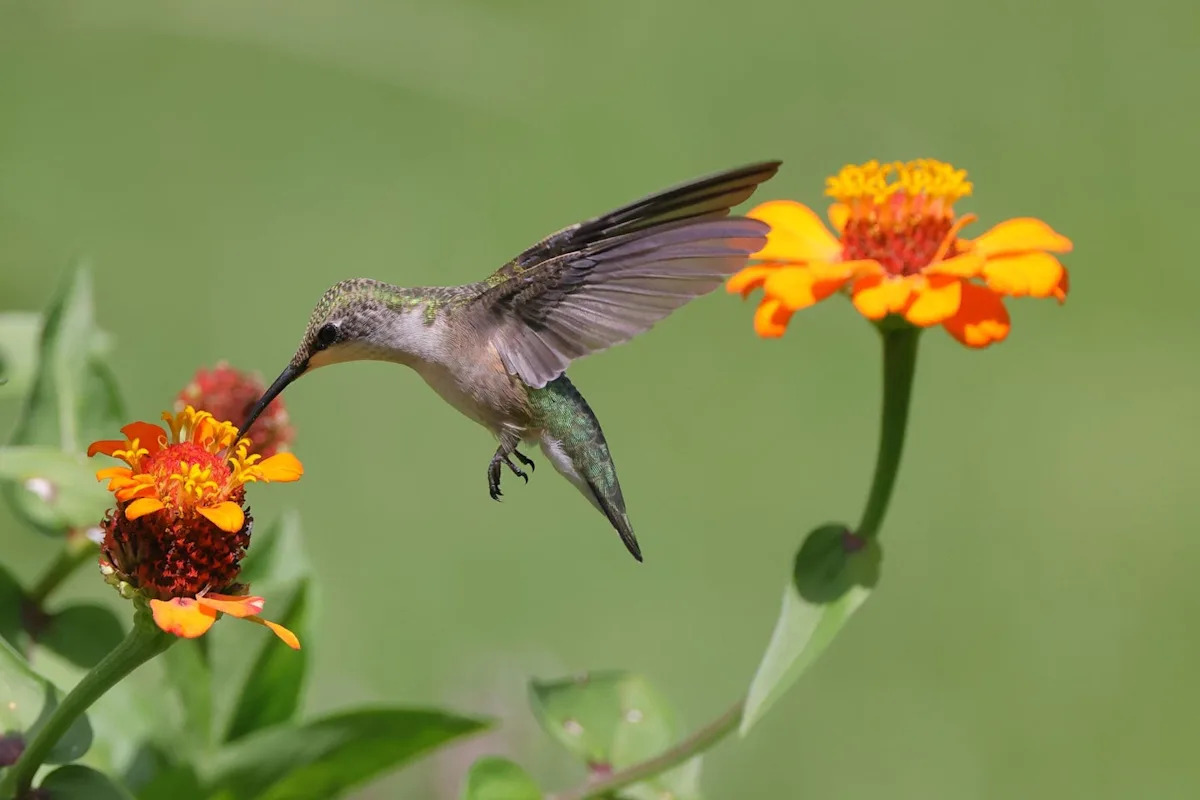
Ask any bird watcher and they’ll confirm that spotting hummingbirds in a garden never gets old. From their tiny size to their long beaks, there’s so much to love about the vibrant creatures. Curious about how to attract them to your yard? Believe it or not, there are tons of colorful flowers that can entice hummingbirds to visit your home garden.
To put it simply, hummingbirds are drawn to vibrant blooms (especially reds and oranges) and tubular flowers that make it easy for their thin bills to reach the nectar inside.
Below, you’ll find a list of hummingbird-friendly flowers to consider planting this season. Choose a variety of species to maintain consistent nectar production all season long.
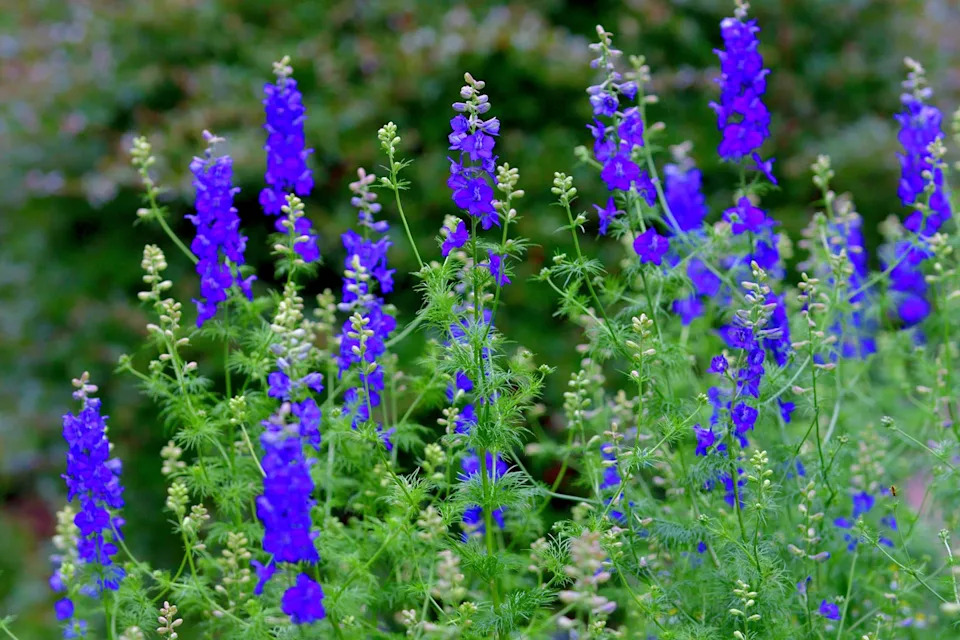
Delphiniums
Hummingbirds can’t get enough of these tall flowers. The striking blooms typically grow from two to six feet tall, making them perfect for hummingbirds’ bills. You’ll often find them in shades of purple and blue.
Hardiness Zone: Zones 3-7
Sunlight: Full sun
Shop Now
Photos from Japan, Asia and othe of the world – Getty Images
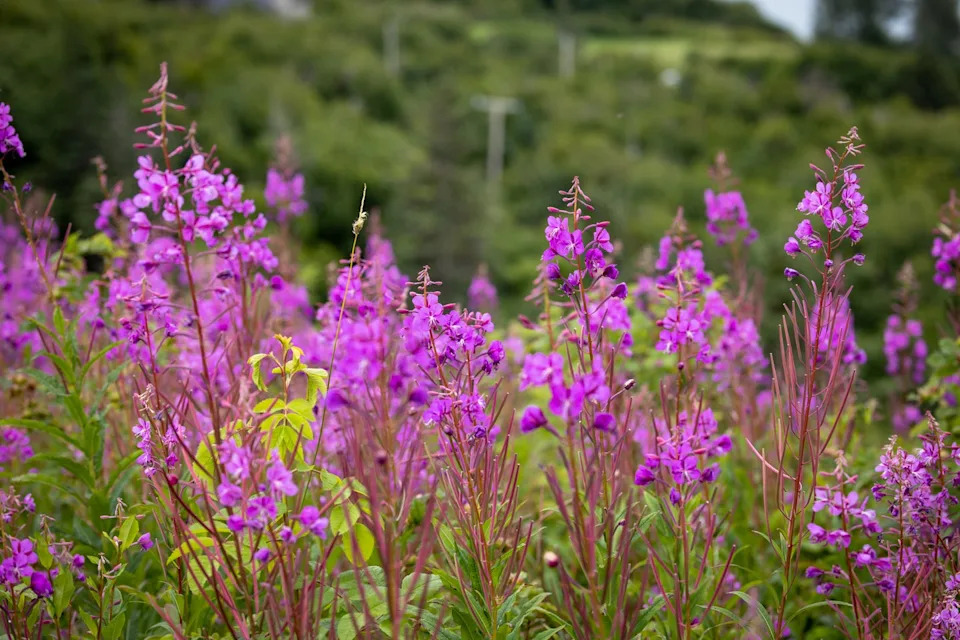
Fireweed
Fireweed is another great nectar source for hummingbirds. Along with their bold pink color, their tall shape is the perfect match for hummingbirds’ long beaks and tongues.
Hardiness Zone: Zones 2-7
Sunlight: Full sun to partial shade
Shop Now
Nicole Tow – Getty Images
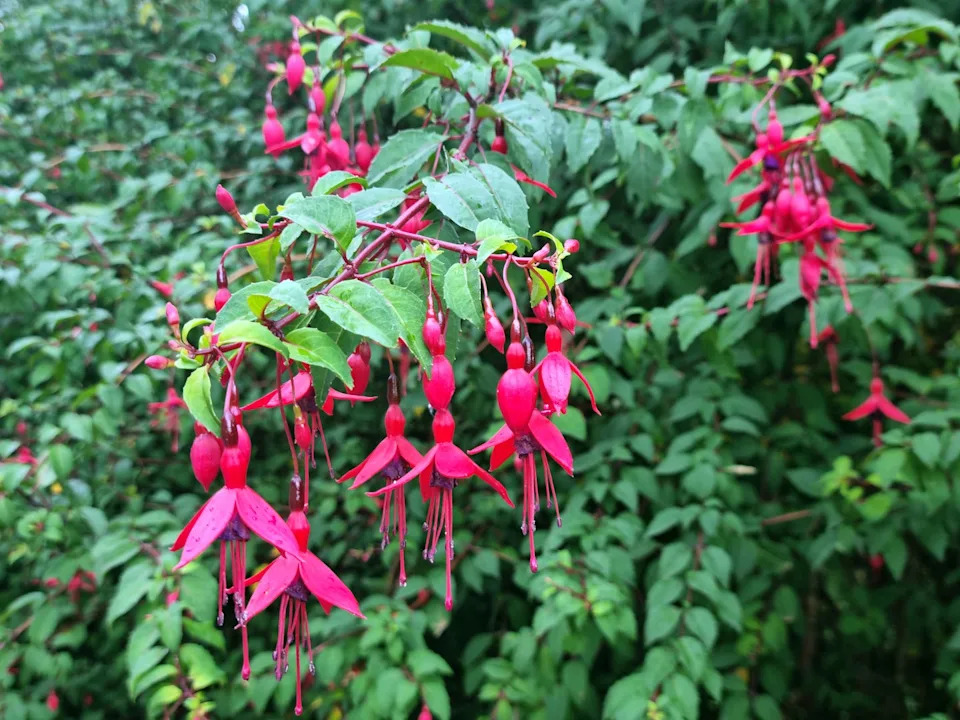
Fuchsia (Fuchsia Magellanica)
Fuchsia isn’t only attractive to the human eye—hummingbirds love these flowers, too! With a bright, tubular shape, fuchsia is the ideal flower type for a hummingbird’s thin beak. Plus, these flowers produce lots of nectar, which is exactly what hummingbirds are on the hunt for throughout the season.
Hardiness Zone: Zones 6-9
Sunlight: Morning sun, afternoon shade
Shop Now
Federica Grassi – Getty Images
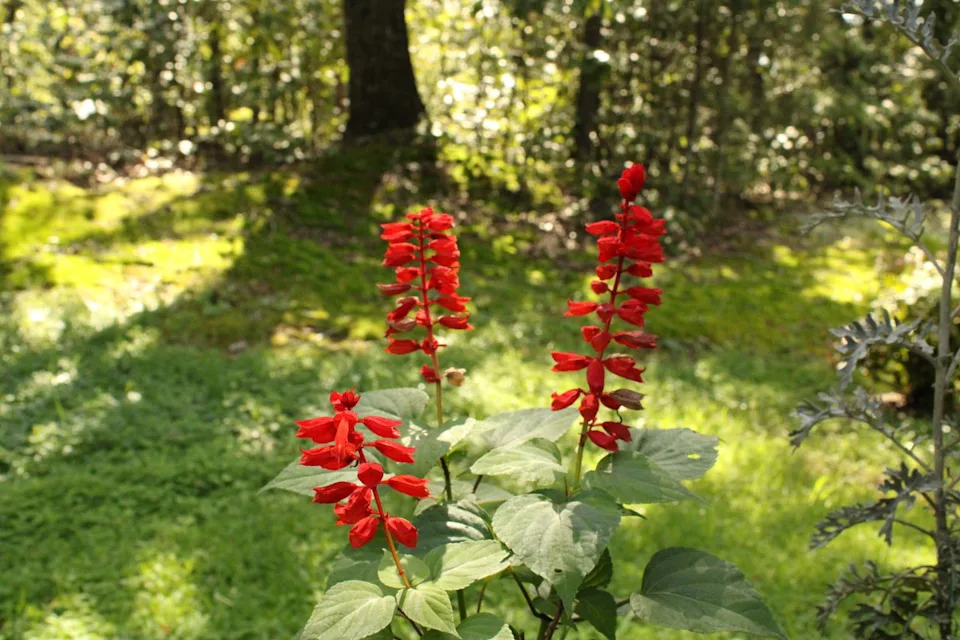
Cardinal Flower (Lobelia Cardinalis)
Like the bird with the same name, cardinal flowers are a gorgeous red, which just happens to be a hummingbird’s favorite color. They’re also not lacking in shape, either. Their tubular flowers allow hummingbirds easy access to their abundant nectar.
Hardiness Zone: Zones 3-9
Sunlight: Full sun to partial shade
Shop Now
laroy lindsey – Getty Images
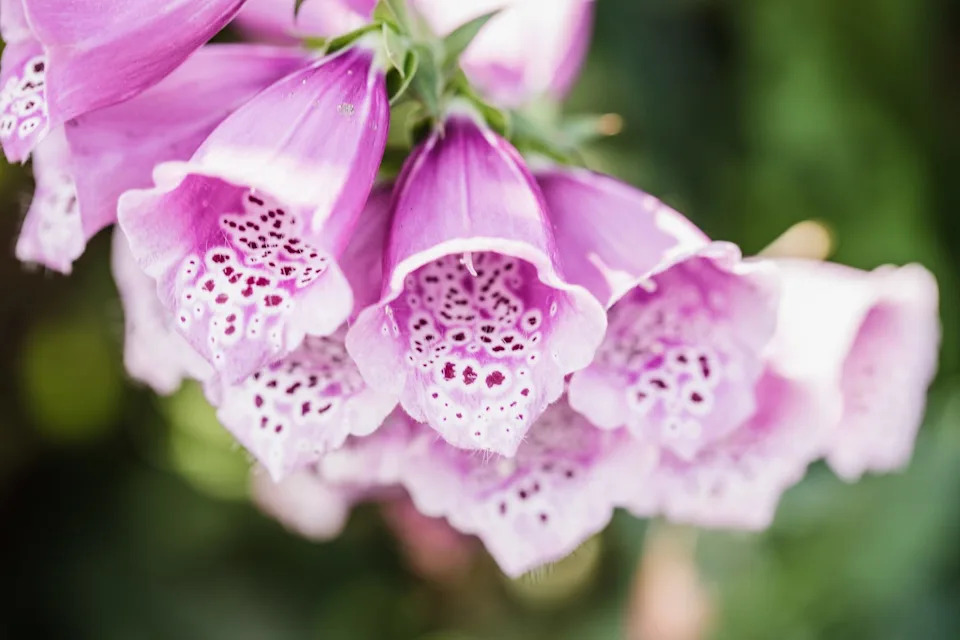
Foxglove (Digitalis)
Foxglove comes in a variety of bright colors that are visually appealing to hummingbirds. Think shades of purple, pink, and red. Because their blooms hang open, hummingbirds are easily able to feed off the available nectar using their thin beaks.
Hardiness Zone: Zones 4-9
Sunlight: Direct sunlight
Shop Now
Kilito Chan – Getty Images
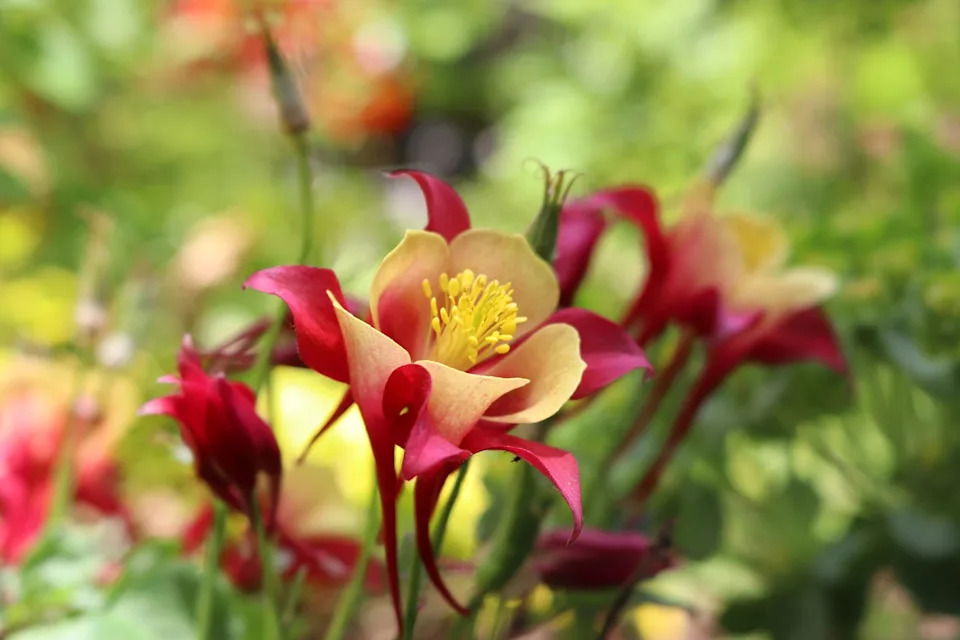
Columbine (Aquilegia)
Certain varieties of columbines bloom in multiple colors. Their contrasting shades are attractive, especially to pollinators like hummingbirds.
Hardiness Zone: Zones 3-9
Sunlight: Full sun to partial shade
Shop Now
Katrin Ray Shumakov
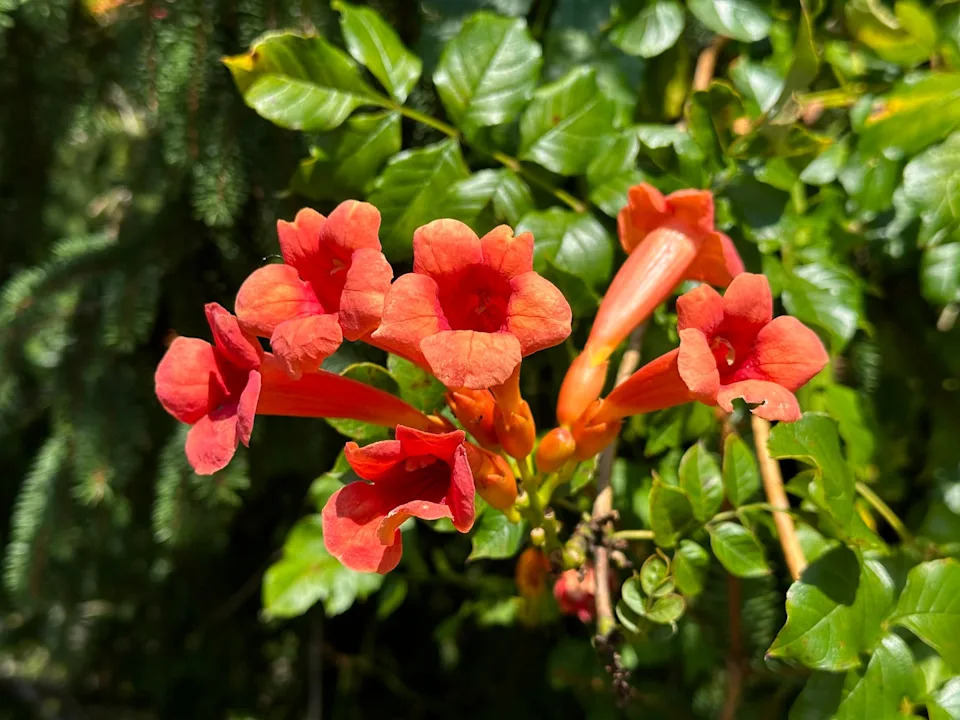
Trumpet Vine (Campsis Radicans)
As their name suggests, these flowers resemble the horn of a trumpet. Their bright orange color and long tubular flowers make them the perfect food source for hummingbirds on the hunt.
Hardiness Zone: Zones 4-9
Sunlight: Direct sunlight
Shop Now
Little Hand Images – Getty Images
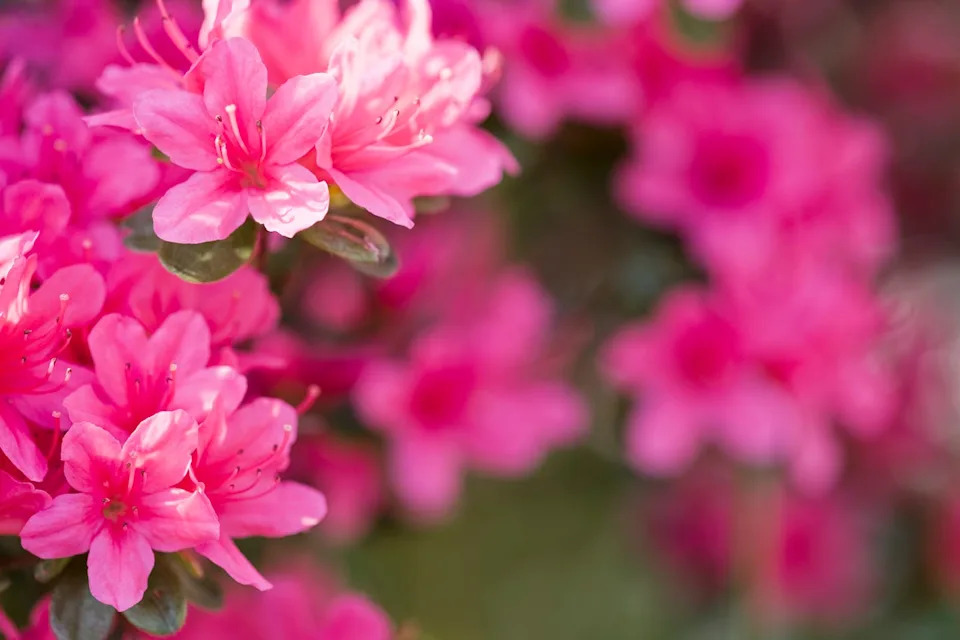
Pink Azalea (Rhododendron Periclymenoides)
Azaleas are a backyard favorite, and for good reason. They’re colorful, versatile and low-maintenance. Luckily, their pink and red funnel-shaped flowers are loved by hummingbirds too.
Hardiness Zone: Zones 5-9
Sunlight: Morning sun, afternoon shade
Shop Now
ooyoo – Getty Images
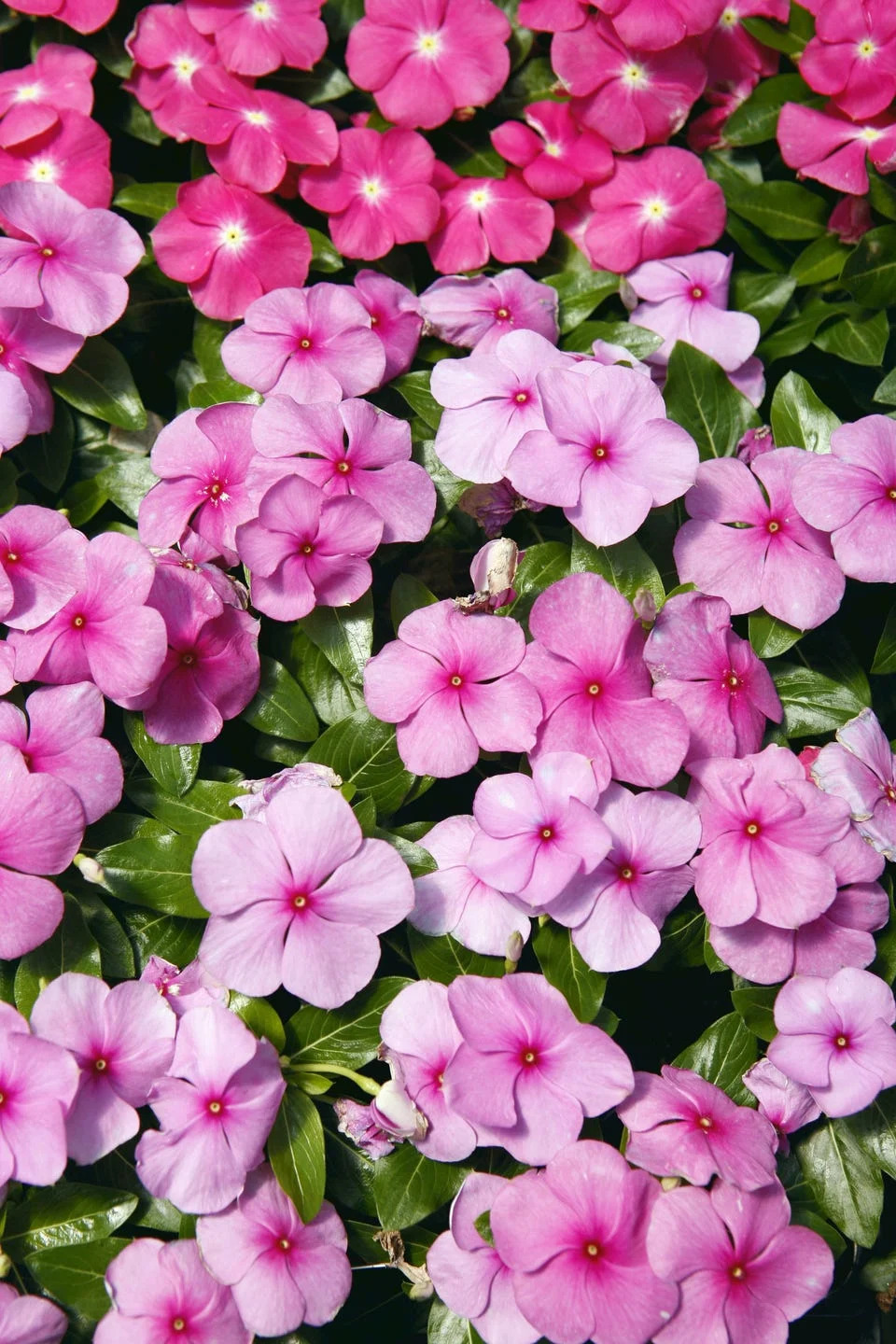
Impatiens
Although not tubular, impatiens still provide hummingbirds with a reliable source of nectar. Their bright color definitely doesn’t hurt, either.
Hardiness Zone: Zones 10-11
Sunlight: Partial shade, indirect sunlight
Shop Now
strathroy – Getty Images
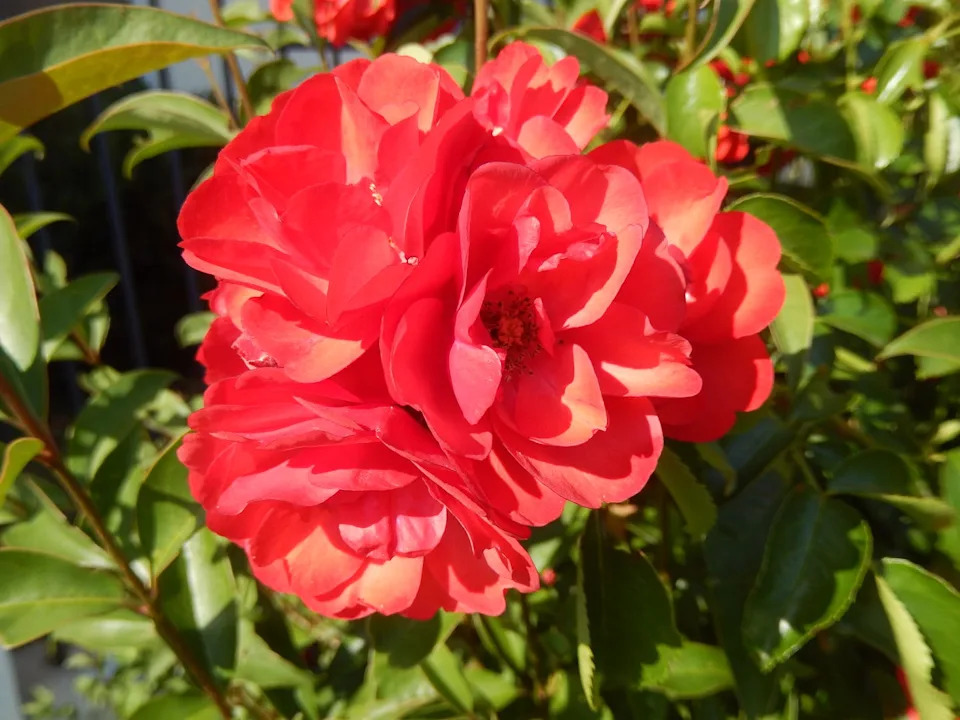
Red Begonia (Begonia Interspecific)
This flower fits the bill for many reasons—it’s red, holds plenty of nectar and has an ideal structure for feeding. Hummingbirds can easily hover on top, sucking the nectar from the gorgeous blooms.
Hardiness Zone: Zones 9-11
Sunlight: Partial shade
Shop Now
by IAISI – Getty Images
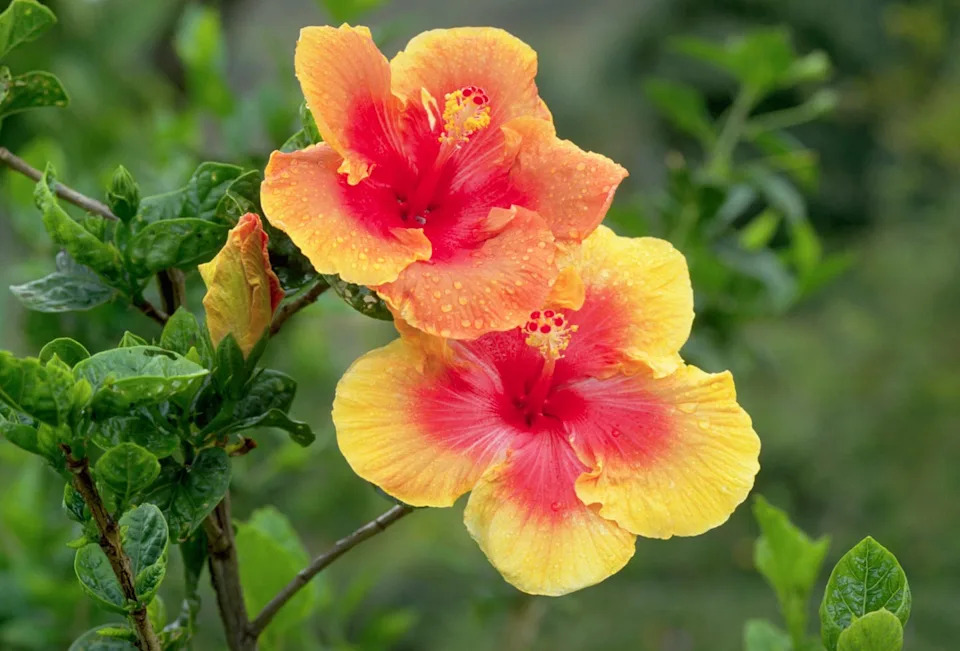
Hibiscus
Hibiscus flowers add an exotic touch to any backyard garden, and hummingbirds definitely notice. Their eye-catching blooms keep these birds fed all season long.
Hardiness Zone: Zones 10-12
Sunlight: Direct sunlight
Shop Now
Douglas Peebles – Getty Images
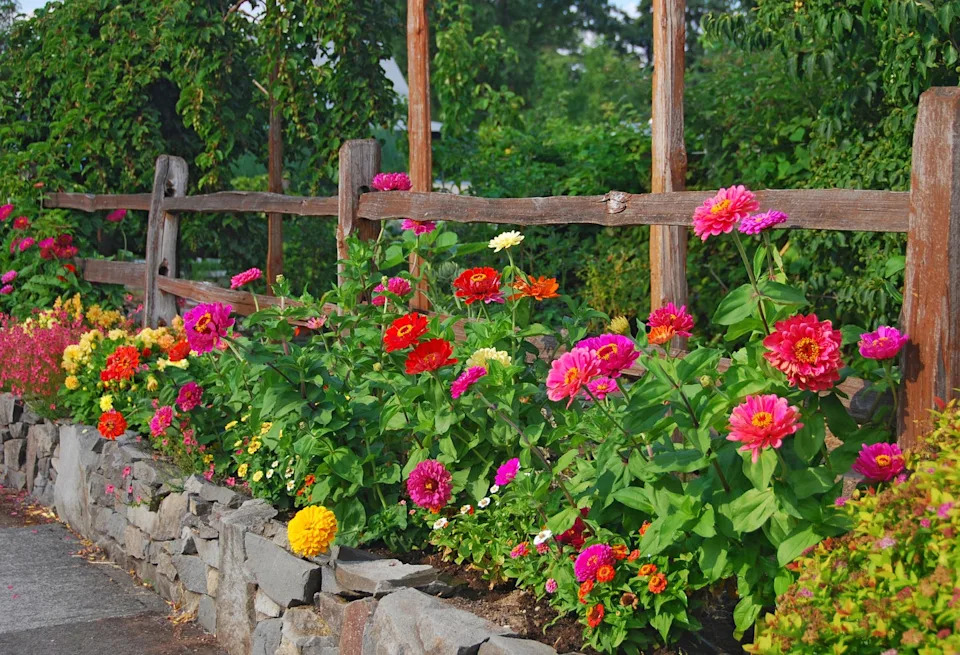
Zinnia
Zinnias, known for their annual growth and low-maintenance nature, are particularly intriguing to pollinators like hummingbirds. The best part? They thrive in direct sunlight with minimal care!
Hardiness Zone: Zones 2-11
Sunlight: Direct sunlight
Shop Now
Steve Terrill – Getty Images
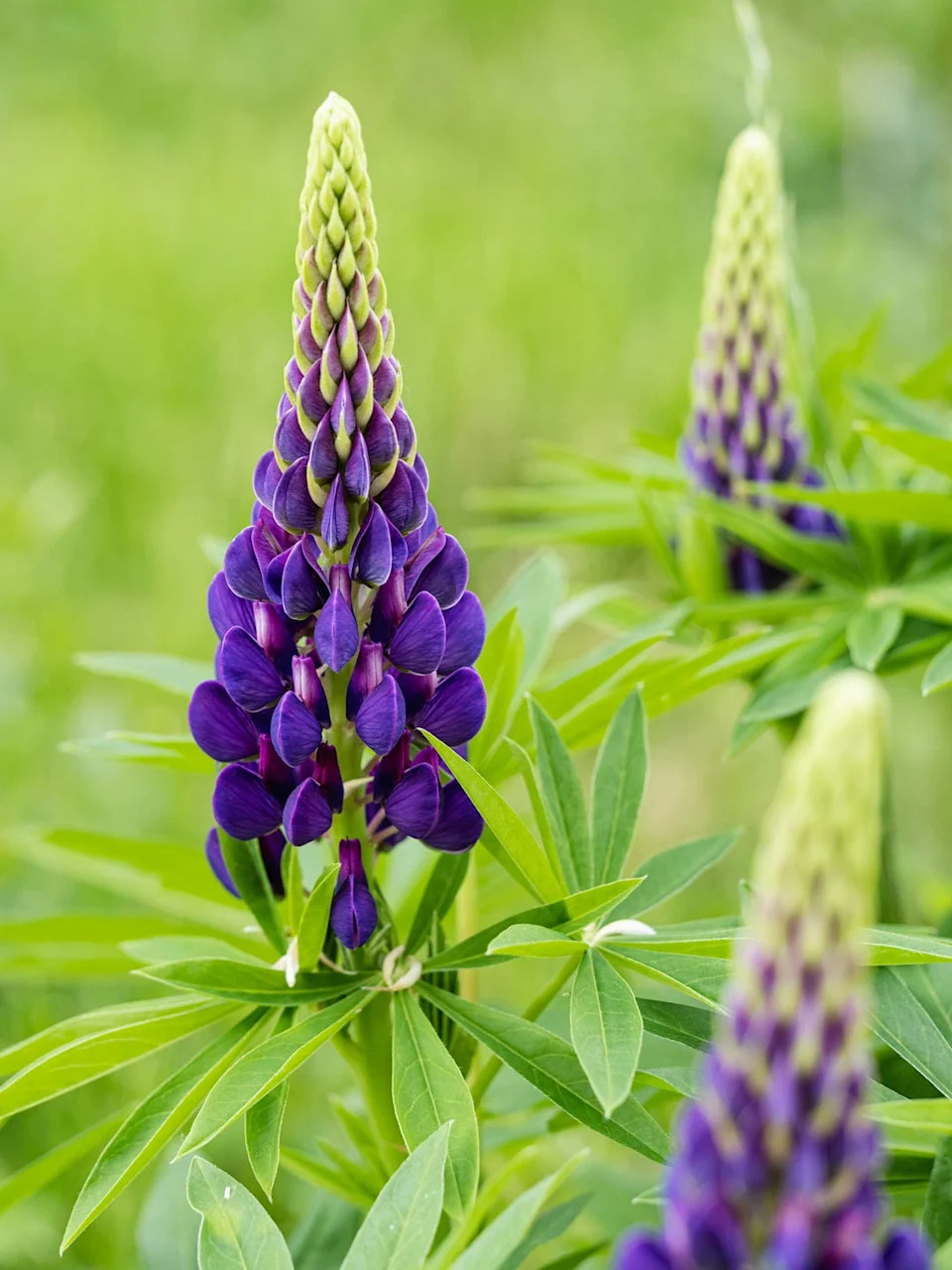
Purple Lupine (Lupinus Polyphyllus)
Thanks to their tall purple blooms, this flower adds character to any garden. They’re known for attracting hummingbirds, bees and butterflies. Keep in mind that they’re also deer-resistant.
Hardiness Zone: Zones 4-9
Sunlight: Direct sunlight
Shop Now
TorriPhoto – Getty Images
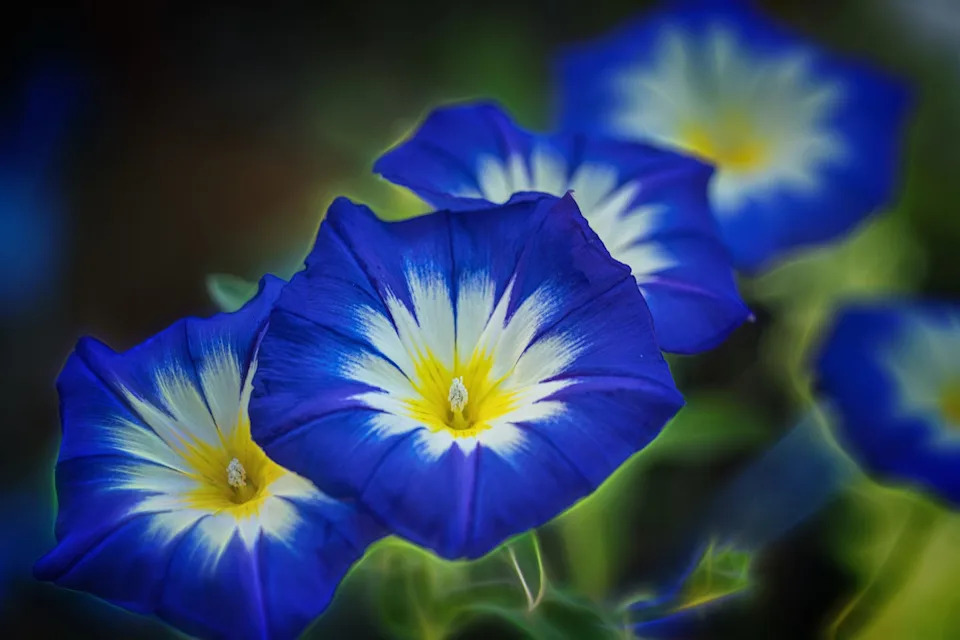
Morning Glory (Ipomoea)
Usually grown on fences and walls, morning glory vines are pretty easy to maintain, even in dryer conditions. These bright blue flowers grow on top of the vines, attracting hummingbirds with their tubular shape.
Hardiness Zone: Zones 2-11
Sunlight: Direct sunlight
Shop Now
frederic gombert / 500px – Getty Images
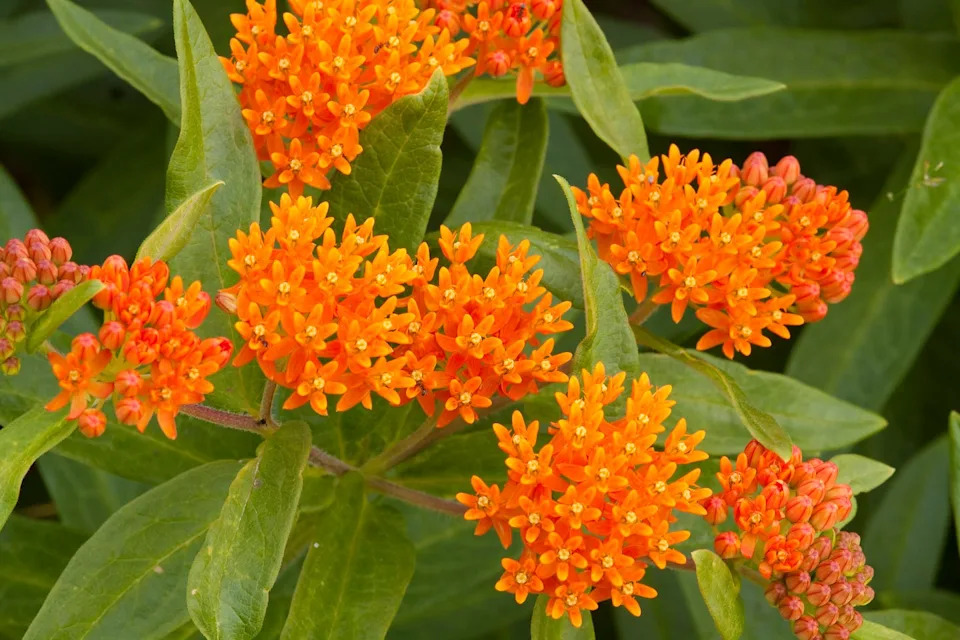
Orange Butterfly Milkweed (Asclepias Tuberosa)
Once established, orange butterfly milkweed is a pretty low maintenance (and vibrant!) addition to an outdoor space. Their bright orange color stands out amongst other plants. Plus, there are plenty of flowers for hummingbirds to feed from since they grow in clusters.
Hardiness Zone: Zones 3-9
Sunlight: Direct sunlight
Shop Now
John_Brueske – Getty Images
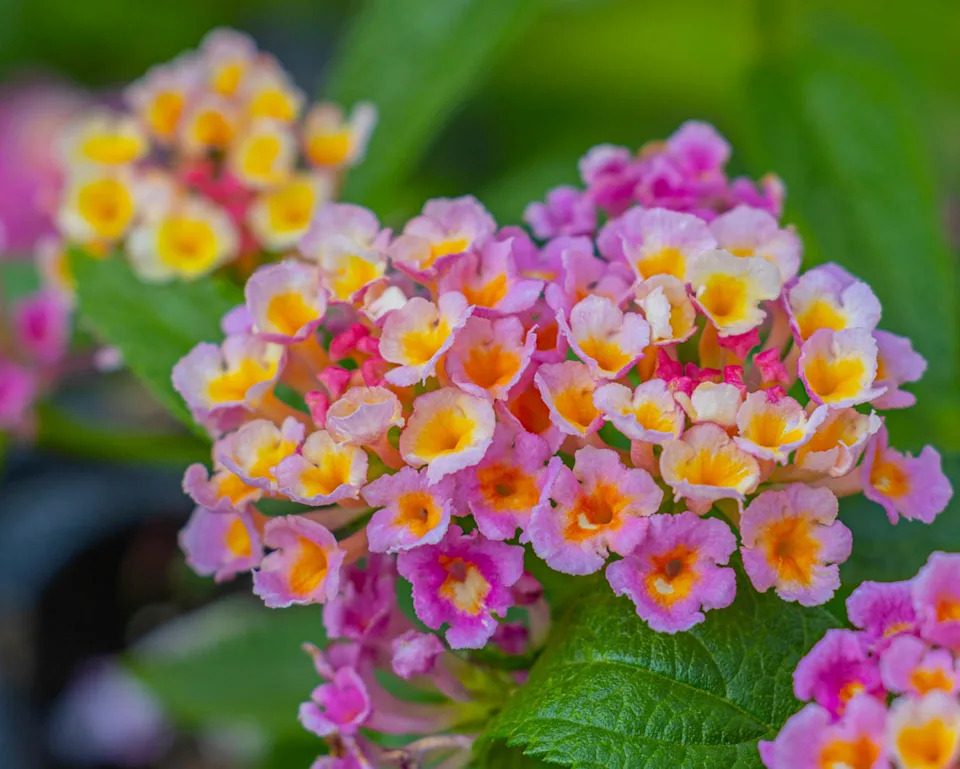
Lantana
Known for their versatility, lantana flowers bloom from spring all the way to fall, making them a consistent source of nectar for hummingbirds.
Hardiness Zone: Zones 9-11
Sunlight: Direct sunlight
Shop Now
Moelyn Photos – Getty Images
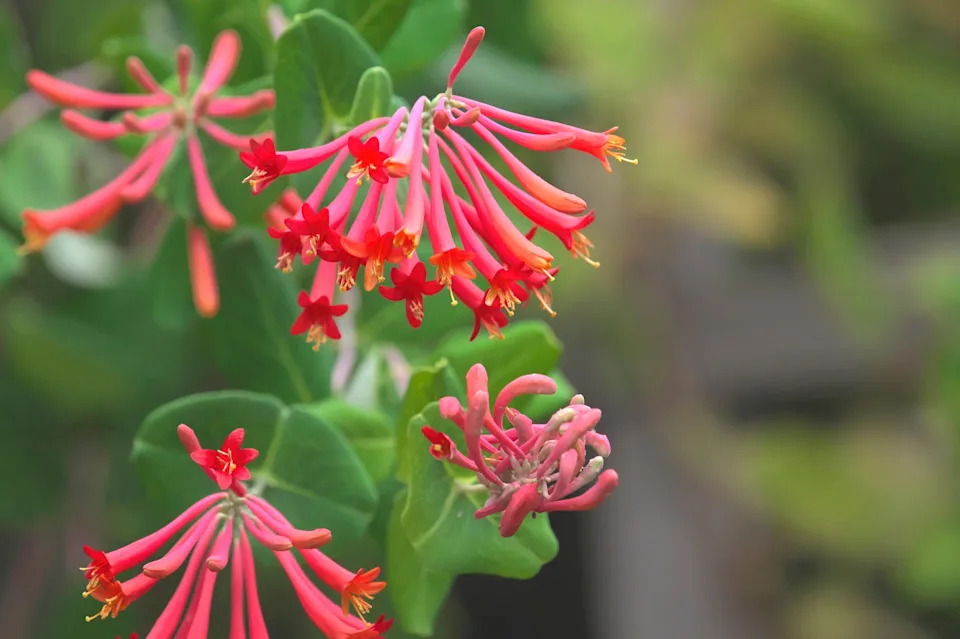
Coral Honeysuckle (Lonicera Sempervirens)
Coral honeysuckles bloom in clusters of trumpet-shaped flowers, making them a unique, charming addition to a colorful spring garden. Hummingbirds love to squeeze their long, thin beaks into these skinny openings for easy nectar access.
Hardiness Zone: Zones 4-9
Sunlight: Full sun to partial shade
Shop Now
Sharon Talson – Getty Images
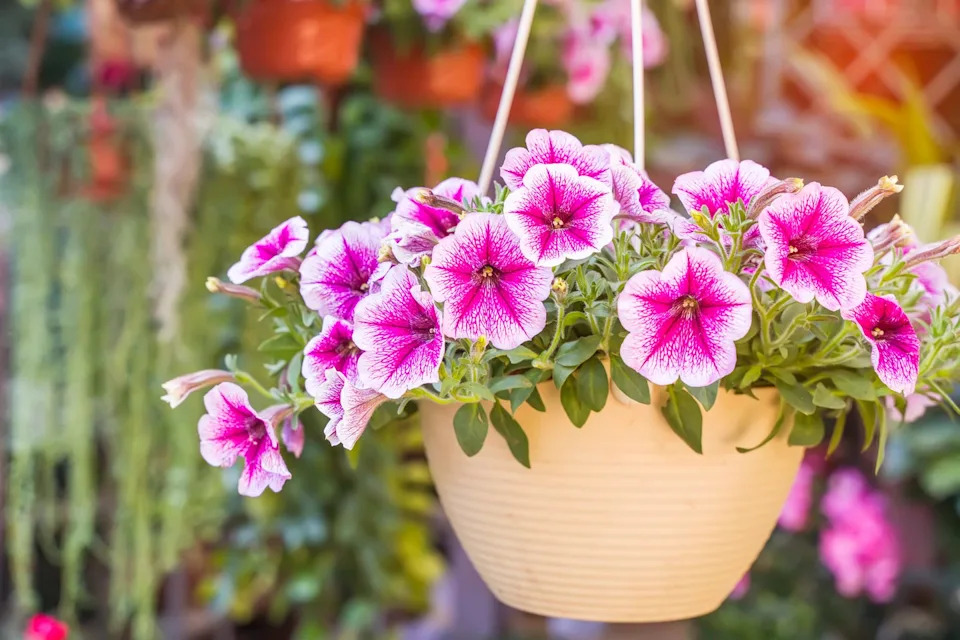
Petunia
Often seen in hanging flower baskets, petunias are popular for their long-lasting, colorful blooms. Available in all sorts of vibrant shades — pink, purple, red, blue, white, and yellow—petunias are eye candy for humans and hummingbirds alike.
Hardiness Zone: Zones 9-11
Sunlight: Direct sunlight
Shop Now
kynny – Getty Images
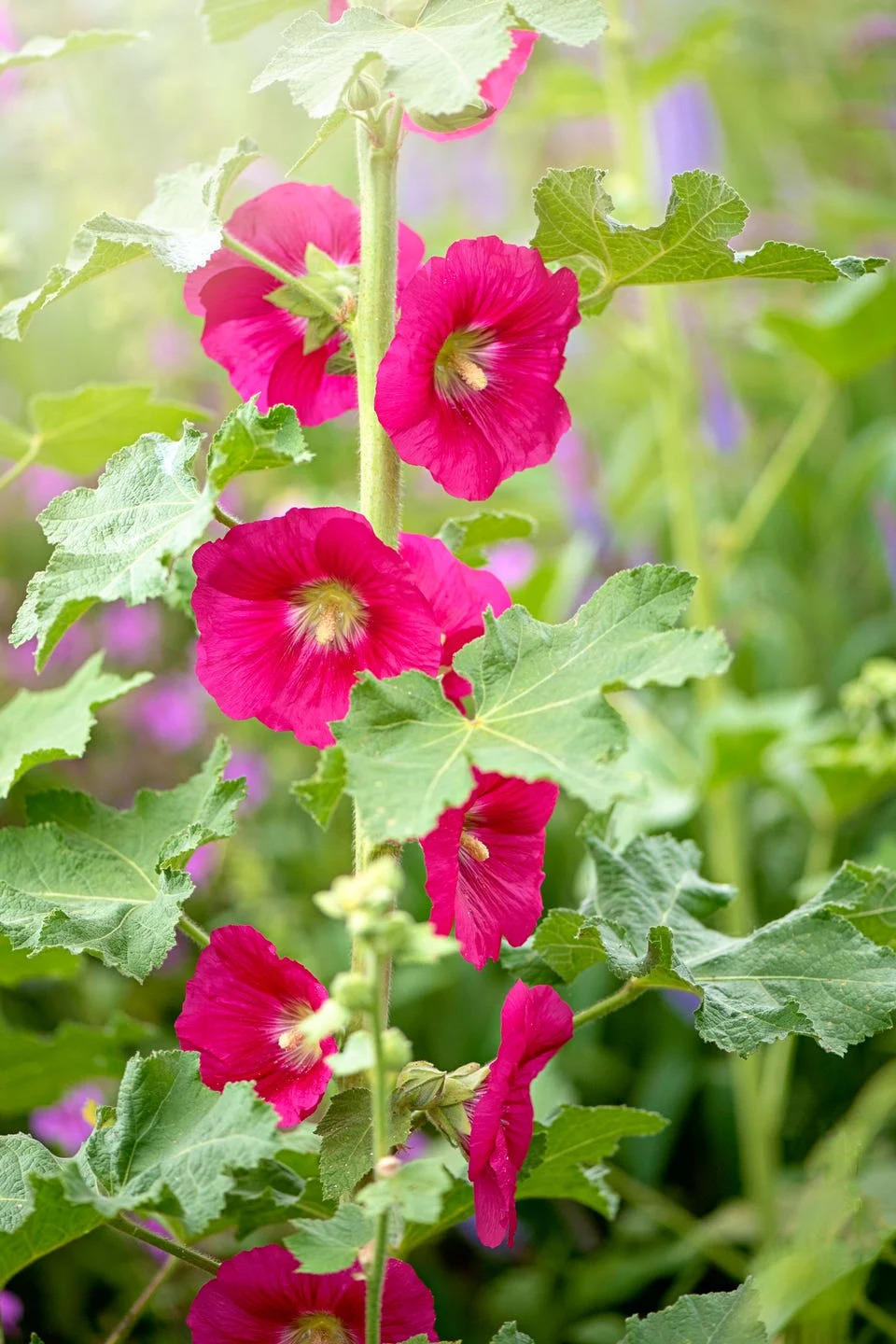
Hollyhocks (Alcea)
Looking for a taller plant to balance out your garden? Hollyhocks grow up to 6-8 feet, adding vertical height to any outdoor space. These pollinator-friendly flowers bloom in pink, red, yellow, purple, blue, white, and black.
Hardiness Zone: Zones 3-9
Sunlight: Direct sunlight
Shop Now
Jacky Parker Photography – Getty Images
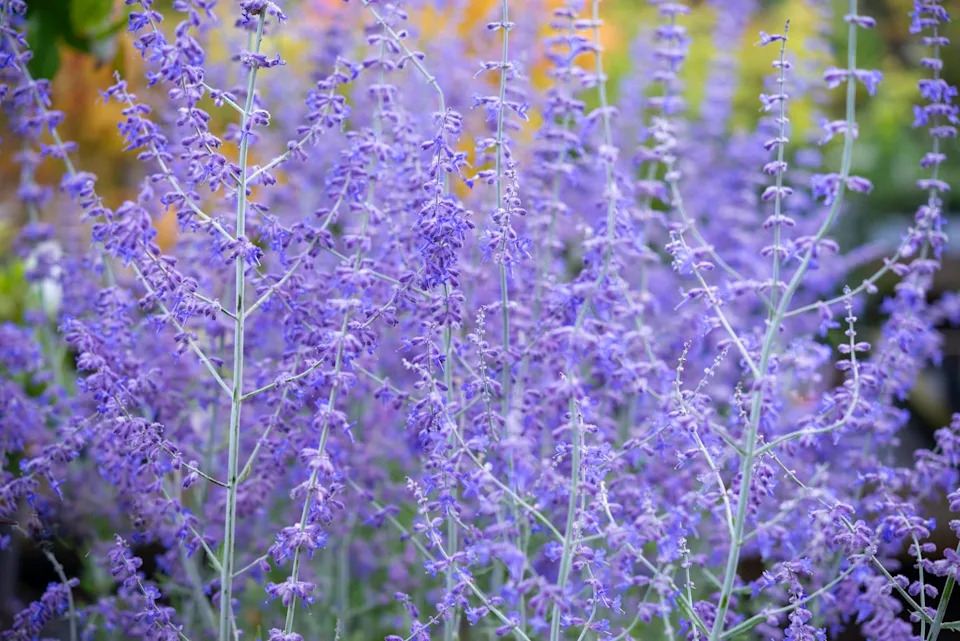
Russian Sage (Salvia Yangii)
Add some texture to your garden with Russian sage, a drought-tolerant plant that provides a lively lavender border for your yard. Plus, the abundant flowers all over the plant provide a reliable nectar source for hummingbirds from mid-summer all the way to fall.
Hardiness Zone: Zones 4-9
Sunlight: Direct sunlight
Shop Now
Photos by R A Kearton – Getty Images
You Might Also Like
Comments are closed.