
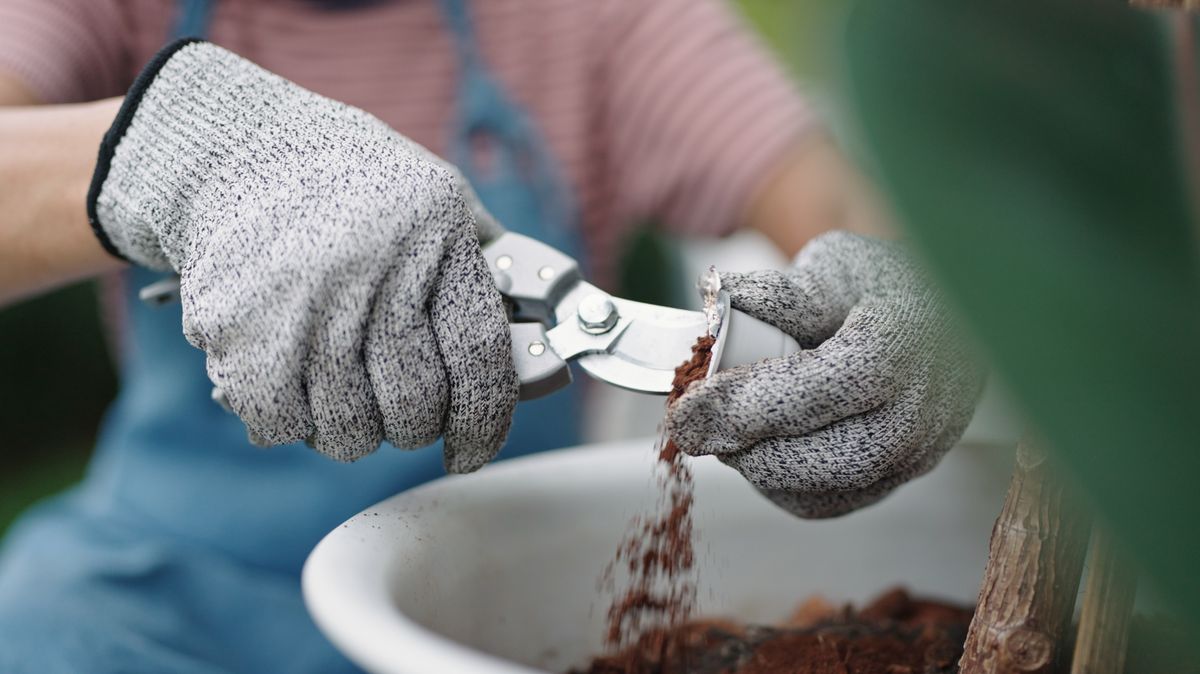
Before you throw away those used coffee grounds, you might want to use them in your garden for a number of different reasons – here is what the former Head Gardener to King Charles has to say
Using coffee grounds in the garden(Image: Getty Images)
If you have ever found yourself pondering what to do with leftover coffee grounds, don’t toss them in the bin, as they can come in handy for gardening.
With summer just around the corner, many gardeners are looking for natural, sustainable ways to nourish their plants and improve soil health in their gardens.
One often-overlooked resource that can make a big difference is something many of you already have in your kitchen: used coffee grounds.
From deterring animals to enhancing soil, former royal gardener Jack Stooks reveals the surprising ways he would use leftover coffee in the royal gardens ahead of summer.
What uses are there for coffee in the garden? How can we utilise this as the weather warms up?
“Coffee grounds can be sprinkled around the base of bird feeders. The idea is that the smell might deter squirrels. People say that this method can help.
“Another use for coffee grounds is composting. They are great to use in compost, they break down well and add to the mix, so that’s definitely something worth doing. You can also add them directly to garden beds. If you’re producing a lot of grounds, they can even act a bit like a mulch and get worked into the soil,” Jack told Coffee Friend.
Are there some places where coffee should never be used in your garden?
“Yes – coffee is acidic, so it’s really only suitable for certain types of plants. Specifically, you want to use it around ericaceous plants – things like rhododendrons, azaleas, and hydrangeas. These types of plants prefer acidic soil, so they’ll tolerate the coffee grounds well.
“But for the rest of the plants in your garden? Not ideal. You don’t really want to go overboard using coffee grounds on plants that don’t like acidic conditions. Most garden soil can handle small amounts just fine, but if you’re applying large quantities, definitely stick to acid-loving plants. Otherwise, you’re better off disposing of the grounds in the compost.
“In short, if you are unsure about the plant, the safest way to use it in the garden is in compost. It’s reliable, it helps the composting process, and you don’t have to worry about it affecting plant health in unintended ways.”
What are the effects of coffee on wildlife, insects and birds?
“Not necessarily much, to be honest – most wildlife, including pets, just don’t seem interested in it. Just like some birds will eat certain berries but completely ignore others, it really depends on whether that particular thing appeals to that species.
“There’s been some suggestion that coffee might act as a deterrent, especially for squirrels. But that just sounds quite messy to me. If you put instant coffee on a bird feeder, the moment it rains, it’s going to turn into a sticky, mucky mess. Birds will walk through it, and that mess can then turn into a breeding ground for disease, which could spread among the bird population. So it’s not just ineffective – it’s potentially harmful as sludgy grounds could lead to the spread of disease.”
Are there any methods for deterring squirrels from the garden?
“If you are looking to deter squirrels from the garden, you should use something more practical, like a child’s Slinky.
“You can simply thread it down the pole of your bird feeder, and when a squirrel tries to climb it, they simply can’t. It’s a much cleaner and safer solution than spreading coffee grounds everywhere, just in case they get wet.”
Want to see more of the stories you love from RSVP ? To add RSVP as a preferred source of news on Google, simply click here
Comments are closed.