
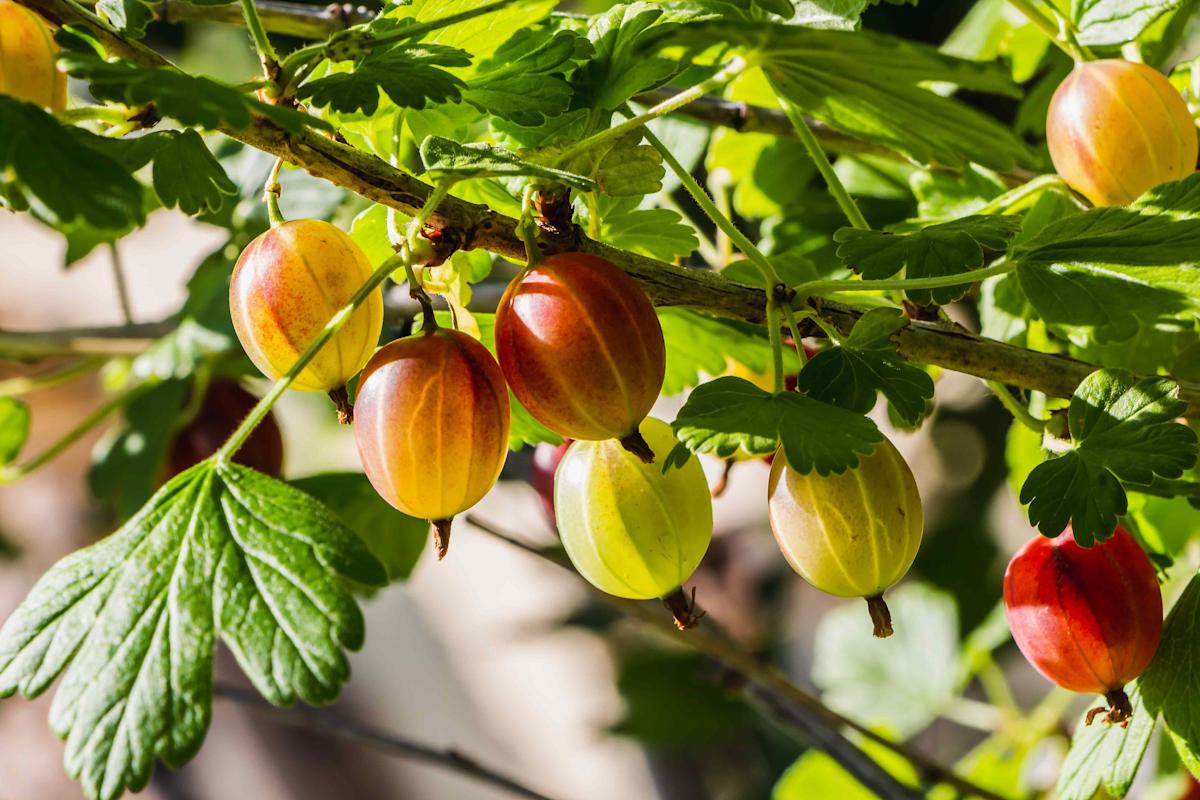
Beautiful greenery in your garden is already a win—when it produces edible fruit? Even better. However, if your landscape suffers from less-than-ideal soil quality, then you may be wondering if you can grow any edible shrubs at all.
Fear not—a few of these varieties can adapt to poor soil. Ahead, we spoke with plant experts to learn which edible shrubs you should consider planting in these challenging environments.
Meet Our Expert
Matt Tutt, an organic gardener with Aguacateros
Marina Prokaten, a plant expert at Plantum
Jessica Mercer, a horticulturist with Plant Addicts
Related: 9 Fast-Growing Fruit Trees That Thrive In Pots for a Quick and Convenient Harvest
01 of 07
Oregon Grape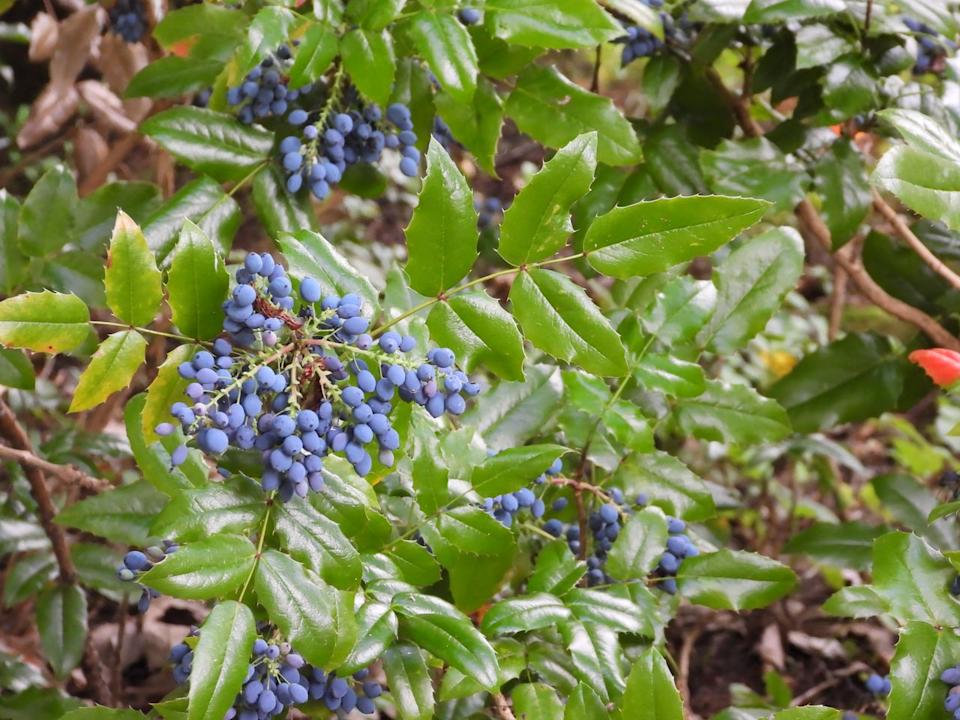
Credit: Dmytro Ostashuk / 500px / Getty Images
While not related to the kinds of grapes we’re most familiar with, the Oregon grape shrub (Berberis aquifolium) is highly resilient and can flourish in poor soils. It produces showy clusters of yellow flowers before yielding small blue fruits, according to Matt Tutt, an organic gardener with Aguacateros.
“In terms of plant care, they are very unfussy, and given enough time, they can become quite large bushes if you don’t prune them back every few years,” he says.
This shrub can endure poor or rocky soil, and is even drought-tolerant in the summer, so long as it’s in the shade. The fruit produced is seedy and can be “a little sharp,” according to Tutt, who recommends using honey or sugar to make the berries more palatable.
Size: 3 to 6 feet tall; 3 to 5 feet wide
Care requirements: Partial to full shade; low to medium water in well-draining soil; drought-tolerant once established
02 of 07
Lamarck’s Juneberry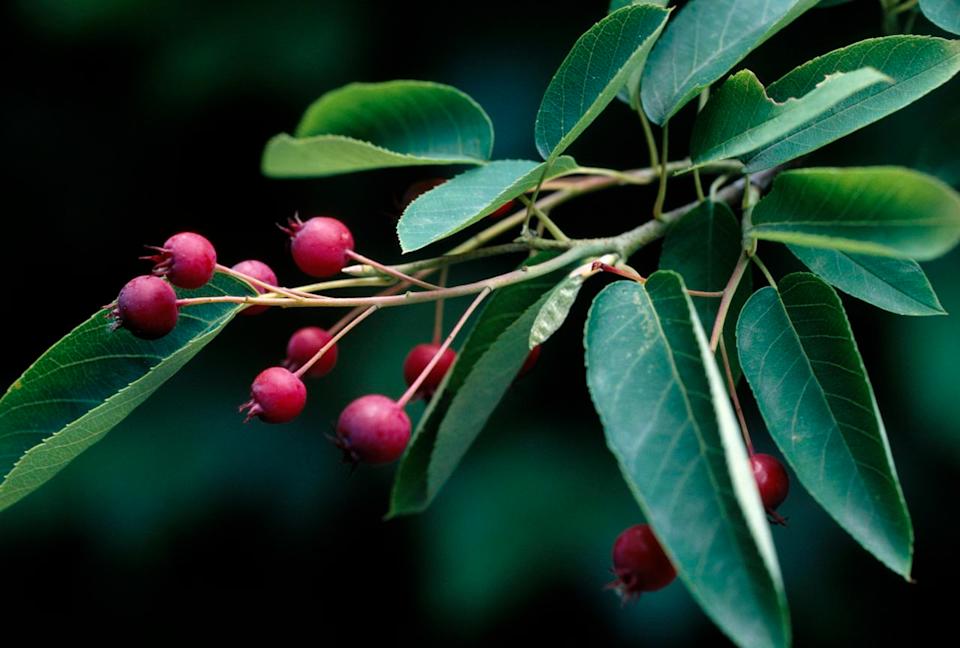
Credit: Rudolf KONIG / Contributor / Getty Images
Lamarck’s juneberry (Amelanchier lamarckii) is a large, deciduous shrub—it can grow up to 26 feet tall, according to Marina Prokaten, a plant expert at Plantum.
“These adaptable plants aren’t too picky about the soil they grow in,” she says. “While they’ll happily put down roots in almost any soil type, they do show a preference for fertile, well-drained soil.”
Lamarck’s juneberry produces honey-scented white flowers in early to mid-May before moving on to dark purple, berry-like fruit that fully ripens in July and August, says Prokaten. The shrub is highly adaptable and low-maintenance when it comes to water, too.
“They’re quite happy to fend for themselves most of the year, even going for extended periods without a drink,” she says. “Only during those scorching summer months, particularly when those luscious berries are plumping up, should you consider giving them a good soaking—think of it as a reward for their hard work.”
Size: 15 to 26 feet tall when fully mature
Care requirements: Full sun to partial shade; low water in consistently moist, well-draining soil, but can adapt to other soil conditions; drought-tolerant
03 of 07
Elderberry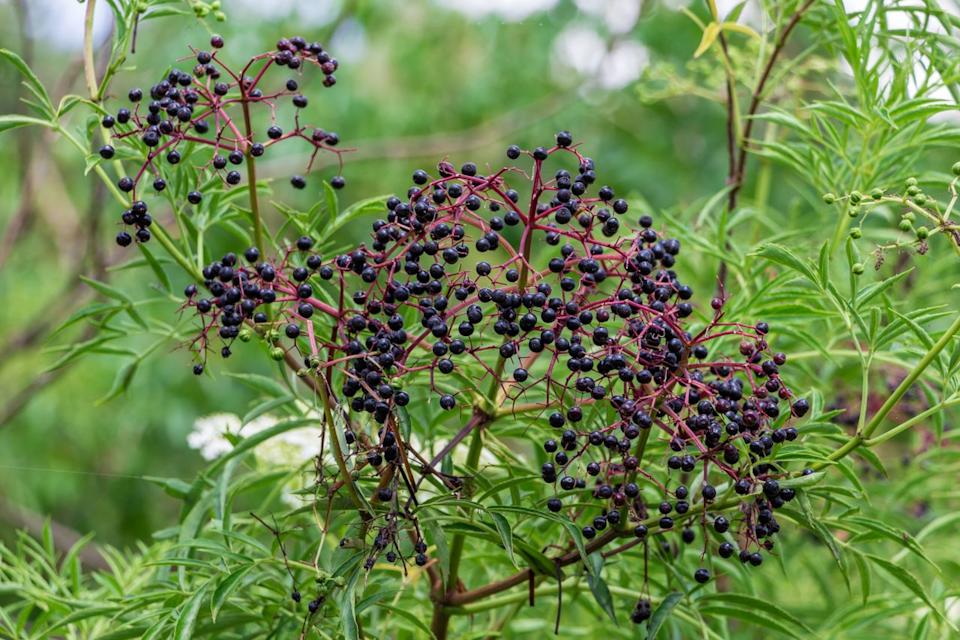
Credit: Sunshower Shots / Getty Images
Elderberries (Sambucus spp.) are prized as an integral ingredient in jams, jellies, soups, and chutneys. Its flowers are commonly transformed into delicious syrups and other products, such as the elderflower liqueur St. Germain, which is used in any number of popular cocktails.
Make sure to always cook the fruits, though. “Never eat raw elderberries: they are mildly poisonous and may cause stomach upsets,” she says.
You don’t need to worry about soil quality when planting elderberries. “This spreading shrub is suitable for sandy, loamy, and clay soils with different acidity levels,” says Prokaten.
Amend your soil with good-quality compost before planting for an extra boost, and keep the soil medium to moist for optimal growth.
Size: 5 to 12 feet tall; 6 to 10 feet wide
Care requirements: Full sun to partial shade; moist, well-draining soil
Related: 8 Native Plants You Can Eat, From Prickly Pears to Pawpaws
04 of 07
Sea Buckthorn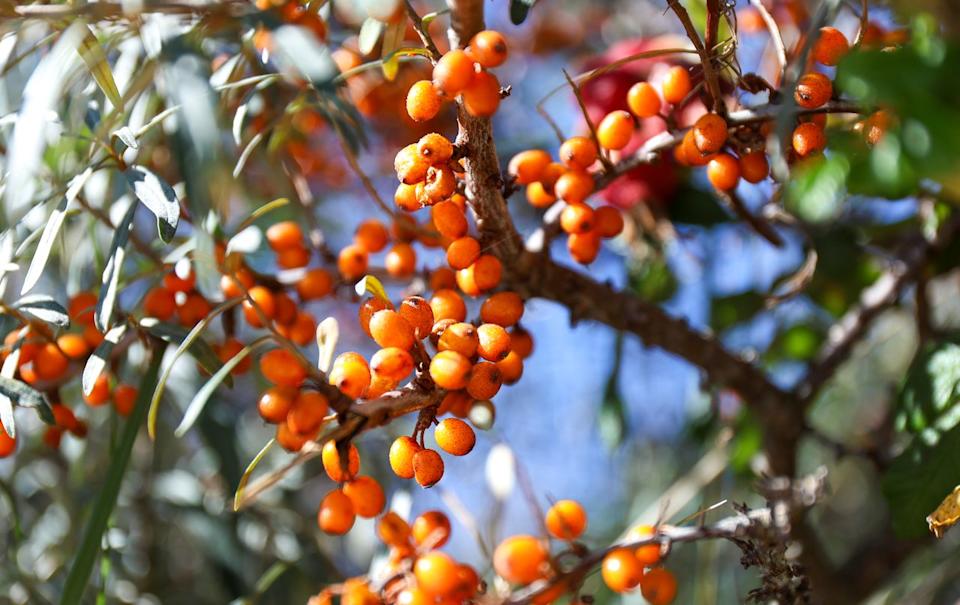
Credit: Viktoriia Paniot / Getty Images
The sea buckthorn (Hippophae rhamnoides) is a hardy deciduous shrub. It produces small orange berries that are rich in vitamins C, B, and B12, says Prokaten. As such, the berries offer a range of nutritional and immune-boosting benefits and can be made into jams, jellies, and pies.
“This shrub can adapt to virtually any soil, even if it’s poor,” Prokaten says. “Go for clay, sand, or loam—any type of soil you like, essentially. Make sure it has excellent drainage.” Sea buckthorn needs fairly consistent watering; it likes somewhat wet soil. “Wait till the top layer of the soil dries up before watering it again,” she says.
Size: 8 to 12 feet tall and wide
Care requirements: Full, direct sun; consistent watering and well-draining soil
05 of 07
Honeyberry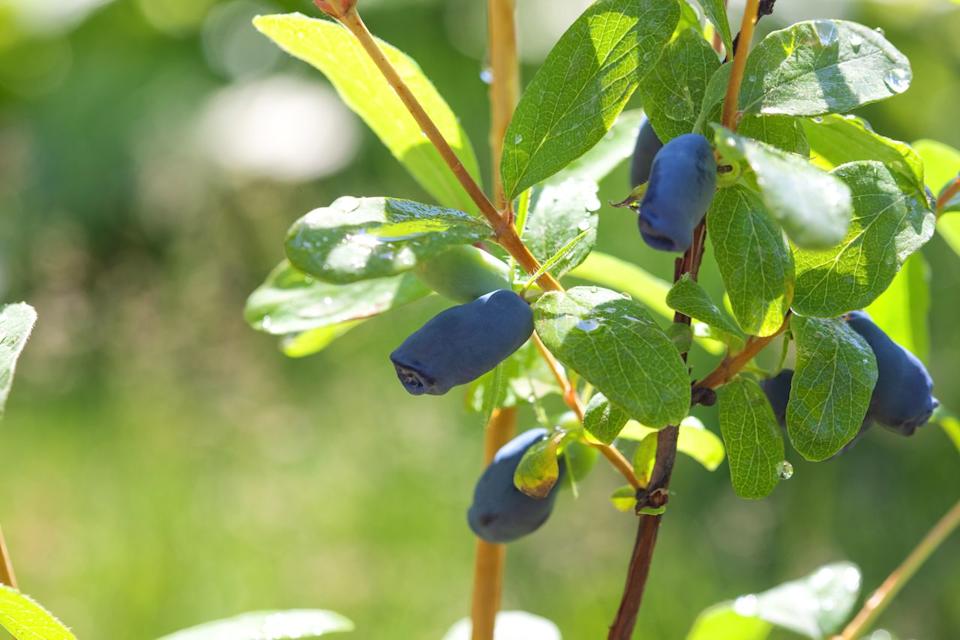
Credit: dimid_86 / Getty Images
Edible honeyberry shrubs (Lonicera caerulea), also known as haskap berries, are hardy, deciduous plants that produce highly nutritious fruits.
“Honeyberry is a wonderful option if your soil is poor and your garden is in a cold climate,” says Jessica Mercer, a horticulturist with Plant Addicts. “It is much less picky about soil pH than blueberries, so it can handle ordinary garden soil without needing special soil amendments.”
These shrubs require cross-pollination to produce fruit, so plant at least two compatible varieties close together. Mercer recommends growing it in morning sun in hot areas, or full sun in cooler regions.
Size: 4 to 6 feet tall; 4 feet wide
Care requirements: Full sun to partial shade; moist, well-draining soil; drought-tolerant once established
06 of 07
Goji Berry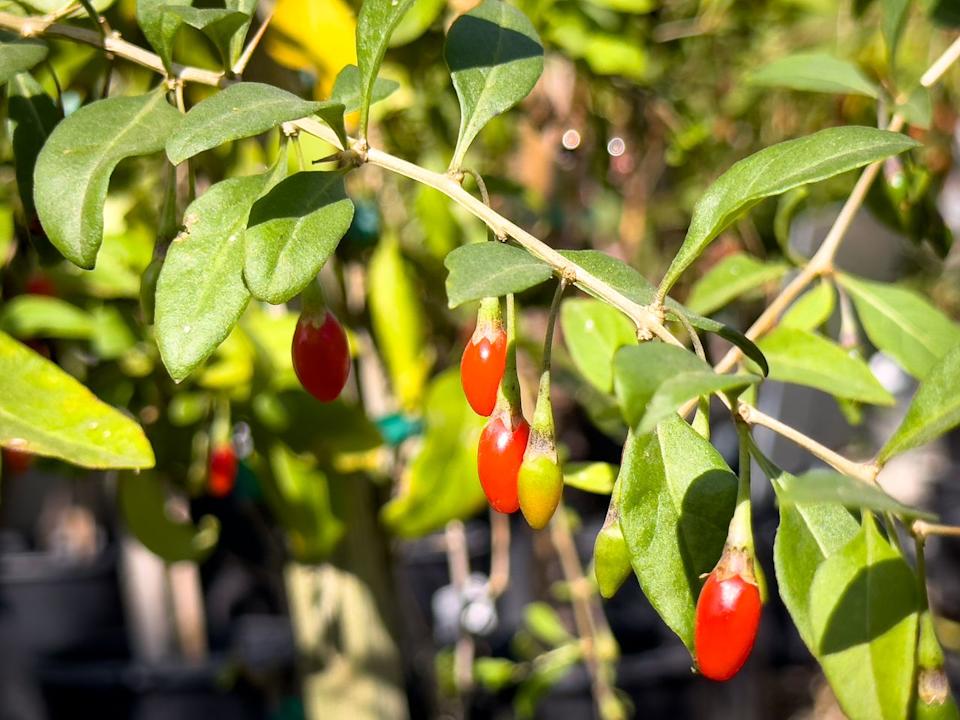
Credit: Photography By Tonelson / Getty Images
Goji berries (Lycium barbarum) are nutrient-dense superfruits.
“It’s one of the easiest shrubs for dry, poor soil,” Mercer says. “Once established, it handles drought and adapts to a wide range of soil textures.” Mix goji berries into cereal, yogurt, or even smoothies for a nutritional boost.
However, goji doesn’t perform well in heavy clay soils. You’ll also want to plant it in full sun. “Prune it yearly to keep it from turning rangy and suckering,” she says.
Size: 6 to 10 feet tall; 4 to 6 feet wide
Care requirements: Full sun; moist, well-draining soil; drought-tolerant once established
Related: Are Goji Berries a Superfood? Here’s What You Need to Know About the Tangy Fruits
07 of 07
Gooseberry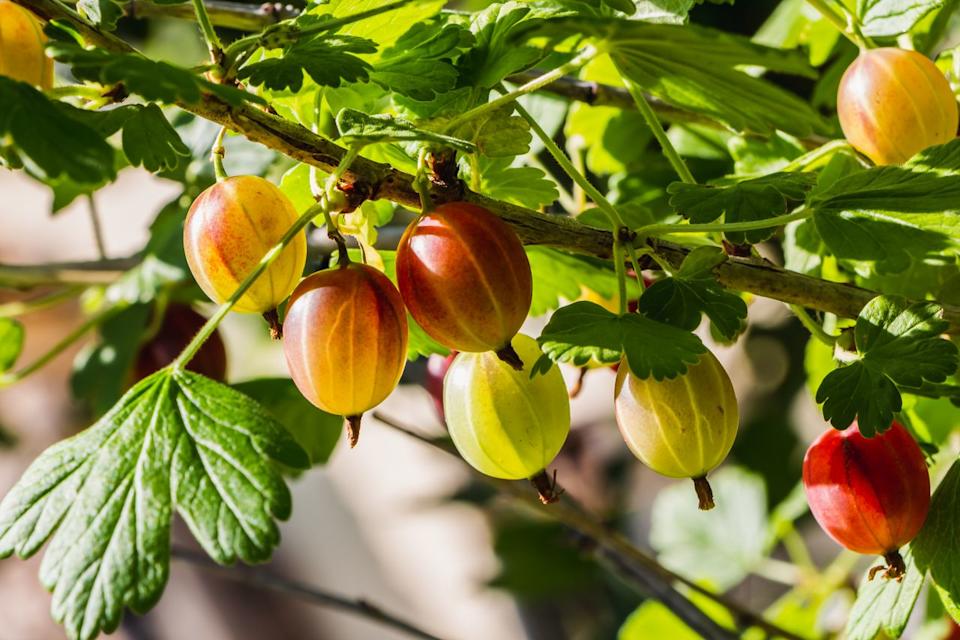
Credit: Tatiana Kuklina / Getty Images
Gooseberry shrubs are fairly adaptable to different soil types, though they do prefer rich soil. If you have poor soil and want to start some gooseberry shrubs, consider amending it with good-quality compost.
These hardy shrubs like cooler climates, and produce sweet berries that are typically harvested in two stages. A first crop of underripe green berries can be harvested and used to make jams and jellies.
Harvesting some that are underripe helps weed out competition for mature berries. Later, those fully mature gooseberries can be harvested and eaten fresh or made into pies.
Keep your gooseberry shrub well-watered, and be sure to prune it—some varieties of this shrub have fairly spiny branches that can make harvesting berries uncomfortable without gloves.
Size: 3 to 5 feet tall; 3 to 6 feet wide
Care requirements: Full sun to partial shade; consistently moist, well-draining soil; aim for 1 to 2 inches of water per week
Read the original article on Martha Stewart
Comments are closed.