
 May is the time to start working on the garden. Sonoma County Gazette file photo.
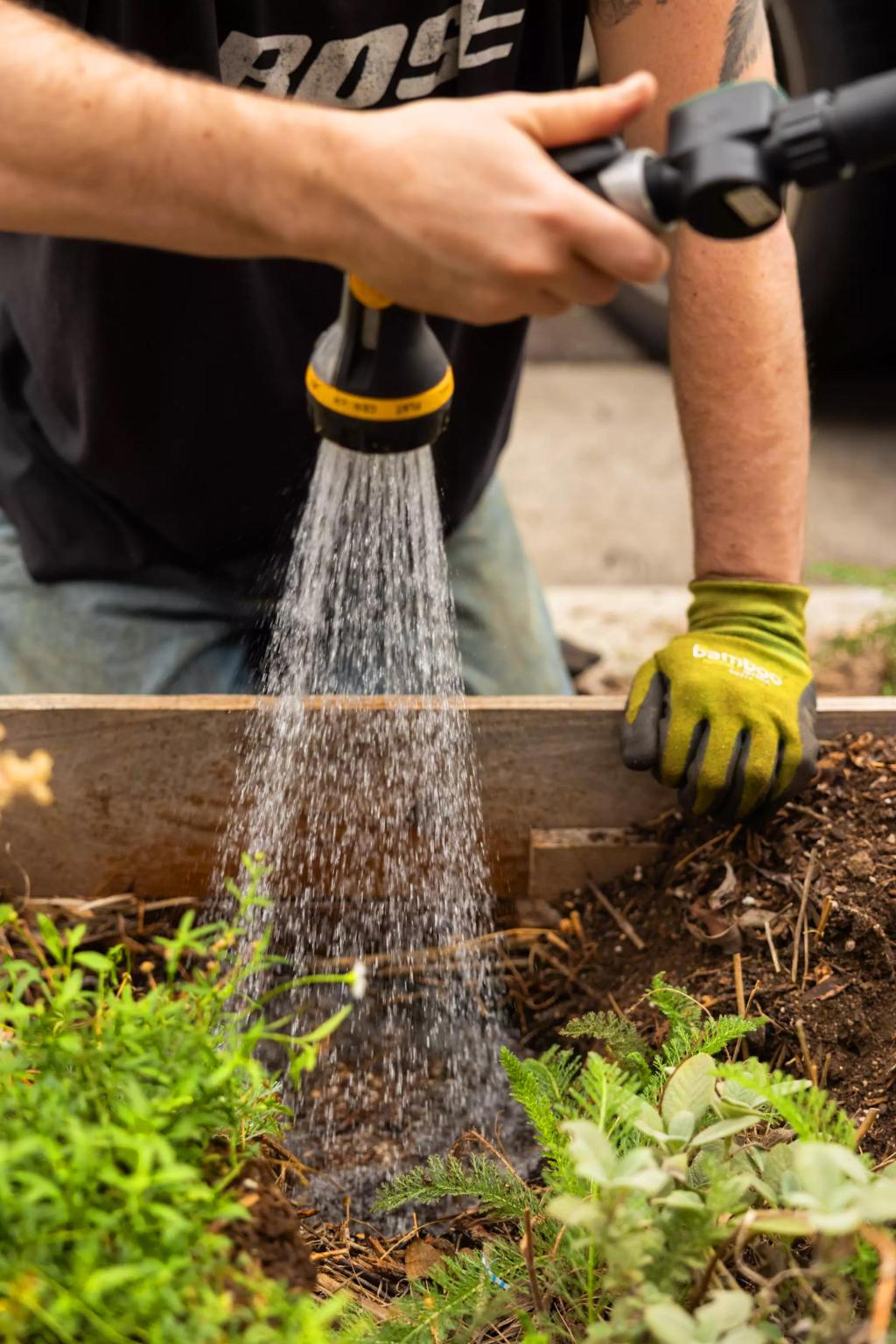
Master Gardeners have a mantra: compost, compost, compost, mulch, mulch, mulch! We emphasize the importance of both compost and mulch in gardening because each serves distinct yet complementary roles in enhancing soil health and managing weeds. May is a busy time in the garden, and we can’t emphasize enough the use of compost and mulch as you go about completing your gardening tasks. Here are some of the benefits:
Compost
Nutrient Enrichment: Compost improves soil fertility, making it an excellent organic fertilizer.
Soil Structure: It enhances the physical, chemical and biological properties of the soil, promoting better root growth and water retention.
Microbial Activity: Compost introduces beneficial microorganisms that help suppress soil-borne diseases.
Mulch
Moisture retention: Mulch helps maintain consistent soil moisture by reducing evaporation.
Weed suppression: A layer of mulch blocks sunlight, preventing weed seed germination and reducing competition for nutrients.
Soil protection: It reduces soil erosion and crusting, especially during heavy rainfall.
Plant
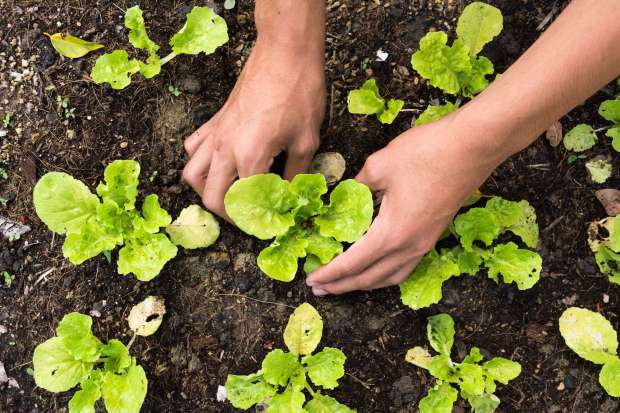
By May, spring rains have usually subsided and the temperatures are warming up. It’s the time we gardeners have been waiting for — planting! Veggie starts and flowering annual and perennial plants should be readily available in nurseries and garden centers. In the veggie garden, it’s time to plant beans, cucumbers, eggplant, kale, lettuce, melons, peppers, squash and tomatoes.
When choosing starts, don’t buy a plant that is already forming fruit — it has been in the container too long. Tomatoes and peppers should be wider than they are tall. In addition to choosing healthy green foliage, check that the plant’s roots aren’t matted by gently easing it out of the container to verify. Consider choosing varieties with fewer days to maturity and are labeled “drought-resistant” or “drought-tolerant” in the description.
Seedlings started indoors will need to be acclimated before they can be transplanted to garden beds. First, harden off transplants by setting pots outdoors during the day and moving them indoors at night for a few days, then leave them outdoors for several more days. Tender seedlings may succumb to drastic changes in temperature.
Edible flowers and beneficial insects in the garden
Add edible flowers to your garden for a pop of color and to attract beneficial insects that pollinate the garden and provide an ecological balance to harmful pests. These include carnations, violas, lilacs, roses, lavender, marigolds and nasturtiums. You can also enjoy the flowers of herbs such as rosemary, basil, thyme and sage. If you don’t have a dedicated vegetable garden, consider planting a few veggies in the ornamental garden. Leafy greens in particular make attractive additions to beds and borders.
Beneficial insects feed on common garden pests like aphids and caterpillars.; to attract them to your garden, include plants that provide nectar and/or pollen. Preferably, choose low-water plants such as California pipevine, yarrow, thyme, salvia (sage), lavender, rosemary and dwarf germander. For suggestions for plants that attract beneficial insects go to: https://tinyurl.com/bdhrwjjr
Prune, deadhead, tidy
Overly vigorous fruit trees, trees that are too large or fruit trees that were not sufficiently pruned because of the wet winter, may be summer-pruned from the end of May into June or July. Pruning reduces the production of fruit, but less fruit requires less water. Cherries and most peaches can be pruned after the fruit is harvested. At a minimum, remove upright waterspouts emerging from branches and suckers from the tree roots or base. These thin branchlets don’t flower or fruit and they compete for water and nutrients.
Most fruit trees benefit from fruit thinning; a favorable fruit-to-leaf ratio promotes large fruit. In general, space fruit every 4-6 inches along a branch or leave one fruit per spur, but keep the largest fruit even if unevenly spaced. Remove small and damaged fruit. Cherry trees are an exception, as they don’t need fruit thinning.
Deadhead and prune azaleas, rhododendrons and camellias after they’ve finished blooming. During the spring and summer, feed these shrubs monthly with a balanced organic fertilizer formulated for acid-loving plants.
Prune all spring-flowering trees and shrubs when bloom is past. Tidy up spent wildflowers. Rather than pulling them all up, you may want to let some go to seed. You can also collect the seeds for planting in the fall.
Harvest garlic
It may be time to harvest the garlic you planted last fall. If about half of the tops of the garlic bulbs have died back or are falling over, it’s time to harvest. To avoid cracking the garlic open, lift or dig bulbs out of the soil rather than pulling them. Allow bulbs to dry outdoors in the sun for two to three weeks until skins become papery. Gently clean the cured bulbs with a soft bristle brush, taking care not to strip off the papery skin. Cut off roots to about 1 inch. Store in a cool, dark, dry place.
Contributors to this week’s column were Joy Lanzendorfer and Debbie Westrick. The UC Master Gardener Program of Sonoma County sonomamg.ucanr.edu/ provides environmentally sustainable, science-based horticultural information to Sonoma County home gardeners. Send your gardening questions to scmgpd@gmail.com. You will receive answers to your questions either in this newspaper or from our Information Desk. You can contact the Information Desk directly at 707-565-2608 or mgsonoma@ucanr.edu. To receive free gardening tips and news about upcoming events, sign up for our monthly newsletter: https://tinyurl.com/y3uynteb
Comments are closed.