
This story is part of the WHYY News Climate Desk, bringing you news and solutions for our changing region.
From the Poconos to the Jersey Shore to the mouth of the Delaware Bay, what do you want to know about climate change? What would you like us to cover? Get in touch.
Perfectly manicured green lawns have been ingrained in landscape culture in the U.S. since its founding. But grass yards can contribute to runoff pollution and reduce natural habitat for pollinators and birds.
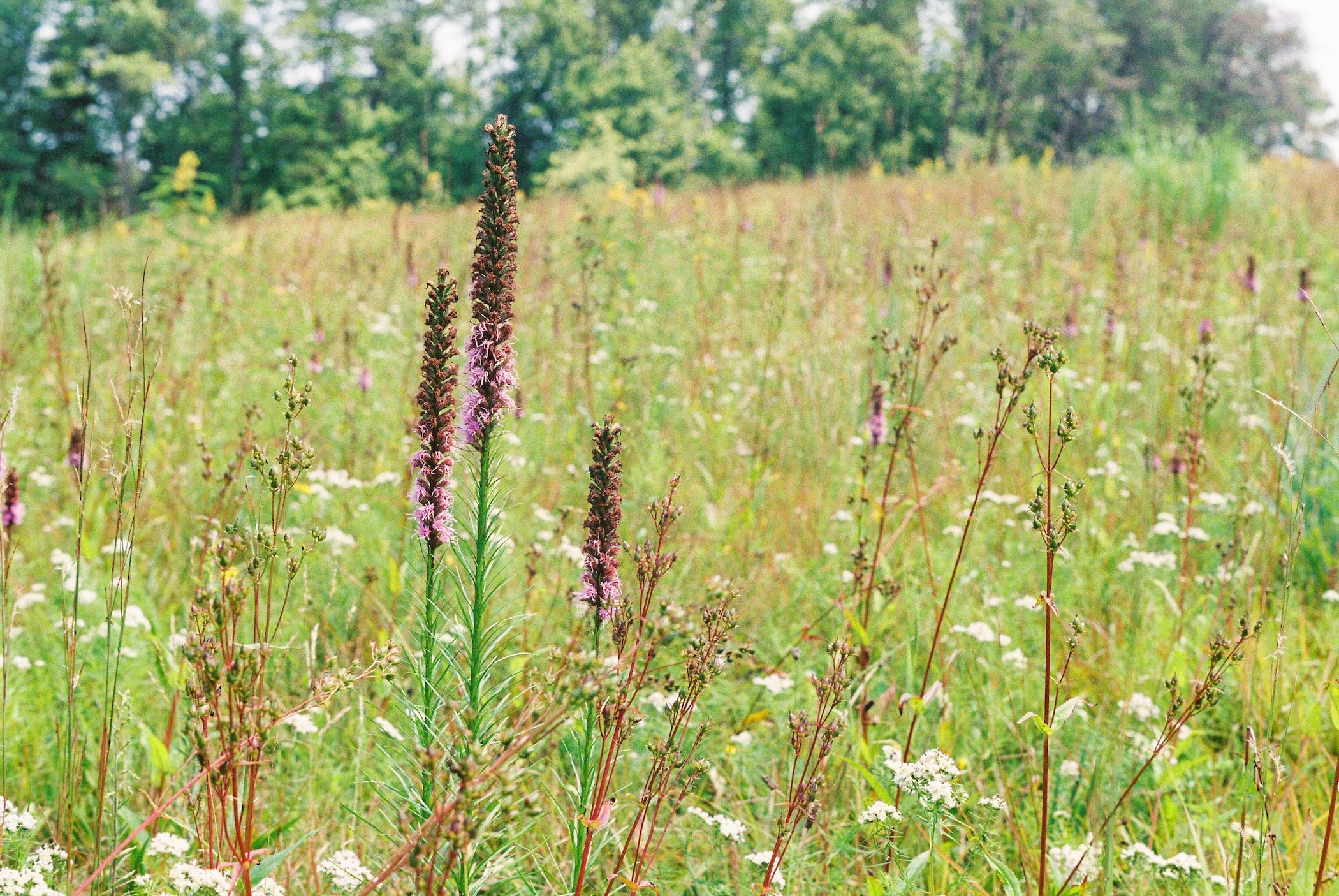
There’s an effort in Pennsylvania to encourage homeowners to convert their lawns into meadows by planting native plants that soak up stormwater and attract wildlife.
The state’s Department of Conservation and Natural Resources is offering new “Pocket Meadow Kits” for Pennsylvania residents who want to convert their yards.
“Pocket Meadow Kits give residents a simple and accessible way to transform small areas of lawn into thriving native habitat that supports pollinators, improves stormwater absorption, and strengthens biodiversity in communities across Pennsylvania,” said DCNR Secretary Cindy Adams Dunn in a statement. “DCNR is proud to offer this free resource so more people can explore native planting and take meaningful steps toward creating healthier landscapes at home.”
Since 2020, DCNR has provided funding for residents and businesses who want to convert their lawns to meadows. However, the program has focused on properties of at least half an acre.
The agency wants to increase its reach to homeowners with smaller properties, said Kelsey Mummert, the Lawn to Habitat program coordinator with the Bureau of Forestry.
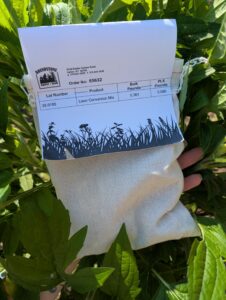 Pennsylvania’s Department of Conservation and Natural Resources is offering free “Pocket Meadow Kits” for residents who want to convert their lawns into meadows. (Courtesy of the Pennsylvania Department of Conversation and Natural Resources)
A total of 300 free kits will be distributed across Pennsylvania in mid-May. They will include seed mixes for tall native grasses and wildflowers, as well as educational resources that teach homeowners how to remove their lawns, plant seeds and maintain their meadows.
“There are a lot of people who are really interested in native plants, but they don’t really know where to start, or they don’t really have the means to do it,” Mummert said. “One of my goals with our Land to Habitat program, and especially with these kits, is to just normalize native plants and their place on the landscape, and to show people that ecological restoration is something that they can do. Everyone can participate in this.”
Comments are closed.