
“Hearst Magazines and Yahoo may earn commission or revenue on some items through these links.”
You probably started gardening because you wanted a beautiful yard and a relaxing hobby. But if maintaining the garden has you more stressed than relaxed, it may be time to rethink your approach. That’s where the low-effort chaos gardening trend comes in. With more than 23,000 videos under the “chaos gardening” tag on TikTok (and plenty more on Instagram), it’s clear that this gardening trend is appealing to many people.
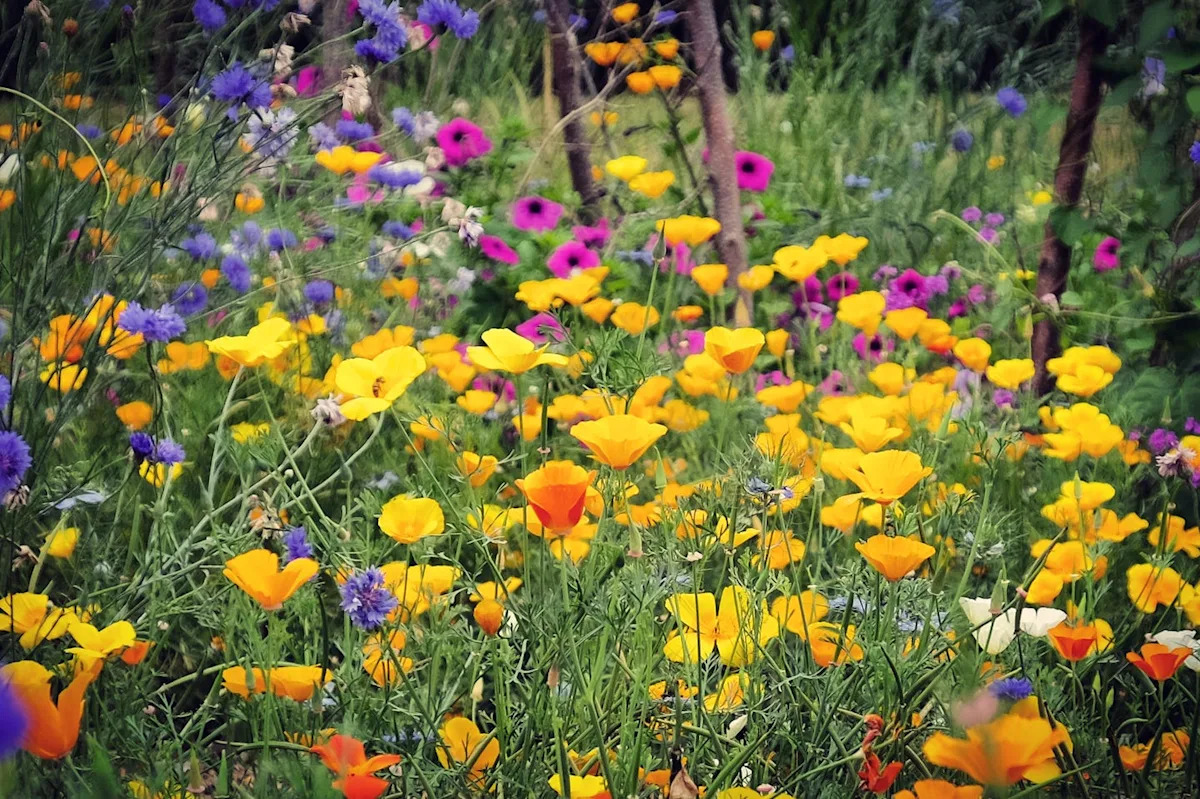
This laid-back approach to gardening gets back to basics. Rather than planting things in a curated way, chaos gardening (as the name implies) basically encourages gardeners to let flowers, fruit, and vegetables grow wherever they may.
While this method is more hands-off than many types of gardens, it does require a little bit of work to pull off. You’ll want to do research to figure out what types of plants will succeed in your area with this approach. Plus, experts say that even a chaos garden needs some tending if you want to see those beautiful blooms or eat home-grown vegetables. In fact, a little bit of structure is actually recommended for a chaos garden.
Below, gardening experts explain everything you need to know about the chaos gardening trend, including tips for success and potential pitfalls to be aware of.
What is chaos gardening?
Chaos gardening embraces a more natural, less controlled approach. The easy-care gardening method often involves sprinkling a variety of seeds around the garden without organization or perfectly spaced rows.
Gardeners blend flowers, herbs and vegetables and allow them to grow where they may. “It takes very little effort to maintain a chaos garden throughout the growing season — and that’s the beauty of it,” says Linda Vater, an Oklahoma-based garden designer. Plants find their own space with minimal intervention, often resulting in a lush and delightfully low-maintenance garden.
While the term may sound modern, the concept has roots in centuries-old practices. Before the rise of formal gardens with their symmetrical beds and clipped hedges, many traditional gardens — especially cottage and wildflower gardens — thrived in a more organic, free-flowing style. These early gardens celebrated abundance, diversity and spontaneity, starkly contrasting the tidy, curated look popularized in later European landscapes.
Why’s it trending?
This phenomenon isn’t new to home gardeners — or to nature itself. After all, self-sowing is how many plants naturally spread and thrive. What gardener hasn’t stumbled upon a surprise squash vine curling along the edge of a compost pile or a volunteer zinnia blooming where no one remembers planting it?
With chaos gardening, the difference lies in its intentionality. Its recent resurgence can be credited, in part, to social media platforms like TikTok, where garden influencers have brought the care-free gardening approach into the spotlight. What began as a quirky term to describe unexpected gardens has grown into a celebrated style.
How to create a chaos garden:
✔️ Pick the perfect spot. Choose a sunny or partly sunny area with decent drainage. Your chaos garden doesn’t need a perfectly manicured location — just a space where plants can thrive with minimal interference.
✔️ Loosen up the soil. While chaos gardening thrives on spontaneity, a little initial prep helps. Loosen the soil with a rake or hoe to help seeds settle in. You don’t need to go overboard — just clear away heavy weeds or debris and rough up the top few inches.
✔️ Select your plants wisely. Choose plants that suit your region and growing conditions. Focus on a mix of hardy, pollinator-friendly plants, with about 75% native varieties and 25% non-natives for a healthy, balanced garden. But remember, native doesn’t always mean better. It’s a common misconception that all native plants are inherently beneficial. In reality, some natives can grow aggressively and outcompete other species, disrupting the very ecosystems they’re meant to support.
Instead of focusing solely on what’s native, entomologist and native plant advocate Doug Tallamy encourages gardeners to consider whether plants contribute to the ecosystem, rather than simply labeling them as native or non-native. That means selecting species that offer food, habitat or support for pollinators, birds and other wildlife. A well-rounded chaos garden is one that nurtures biodiversity.
✔️ Scatter seeds. Mix your seeds in a bucket and scatter them freely across your prepared soil. Lightly rake them in or water gently to help them settle.
✔️ Add a little structure with shrubs. Chaos doesn’t mean completely unplanned. “Rather than fussing over high-maintenance plants, a chaos garden should be a tribute to easy elegance,” says Vater. She recommends anchoring your garden with low-maintenance shrubs with evergreen color and unique foliage without demanding frequent pruning or watering.
✔️ Follow your instincts. Don’t feel boxed in by strict design rules. “At the garden center, simply allow your eye to guide you to the plants that pull at your heartstrings,” Vater says. “Chaos gardening is the perfect excuse to try something new and totally unexpected for your landscape.”
Darrell Gulin – Getty Images
What’s the advantage of chaos gardening?
Chaos gardening can be surprisingly good for the environment. Mixing various plants and letting them grow freely supports pollinators, birds and beneficial insects, creating a mini-ecosystem right in your backyard. This diverse planting style often reduces the need for chemical fertilizers and pesticides, making it a greener way to grow. It’s also low-maintenance and stress-free, perfect for gardeners who’d rather enjoy nature than fight it.
What are the challenges with chaos gardening?
✖️ Managing overgrowth can be time-consuming. One of the biggest challenges is managing overgrowth and keeping weeds in check. With so many plants growing closely together, it’s easy for aggressive self-seeders — or even weeds — to take over and crowd out the more delicate contributors.
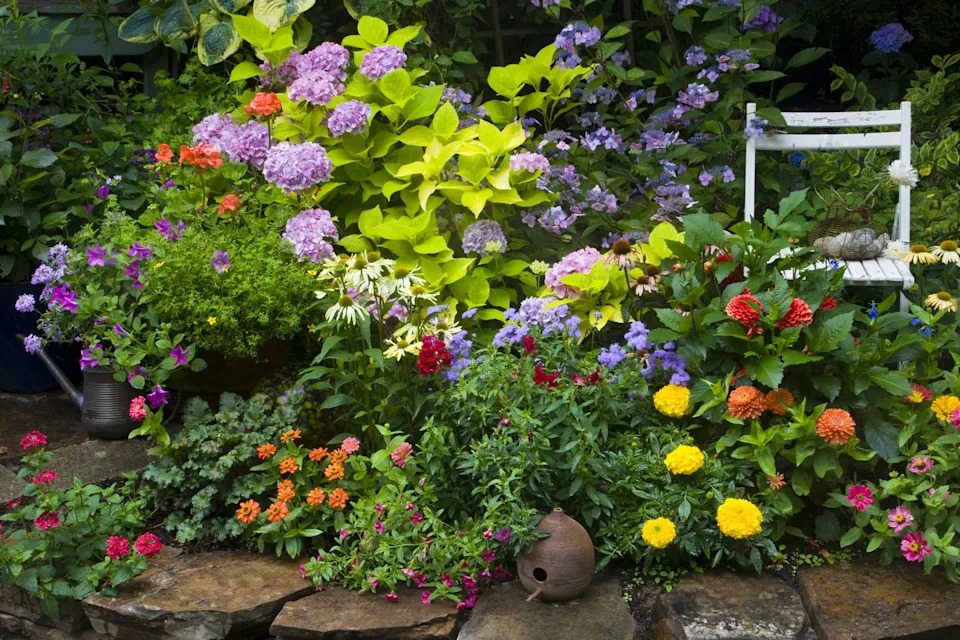
✖️ There’s no predicting exactly how your garden will look. An overgrown garden may be perceived negatively by others, especially in neighborhoods or communities with strict landscaping guidelines. To keep things looking intentional rather than unruly, consider adding visual anchors like stepping stones, a birdbath or a border of low-maintenance shrubs. These elements create structure and show that your garden, while wild in spirit, is still being thoughtfully maintained.
✖️ You may need to do some gentle intervention. “When it comes to beginning your chaos garden, you can keep your initial planning and strategizing to a minimum,” says Vater. “However, as the growing season presses on, a little artful guidance on your part can go a long way.” You might notice certain plants struggling while others flourish. Maybe they’re shaded out, or facing stiff competition from a neighboring plant. In those cases, a relocation or light thinning can give those under-performers a better chance to thrive.
You Might Also Like
Comments are closed.