
With the RSBP’s latest headline throwing gardeners into a heap of confusion, one expert has settled the debate on what to do to keep seeing birds flock to your garden.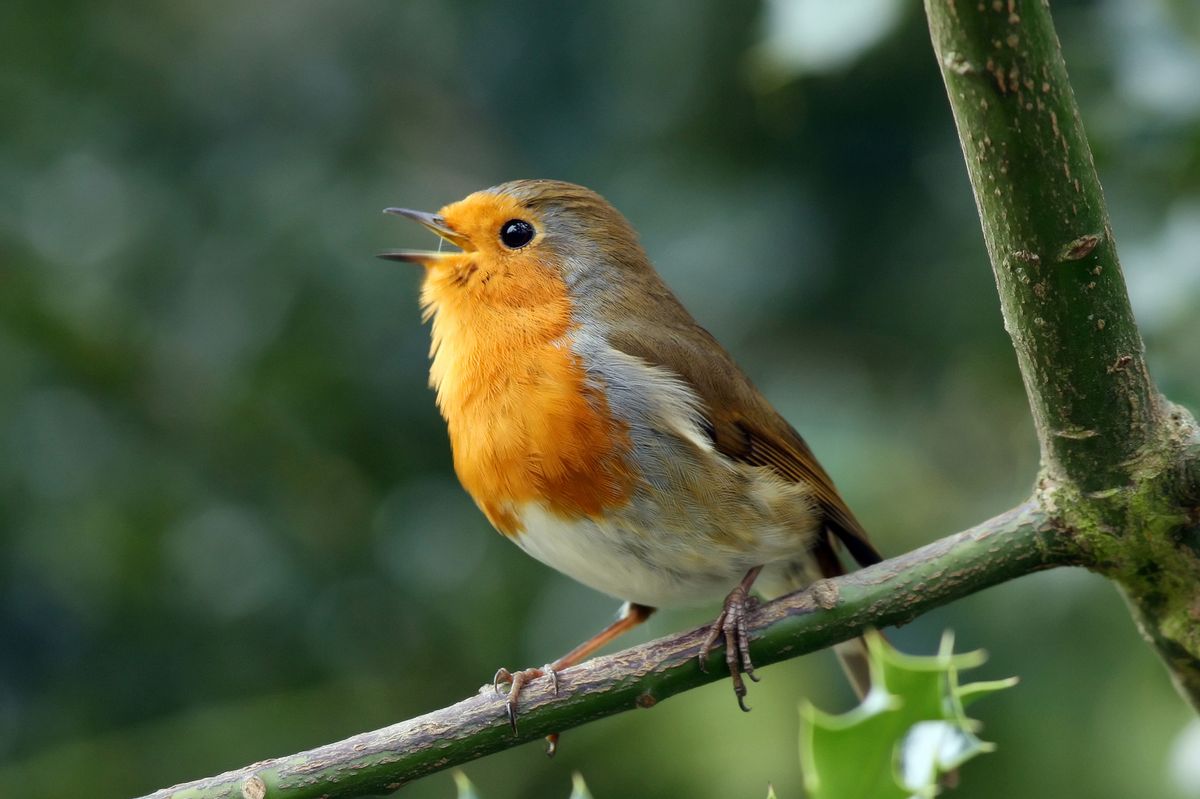
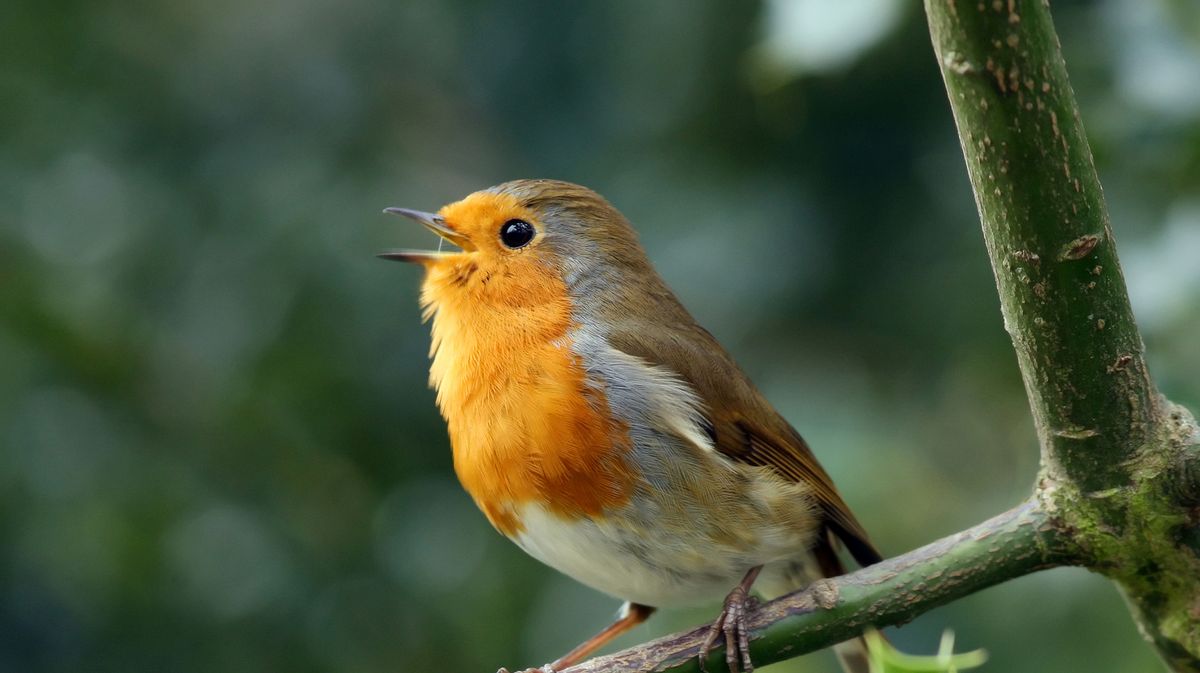
The RSPB issued a stark warning to gardeners(Image: Getty Images)
The RSPB’s latest bird feeding guidance has sparked confusion, with headlines suggesting a summer ban leaving many unsure whether they should stop feeding birds altogether.
According to Richard Green, bird feeding specialist at bird food supplies Kennedy Wild Bird Food & Pet Supplies, that interpretation misses the point. At a time when birds are already under pressure from disease and declining natural food sources, it risks doing more harm than good.
With millions of households supporting garden birds, particularly in urban areas where natural food is limited, how people respond now matters.
The guidance is about adapting feeding habits, not stopping them, so birds can continue to be supported safely while reducing the risk of disease spreading.
Richard has settled the debate on whether you should continue feeding birds now or not.
He said: “Much of the public reaction has come from headlines suggesting people should stop feeding birds in summer, but the actual guidance is about feeding differently, not stopping altogether.”
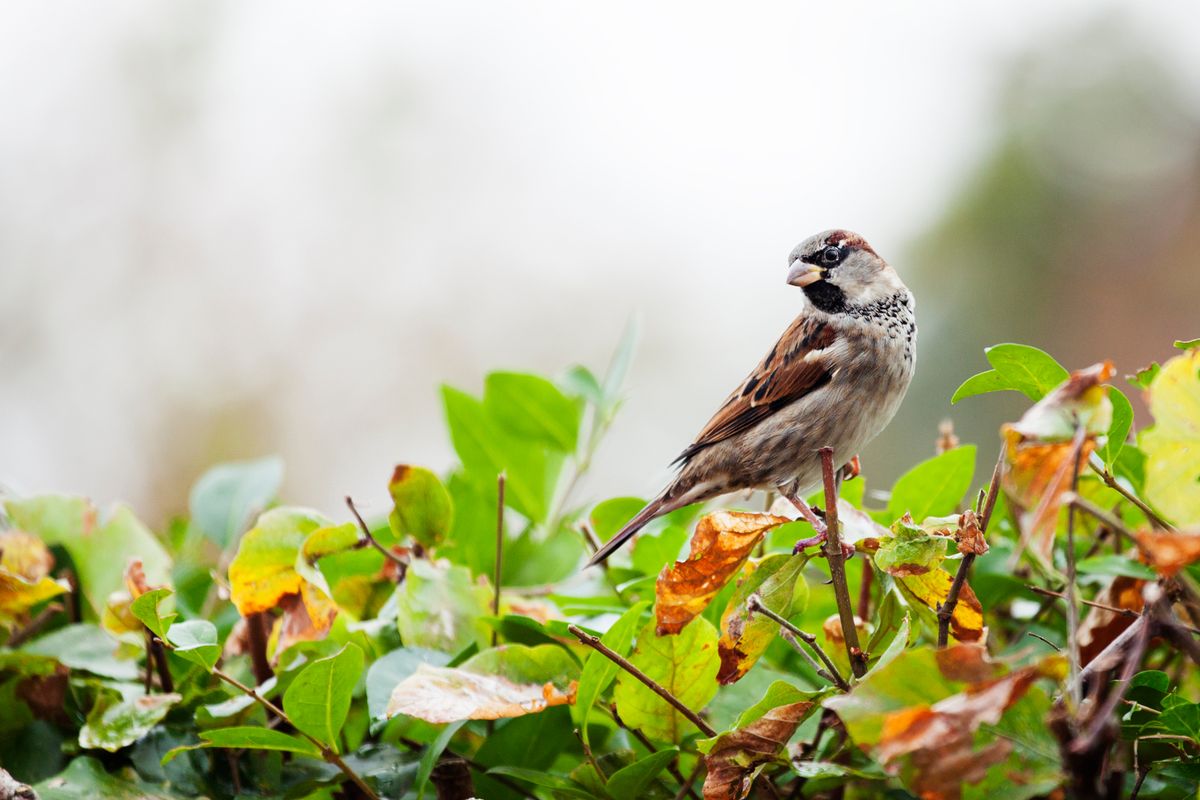
One task will eliminate risk to birds(Image: Getty Images)
It’s not the food, but more it’s how the food is handled. Richard added: “Seeds and peanuts are often blamed, but the real problem is poor feeding practices, such as dirty feeders, damp or mouldy food, leftovers building up and too many birds feeding in one place.”
But stopping altogether also has its risks. Richard continued: “If feeding suddenly stops in some gardens, birds don’t just disappear, they move to the remaining food sources.
“This can lead to more crowding, more competition and a higher chance of disease spreading locally.
“The recommendation to remove seeds and peanuts between May and October is about reducing risk for vulnerable species, while still encouraging people to provide alternatives like mealworms, fat balls and suet.
“The idea that birds can rely fully on natural food during these months depends heavily on location, and in urban areas where insect life is lower, supplementary feeding has been shown to improve breeding success and chick survival.
“Putting out only small amounts of food that birds will eat within a day or two is one of the simplest ways to reduce risk, as food left sitting for days is far more likely to become contaminated.”
The real solution is hygiene – and this is what birdwatchers and gardeners should be prioritising. It is this task that will combat the risk that the RSBP is talking about.
Richard said: “Regular cleaning is what makes the biggest difference, using a proper routine with detergent or a diluted bleach solution, rinsing thoroughly and allowing feeders to dry fully before they are used again.”
Comments are closed.