
Expert says sheep’s wool offers an affordable, biodegradable option that protects plants while improving soil over time
Here’s a secret hack to save and protect your plants this spring after a long, snowy winter.
Sheep’s wool may be best known for clothing, but gardeners are being told it belongs in flower beds, too.
According to a Homestars.com landscaper, the lanolin in the fibres helps repel slugs while the material slowly breaks down to feed plants and support healthier roots.
With spring fast approaching, many Canadians are preparing their outdoor spaces for the season ahead and the sunny months to come, but with it come several challenges for homeowners, such as unpredictable weather, undesirable soil conditions, and emerging pests.
Sheep’s wool is a multipurpose natural material that is an all-in-one solution, acting as a sustainable fertilizer, biodegradable mulch, soil conditioner, and slug deterrent. It acts like a sponge to hold up to 30 times its weight in water,
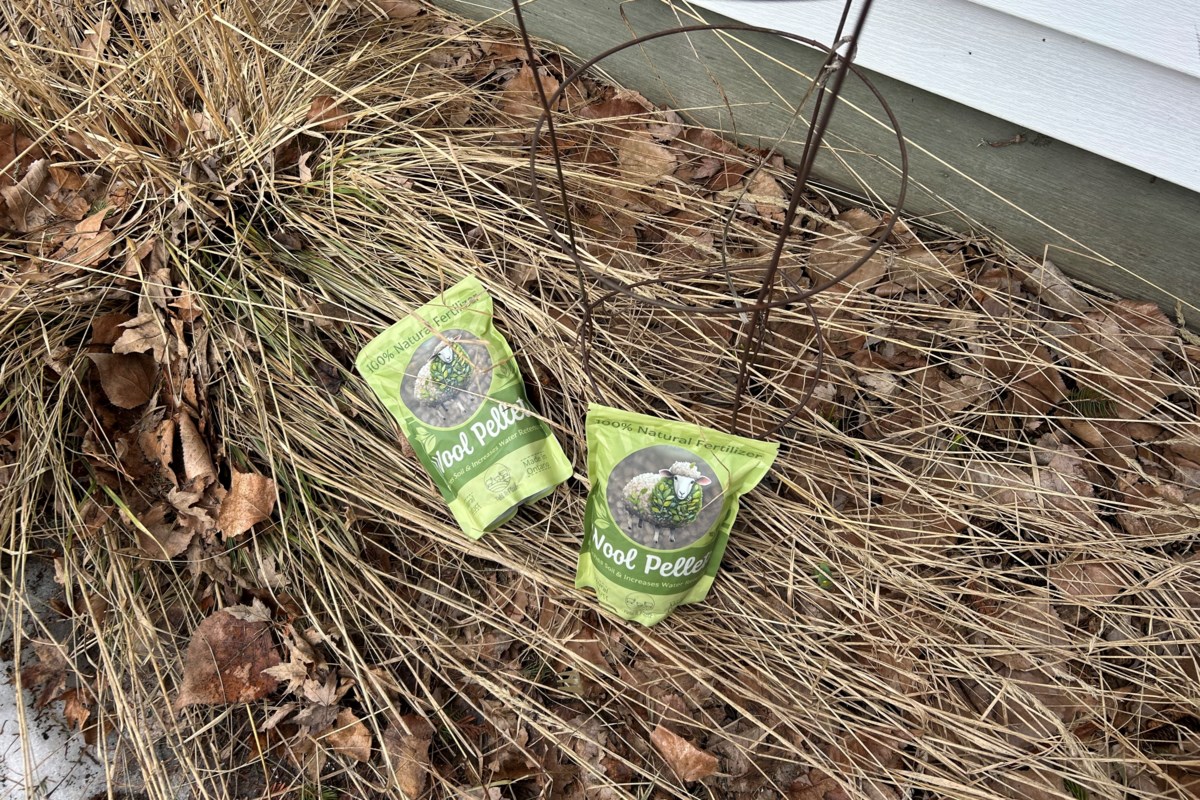
This affordable and practical solution averages around $15-$18 per pound. It can be purchased online, or you can even ask a local farmer. You can also buy it in pellet form, should you wish to make an easy switch from slug pellets.
Raw Fleece should be placed directly around the base of plants, ensuring it does not directly touch the stems to avoid rot.
Wool Pellets should be mixed into the soil. Use in planting holes, or apply as a top dressing
Colleen McGrory, from Homestars says that more homeowners are turning to natural, cost-effective solutions like sheep’s wool to give their plants the best possible start to spring.
“Millions of Canadians are getting ready to roll up their sleeves and get to planting for the summer season. An issue for many is slugs and snails, but wool has the ability to act as a barrier, which copper tape, egg shells, and coffee grains aren’t able to do. The lanolin in the wool keeps them away, making it a simple and natural way to protect plants.
“Sheep’s wool isn’t just cost-effective. It serves a variety of purposes in your yard, since it decomposes and releases its natural benefits over time. It’s also an environmentally friendly alternative to synthetic products and fits in perfectly with the growing demand for greener yard methods.”
Fertilization
Sheep’s wool acts as a slow-releasing natural fertilizer by gradually breaking down the soil. As it decomposes, it releases valuable nutrients which all contribute to the plant’s healthy growth. Due to its slow breakdown, it provides a steady intake of nutrients over time, not a quick burst, reducing the risk of the plant being overfed.
Weed suppression
It’s a natural mulch that, when put around plants, suppresses weeds due to protection from sunlight, making them unable to germinate. It also acts as an effective natural barrier that deters pests such as snails and slugs due to the lanolin in the wool.
Temperature regulation
Sheep’s wool has great insulating properties, allowing it to regulate the soil temperature throughout the whole year. In the colder months, it retains warmth in the soil, protecting the plants from frost damage. In the summer, it stops the plants and soil from overheating. Due to its regulating functions, it creates healthier roots and plant growth.
Soil structure improvement
Fibres from the wool improve soil structure and increase soil porosity and aeration, allowing air and water to move freely through the soil. Improved aeration supports beneficial microorganisms and earthworms, both of which contribute to the overall soil health.
Water management
Wool acts as a sponge, retaining a large amount of water and keeping plants consistently hydrated as it slowly releases this stored moisture back to the plant root during dry periods. This reduces the need for frequent watering and improves plant resistance during hot weather.
Comments are closed.