
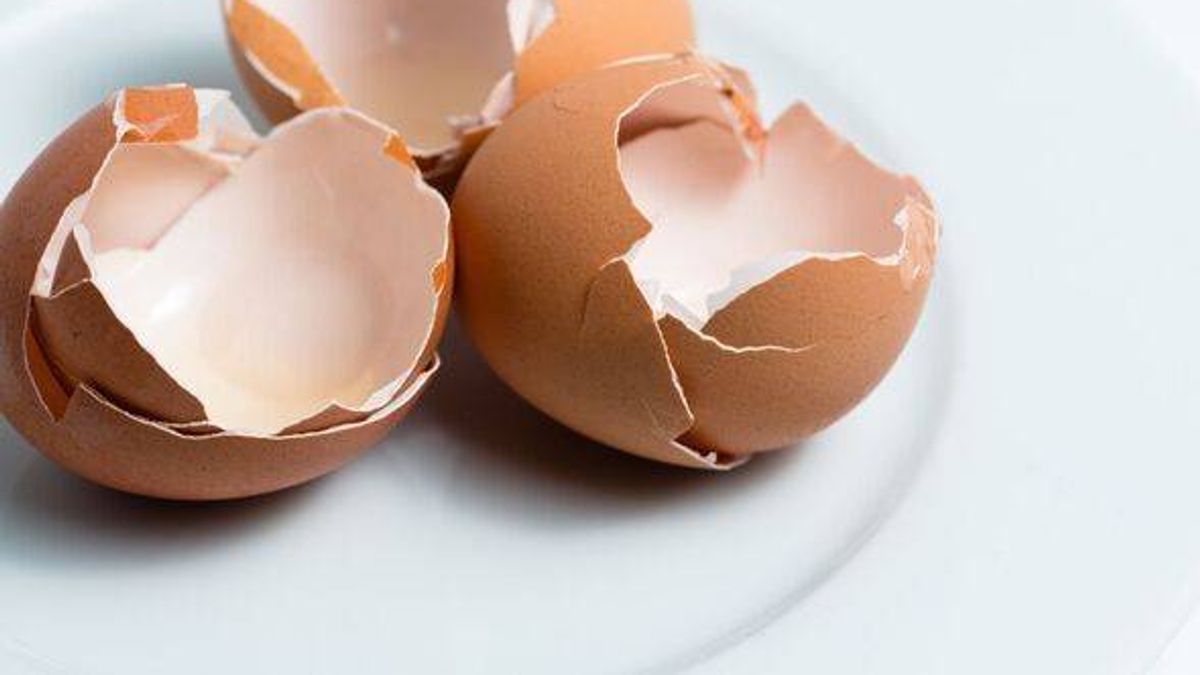
Gardeners are being urged to leave crushed egg shells on their bird tables this spring and summer – a simple tip to provide nesting birds with essential calcium during breeding season
Alex Evans Deputy Audience Editor
12:53, 26 Apr 2026
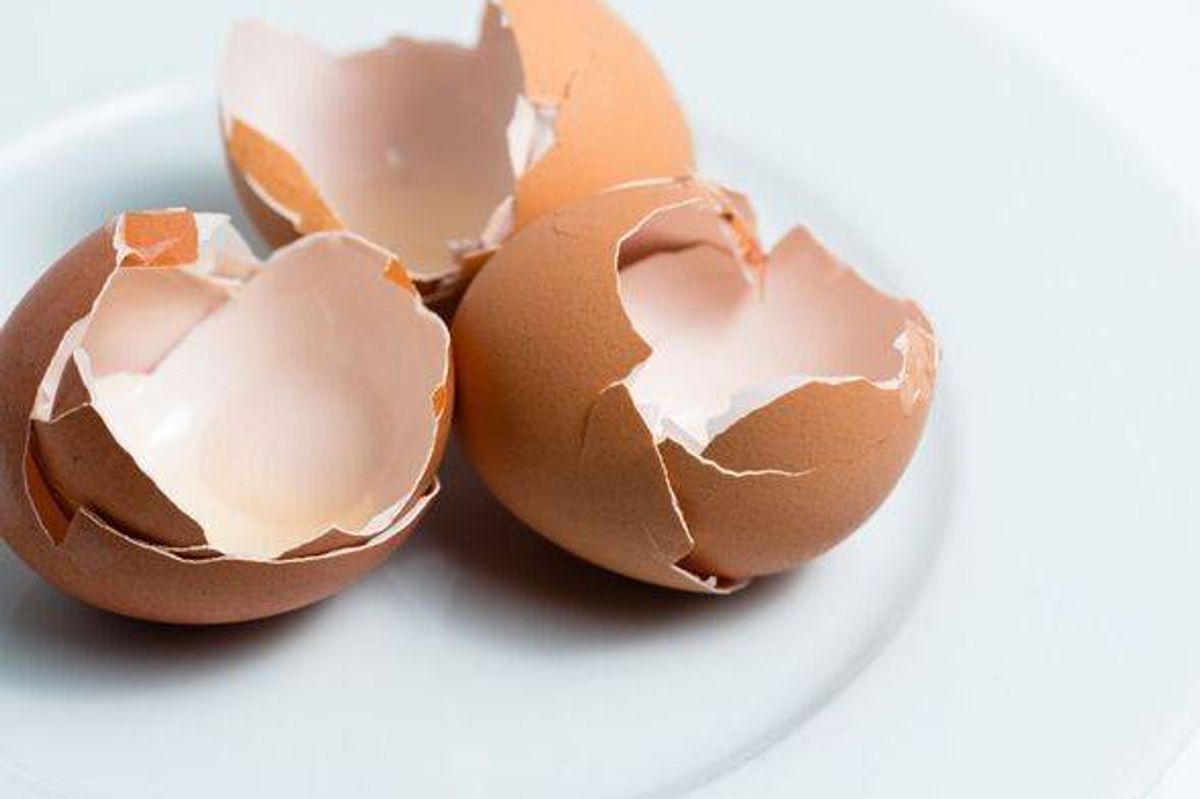
Gardeners are being urged to put egg shells on bird tables(Image: Alex Evans)
Gardeners are being encouraged to place egg shells on their bird tables this spring and summer to support local bird populations.
The months of April, May and June mark the crucial breeding and nesting period for birds. During this time, birds require additional nutrition for themselves and their chicks to maximise their chances of survival – and many gardeners may not realise that both eggs and egg shells can provide valuable assistance.
This support is particularly vital given the decline in bird numbers over recent decades, with this year’s RSPB Big Garden Bird Watch revealing that species such as house sparrows are especially vulnerable. Despite being among Britain’s most common birds, house sparrow breeding populations have ‘declined drastically’ over the past half-century, the RSPB has cautioned.
This is why garden and wildlife specialists consistently encourage people to take action to support birds, with providing food being a crucial element.
However, many people remain unaware of how eggs and egg shells can benefit birds during the nesting period. Specialists at Really Wild Bird Food explain that chopped, cooked eggs deliver vital nutrients for birds – and even crushed egg shells can serve as a food source. They explained: “Kitchen scraps make an excellent addition to your usual choice of bird food. By putting out the right scraps, you are helping to reduce landfill waste, as well as providing the birds with additional essential fats and carbohydrates, which are especially important in the Winter and during nesting season”, reports the Express.
“Chopped, cooked eggs contain many essential nutrients for birds, and even the crushed egg shells will provide calcium for nesting birds, plus the grit helps their digestion.”
Discussing other leftover options, they noted: “Stale cereal and oats are fine, just as long as they don’t have a high sugar or salt content and are not soaked in milk. Cooked oats can harden around a bird’s beak, so raw oats are preferred.
“Plain, cooked pasta and rice is a popular choice and a great source of carbohydrates. Just make sure that they are not coated in sauce or cheese.”
However, they emphasised the importance of clearing away leftovers to prevent health risks, warning: “It is vitally important to clear away any uneaten food. Not only does it attract rats and other vermin, but it can spread bacteria, and birds will not touch food that is off.”
Want to see more of the stories you love from RSVP ? To add RSVP as a preferred source of news on Google, simply click here
Comments are closed.