

Gardeners are being urged to keep a close eye on their plants as the mercury rises.
Gardeners are being urged to check their garden this spring(Image: GettyImages)
As warmer spring weather arrives and gardeners head back outdoors, experts are warning that the change in season doesn’t just bring new growth, it also signals the return of some of the garden’s most common pests.
While young plants and fresh shoots begin to thrive in the warming soil, they also become easy targets for insects and wildlife emerging from winter. Tender leaves, soft stems and new growth are particularly vulnerable, making early prevention key for anyone hoping to protect their garden.
Plant pest expert Tessa Cobley, owner of Ladybird Plantcare, says spring is a crucial time for gardeners to stay alert and act early before infestations take over and ruin your garden.
Among the most common seasonal pests are slugs, which flourish in damp conditions and can quickly devastate young plants overnight. Their presence is often revealed through ragged holes in leaves, disappearing plants and shiny slime trails left behind on soil and foliage.
Gardeners are advised to take action early to prevent slugs from attacking their crops, this can be done with natural solutions such as beneficial nematodes offering an effective way to target slugs in the soil before they reach plants.
Another major threat at this time of year is the vine weevil, a small beetle that causes damage both above and below the soil.
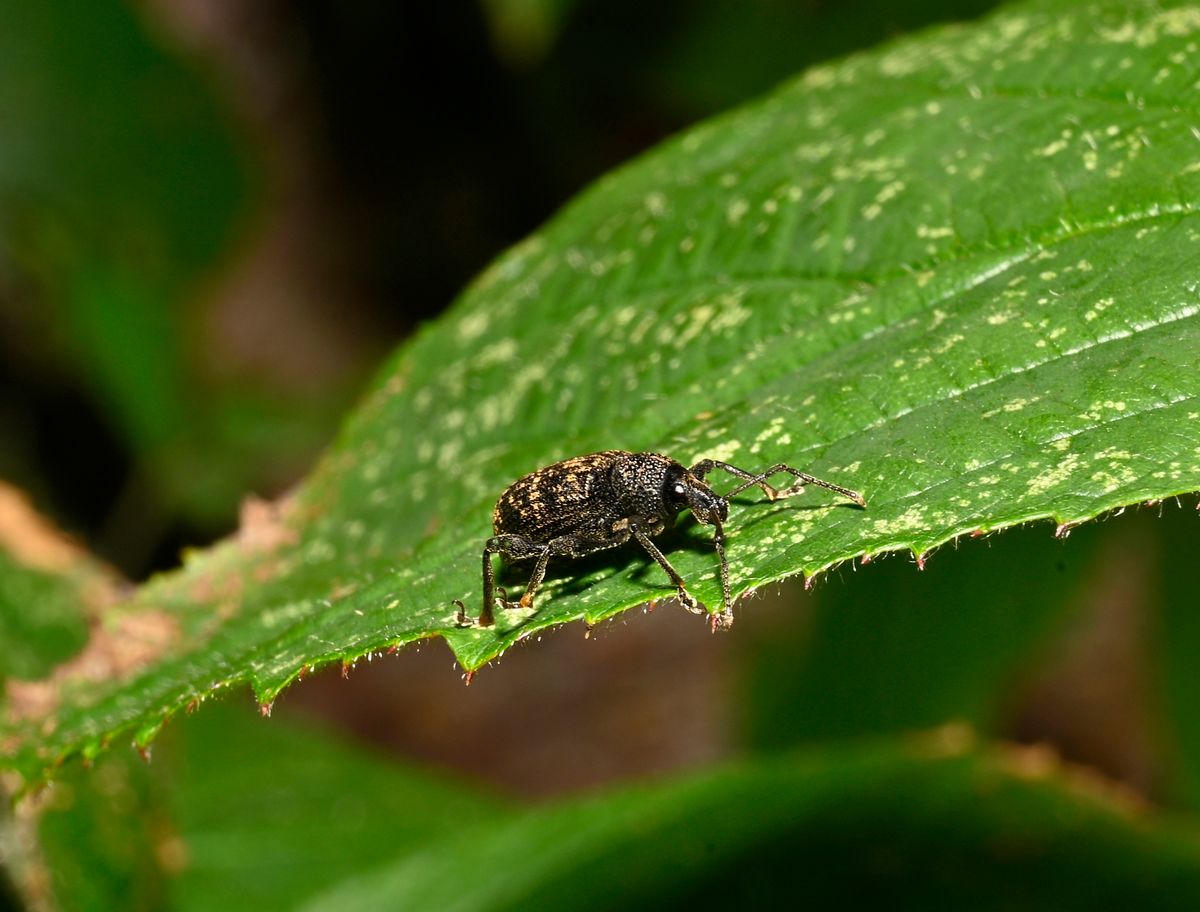
Vine weevil are one of the most frustrating pests for gardeners, particularly those growing plants in pots and containers(Image: GettyImages)
While adult vine weevils leave distinctive crescent-shaped marks on leaves, it is their larvae that bring the biggest risk to your garden as they feed on roots and can often lead to plants in pots suddenly collapsing. Regular checks of container plants and biological controls can help keep them under control.
Aphids are also expected to appear in large numbers as temperatures rise. These tiny sap-sucking insects cluster on new growth and flower buds, often leaving behind curled leaves and sticky residue.
The good news about aphids is that they have plenty of natural predators such as ladybirds and lacewings which can become beneficial for keeping the pesky creatures out of your garden.
As these natural predators enjoy feeding on aphids, they are able to keep the populations under control. The most effective way to bring ladybirds and lacewings into your garden is by planting pollinator-friendly flowers and avoiding pesticides in your garden.
Additionally the expert revealed that lacewings and ladybirds can be purchased online, to be directly introduced into your garden.
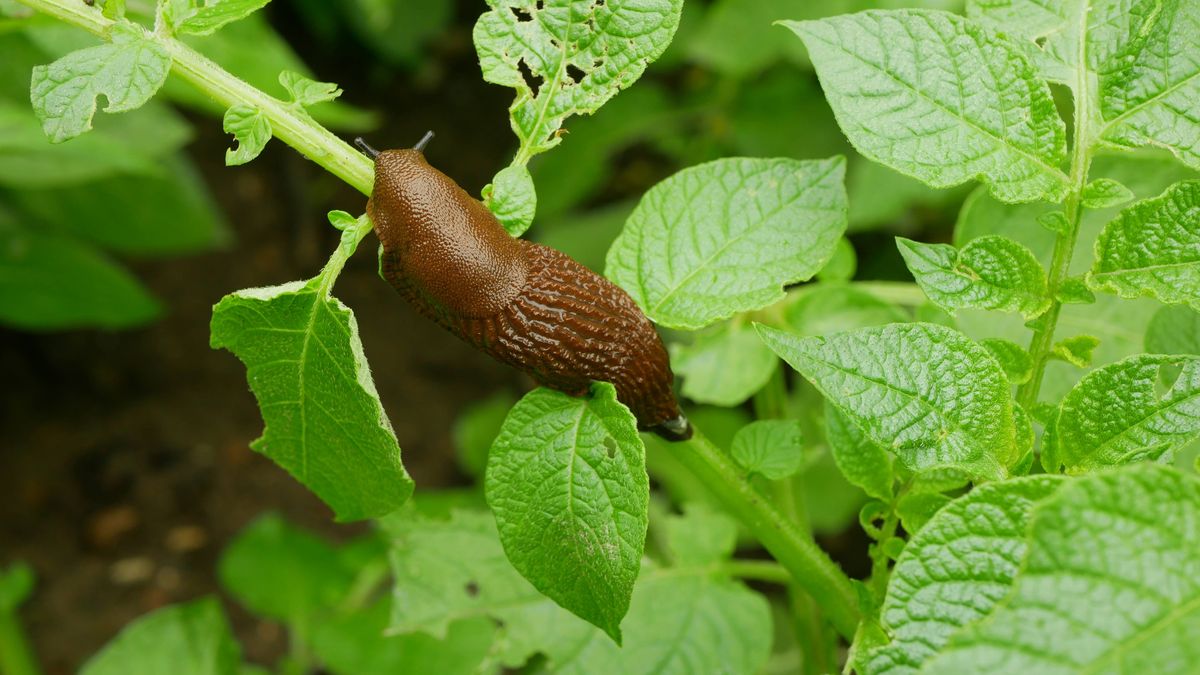
Slugs are another unwanted pest that destroy gardens (Image: Tomas Vynikal via Getty Images)
Other pests, including whitefly, thrips and spider mites, can also become a problem in warmer, sheltered spaces such as greenhouses. Though harder to spot, they can cause leaf damage, discolouration and fine webbing if left untreated.
Although plant pest expert Tessa recommends against reaching for chemicals to get rid of these pests, as tempting as it can be there are often a lot of risks to using them which can really affect your garden growth and other wildlife.
She explains: “Many chemical pest controls aren’t targeted; they can harm beneficial insects as well as the pests you’re trying to manage. Products such as traditional slug pellets can also pose risks to wildlife.
“Hedgehogs, birds and other small animals may be harmed if they consume poisoned slugs. Instead, consider working with nature rather than against it.”
Tessa recommends: “Natural solutions like beneficial nematodes, ladybirds and lacewings fit seamlessly into the garden ecosystem. They target specific pests while leaving pollinators like bees and butterflies free to do their important work.”
Comments are closed.