
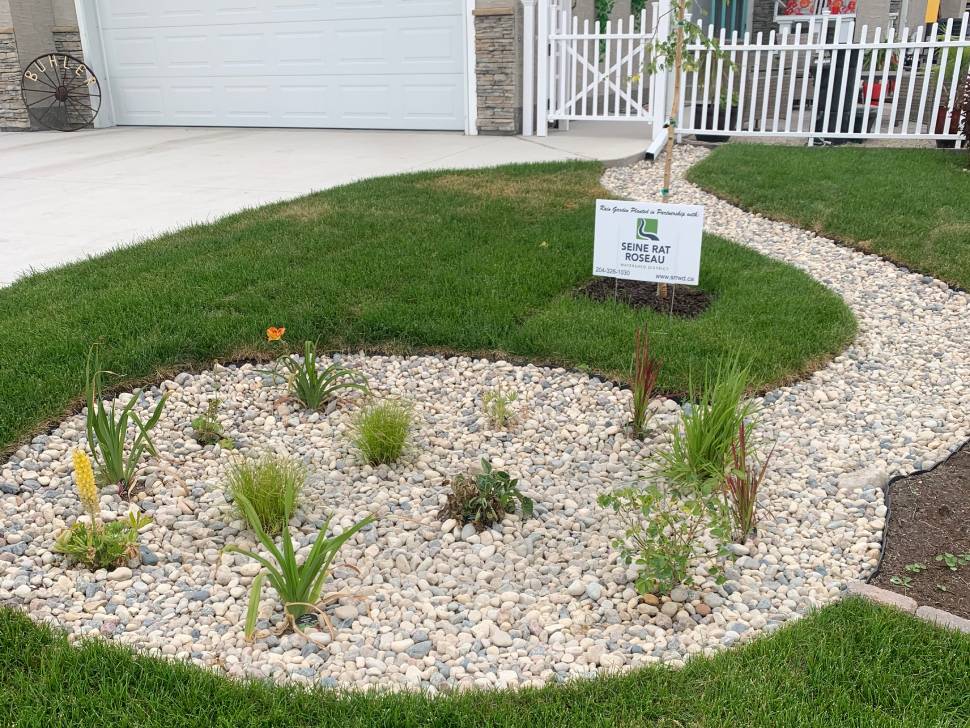
Residents across southeastern Manitoba are being encouraged to build rain gardens as a practical and environmentally friendly way to manage excess water from heavy rainfall.
Room to grow and flourish
Virginia Janzen, regional ag program coordinator with Seine Rat Roseau Watershed, says interest in rain gardens has been growing, though many people are still unfamiliar with how they work.
“A rain garden is a natural way of reducing runoff,” Janzen explains, noting it helps manage water from roofs, driveways and large storm events.
Rain gardens are designed as shallow, planted areas that allow water to collect temporarily and soak into the ground.
Deep-rooted perennial plants help absorb and filter the water, preventing it from overwhelming drainage systems or pooling in yards.
Janzen says while awareness is increasing, there is still room for growth.
Related Stories:
“We’ve been getting an increase in interest, but probably not what it could be because people are unfamiliar with what exactly a rain garden is and what it does.”
To encourage adoption, the watershed district is offering support to residents and community groups.
Homeowners can receive up to $750 to install a rain garden, while public projects—such as schools, parks or other shared spaces — can qualify for 50 per cent funding up to $5,000.
Local municipalities and organizations have already begun exploring the option, with some reaching out for guidance on planning and design.
Practical and aesthetic benefits
Janzen says rain gardens can also play a role in addressing issues like sump pump discharge, which has been a concern in communities dealing with excess water.
Beyond practical benefits, she notes rain gardens can also enhance the appearance of a yard and support local ecosystems.
“You have control over how it looks, how natural or formal looking you’d like it to look,” she says.
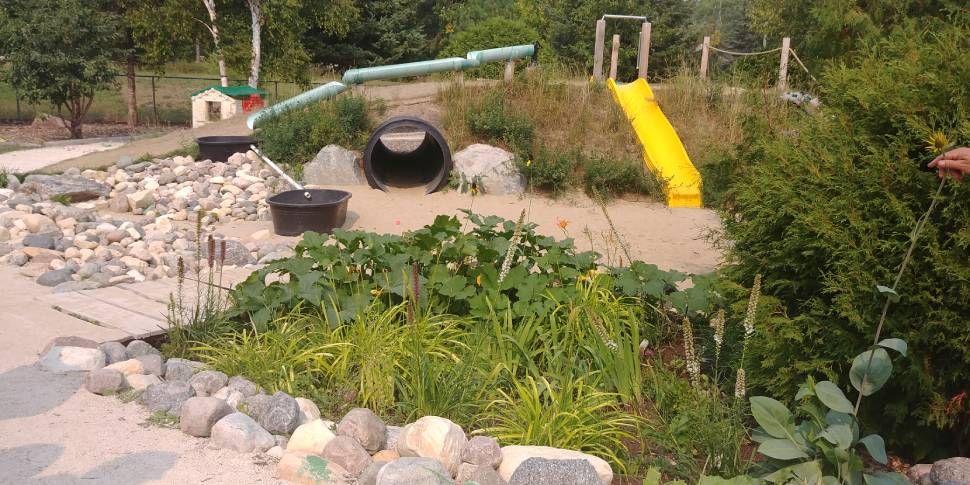 Photo provided by Seine Rat Roseau Watershed District
“It’s one of our goals to promote biodiversity in the watershed and the rain garden program is a great way to do that.”
The watershed district covers a large area from the U.S. border north to Highway 1, and from the Red River east to the Sandilands region. Residents within that boundary are eligible to apply for funding.
Janzen emphasizes that even small changes can have a meaningful impact.
“Small projects add up to big results,” she notes.
With files from Judy Peters
Comments are closed.