
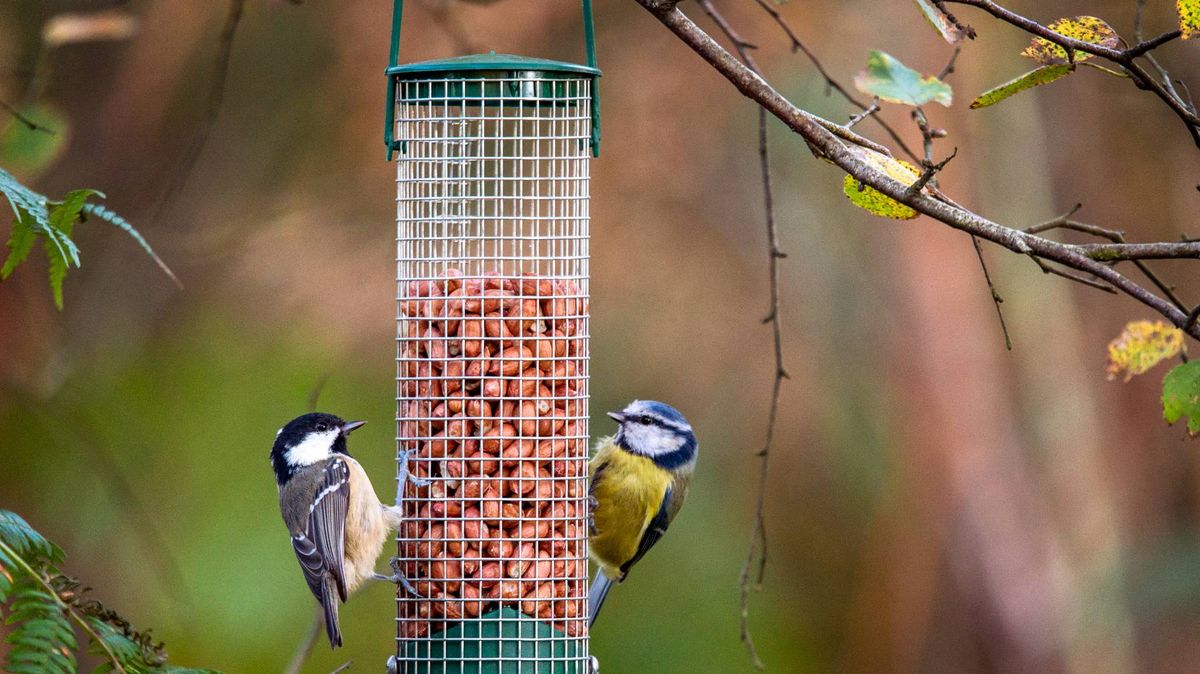
If you have a bird feeder in your garden, you could be making a common mistake that attracts rats, rodents and predators
Jane Lavender and Emma Mackenzie
07:00, 26 Apr 2026
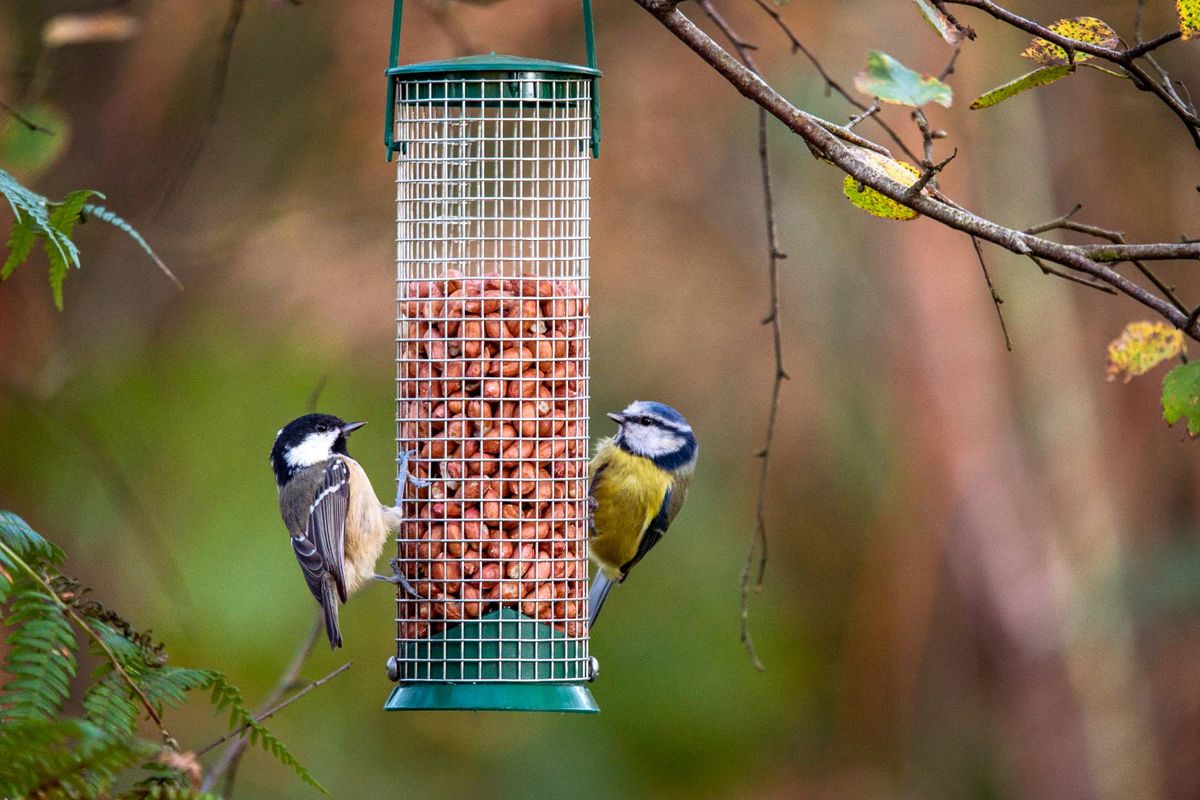
Bird feeder mistake could attract rats to your garden(Image: Getty Images)
A straightforward adjustment to your bird feeder could eliminate the threat of rats invading your garden.
Installing a bird feeder in your outdoor space will likely attract numerous feathered visitors – however, without proper precautions, you may inadvertently welcome some unwanted guests.
Rodents such as rats and squirrels cannot distinguish that the food intended for robins or tits isn’t meant for them, and will rapidly devour whatever has been placed in your feeder.
Given that virtually nobody wants to encourage a rat infestation in their garden, careful consideration must be given to how you use your bird feeder.
Similarly, predators including cats and foxes may be drawn to the provisions in your feeder, potentially resulting in the deaths of the very birds you’re hoping to attract to your garden.

Rats could be attracted to the food you’re leaving out for birds(Image: Paul Grace Photography Somersham via Getty Images)
Frequently, both predators and rodents are lured to your bird feeder due to one widespread error – though fortunately, this can be easily corrected, according to experts.
Speaking to Ideal Home, specialists revealed that a significant mistake many people make regarding bird feeders occurs before purchasing one.
Buying a feeder with the wrong shape can make it readily accessible to rats or squirrels – who possess excellent climbing abilities – as well as cats and foxes.
For those concerned wildlife is depleting bird feed before feathered visitors get a look-in, there is a wide range of squirrel and rodent-proof feeders available on the market. “
If food is really hard to find in your area,” explains expert Thomas Hibbert from the Wildlife Trust, “you could offer some seeds or suet in a squirrel-proof feeder”.
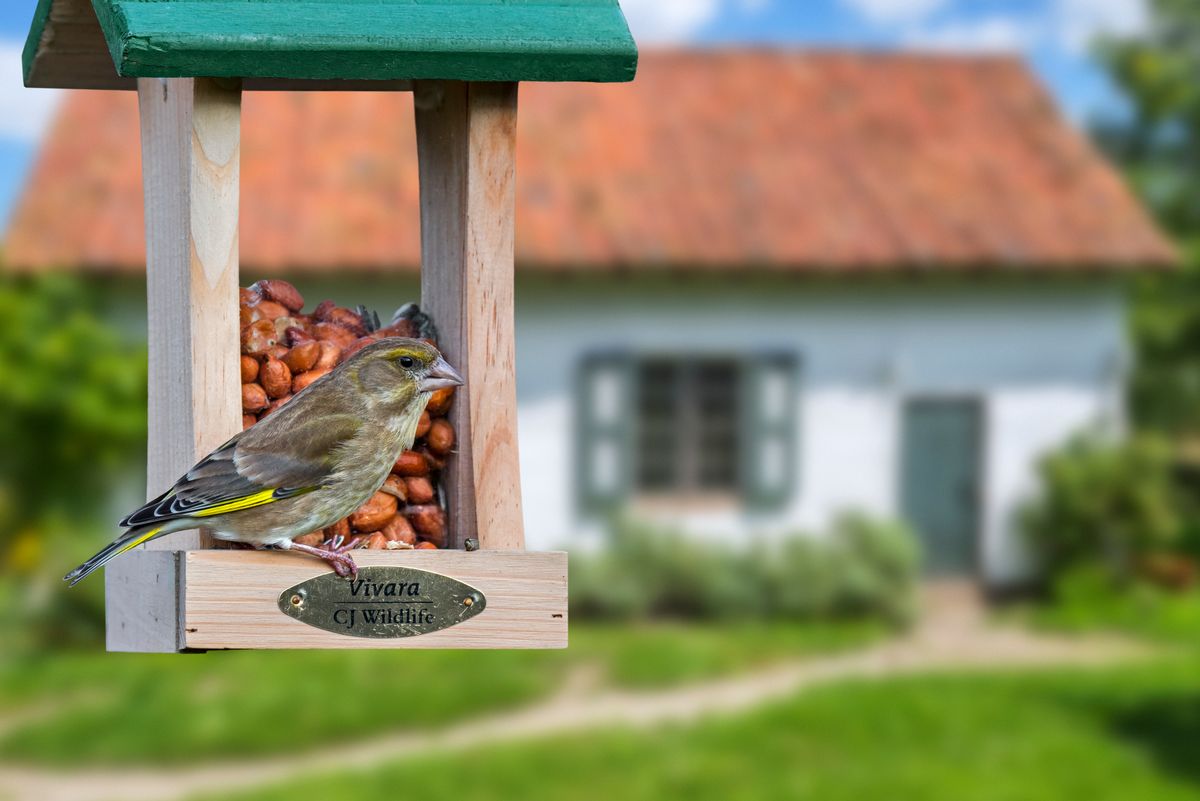
Some bird food is more attractive than others(Image: Getty)
The most effective options to purchase are “weight-activated, caged, and domed” bird feeders, particularly for those wishing to deter pests and predators from their garden.
That said, for those reluctant to splash out on specially designed equipment, experts suggest there are a handful of alternative approaches worth considering.
Squirrels and rats will typically eat whatever is left out for garden birds, but introducing certain unwelcome ingredients can put them off entirely.
Sunflower or niger seeds, for instance, are firm favourites with birds but hold little appeal for squirrels.
Additionally, certain items can be added to feeders that produce such an off-putting odour for squirrels and rats that they will give them a wide berth altogether.
Rodents are strongly repelled by garlic, pepper, cayenne pepper, and peppermint, so scattering these amongst your bird seed could prove highly effective.
“While these smells are unappealing to rodents, birds can’t actually taste them, so sprinkling a little cayenne pepper into your bird feeders, for example, will act as an additional deterrent,” the experts claim.
Comments are closed.