


Alan Titchmarsh has recommended four plants (Image: Chris Jackson, Getty Images)
Slugs could be driven from your garden simply by selecting the right flowers to plant.
Few things frustrate gardeners more than discovering holes riddled through their plants’ foliage after slugs and snails have been feasting overnight.
While these molluscs play a vital role in the garden ecosystem by consuming dead foliage, their appetite for living plants remains a persistent nuisance.
However, your plants needn’t suffer in silence, as there’s a straightforward solution to keeping slugs and snails at bay – through the strategic planting of certain flowers.
Gardening expert Alan Titchmarsh has identified four plants that can be introduced to your garden straight away to naturally repel these troublesome creatures, reports the Liverpool Echo.
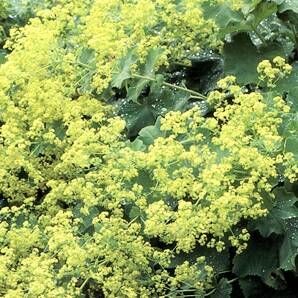
Alchemilla mollis – or lady’s mantle (Image: undefined)
Beyond being relatively low-maintenance, ferns rank amongst the most effective plants for deterring both slugs and snails from your outdoor space.
Speaking on the Gardeners’ World Magazine podcast, Alan said: “You think they are boring, aren’t they? Well, they are not and they are brilliant for shady spots.”
There’s a wide variety of ferns available, and whichever variety you select – whether royal or crested – these plants can endure for many years while being straightforward to maintain as a pest deterrent.
The horticulture specialist particularly recommended acquiring a Dryopteris, commonly known as a Wood Fern, as these thrive in environments lacking in moisture.
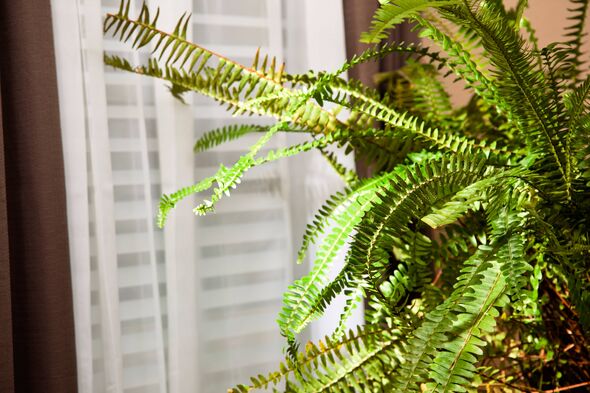
Ferns are an excellent slug repellant (Image: Getty Images)
Since slugs and snails favour damp environments, growing plants that thrive in dry conditions provides an effortless approach to keeping these molluscs away.
While ferns may be excellent at deterring slugs and snails, they don’t add much colour to your outdoor area as they produce no flowers.
Consequently, for those wanting a splash of bright colour alongside pest prevention, geraniums could be perfect.
These plants need little upkeep and thrive in sunny spots, with Alan observing the flowers will continue “right the way through the summer” to keep your garden looking attractive for longer periods.
If you’re still not convinced that sun-loving plants by themselves adequately repel slugs, think about growing Alchemilla.
This plant, also known as Lady’s Mantle, features striking bright yellow blooms and can help remove slugs and snails for a completely different reason.
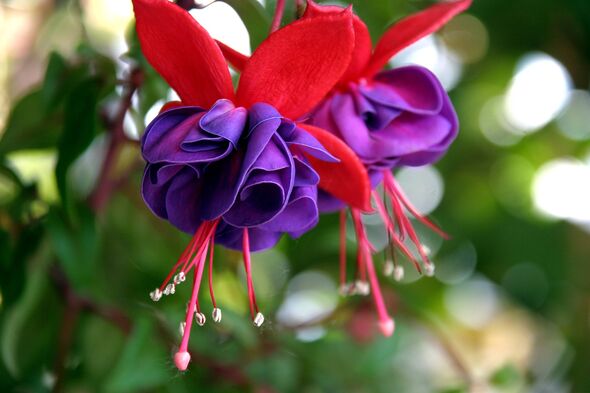
Fuchsias (Image: undefined)
During the podcast, Alan explained: “It has these scalloped-edged leaves which hold on to water like quicksilver … which are coated in very fine down … which puts slugs and snails off eating them.”
There’s an additional benefit to Alchemilla too, according to the Daily Mail, as it can stop weeds from emerging in flowerbeds and borders.
The plant has wide leaves that spread considerably outwards, leaving no room or sunlight for weeds to take root in the soil beneath.
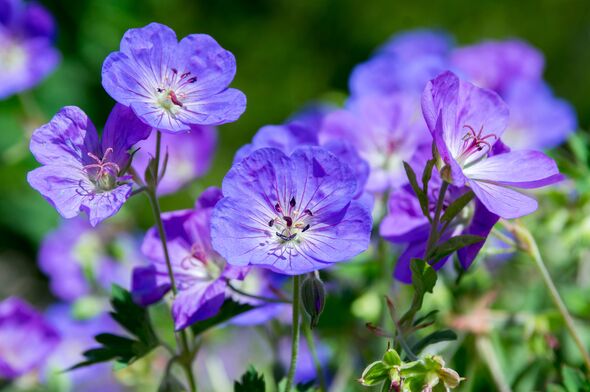
Geraniums add a splash of colour (Image: undefined)
Completing Alan’s suggestions are the vibrant and striking fuchsias and penstemons.
Both of these plants generally develop larger than the other varieties referenced and can even reach knee height provided appropriate conditions.
The gardening expert warned, however, that these flowers won’t tolerate freezing temperatures and only function as effective slug deterrents throughout the summer months.
Concluding his slug-prevention guidance, Alan recommended the most successful strategy is to look for flowers with downy stems or fuzzy foliage, as garden pests usually steer clear of them because they’re less appetising.
Comments are closed.