
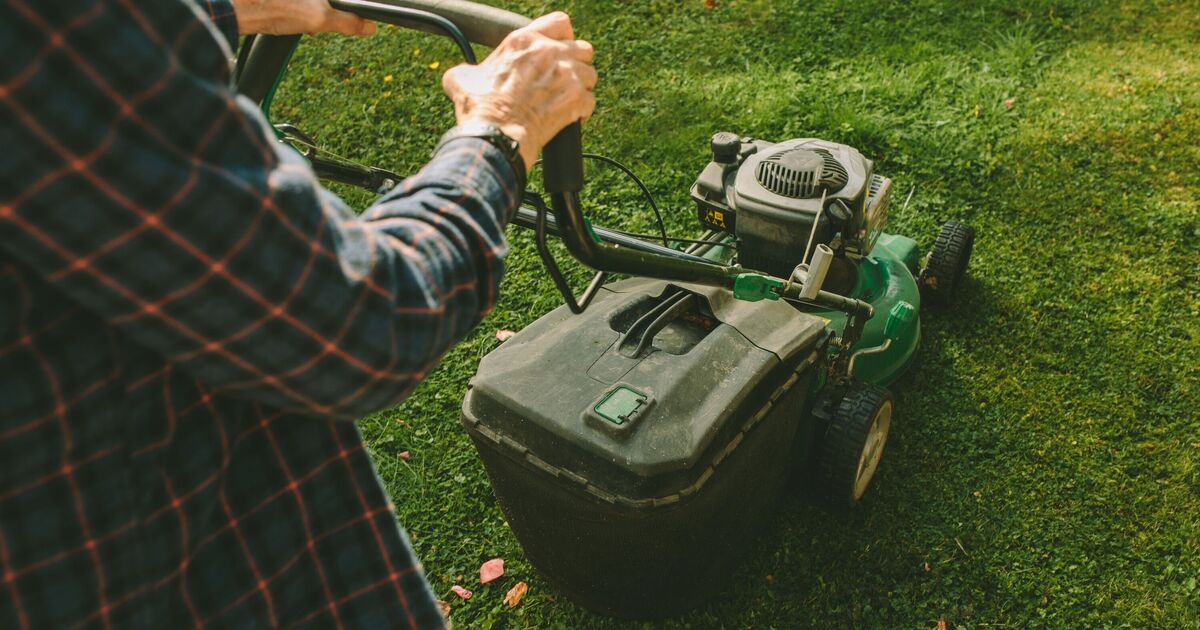
Spring is the perfect time to get your garden in order for the rest of the year, and with April being the peak of the season, there are plenty of tasks you can do to ensure your outdoor space is in perfect shape. One of the most important jobs would be tending to your lawn. During colder periods of the year, it’s easy to neglect the grass outdoors. However, that only leaves you with an unkept and struggling lawn when the weather gets better.
Fortunately, experts at the UK’s leading garden charity, the Royal Horticultural Society, have issued advice for gardeners, particularly on lawn care. And for those planning on giving their grass a little trim, the experts have issued advice on where, in particular, gardeners should avoid cutting this month.
The one spot in particular that gardeners have been urged to completely avoid is the one with bulbs. RHS said: “Wait at least six weeks after flowering before you mow the area, to allow the leaves to photosynthesise and feed the bulbs for a good display next spring.”
The RHS also advises “if you can, leave an area of grass to grow long over the spring and summer. Cutting a marginal strip around the edge or a winding path through will make this look deliberate and visually effective”.
They noted that longer grass provides additional protection from the sun, making lawns more resilient during a drought.
If you want to define the lawn edges that have been cut, you can also use a half-moon edging iron or spade to create a sort of gutter around your lawn. This, in turn, will stop grass creeping in from the lawn and into your borders.
Lawns usually “grow perfectly well” without feeding. However, if you do need to give your lawn a bit of a growth boost, then the RHS recommends using an organic spring lawn fertiliser. You should also use a spring-tined rake to remove plant debris that clogs your lawn.
Taking these small steps now will pay off with a well-maintained, year-round thriving lawn.
Comments are closed.