

As the weather warms up, pests such as rats and mice are more likely to appear in gardens – but there is one plant that experts say may help keep them at bayHow to keep rats out of the garden
Warmer weather inevitably attracts unwanted garden visitors, with rats seeking refuge and sustenance. This presents a significant challenge for those striving to maintain pristine outdoor spaces.
For those who’ve experimented with temporary solutions, incorporating specific plants into your garden could provide a lasting natural barrier. Beyond deterring rodents, these botanical additions will enhance the appearance of your garden with delightful aromas.
They’re versatile enough to be positioned throughout various garden areas, from borders to patio surrounds, making potential entry points less appealing to unwelcome creatures. Essentially, you’ll reap multiple benefits beyond pest control, including a beautifully smelling garden reports the Express.
Here are expert recommendations for plants to cultivate this spring and summer to discourage unwanted visitors.
Luke Newnes, gardening expert at Hillarys – Peppermint
Luke said: “If there’s one plant I’d recommend households grow this spring to help deter rats and mice, it’s peppermint. Rodents have an extremely strong sense of smell, and they really dislike the intense scent that mint plants release, especially in warm weather.
“Peppermint gives off powerful natural oils that can overwhelm a rat or mouse’s senses, making gardens, and areas close to the home, far less appealing places for them to nest or forage. Planting peppermint around garden borders, patios, sheds or near entry points can act as a natural ‘nogo’ signal for pests throughout spring and summer.
“Another benefit is that peppermint is easy to grow, low maintenance, and useful for households too, whether that’s for cooking, teas or simply keeping outdoor spaces smelling fresh, so it’s a simple, natural deterrent that works on more than one level.”
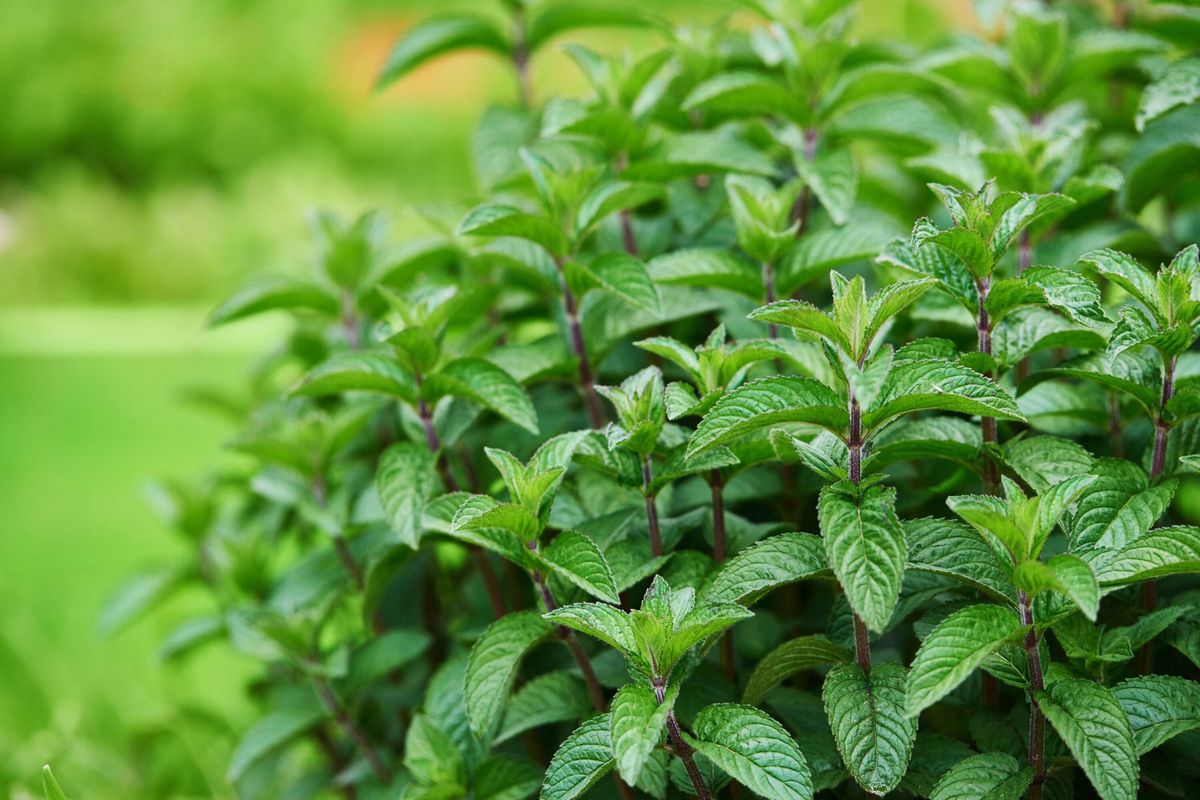
Peppermint can overwhelm a rat’s senses(Image: Getty)
William Puricelli, Owner & Founder, Advanced Pest Management – Peppermint
William said: “If you only plant one thing with rodent deterrence in mind, make it peppermint. It’s not a magic shield, but it is one of the few widely available garden plants whose scent is strong enough to make a difference around specific hotspots in spring and summer.
“It’s high in potent aromatic oils which give it a sharp, lingering smell. Rats and mice navigate partly through scent, using odour cues to find food and to re-use familiar routes. A strongly scented plant can muddy those signals in the immediate area.
“Peppermint is also easy to grow, resilient in UK conditions, and can be positioned exactly where it is needed, especially if it is grown in pots rather than left to roam through borders.”
Loren Taylor, landscaping and gardening expert and owner of Outdoor Fountain Pros – Mint
Loren said: “Mint has a powerful and highly recognisable scent. It gets its aroma from menthol oils, which are both strong and persistent. Rats and mice have a powerful sense of smell and do not like strong scents, such as mint. For them, it is too sharp and overwhelming.
“So they stay away. As I often tell homeowners, mint works like a quiet but firm message that says, ‘This is not your home.’ It pushes pests away from garden beds, compost areas, and even near house foundations, all without chemicals.
“When planting mint, make sure you do it with caution. Mint is a hardy perennial that grows and spreads quickly so it is best to contain it in pots and bring it out during the season.
“Place the pots in the corners of your garden or on your porch, steps, patio, or near your compost piles. Rats and mice attempt to enter the home in these locations. When you plant mint in the spring by summer, you will have a large, thick and full plant. Soon you will have a wall of fresh green scent.
“Mint is one of those magical plants that not only will guard and protect you but can be used in so many different ways. You can make mint tea in the evening to help with sleeping, add it to your cold drinks during summer, and more.
“A garden is a harmonious environment. A peaceful retreat, even. A space in which you can relax, breathe, and enjoy the serenity. Sometimes it is simply planting something that belongs there and letting nature do what it does best.”
Comments are closed.