
Gardening is generally a joy, but losses can be a disheartening – albeit happily temporary – setback. After winter, plants may fail to sprout, carried away by waterlogging, root diseases, frost damage or just not being quite suited to the site. Alpine, bedding plant and herbaceous losses are annoying, but more costly woody plants, trees, shrubs and climbers are particularly irksome.
Some plants are notably robust – certain bamboos, mint, Solidago and some kinds of alstroemeria and hardy geranium. The temptation is to divide these to fill in any gaps, but this will ultimately lead to something of a monoculture that won’t be very pleasing.
Start with a post-mortem to avoid further loss. If the plants are fully dead, dig them out and look at the roots.
Rotted, red-brown roots with cidery or sour smell indicates water mould, a fungus-like organism such as Pythium or Phytophthora, usually found where the soil gets occasional waterlogging. Improving drainage and replanting with a grass or sedge is a safe move, as these seldom suffer from water moulds.
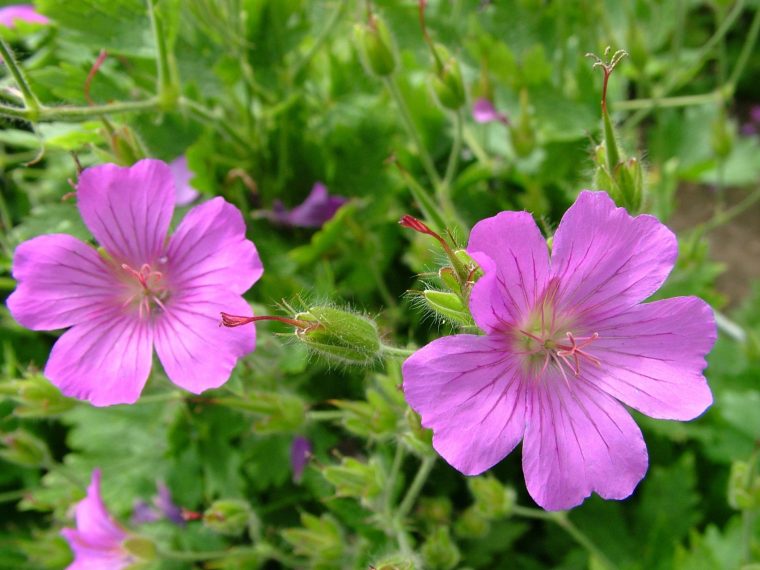 Geranium ‘Karis’ (Photo: Wendy Wesley/RHS)
If the rootstock is softened with a white surface and a mushroomy smell, honey fungus is involved. This fungus eats away at the plant until it has insufficient roots and lower stem to support itself. In warm, dry weather they wilt and die. Replace elsewhere or in the same place, with a six-month interval, after removing roots and infected material. Sometimes plants die without diagnostic signs – they must be treated as if infected.
If the soil can be replaced to, say, 50cm, replanting can go ahead with reasonable certainty, but this is a lot of work and finding replacement soil is tricky, although a soil swap with the veg garden can work well.
Otherwise, consider delaying replanting until October or next spring to allow pathogens to decline. In the meantime, do any soil remediation, such as installing drainage, making raised beds and forking out all traces of dead plants, then sow seeds of annuals or plant trays of bedding plants to fill in.
Retain any receipts and labels when replanting, because many suppliers will replace plants that die in the first few years. Being living things, plants are not entirely predictable and it is possible to unknowingly supply ones with a latent infection.
New plants – typically the larger and more expensive ones such as trees – that fail to respond to spring and early summer weather are particularly galling. The commonest cause is lack of watering. Although refunds don’t insist on proof of good practice, it can be helpful to inspect any casualties for future reference.
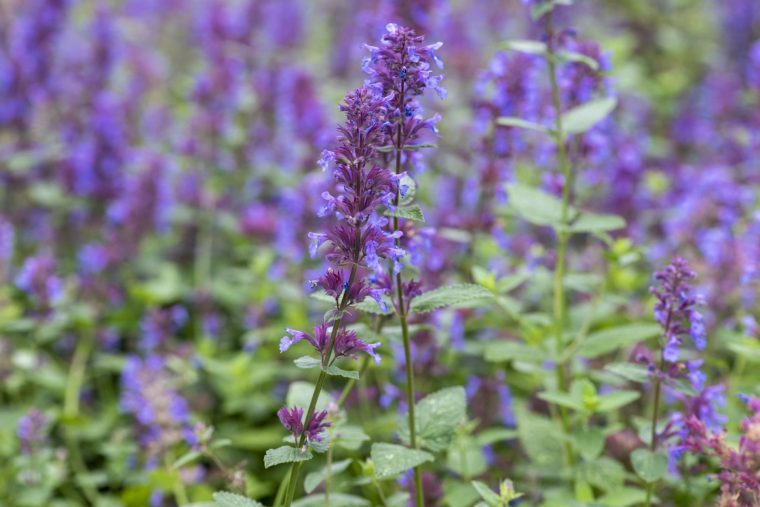 Nepeta ‘Chettle Blue’ (Photo: Nicola Stocken/RHS)
If the rootball has not grown out into the surrounding soil, contact with the soil may have been insufficient or the roots may have needed to be teased out at planting. Such rootballs tend to be dry too. Rotted dead areas at the base of the stem can indicate planting too deeply; aim to have the “flare” of the roots just below the soil level and no more. In loose ground, plants can sink with time, so firm loose soil before planting.
Some plants cling to life but look sickly, with yellow leaves and little or no growth. Only the stoniest-hearted gardener would cut their losses, although often this is the wisest course. Careful watering, removal of grass or other competing vegetation and a foliar feed of seaweed fertiliser (to get nutrients into the plant despite lack of root function), are more reliable ways of giving plants their best chance of overcoming this check to their growth.
Comments are closed.