
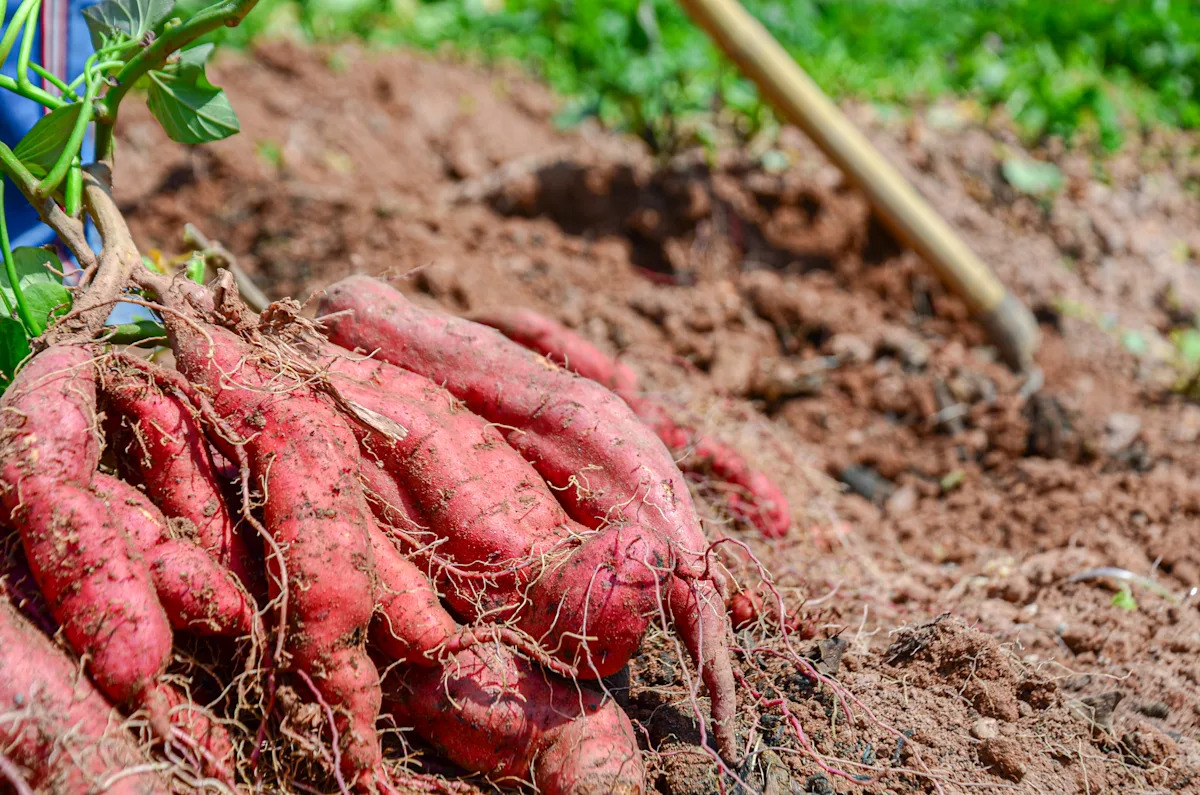
Root vegetables are easy to grow and bring unique flavors and nutritional benefits to your table.
These vegetables, which include familiar favorites like carrots, onions, and beets, develop their edible parts underground, making them an excellent addition to any garden. They’re particularly valued for how little space they take up and their extended harvest period, allowing gardeners to enjoy fresh produce from spring through fall.
Here are 14 root vegetables that are perfect for growing in your garden.
Horseradish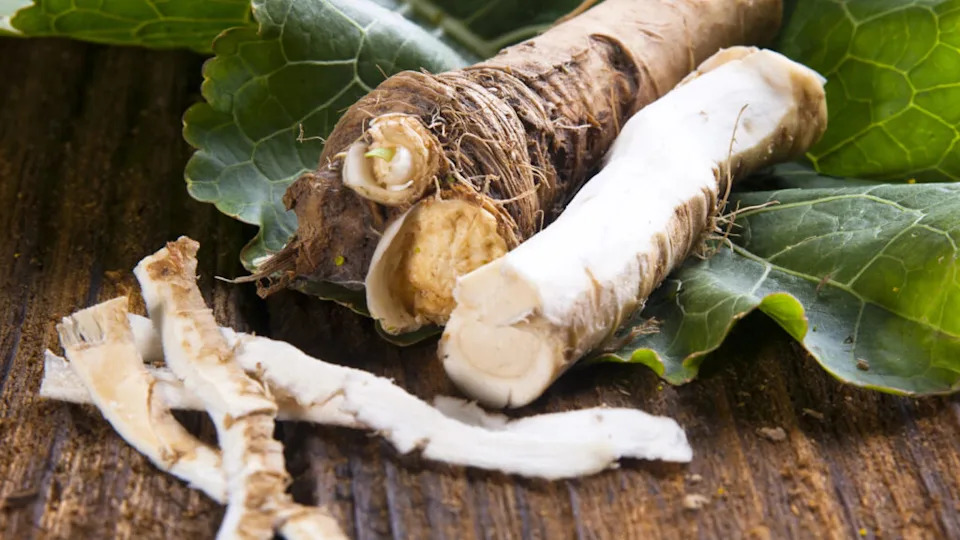
Image Credit: Deposit Photos
Horseradish is a popular root vegetable. It’s a perennial plant that can become invasive if not contained. This spicy and peppery vegetable, which belongs to the same family as broccoli, cabbage, and mustard, adds a distinct kick to various dishes.
Horseradish is popular for its culinary uses and is also relatively easy to plant in your garden. To grow horseradish, you’ll need to dig up the root and replant the offshoot in well-draining soil with sunlight access.
Plant horseradish in early spring. It prefers full sun and deep, fertile soil. Consider growing it in containers to prevent spreading.
Carrots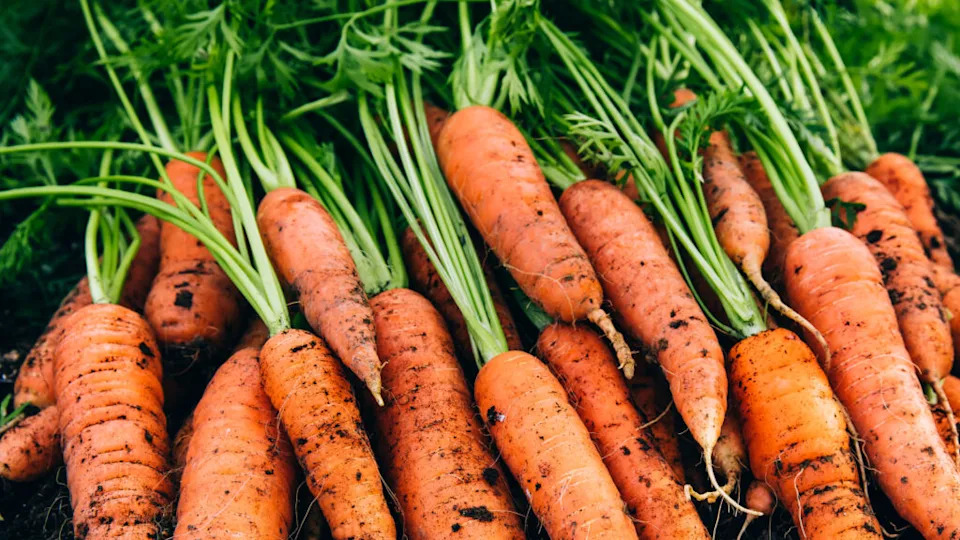
Image Credit: Deposit Photos
A cool-season crop, carrots can be planted in spring and late summer. Carrots are crunchy, sweet, and highly nutritious.
They prefer loose, sandy soil that allows for straight growth. It’s best to plant in early spring or late summer for a fall harvest.
Potatoes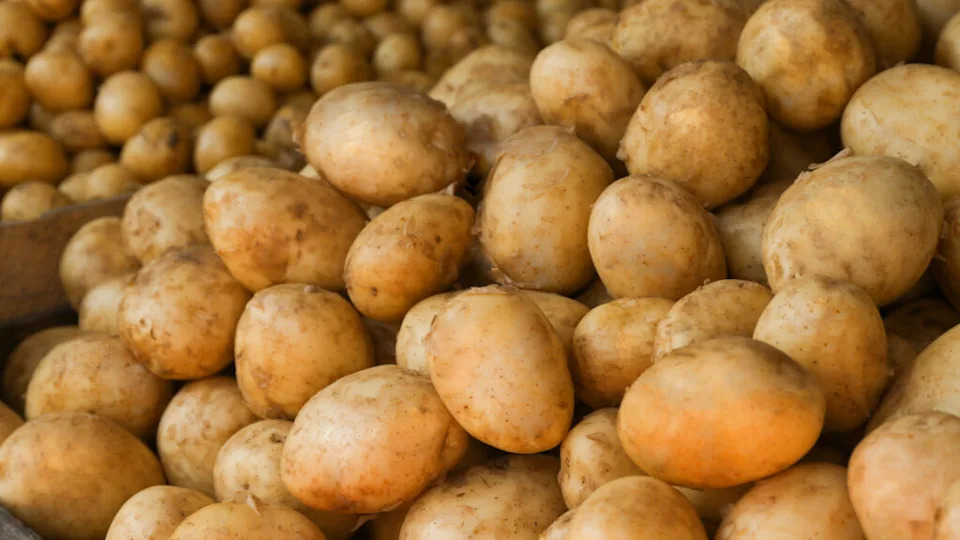
Image Credit: Deposit Photos
Potatoes are a staple crop that comes in a wide variety of colors, including russet, red, yellow, and purple. They’re a good source of vitamins, minerals, and fiber.
Plant seed potatoes in early spring when the soil can be worked. They prefer well-drained, loose soil and consistent watering.
How to Grow Potatoes: Trench or Hill Method
Onions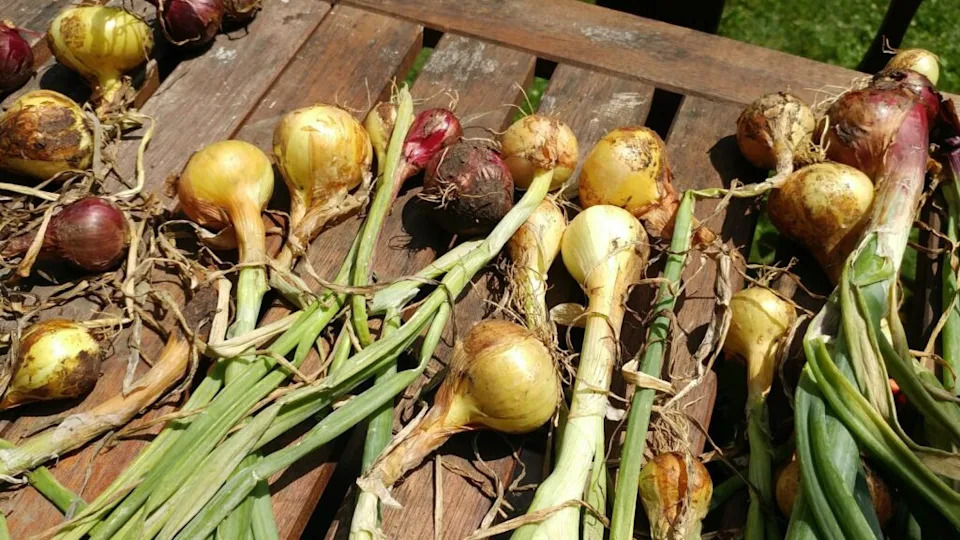
Image Credit: Homestead How-To
Onions, a staple in global cuisines, can be grown from seeds, transplants, or sets (small bulbs). While easy to grow, the initial planting requires effort. Transplants are the simplest and fastest to mature. Onions need a long growing season but are otherwise low-maintenance.
Beets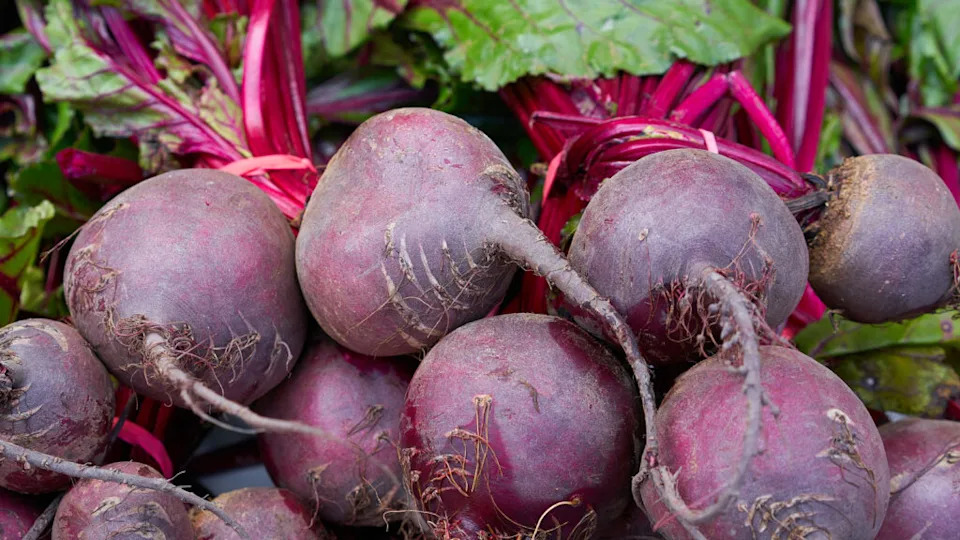
Image Credit: Deposit Photos
Beets, known for their nutritious roots and greens, are quick-growing vegetables that taste best when harvested young. The entire plant is edible. It makes a great addition to a salad or to roasted dishes. Plant them in well-drained soil and water regularly.
Radishes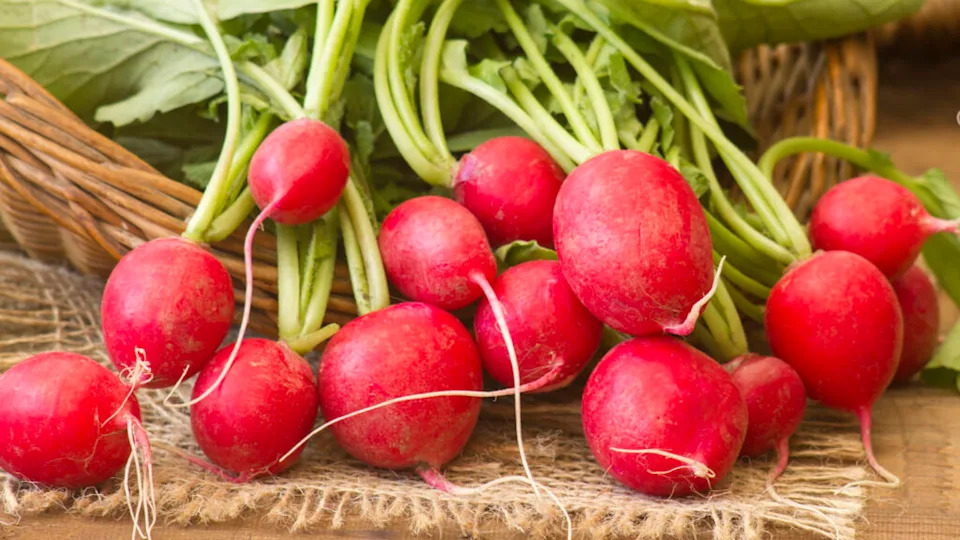
Image Credit: Deposit Photos
Radishes are one of the quickest-growing vegetables, with some varieties ready to harvest in three weeks. They add a peppery kick to salads and dishes.
Plant radish seeds in cool weather and well-drained soil. They need full sun to partial shade.
Sweet Potatoes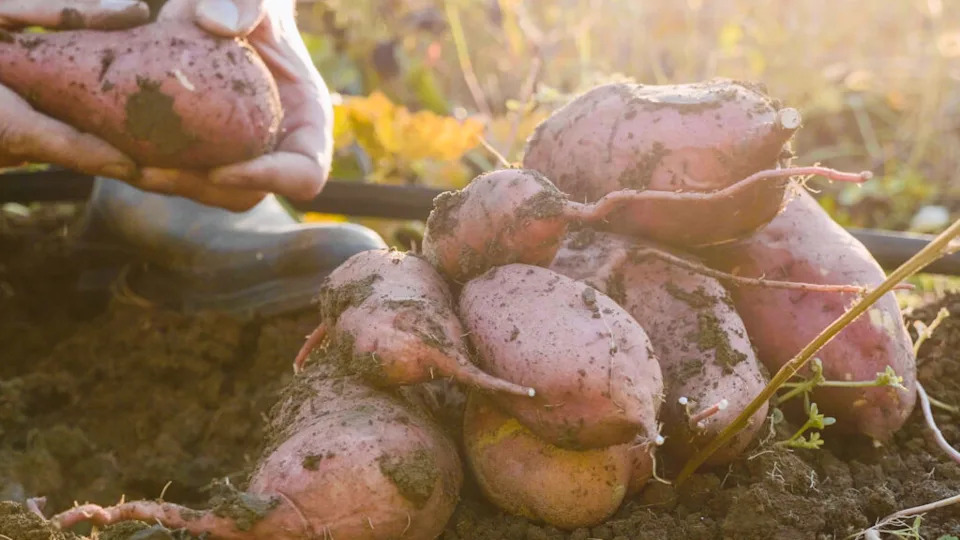
Image Credit: Deposit Photos
Sweet potatoes, rich in vitamin A and sweet in flavor, need a long, warm growing season. Plant their slips after the last frost in well-drained, sandy soil under full sun.
Turnips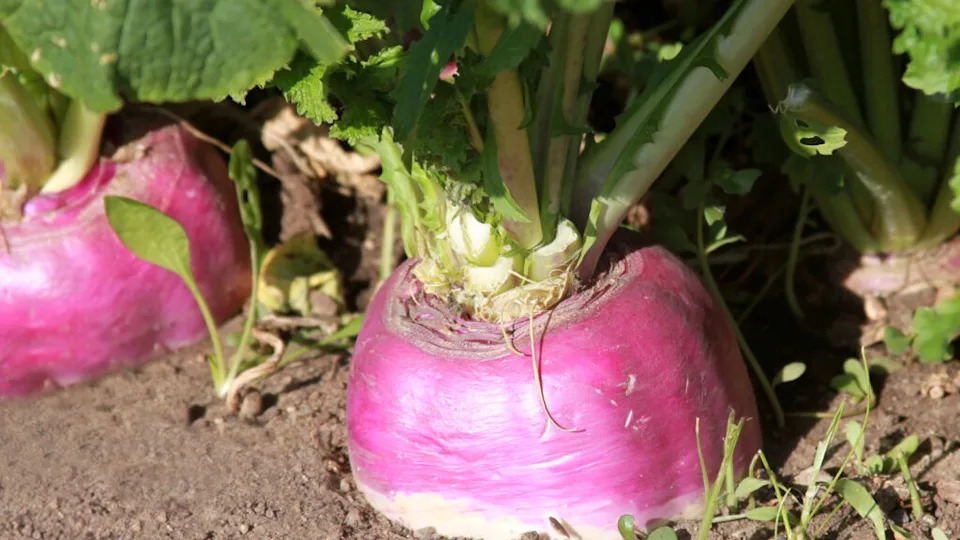
Image Credit: Deposit Photos
Turnips can be grown for both their roots, which are sweet and tender when young, and their greens. They’re a great source of Vitamin C. Sow turnip seeds in early spring or late summer for a fall harvest. They grow best in full sun, keeping the soil moist and mulched. Harvest small turnips to allow others to develop and mulch heavily.
Parsnips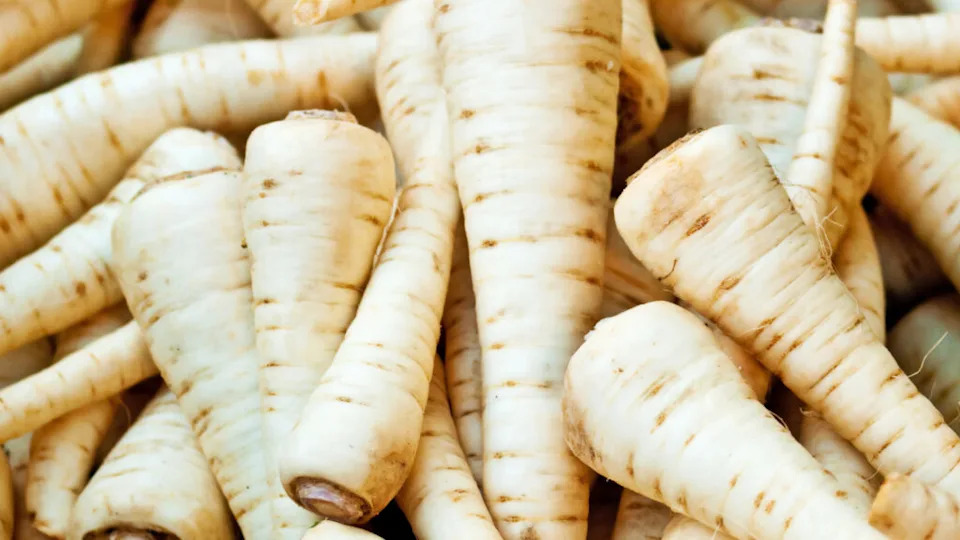
Image Credit: Deposit Photos
Parsnips, with their sweet, nutty flavor, enrich soups and stews. High in fiber and potassium, they require a long growing season and mature in about 16 weeks. Plant seeds in early spring in deep, well-drained soil. Leaving them in the ground until after the first frost enhances their sweetness.
Leeks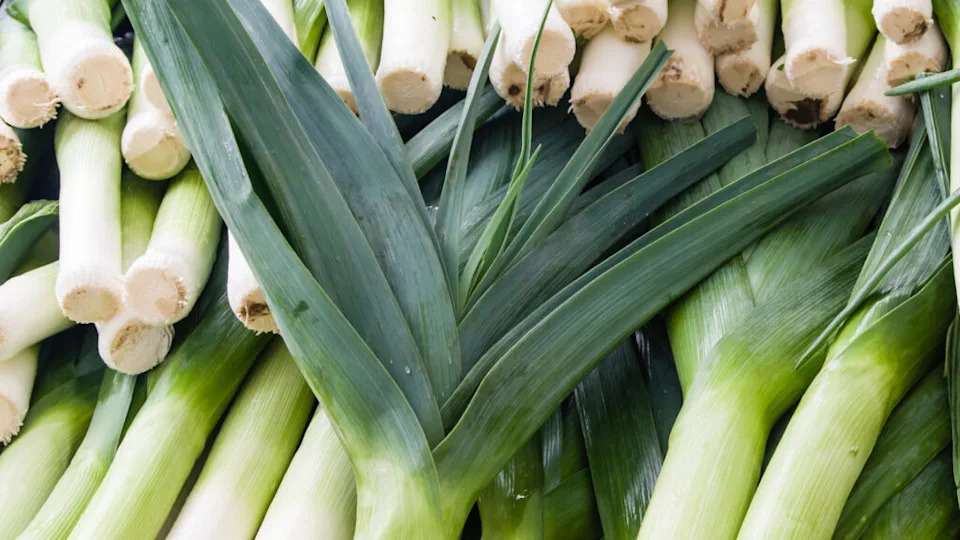
Image Credit: Deposit Photos
Leeks, related to onions, withstand frost well and are used in a variety of dishes, such as stews and soups. The entire plant can be eaten. Plant them similarly to onions, but bury them deeper, ensuring only 1-2 inches of the leaves are above the soil to aid their growth.
Ginger
If your climate permits, consider growing ginger. This versatile root offers a bold, sweetly spicy flavor and makes an excellent tea. Ginger is easy to cultivate, even in containers for those with limited space.
Rutabagas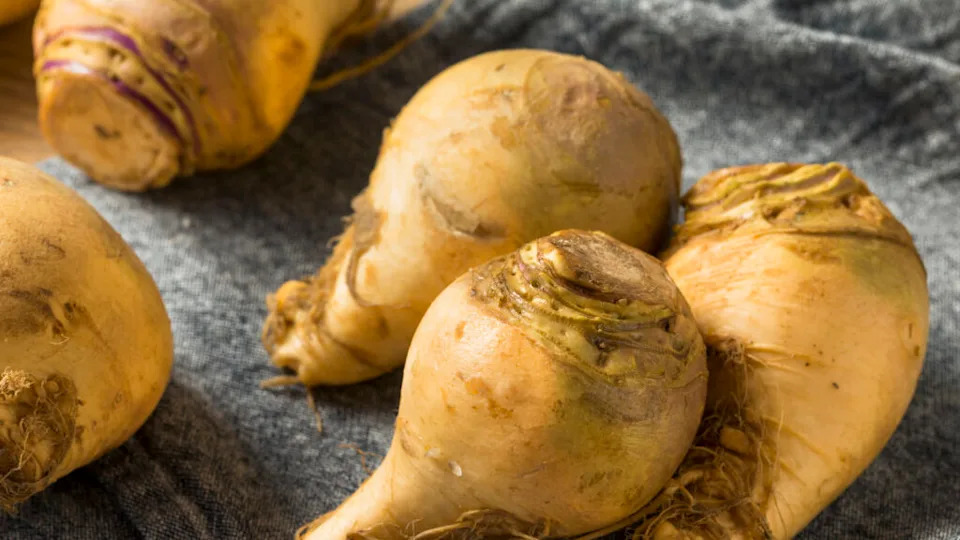
Image Credit: Deposit Photos
Rutabagas, a hybrid of turnips and cabbage, boast a sweet and slightly peppery taste. They are bigger than turnips, with yellowish flesh, and can vary from crisp and tangy when raw to buttery when cooked.
They’re easy to grow, require little space, and face a few pest issues. However, they need at least 90 days to grow, so start early if you have a short season. Sow seeds in late spring for a fall harvest in full sun and rich soil. Keep them watered and weed-free, harvesting in fall when they’re 4 to 6 inches across.
Salsify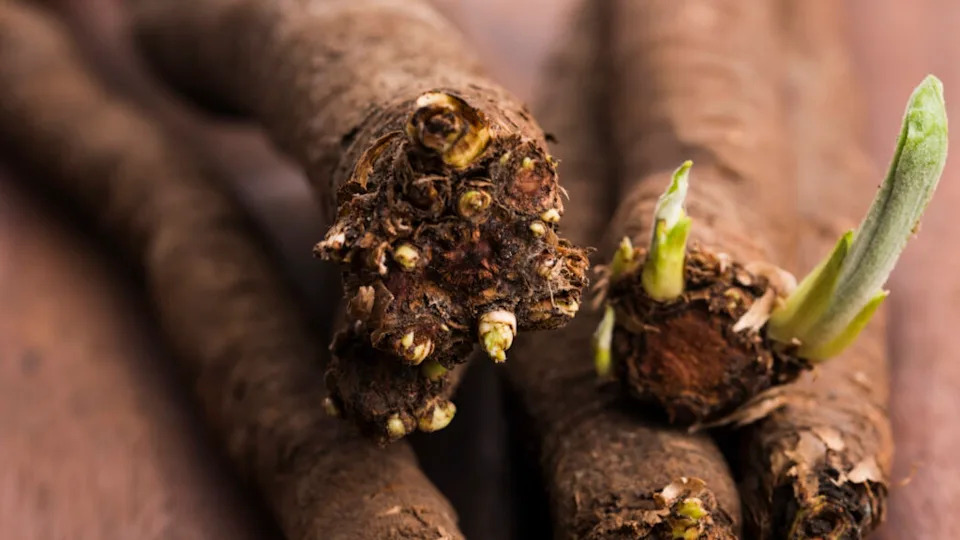
Image Credit: Deposit Photos
Salsify is a rare but rewarding root vegetable. It is often called the oyster plant for its mild, oyster-like flavor. Plant the seeds in spring in deep, loose, well-drained soil. Like parsnips, it requires a long growing season and matures in 3 to 4 months.
Comments are closed.