
WITH the nesting season now getting into full swing, our gardens are a valuable food source for adult birds with hungry chicks to feed.
I have been watching a pair of blackbirds busily foraging for worms and insects on what I optimistically call my ‘lawn’. They peck furiously among the moss and daisies, then fly off with a beakful of food to a high hedge, where I am sure they have a nest.
It’s satisfying to know that my rather unkempt garden is playing its own small part in supporting the neighbourhood blackbirds.
Blackbirds are now busy feeding hungry young in the nest. (Image: Pixabay)
On a countrywide scale, gardens have an important role in maintaining healthy bird populations. That’s why every January the Royal Society for the Protection of Birds encourages the public to take part in its Big Garden Birdwatch, which provides a snapshot of how our common birds are faring.
This year, more than 650,000 people took part, counting more than nine million birds of over 80 species, making it the world’s largest bird survey.
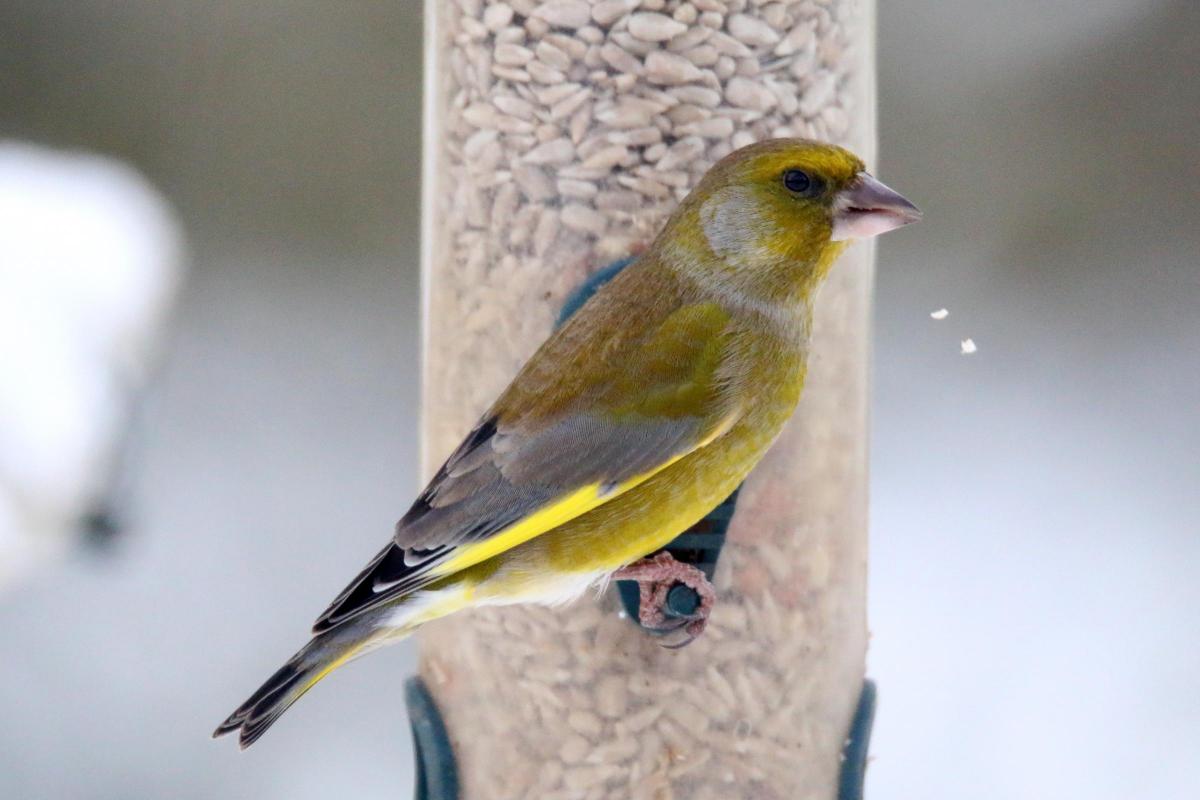
The results from this year revealed that once again the house sparrow held on to the top spot. In sharp contrast, the greenfinch came way down the list at number 18.
The RSPB says the greenfinch has seen a 67 per cent decline in average numbers recorded since the Big Garden Birdwatch began in 1979.
Greenfinch numbers have fallen dramatically (Image: Pixabay)
So, why the big drop? The group states that the cause of these losses is disease, especially a disease called trichomonosis, which spreads more easily when birds gather around feeders — particularly in summer and autumn.
As a result of these declines, greenfinches are now on the UK Red List due to disease-related issues.
The house sparrow is top of the garden bird league. (Image: Pixabay)
With the help of other experts, RSPB scientists have taken a fresh look at what happens when we feed garden birds. It turns out the picture is quite mixed. There are clear benefits, but also some risks, and plenty that are not fully understood.
The RSPB’s chief executive, Beccy Speight, said: “Feeding birds is something millions of us love and value, but the science shows us that birds such as greenfinches have been affected by the spread of disease at feeders.”
We are now being asked to feed birds in different ways. (Image: Pixabay)
As a result, the RSPB has issued the following advice on how to feed garden birds safely throughout the year:
Feed seasonally: It’s important to adjust what we feed our garden birds during the summer and autumn months when there’s a higher risk of disease spreading.
From May 1 to October 31, pause filling your bird feeders with seed and peanuts to prevent too many birds gathering in one place. It’s okay to keep offering small amounts of mealworms, fat balls, or suet year-round.
Feed safely: Just one infected bird can turn your busy feeder into a disease hotspot. To help keep birds healthy, we need to prioritise hygiene.
First, clean and move your feeders weekly. Get into the habit of giving your feeders a good clean at least once a week. If possible, place your feeders in a different spot after each clean to prevent the build-up of contaminated debris underneath. Any existing debris should be cleared up.
Change water daily. You should only offer water if you’re able to change it every day, and make sure it’s tap water. Water baths should also be cleaned weekly.
Retire flat-surfaced feeders: Research has confirmed that there’s a higher risk of the disease spreading on flat surfaces, where contaminated food can collect for other birds to eat. This means bidding a fond farewell to feeders that have any flat surfaces – including bird tables.
The conservation group says there are plenty of other things we can do to help birds find their own food. One is to consider bird-friendly planting – such as sunflowers, teasels and ivy – which helps to provide natural, safer food sources and encourages insects.
Comments are closed.