
The search is over, here is your guide to making your very own bat house in your garden.
Following the recent success of the Canal & River Trust’s ‘luxury bat hotels’ housed in wartime pillboxes along the Kennet and Avon Canal, many West Berkshire residents were left wondering: “Can I do the same at home?”

While most back gardens aren’t equipped with historic concrete bunkers, experts say that residential green spaces are becoming the new frontline for conservation.
With the UK’s bat populations becoming increasingly reliant on urban corridors, your patio or lawn could be the vital link they need.
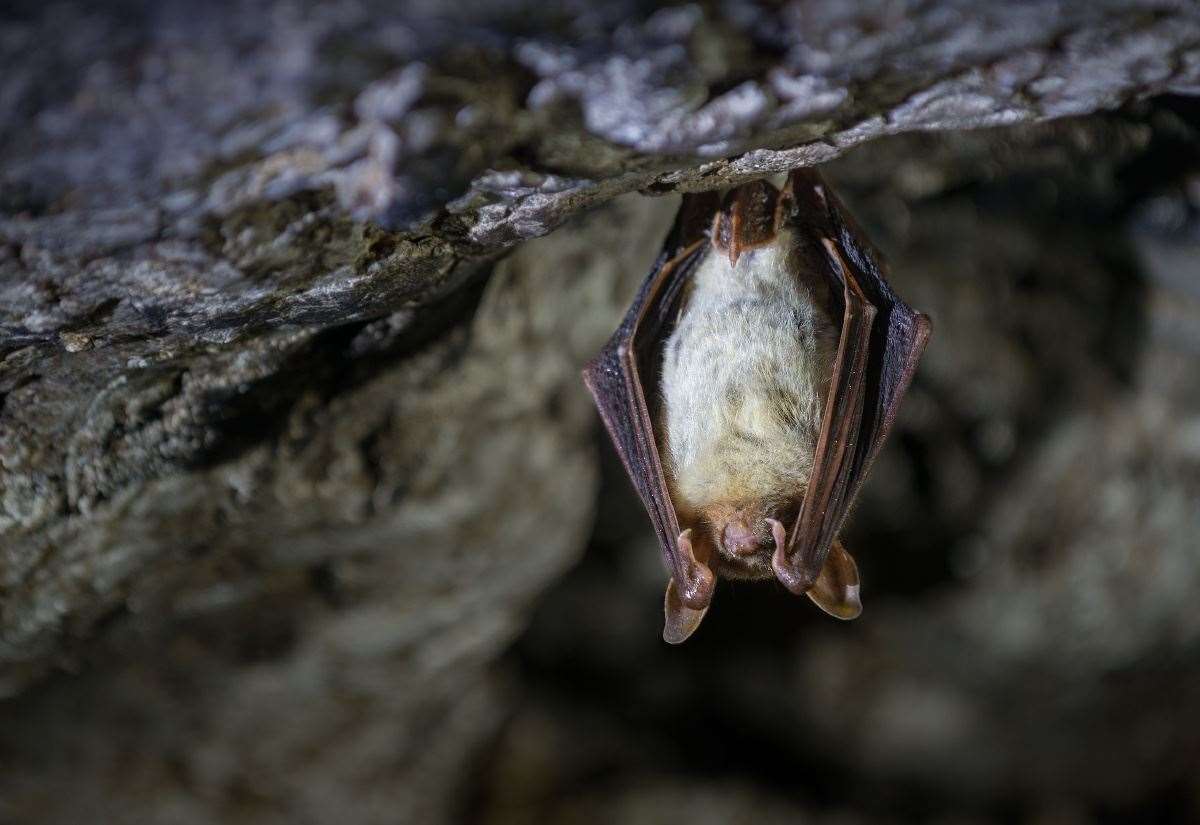
Greater mouse-eared bats were once thought to be extinct in the UK
Here is how you can turn your garden into a bat-friendly zone this weekend.
To attract your nocturnal neighbours, you need to provide two things – a safe place to sleep and a reliable source of food.
1. The bed: Installing a bat box
Think of this as the suburban version of the pillboxes.
Unlike bird boxes, bat boxes have a narrow entry point at the bottom to keep predators out.
• Height is key: Mount your box at least four metres high on a building or a sturdy tree.
• Staying warm: Bats love heat, so position the box facing south, south east, or south west to catch the midday sun.
• Take-off area: Ensure there are no branches directly in front of the entrance; bats need a clear runway to drop out and take flight.
Ladybird in garden
2. The breakfast: Planting a ‘night buffet’
Bats don’t eat your plants – they eat the insects that the plants attract.
By planting night-scented flowers, you are pretty much setting the table for a moth, beetle and fly feast.
• The menu: You can plant evening primrose, honeysuckle, jasmine, and night-scented stock.
• Pale colours: White and light-coloured flowers are easier for nocturnal insects to see in the moonlight, bringing more ‘snacks’ into your garden.
3. The ambience: Creating the perfect lighting
One of the biggest hurdles for bats is light pollution.
Artificial garden lights can disorient bats and prevent them from emerging to feed.
• Switch to sensors: If you need security lighting, try using motion-sensor triggers rather than “dusk-to-dawn” lights that stay on all night.
• Warm tones: If you enjoy garden lighting, opt for warm-toned LEDs and point them downward, away from hedges and tree lines where bats like to forage.
Checklist: Three things you can do this weekend
• Leave a ‘wild square’: Stop mowing a small patch of your lawn – long grass is a perfect place for bugs to live.
• Add a refuelling station: A birdbath or a small pond provides a place for bats to drink and refuel before they take-off again.
• Build a log pile: Tuck some old logs in a shady corner to create a permanent bug hotel.
The flying Pipistrelle bat
The Newbury Weekly News is calling on readers to share their wildlife-friendly success stories.
Whether you’ve successfully installed a bat box, spotted pipistrelles (smallest and most common bats in the UK) swooping over your fence at dusk, or have any other wildlife visiting your garden, we want to hear about it.
A fox enjoying an afternoon nap in the sunshine on Greenham Common
Turning Newbury into a wildlife-friendly town doesn’t require a pillbox – it just requires a little local love.
Email your stories and photos to newsdesk@newburynews.co.uk
For more advice on bat conservation and to find the right box for your garden, visit the Bats Conservation Trust website.
Comments are closed.