
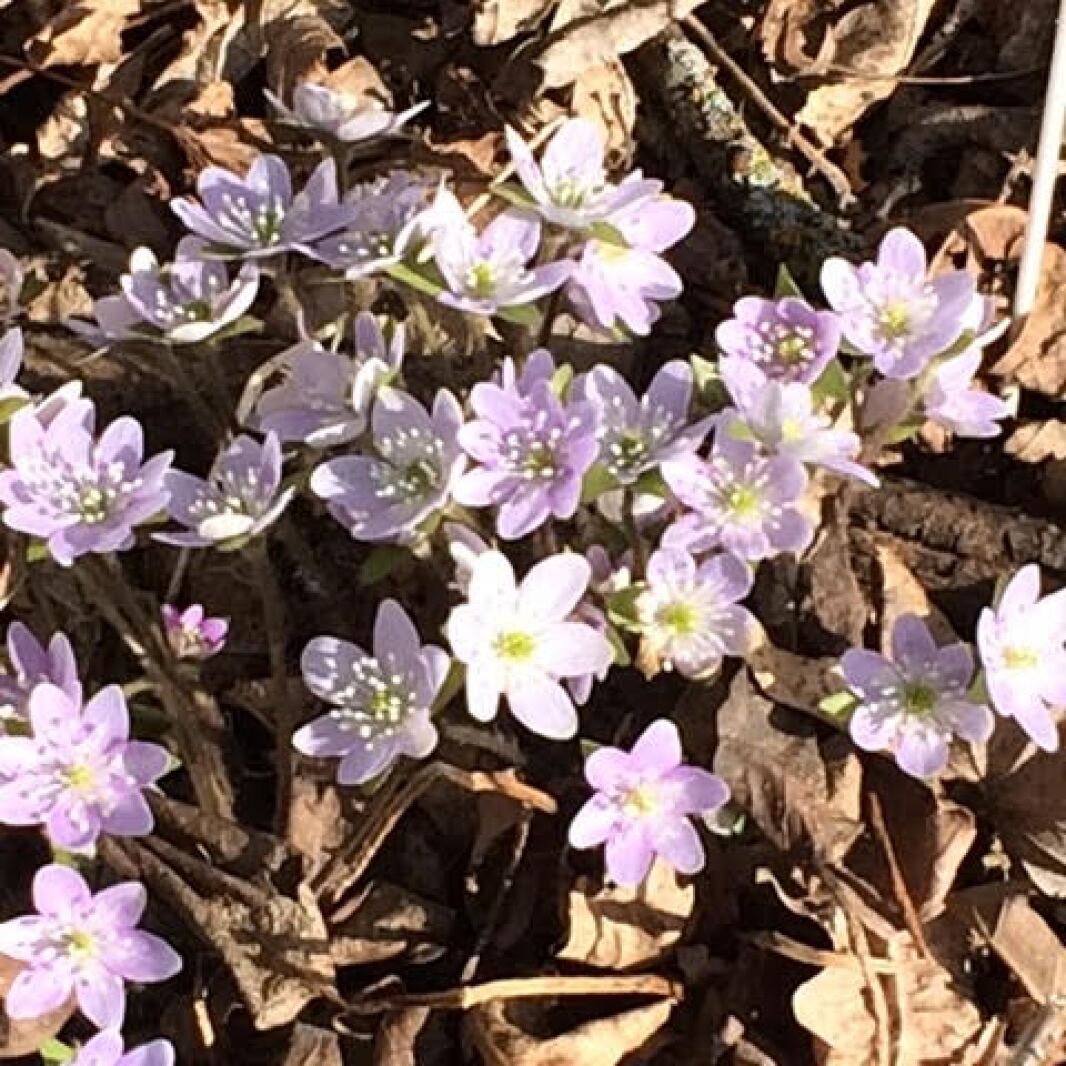
Spring at last! The only bad part of spring is there is so much to do out in the garden and yard, that we don’t know what to do first.
Weather permitting and if the ground is ready, now is the time to direct sow radish, peas, carrots, parsnips and even beets, once soil temperature goes above 45 degrees.
Corn, potatoes and even beans can be planted by the end of the month. (Assuming you didn’t plant potatoes on Good Friday. Probably not as it was quite cold that day.)

A good idea is to plant radish in the same row as parsnips. Radish are quick to germinate and will mark the row for the later emerging parsnips. As you harvest the radish, this leaves more room for the parsnips to grow.
All of the above are able to go in about two weeks before our last frost, assuming frosts remain light. My rhubarb started peaking through the ground at the end of March.
The first perennials are popping out of the ground to give us hope for the growing season. The first to be seen: bloodroot, crocus, squill, fern leaf peony, tulips, daffodils, allium, and other spring blooming bulbs.
This winter was similar to last year when we had minimum snow cover. In December we had freezing rain, covering everything with ice for at least a month. (So bad that the garbage truck got stuck on solid ice in my yard and had to call a wrecker.)
I don’t know how many times snow melted and then we got snow, it melted, repeat. We had a cold snap in the middle of January with very little snow cover, so hopefully our perennials made it through all the temperature variations.
It’s a good idea to add compost to your vegetable beds at this time if you didn’t do it last fall. Apply 1 to 2 inches of compost to the surface. This is also a good mulch.
If you started seeds indoors, remember you need to slowly transition them outdoors to get them used to full-strength sunlight. This is called hardening off.
It usually takes 10-14 days to slowly get them used to full sun, winds and slightly cooler temperatures. Back off on watering while doing this as it helps the plants transition.
We hear lots of talk about getting a rain barrel to catch and use rain. Rain barrel water is great for perennial flowers and houseplants. The University of Minnesota Extension doesn’t recommend using rain barrel water on vegetables since it can contain bacteria that washes off your roof when it rains.
If you are thinking about adding trees to your yard, you can still plant bare-root trees if you can still find them. It is advised to soak the roots in a pail of water for a few hours before planting. Spread the roots out when planting so they don’t circle the tree as they grow.
Newly planted trees and shrubs need regular and consistent watering until root systems establish. Proper mulching helps regulate soil moisture and temperature and decreases weed pressure.
After planting, root systems will grow and establish until they are much wider than the above-ground portion of the plant.
They should be watered when you plant them and at these intervals: 1-2 weeks after planting, water daily; 3-12 weeks after planting, water every 2 to 3 days and after 12 weeks, water weekly until roots are established.
Don’t assume rainfall is enough to skip watering. Only skip hand watering for the interval listed above if there is substantial rain (e.g., over 1 inch in a given day).
Newly planted shrubs can be considered established when their root spread equals the spread of the above-ground canopy. In Minnesota, this will likely take at least two growing seasons.

Master Gardener Sue Morris has been writing a column since 1991 for Kandiyohi County newspapers. Morris has been certified through the University of Minnesota as a gardening and horticulture expert since 1983. She lives in Kandiyohi County.
Comments are closed.