
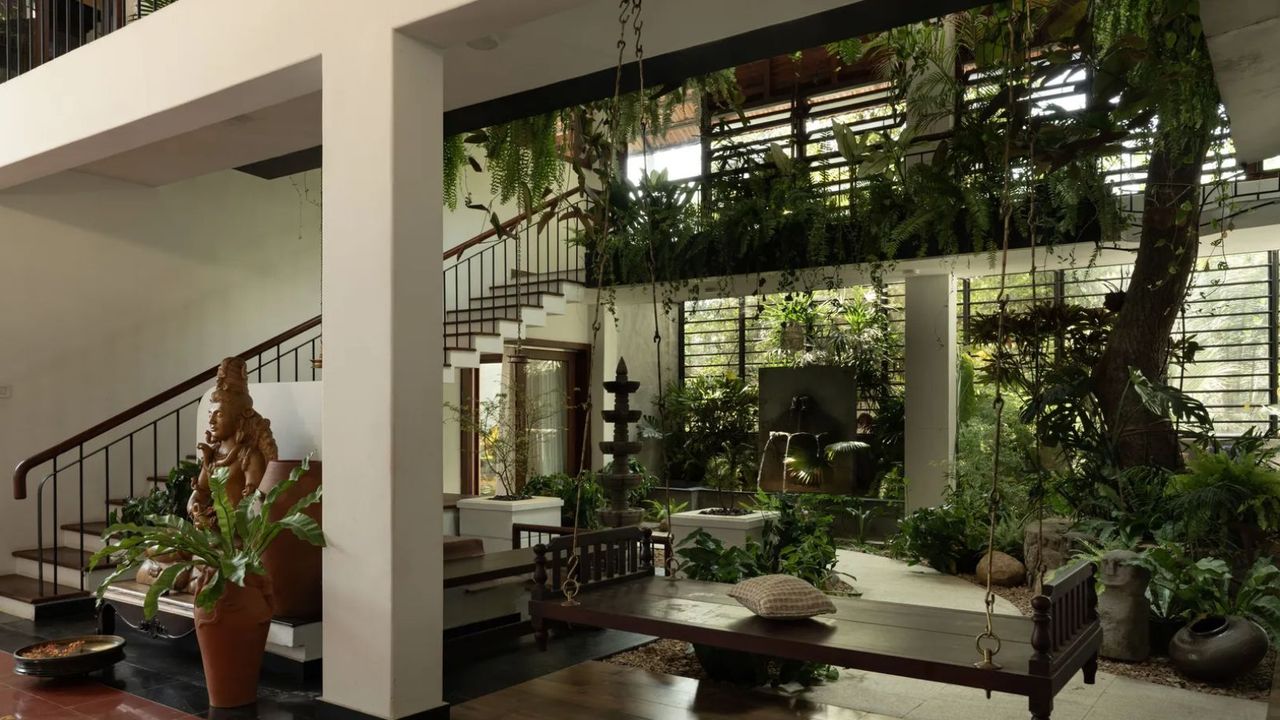
The Indian summer has arrived with more than its familiar intensity this year. Most homes have turned to mechanical fixes—air conditioners humming, ceiling fans whirring at full tilt. Yet, tucked into corners and trailing across window sills, a quieter, more considered ally endures: the humble houseplant.
It would be misleading to suggest that indoor plants can lower room temperatures in the manner of an appliance. What they offer instead is subtler, though no less perceptible—a shift in how a space feels. The mechanism behind this lies in transpiration, a botanical process through which plants release moisture into the air.
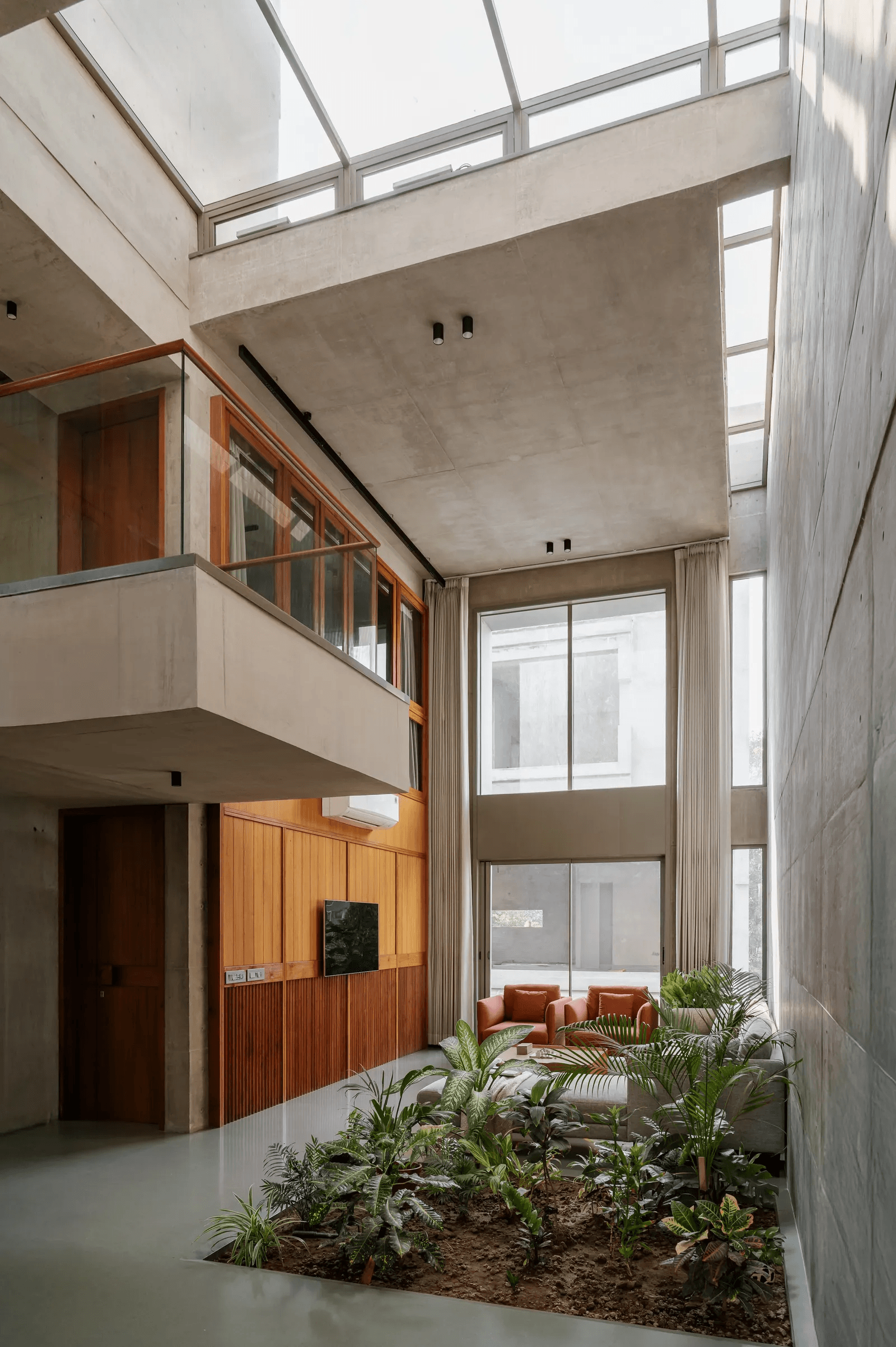
Pratik Chandresa
“Plants absorb water through their roots and release it as vapour through their leaves,” explains Cyrus Elavia, proprietor of Plants World Nursery in Mumbai. “This slight increase in humidity can make a room feel cooler and more comfortable, particularly in dry, air-conditioned environments.”
The effect is less about measurable temperature reduction and more about cultivating a breathable, moderated atmosphere—one that feels softer against the skin and easier to inhabit through long summer days. Certain houseplants are especially effective at this natural humidifying process, owing to their leaf structure and water retention capacity. Selecting the right combination can help create what Elavia describes as a “microclimate cluster”—a grouping that amplifies their collective effect.
Areca Palm (Dypsis lutescens)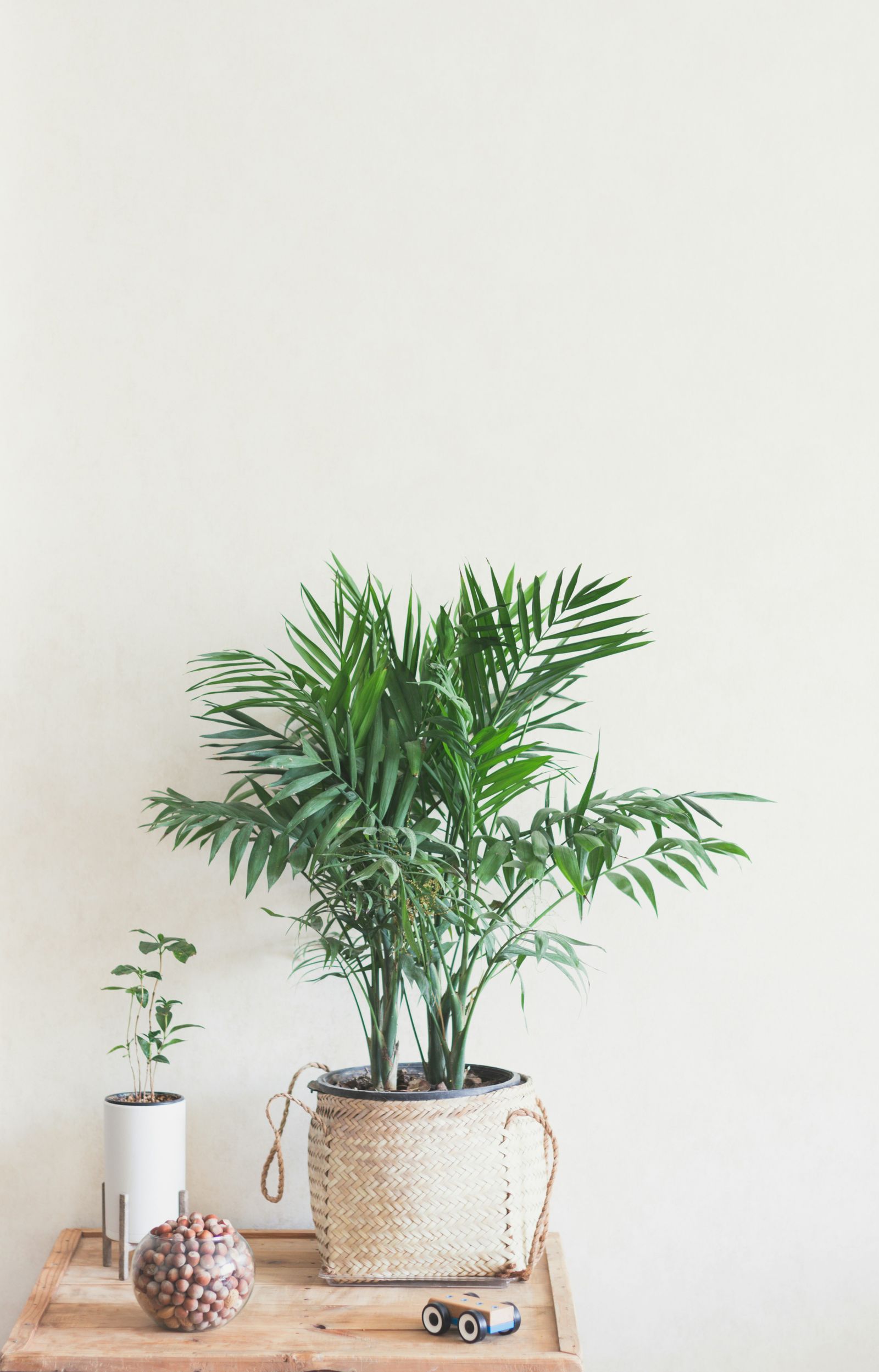
Behnam Norouzi/Unsplash
Comments are closed.