
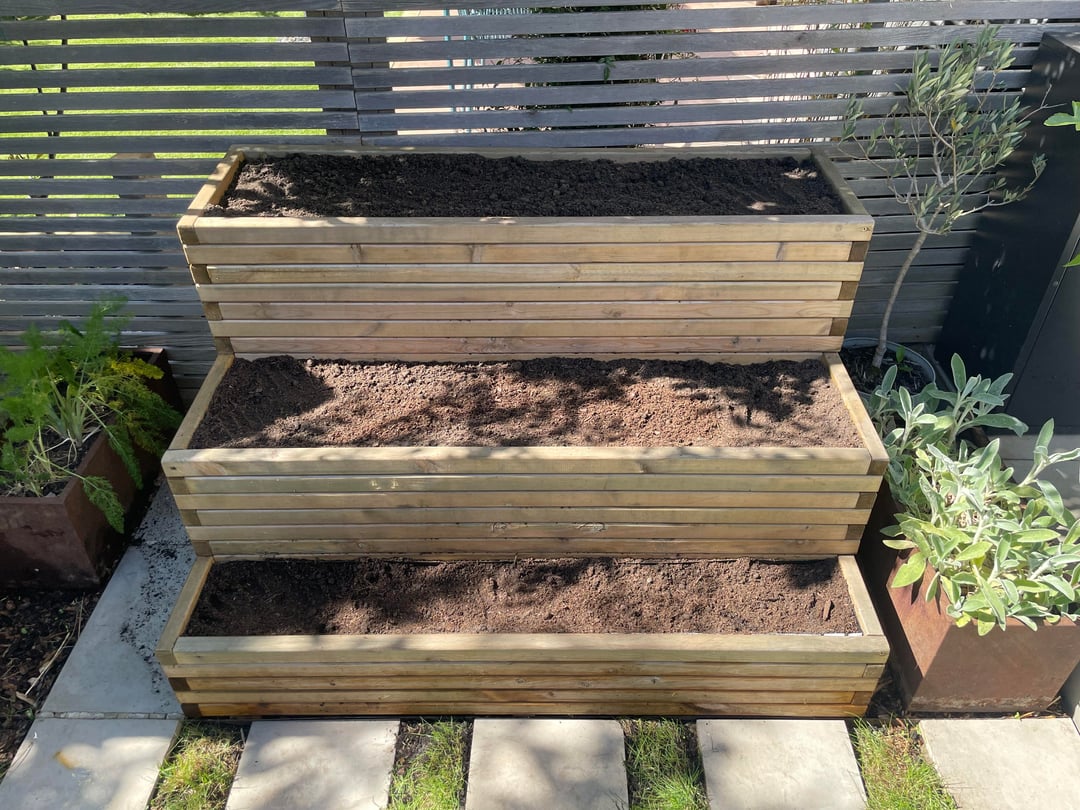
I'm new to vegetable gardening and have a 3-tier planter filled with a 50 / 50 mix of organic peat-free compost and good quality top soil. Maximum soil depths in the planter are:
Top tier 30" (for Veg)
Middle tier 18" (for Veg)
Bottom tier 8" (for Herbs)
Each tier is roughly 12" wide by 52" long.
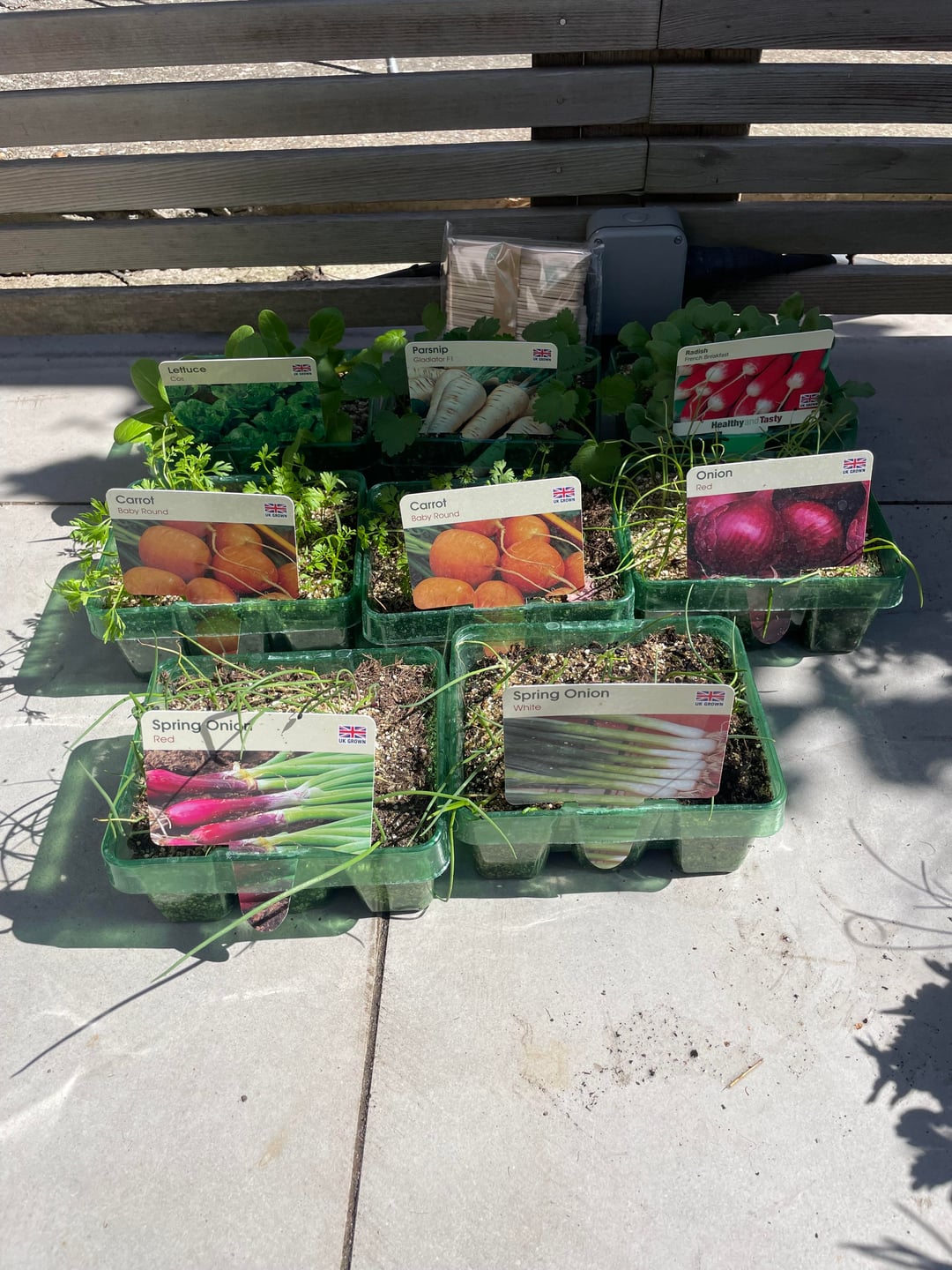
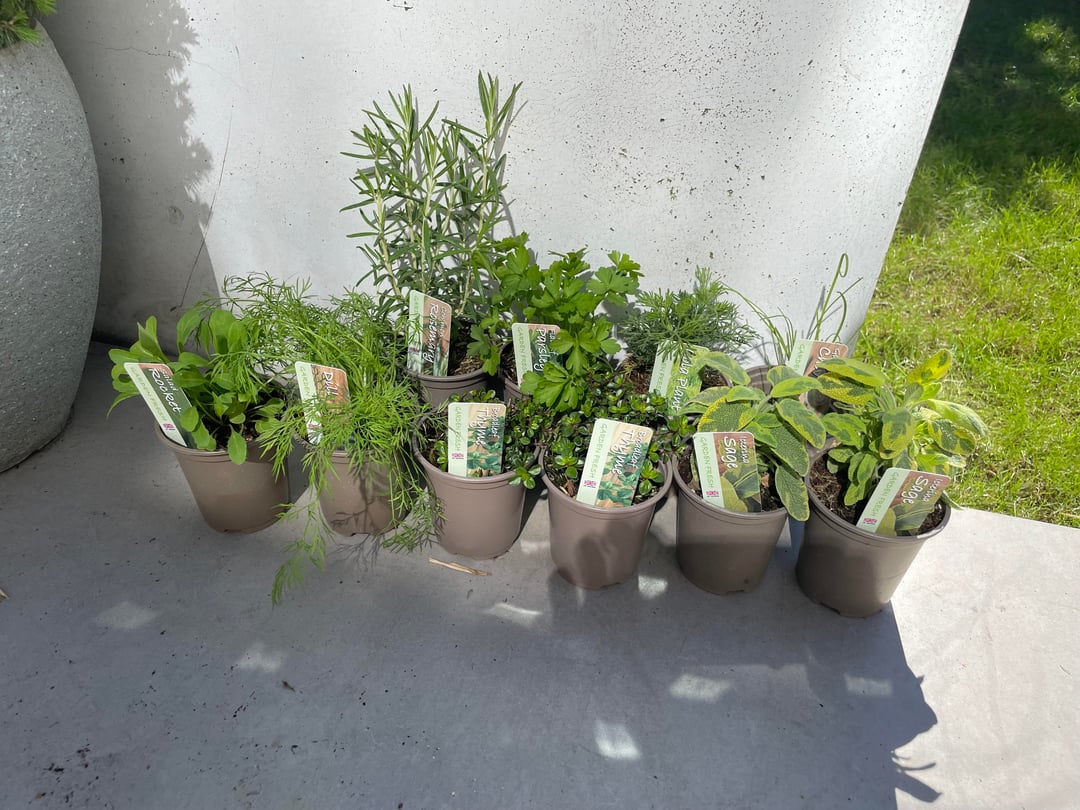
So far I've bought:
Lettuce, Parsnips, Radish, Baby Carrots, Red Onion, Red Spring Onion, White Spring Onion.
Rocket, Dill, Thyme, Sage, Rosemary, Parsley, Chives, Cola (?!).
I'll hopefully buy some tomatoes this weekend too.
Can anyone help me decide which vegetable should go in which tier (top or middle) based on root depth plus any general tips on planting both the veg and herbs and how to space everything?
by PlasticAttorney1980
7 Comments
The tiers have enough height separation that it really doesn’t matter for your selection. However, I would put herbs in the top tier because it’s likely going to be the thing you harvest most frequently. Your carrots are shorts so will work in any of these tiers. Parsnips probably middle tier. Just comes down to preference with this setup and selection.
Here’s what AI would suggest:
1. The “Mediterranean” Sun-Lovers (Low Water)
These herbs thrive in full sun and well-drained soil. They actually prefer it when the soil dries out between waterings.
* **Rosemary, Thyme, Sage:** These are “woody” perennials that grow perfectly together in the same pot or garden corner. The Old Farmer’s Almanac +1
2. The “Salad Bowl” Companions (High Water)
These plants love moisture and cooler soil. They are excellent “companions” because they use space efficiently.
* **Lettuce, Rocket, and Radish:** Radishes grow very fast (3–4 weeks), breaking up the soil for the slower lettuce and rocket roots.
* **Parsley and Chives:** These “soft” herbs love the same frequent watering as your leafy greens. Gardenary +3
3. The “Pest Defense” Duo
Grouping these two is a classic gardening trick to keep your vegetables healthy.
* **Carrots, Parsnips, and Onions:** Onions (Red, White, and Spring) have a strong scent that masks the smell of carrots and parsnips, confusing the “carrot fly” that would otherwise attack them.
* **Dill:** While dill is great for attracting beneficial insects, keep it slightly away from your carrots as they can sometimes compete.
So, when you’re thinking of what to plant where, there are various considerations. Some benefit from those next to them, some have differing watering needs, some just simply need more space than others.
Tomatoes, peppers, etc…..way too big for this, but doesn’t mean you couldn’t get fabric bags or something
Transplanting root veggies is usually really unsuccessful. I would NOT recommend to transplant but rather direct sow root veggies. Plus I don’t know abt England and your climate but I would think that planting carrots and radishes (plus lettuce depending on variety) are for earlier in spring or perhaps later in fall if its already warm enough for tomatoes. Summer temps typically cause those cool loving crops to bolt before they produce anything.
I would just take your herbs and divvy them up according to height. Not really sure which direction that planter is facing but it seems pretty shaded in. If the bottom tier gets the most light, or the top or whatever put your onions there maybe? Speaking from my personal experience with a very sunny area, I can have my herbs like rosemary and sage in the less sunny spots of my yard and save the prime south facing sunny real estate for my sun loving veg like okra and toms. But really your mileage may vary.
Where did you get the box? I love it.
Transplanting carrots and parsnips is not going to give you good results. Later in the summer this subreddit will be full of posts “Why did my carrots do this?” or “Are my carrots perverted” and although many replies will be about soil quality, the fact is that transplanting carrots will give you carrots in humorous poses that you will want to post online. Parsnips have such a similar growth habit to carrots that I assume it’s similar. Both are best direct seeded.
It’s not a general rule for all root vegetables, though. Radishes and onions (and beets) are fine to start in pots and transplant.
I’d plant all your herbs except maybe parsley and chives in ground. I’d probably stick both the chives and the parsley in their own pots. I can’t read what the plant to the right of the parsley is.
You’d be best sowing these as seeds, but since you’ve got these, I’d inter plant radish and carrots in the middle row. Radish are fast maturing while carrots are slow. By the time the carrots are getting big enough that they’ll need more room, the radishes will be done. I’d plant the parsnips in the back row because they take a long time to mature and I’d probably intermix plant them in the same box as spring onion, which will be quick to mature. It’s not a companion planting I’ve ever done because I don’t grow onions so you may want to check that they play well together. I’d then plant the lettuce, rocket, and the onions together. The tall stems of the onions should have no trouble getting above the level of the lettuce and rocket. Arugula also tends to be fast-growing so will be done quickly. Many lettuce can be cut and come again if you don’t harvest the center.
I lean towards planting the herbs higher up since I have found that taller raised beds dry out quicker.