

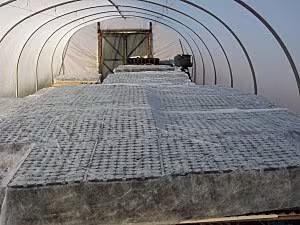
 Fleece covered trays of seeds
The winter months can be a challenging one for both gardener and garden, light levels are low, rain levels are high and ground is generally saturated.
This is where a polytunnel comes into its own, even in weather like today the temperature inside the polytunnel can be a steady 11C, with soil temperatures sitting around 8C, enough for growth to be slow but steady. This is where Fleece comes into its own.
Indeed just at the back of the Donegal ETB centre in Letterkenny we’ve just put up a 42’ long polytunnel for the Horticultural training facility which has been created there.
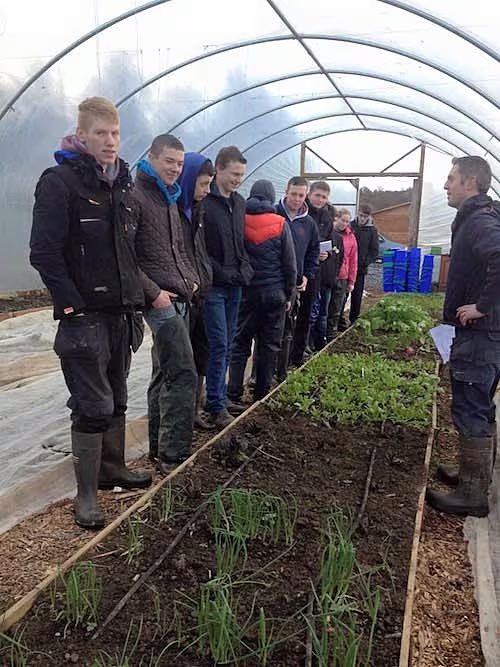 TY Students from Loreto Millford at Ballyholey Farm Shop inspecting fleece covered polytunnel crops
Horticultural fleece, for those who’ve not come across this product before, is a fine bonded polypropylene fabric. Polypropylene is a recyclable plastic material, which is very durable, breathable and surprisingly enough, machine washable! Polypropylene is a very light weight material, weighing about 30g/m2, so it’s suitable for draping over young plants and delicate seedlings without them being crushed flat.
You may also be interested in


Fleece is suitable for use both inside or outside the polytunnel, but it’s during the winter months it really earns its keep. Fleece doesn’t insulate plants, how it works is that it stops the air from moving through the plants, thus reducing heat loss by the plants (plants generate a small amount of heat during Photosynthesis), and it helps to retain some of the heat emanating from the storage heater which is soil. The plants under a fleece layer can be 5C warmer than those without, which is a substantial difference in the winter months. The fleece will also help to prevent damage caused by rapid temperature changes in a polytunnel/greenhouse/garden, such as frost then rapid thaw in the morning sun.
Downside of Fleece? There’s a few in my opinions. Slugs being a biggie, when you have fleece over your plants you can’t see the slugs, so careful management with some slug pellets, coffee grounds or such should be sought. Aesthetics, large sways of fleece aren’t as pretty as nice rows of young plants….but in the winter you’ll not be out in the tunnel as much, so this isn’t as big a concern as you think. It can take off! – that is fleece used in the garden, which isn’t weighted down properly will easily end up wrapped around your neighbours chimney, so trenching in all the way around is vital when using outdoors.
 Fleece covered Spinach crops
Horticultural fleece is breathable, so won’t slow the rate of growth of your plants by restricting carbon dioxide, now will it be a disease magnet like putting sheets of plastic close to your plants. When sourcing your Fleece make sure it’s UV resistant, thus you’ll have it for a good few years.
With the changing in pesticide regulations and reduce availability of chemicals we’ll all be using fleece more as a pest prevention for the summer garden, so when you have it, put it to work in the winter too and get an extra crop/ extra start next year!
 Gareth Austin
Gareth Austin is resident Horticulturist with BBC Radio Foyle, a member of the Chartered Institute of Horticulturists and Horticultural Lecturer with the National Learning Network. For more see www.garethaustin.com or join Gareth on Twitter @GardenerGareth .
Comments are closed.