
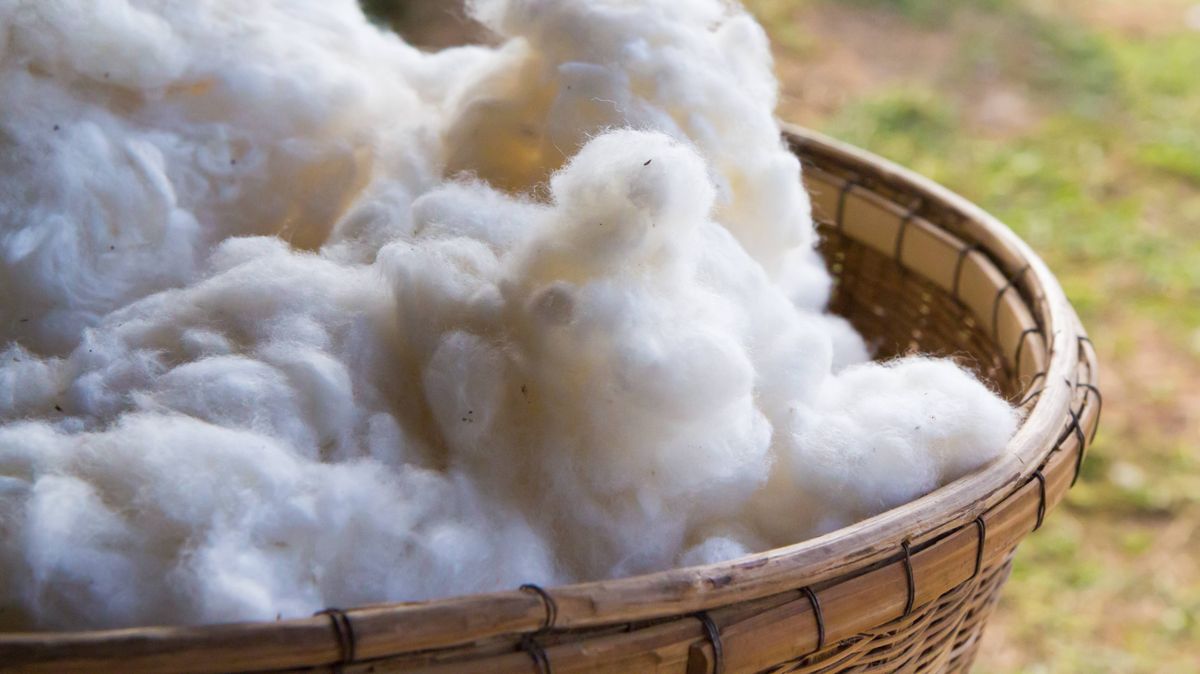
Gardeners are urged to put sheep wool in their gardens to help give plants a chance to thrive later on this year
Katherine McPhillips and Ellen Jenne Senior U35 Spare Time Writer
07:16, 24 Apr 2026
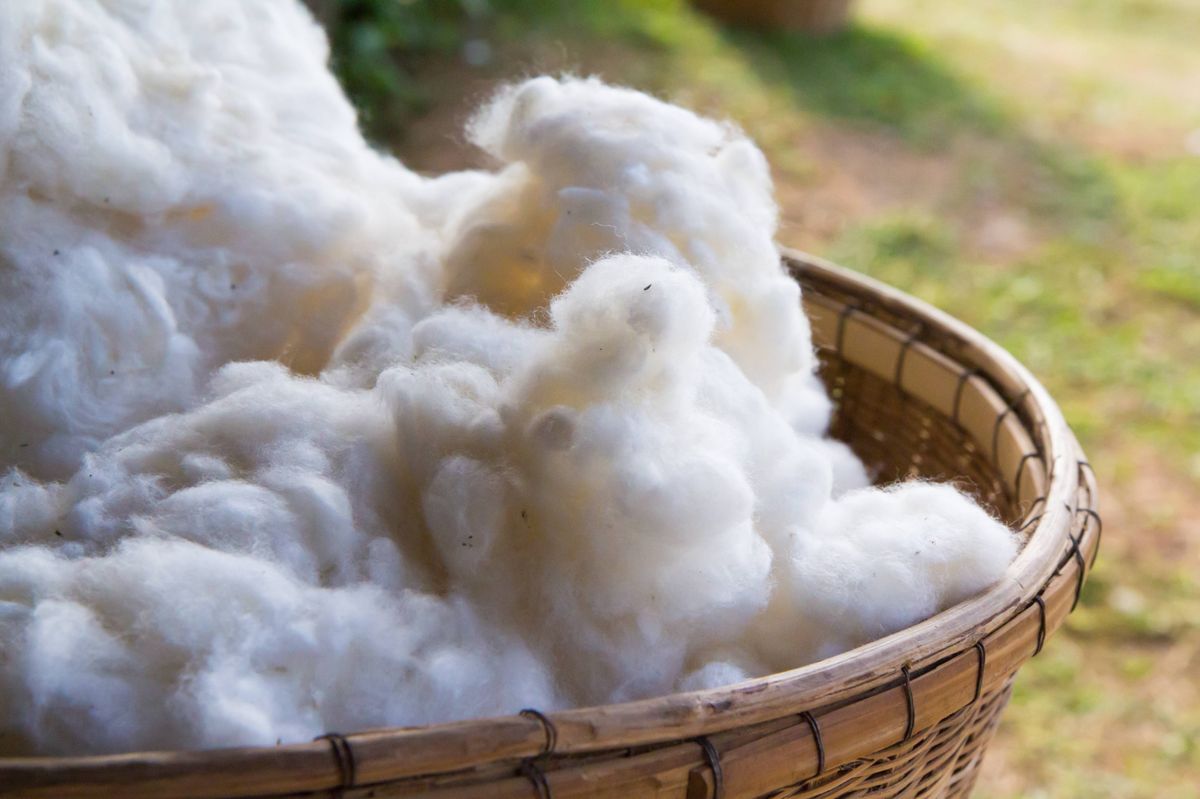
Gardeners urged to put sheep wool in their gardeners to help give plants a chance to thrive later on this year(Image: Ratchat via Getty Images)
Gardeners are being encouraged to scatter wool around their plants at the earliest opportunity, as it ranks amongst the most versatile materials available for a spring garden. It may sound odd if you’ve never given it a go, but sheep’s wool contains natural oils rich in nitrogen, one of the most vital nutrients required for healthy plant growth.
Nitrogen supports foliage development, and plants require greater amounts of it during spring than at any other time of year, as it encourages the production of larger leaves for increased energy. When flowers, fruits, vegetables, or even hedgerows receive sufficient nitrogen, they grow considerably stronger, yielding far more leaves, blooms, or produce later in the season.
Sophie Nicol, a farmer and co-owner of Windrush Farm, has confirmed she incorporates wool into her own garden, highlighting its numerous benefits beyond simply acting as a plant feed.
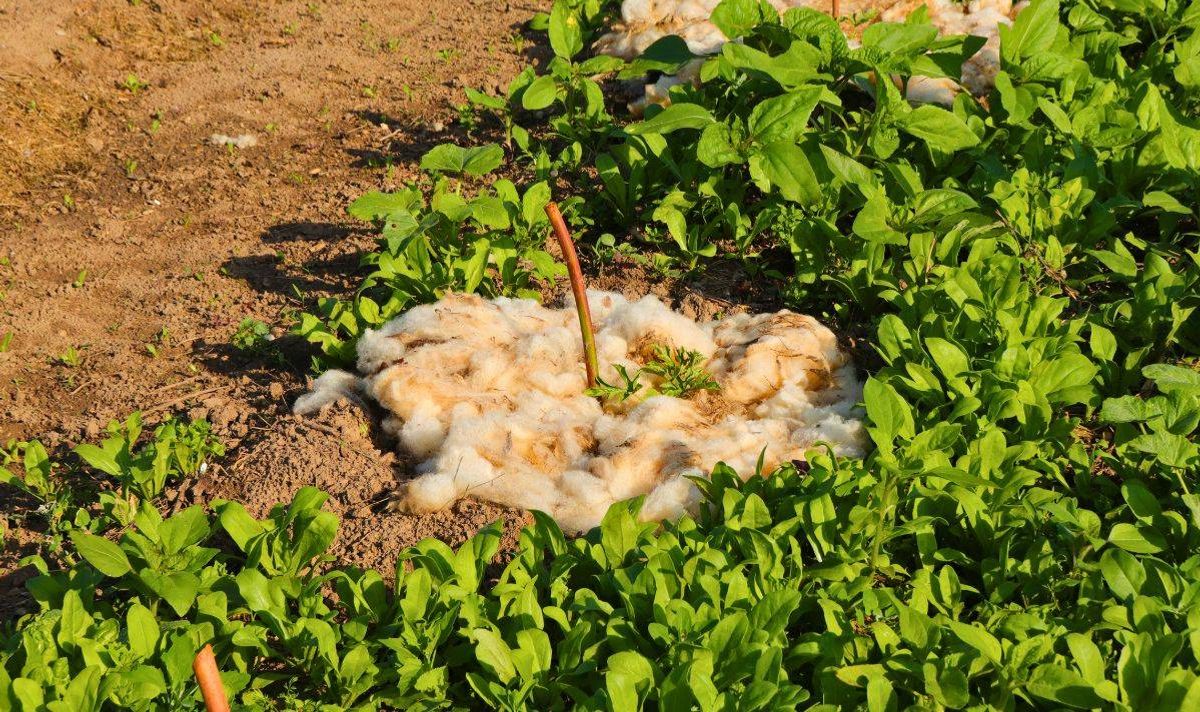
Wool will release nutrients into the soil, keep plants watered and keep weeds away (Image: Getty)
Gardeners are urged to place wool in gardens in April before spring ends, reports the Express.
She said: “We lay the wool around fruit bushes, veg beds, and young trees like a soft, earthy quilt. It’s surprisingly effective.”
How else can you use wool in the garden?
Beyond releasing valuable nutrients, wool also retains considerable moisture, helping to keep your garden hydrated and reducing the frequency with which you’ll need to water your plants.
Plants typically require more frequent watering when they first begin to grow again, though certain crops, such as tomatoes or strawberries, also demand substantial water supplies if you want them to thrive properly.
Flowers, including hydrangeas, tulips, daffodils, or anything cultivated in a pot or hanging basket, tend to dry out more rapidly, meaning wool could save you considerable effort during the spring months.
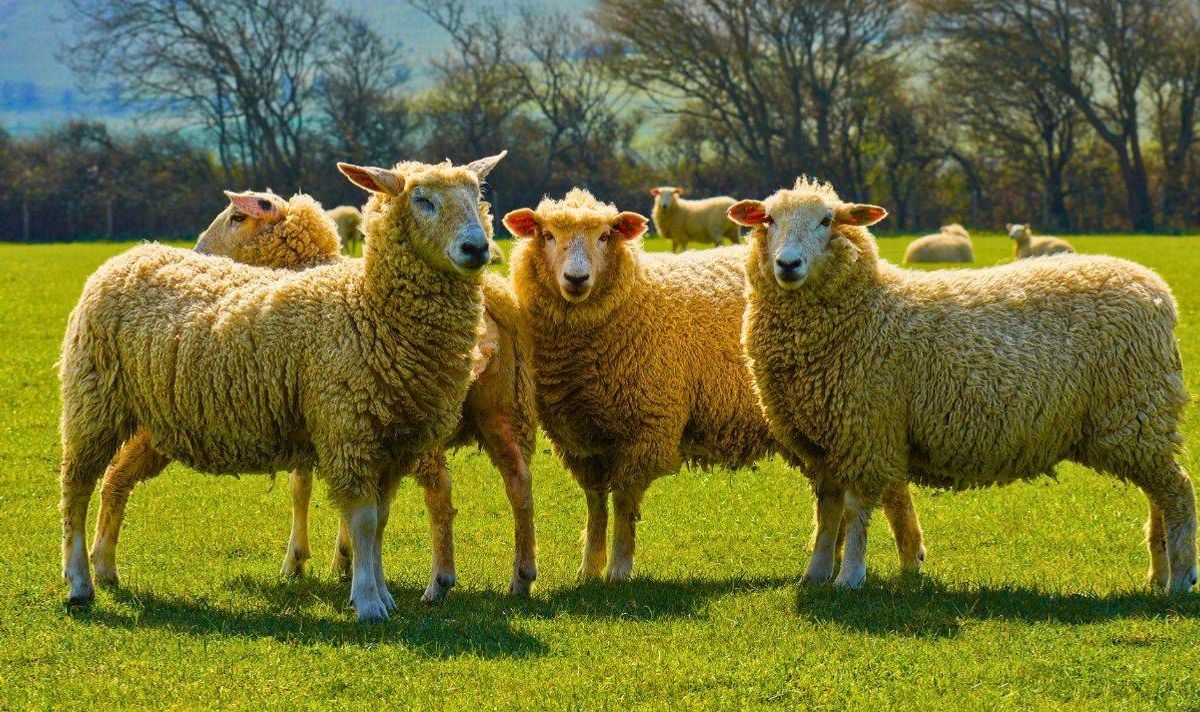
The best time to buy sheep wool is April and May as it when farmers shear their sheep in the UK(Image: Getty)
When wool is spread around a plant, it also suppresses any weeds attempting to take hold, making it a genuine time-saver for a host of gardening tasks this spring.
However, one of the primary reasons gardeners prize wool is that slugs tend to steer clear of it, as the fibres strip away the mucus they depend upon to move, making it unlikely they’ll venture near your plants. Sophie added: “The texture seems to throw slugs and snails off course-an added bonus!”
Wool not only provides benefits for plants, but it is also an environmentally sound choice, removing the need for harmful chemicals or pesticides that can cause significant damage to local wildlife.
How to use wool to help out plants in spring
The ideal time to purchase wool is now, in late April or throughout May, as this is when farmers will be shearing their sheep, ensuring plentiful supplies are available across the UK.
Wool can be sourced from garden centres or local farming websites, and typically comes in raw form, as wool pellets, or as ready-made wool mats.
When applying wool, clear any weeds from the soil beforehand, then spread a thin layer around your plants as a mulch.
Ensure you leave a small gap around the plant stems, as wool retains moisture in the soil, and direct contact with foliage could cause it to rot. Thoroughly soak the wool to assist it in decomposing into the soil, and it should help your garden flourish for the remainder of spring.
Comments are closed.