
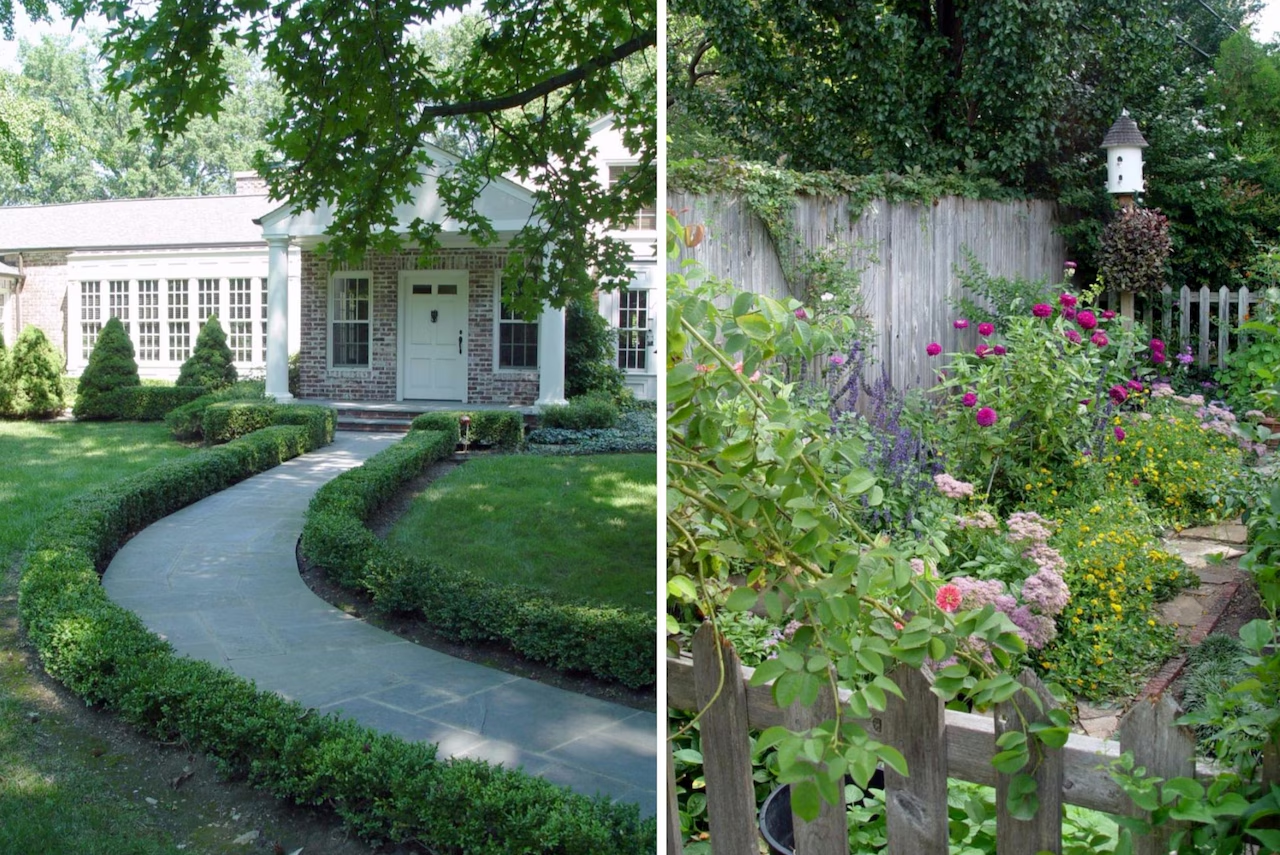
Today – April 22 – is Earth Day, and that occasion is a good milestone to take stock of how “Earth-friendly” your gardening practices are.
Tending a yard can go either way.
Spraying pesticides rampantly and maintaining a grass-and-concrete setting isn’t doing Mother Nature any favors, while planting a diversity of plants, recycling organic waste and adding rain gardens aids the local ecosystem.
How green is your yard? Here’s a 10-point checkup:
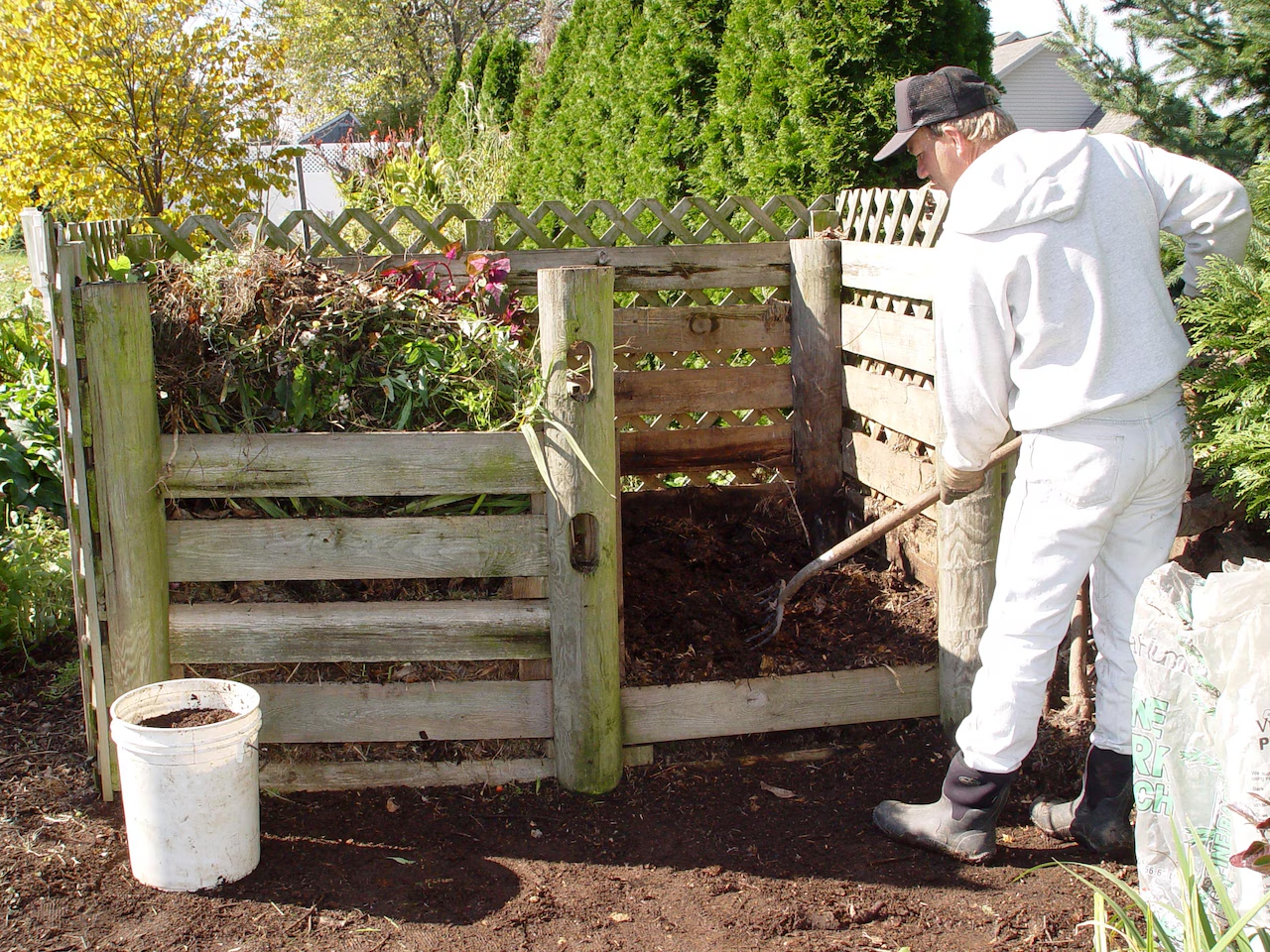 Composting recycles yard waste and kitchen peelings into a superb soil amendment.Susan Weigel1. Do you compost?
Composting leaves, grass clips, kitchen peelings, and other organic yard/household waste not only keeps those items out of the waste stream, it yields the best soil amendment for your plants.
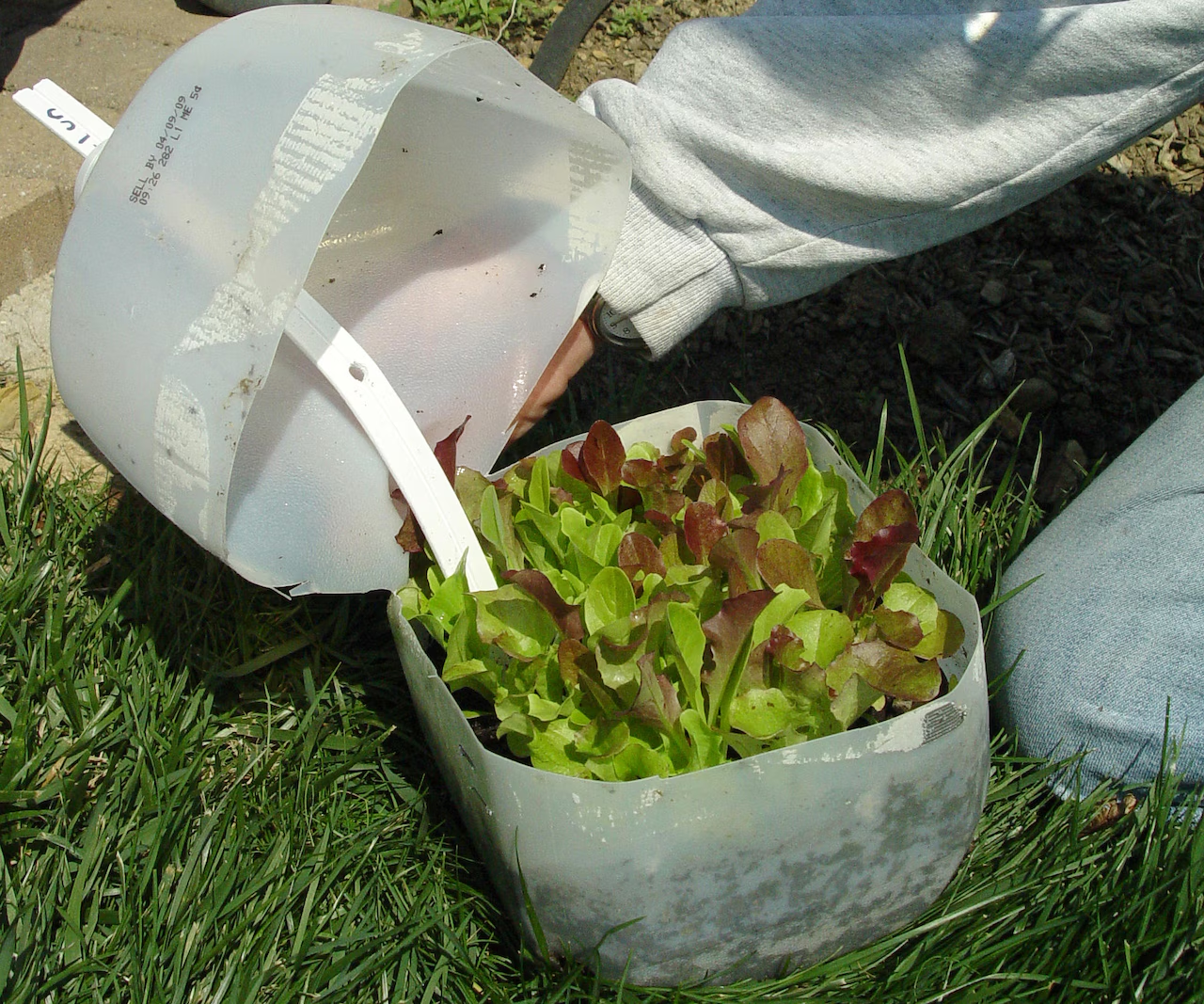 Recycled household items, such as this milk jug, can be repurposed for use in gardening.Susan Weigel2. Do you recycle items to use in gardening?
Composting leaves and such in the compost pile isn’t the only way to recycle around the yard.
Chipped branches can be used as homemade mulch.
Yogurt cups, margarine tubs, and similar plastic containers from the kitchen can be repurposed into seed-starting pots.
Old vinyl blinds and plastic detergent bottles can be cut into strips and used as plant markers.
Even old nylons with holes are useful as plant ties.
3. Do you let grass clippings lie?
Grass clippings feed the lawn as they decay. It’s actually counter-productive to remove this nutritious organic matter.
The trick is to cut often enough that the grass doesn’t leave mats and clumps.
If you get behind in your mowing due to lots of rain or a vacation, direct clips into the center of the yard, rake the channels, and add the clips to the compost bin.
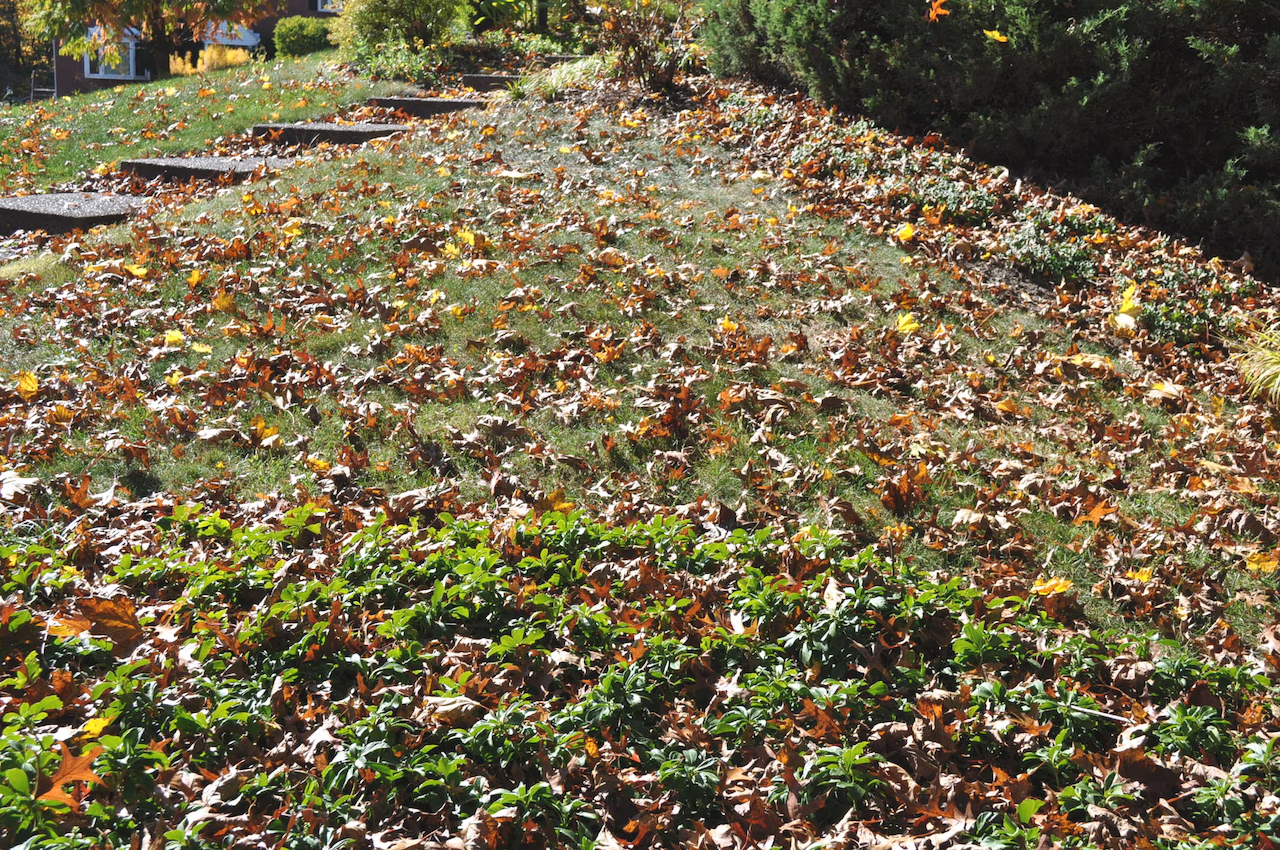 Leaves of this amount can be mowed into the lawn instead of raked off.George Weigel4. Do you make the most of fallen leaves?
Some yardeners think of leaves as nature’s trash and try to remove every last one from the yard.
However, leaves are a leading way that nature makes new soil, not to mention providing insulation to plant roots over winter and shelter for the eggs and overwintering life stages of pollinators and other beneficial insects.
Leave those leaves over perennial beds, over the bare soil of annual beds and vegetable gardens, and between and under shrubs, trees, and evergreens. If you don’t like the look, add a light layer of wood chips or mulch over the leaf layer come spring.
Even on the lawn, small to moderate amounts of mower-chopped leaf fragments can be left to decay in place.
For leaves that are piling up too high, covering lawns, or covering evergreen groundcovers and low evergreens, remove those and add them to the compost pile or wooded pathways.
5. Are you a fall ‘sanitizer’?
Besides getting rid of leaves, gardeners have been taught to “clean up” the yard in fall by removing all annuals, perennials, and grasses just as soon as frost browns their foliage.
Leaving the dead foliage in place until spring insulates the ground, heads off winter erosion, and provides food and shelter to wildlife. Birds, for example, eat the seeds of coneflowers and black-eyed susans over winter, while the browned blades of ornamental grasses make excellent nest-building material.
If you just can’t stand looking at brown all winter, pile it in an out-of-the-way place until pollinator and beneficial-insect eggs hatch in spring, then compost it.
All of that is better than bagging spent plants in fall and sending it off to the landfill.
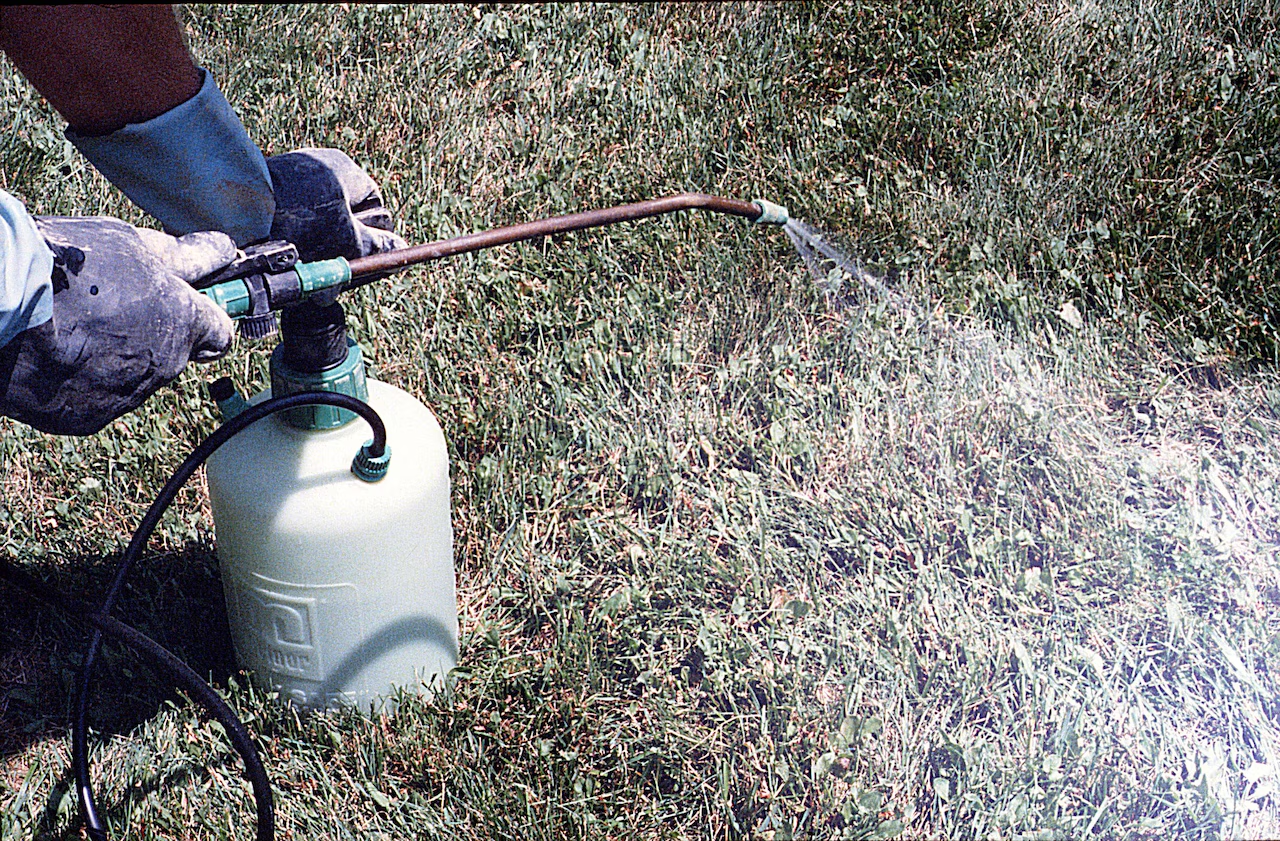 Are you spraying pesticides sparingly… or at all?Susan Weigel6. Are you spraying less?
Spraying “just in case” is usually wasteful and probably harmful in the big picture.
Before spraying anything, first identify the problem. Is it really even a problem? Separate the temporary, cosmetic damage from the real plant-killing threats, and be more tolerant of the cosmetic imperfections.
If you need to treat, start with the most targeted, least invasive measure at the proper time. Only consider employing the big guns if/when absolutely necessary.
Or get rid of chronic-trouble plants in favor of something more bullet-proof.
7. Are you planting a diversity of plants?
Just about everyone agrees that an ecosystem benefits the most when there’s a broad mix of diverse plants.
The recent push toward native plants suggests that about two-thirds of a landscape’s plants should be made up of regionally native species with the rest being a mix of non-invasive species chosen to suit each particular planting situation.
Native or not, all plants perform best and stay healthiest when they’re planted in a location that matches their growing preferences. Homework before buying helps on that front.
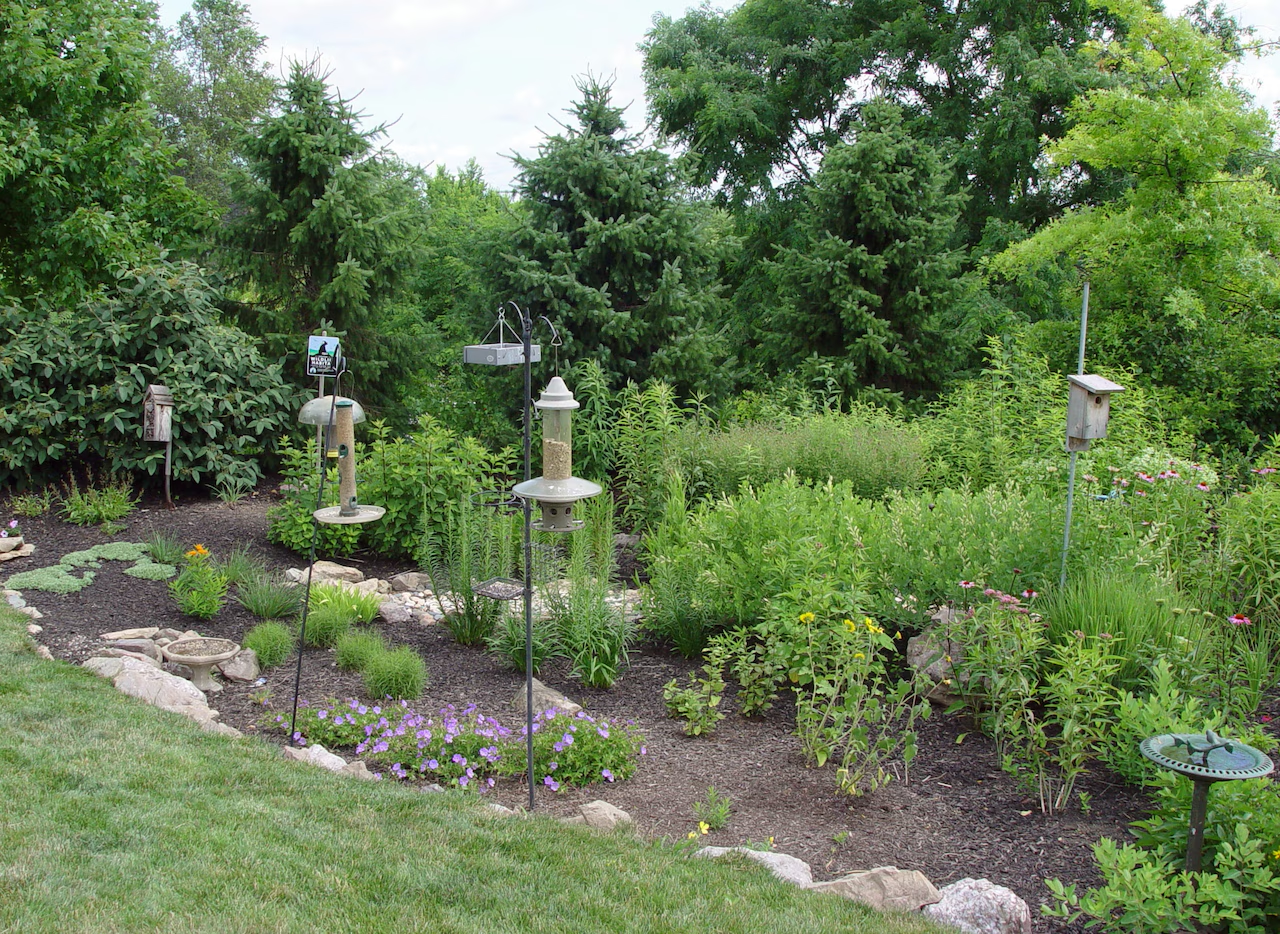 The Deluca family built this rain garden behind their Upper Allen Twp. home to capture rain runoff.George Weigel8. Are you managing runoff?
As the changing climate dishes out ever-heavier rainfalls and more of them, gardeners can take action to minimize the mayhem.
One is replacing big lawns and hard surfaces with diverse planted areas to encourage rain to soak in instead of run off.
Rain gardens are another option that are purposely designed to capture storm water on site.
Mulching or planting all bare soil heads off soil erosion.
And rain barrels can make a dent in runoff and conserve water for those increasing “flash droughts” between the dumpings.
9. Are you needlessly burning fuel on power tools?
Power tools come in handy in saving labor on tough jobs. And they make it possible for gardeners to do jobs they might not otherwise be able to get done.
However, power tools also burn fuel, pollute air, stir up allergens, and create noise. Is it possible to substitute any in favor of people-powered hand tools like rakes, shovels, pruners, and long-handled weeding tools?
Option two is switching to tools powered by rechargeable batteries.
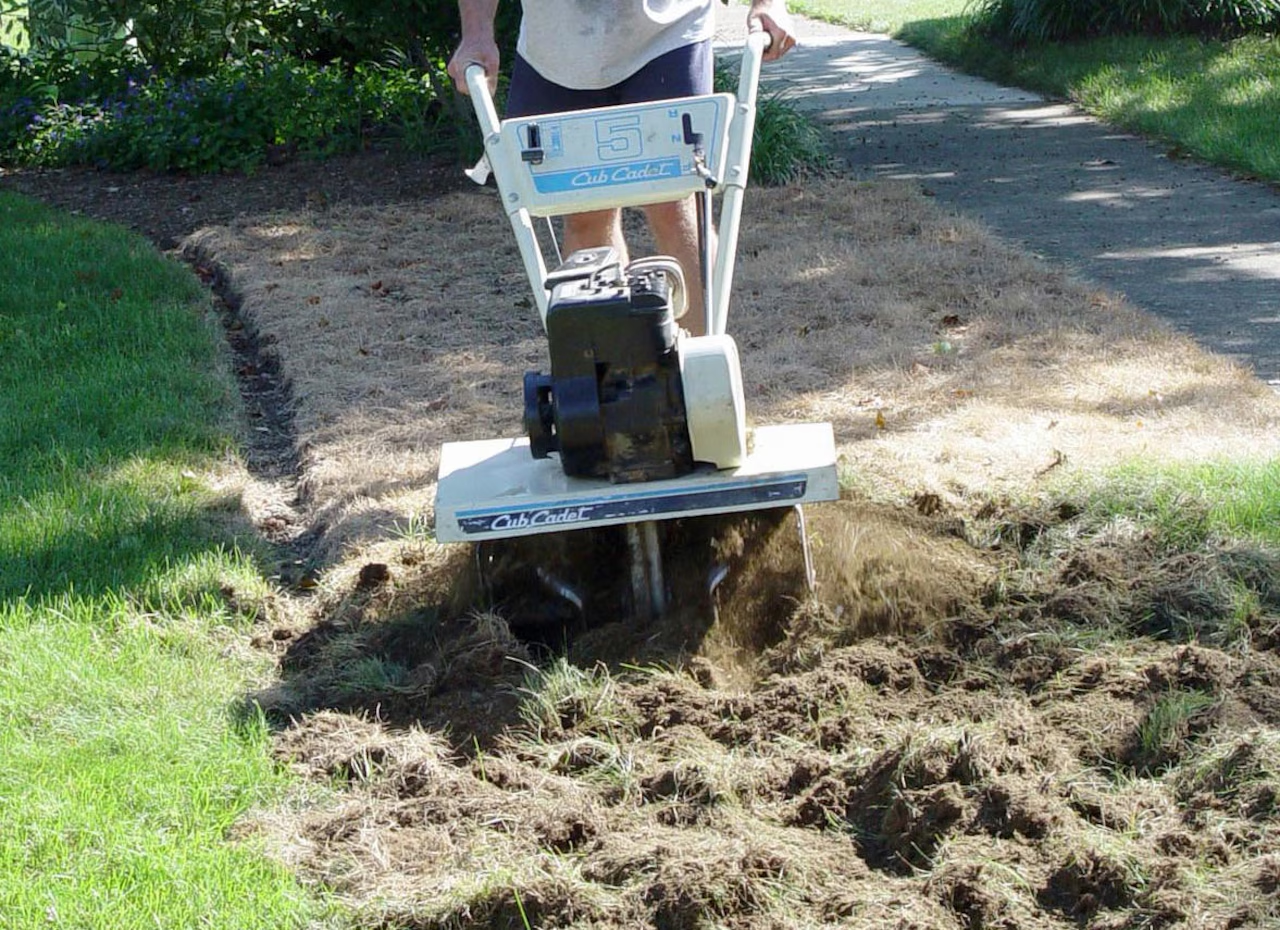 Rototilling might make good sense when preparing a new bed, but it’s counter-productive when existing soil is tilled year after year.Susan Weigel10. Are you doing counter-productive tilling?
You may need to till once when first making a bed and incorporating organic matter into it. But ongoing tilling wastes work and is counter-productive on several fronts.
It harms soil structure by pulverizing particles and allowing them to compact, it chops up and disturbs nature’s tillers and fertilizers (earthworms), it causes organic matter to decay faster, and it stirs up weed seeds, which in turn leads to more spraying or more unnecessary work.
Try copying nature’s soil-building game plan, which amounts to dropping leaves, twigs, and other organic matter on the soil surface, then letting microbes and earthworms break it down into rich soil.
You can do something similar by keeping a two- to three-inch layer of wood chips or similar organic mulch over ornamental beds and by topping vegetable gardens and annual-flower beds with a couple of inches of fallen, chopped leaves every fall.
Comments are closed.