
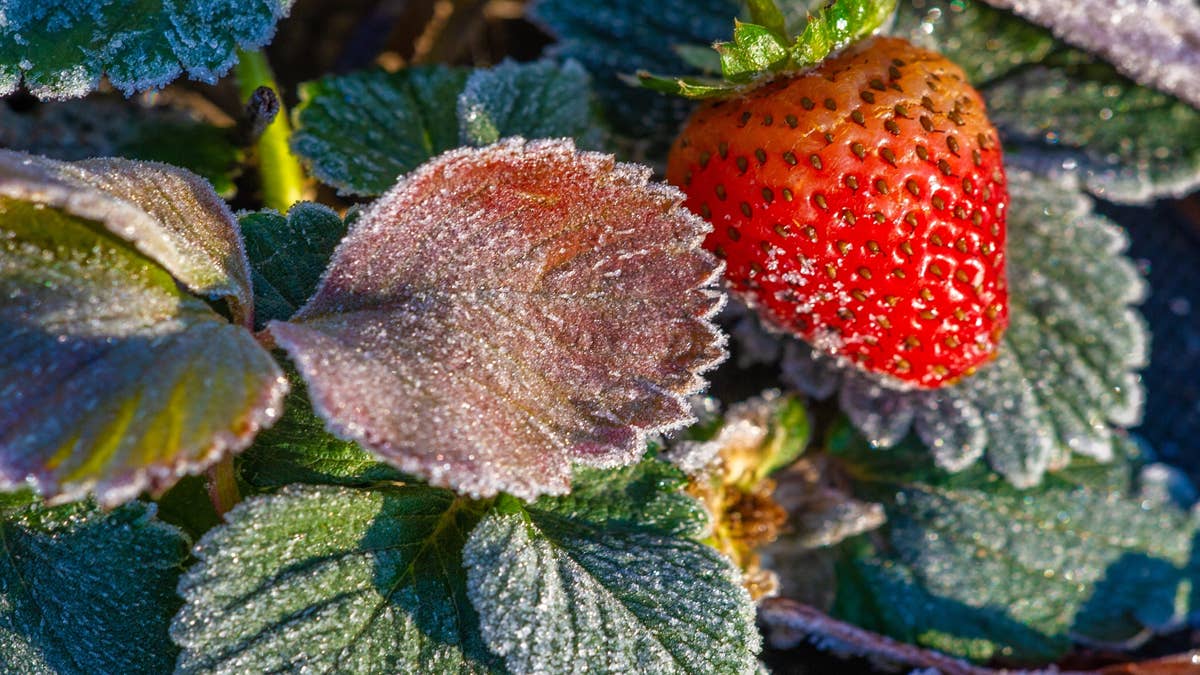
If this spring has felt a little off, you’re not imagining it. Warmer temperatures have been arriving earlier across much of the country, but that doesn’t necessarily mean it’s safe to start planting.
New data from Climate Central shows that the early signs of spring, including leaf-out and warming trends, are happening sooner than they used to. On average, spring is arriving several days earlier than it did in past decades. That shift might sound like good news for gardeners eager to get a head start, but it comes with a catch.
SIGN UP for the Dengarden / Parade Home & Garden newsletter for a weekly dose of our favorite house hacks, decor trends and shopping deals
Related: What to Plant in April, No Matter Where You Live
Spring Is Showing Up Early—But Frost Isn’t Gone
Even as temperatures rise earlier in the season, the risk of frost hasn’t disappeared. In many regions, cold snaps are still hitting at roughly the same time, and worse yet, they’re happening later in the season. That change is creating a wider and more unpredictable gap between early warmth and the final frost.
That mismatch can be a problem. Plants that begin growing too early are more vulnerable to damage if temperatures suddenly drop. Tender seedlings, early blooms and even established perennials can all take a hit from a late-season freeze.
It’s a shift that’s making traditional planting calendars harder to rely on. What used to be a relatively predictable timeline is now more of a moving target.
Gardeners Are Rethinking When to Plant
For home gardeners, this means adjusting expectations. Instead of planting based strictly on the calendar, many are paying closer attention to local forecasts and soil conditions.
Experts often recommend waiting until after your area’s average last frost date (and you can see the 2026 predictions in the Instagram post above from @theoldfarmersalmanac), but even that guideline is becoming less reliable in some places.
The Old Farmer’s Almanac has long been a trusted and referenced resource, but even one missed prediction can lead to devastating results when seedlings are at their most vulnerable. A welcome stretch of warm days in March or early April might feel like the green light to plant, but it can be misleading.
Gardeners are increasingly turning to more flexible strategies, like starting seeds indoors, using row covers or planting in stages rather than all at once. These approaches help hedge against the risk of a late frost wiping out early progress.
A Growing Season That’s Harder to Predict
For gardeners, that means a little more patience and a lot more attention to the details. Watching overnight lows, tracking local frost advisories and resisting the urge to plant too early can make a significant difference. With a season that’s starting sooner but becoming more unpredictable, timing matters more than ever.
Related: This Incredible Patio Garden Is the Ultimate Whimsy Inspiration for Spring
This story was originally published by Dengarden on Apr 23, 2026, where it first appeared in the News section. Add Dengarden as a Preferred Source by clicking here.
Comments are closed.