
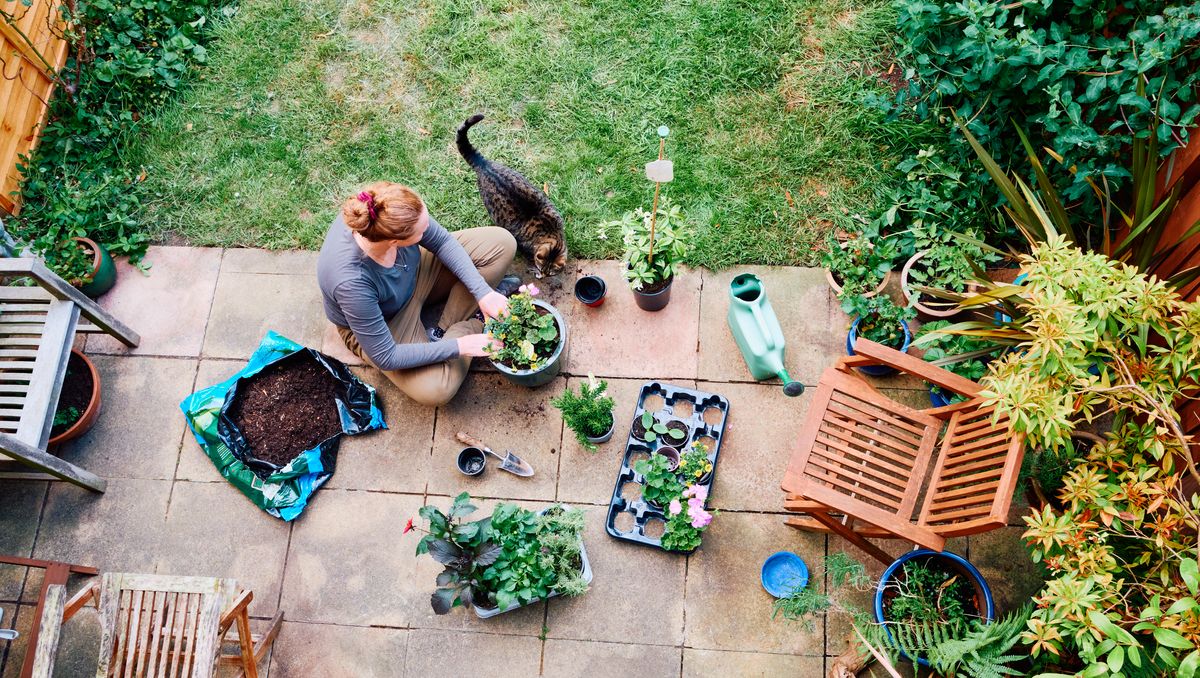
A gardening expert says many people are overcomplicating how they grow plants and is encouraging a low maintenance approach that can save time, water and money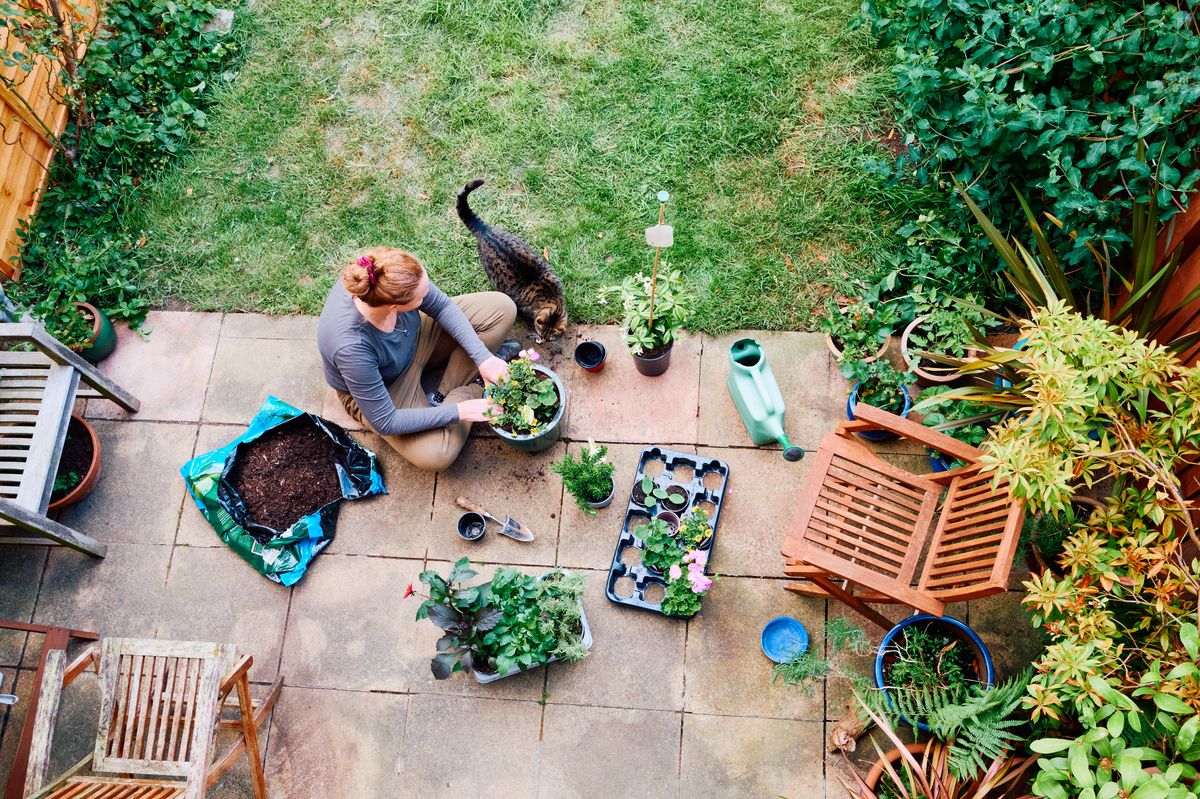
An expert has shared a simple garden hack that can transform your garden(Image: GettyImages)
Gardening doesn’t have to be complicated, according to one expert, who says many people are complicating gardening and overthinking the basics. With more people looking to grow their own food and cut costs, simple and low-maintenance methods are becoming increasingly popular – especially those that make the most of limited space and resources.
Simon Akeroyd, an RHS-trained gardener, author and social media influencer with more than 2.4 million followers, believes there’s no single ‘right way’ to garden. Instead, he encourages people to experiment and find what works best for them.
“Nature doesn’t really have any rules, so I just do things my way by experimenting,” he explains.
Simon, who has written more than 30 gardening books, has now released Way To Grow, a guide packed with practical tips designed to save both time and money. He argues that gardening has been made unnecessarily complicated over the years.
He added: “I think we make it (gardening) really long-winded because there are so many different ways of growing things. There isn’t just one way of doing things.”
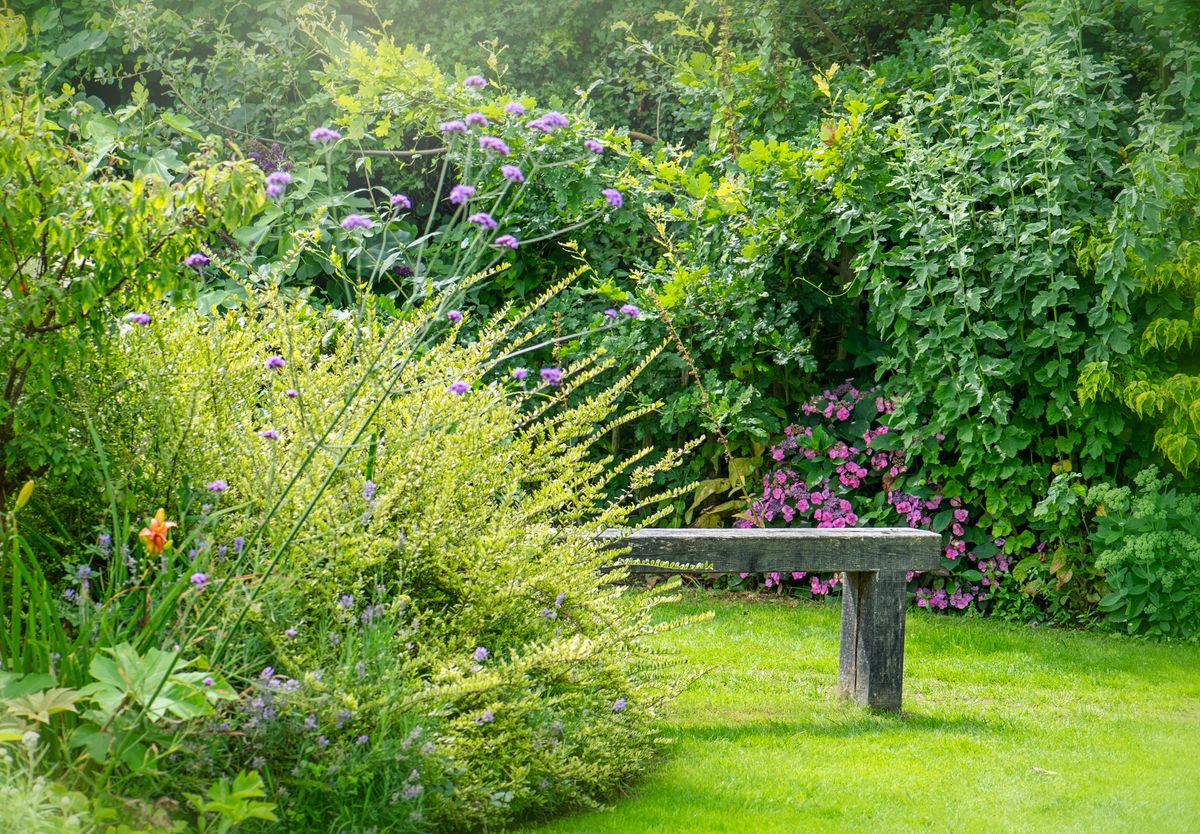
Simon Akeroyd believes gardening has became over complicated in recent years(Image: Jacky Parker/Getty Images)
One of his standout suggestions is a method known as keyhole gardening – a clever and efficient way to grow plants while recycling household waste at the same time.
Rather than keeping compost in a separate heap, the gardening expert suggests building it directly into the centre of a circular raised bed. From above, the design resembles a keyhole, with a small gap that allows easy access to the middle.
The bed itself can be constructed from a variety of materials, including bricks, rubble or anything else you have available.
Simon explains: “The crops that you then plant in the raised bed around the central compost will be fed and it also reduces the amount of watering for your crop. Almost any vegetable would benefit, from lettuces and cabbages to courgettes and pumpkin.”
Keyhole gardening is a simple concept but is extremely effective for people looking for a straightforward and easy way to transform their garden.
Organic materials such as food scraps, grass cuttings and cardboard are added to the central compost section. When watered, nutrients and moisture gradually spread outwards into the surrounding soil, feeding the plants directly at their roots.
Keyhole gardening means less maintenance for gardeners who don’t want to put in as much time, or don’t have the time to keep up with their ever growing garden.
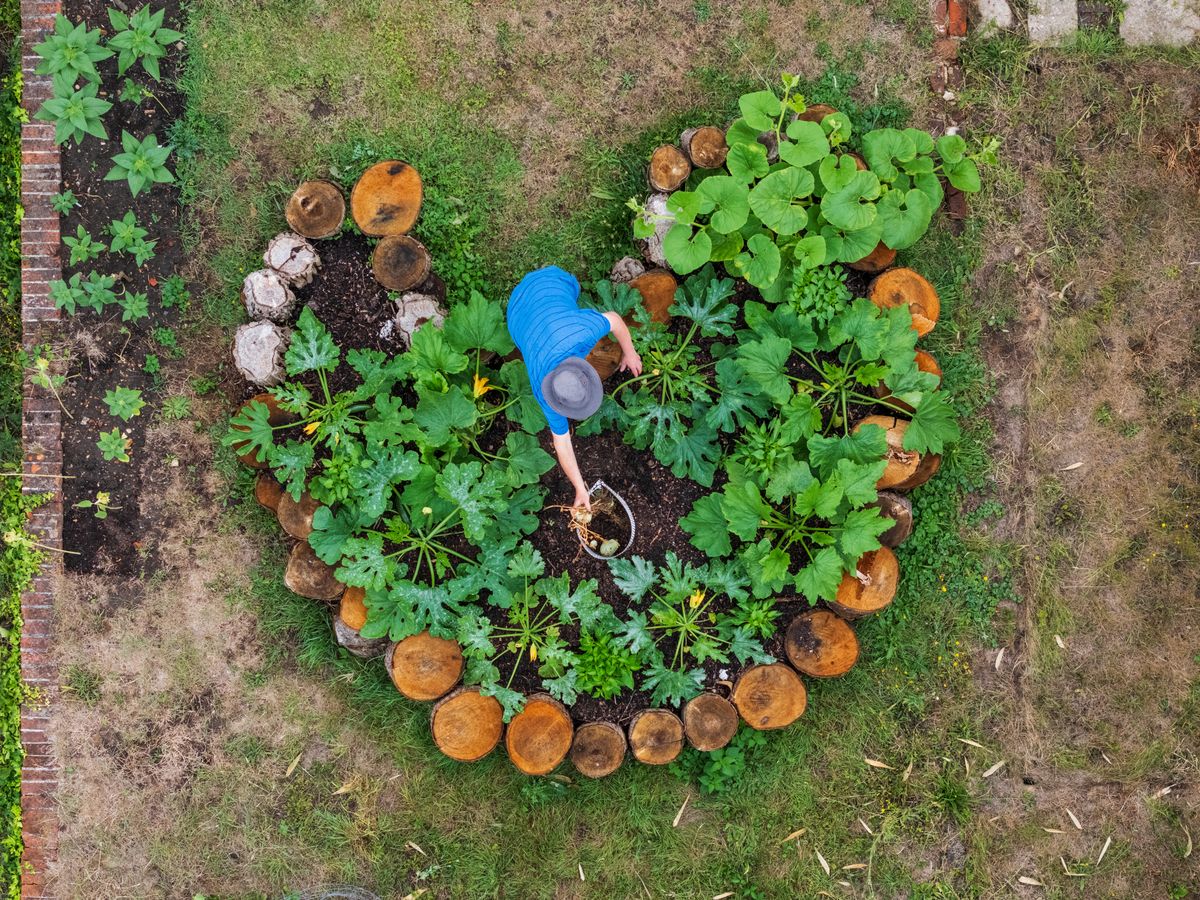
Keyhole gardening is a low maintenance technique for gardeners who don’t have as much time to tend to their garden(Image: Jason Ingram/Dorling Kindersley/PA)
With this method there is no need to regularly turn the compost, as it can be spread across the bed as mulch if more space is needed. As the water is delivered through the compost, it helps maintain consistent moisture levels – completely reducing the need for frequent watering.
In addition, keyhole gardening is particularly useful for those with poor soil or limited mobility as it minimises the bending and heavy lifting that often comes with gardening.
Originally developed in parts of Africa during the 1990’s, the technique was designed to help gardeners grow food in dry conditions with limited resources.
Although now, it is gaining popularity with home gardeners looking for a simpler and more sustainable way to grow their own produce.
Comments are closed.