
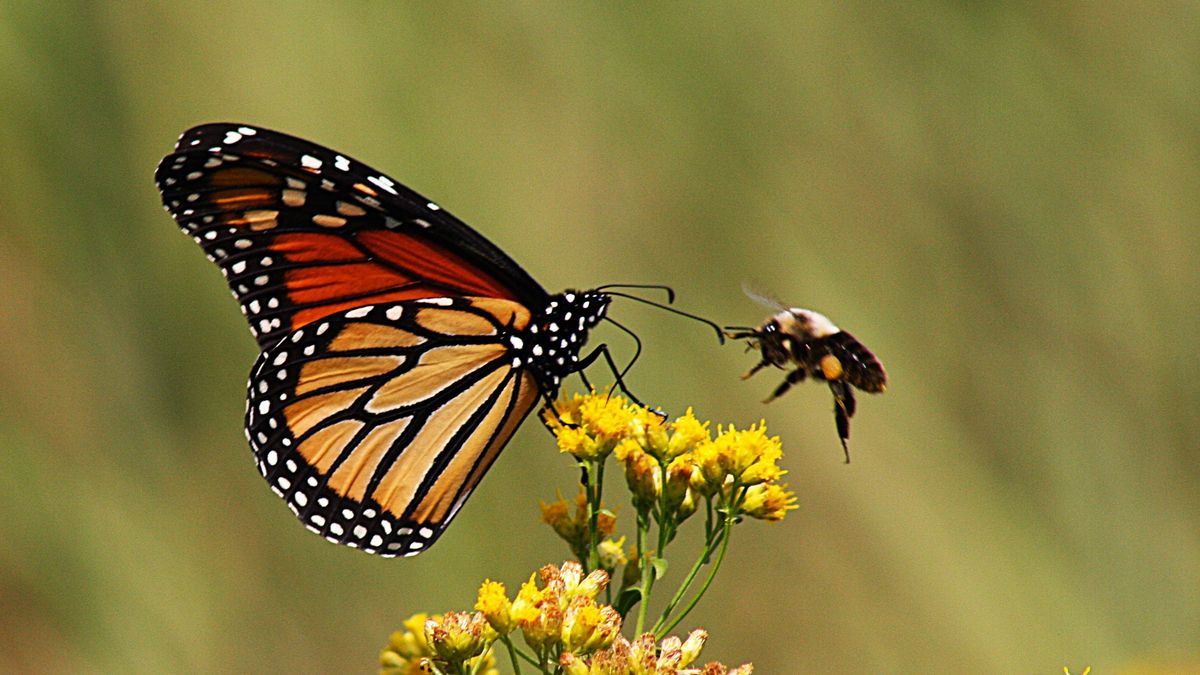
Bees and butterflies play a vital role in our ecosystem, helping the growth of plants, fruit and vegetables, and one “striking and versatile” wildflower could temp them into your garden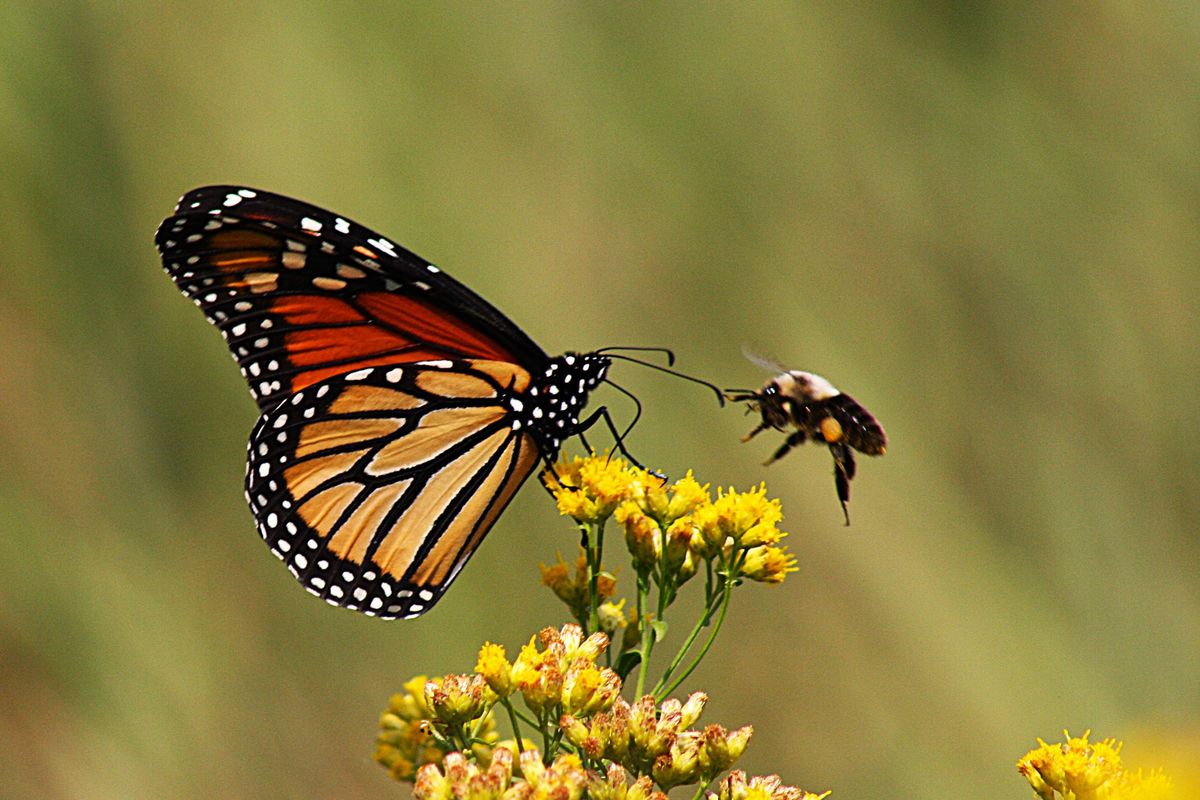
Bees and butterflies are a joy to watch as they flit from flower to flower (stock) (Image: Kayla Dawson via Getty Images)
Gardeners can entice bees and butterflies into their outdoor spaces with a nectar-rich “superplant” adored by wildlife. As spring progresses, green-fingered Brits will be venturing outdoors to care for their gardens — made even more satisfying when wildlife turns up to appreciate the efforts.
Pollinators such as bees and butterflies perform a vital function in our ecosystem, aiding the development of plants, fruit and vegetables. They’re also emblematic of summer and delightful to observe as they dart from flower to flower.
The Royal Horticultural Society (RHS) has identified a “striking and versatile” wildflower that can help lure these important insects into your garden, describing it as a “top plant we can all grow to support biodiversity”.
In a recent article about the so-called “superplant”, Olivia Drake, the society’s science and horticulture editor, writes: “You may already know you can turn the leaves into a free liquid feed, but did you know comfrey is also amazing for wildlife?
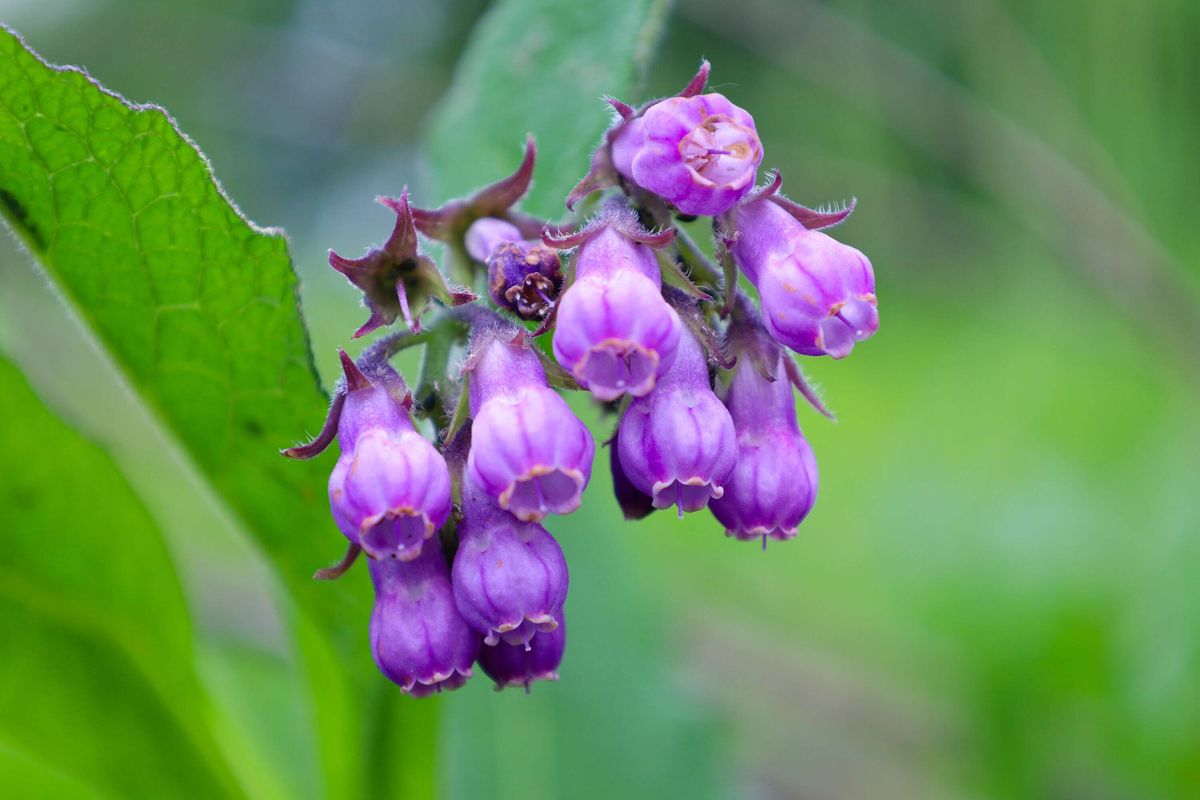
The RHS says comfrey is “amazing for wildlife”(Image: Getty)
“Providing an early spring wildlife boost with nectar-rich flowers, comfrey (Symphytum) is the RHS Wildlife Wonder April Plant of the Month, meaning our wildlife experts have highlighted it as a top plant we can all grow to support biodiversity as part of our Bringing Nature Home campaign.”
Indeed, Olivia highlights that comfrey’s bell-shaped flowers are ideal for long-tongued and hairy-footed flower bees, while also supporting nest-building bees, hoverflies and butterflies.
Meanwhile, the beloved bumblebee has been observed practising what’s known as “nectar robbing” — a technique where it bites holes in the side of flowers to access the nectar, typically employed by shorter-tongued species.
As for butterflies, later in spring you might notice black and yellow caterpillars on the plant; these will eventually transform into the striking scarlet tiger moth.
Olivia suggested planting comfrey in a sunny or partially shaded spot with moist soil. She recommended incorporating mulch made from leaf mould or homemade compost, giving the roots space to “explore on their own”.
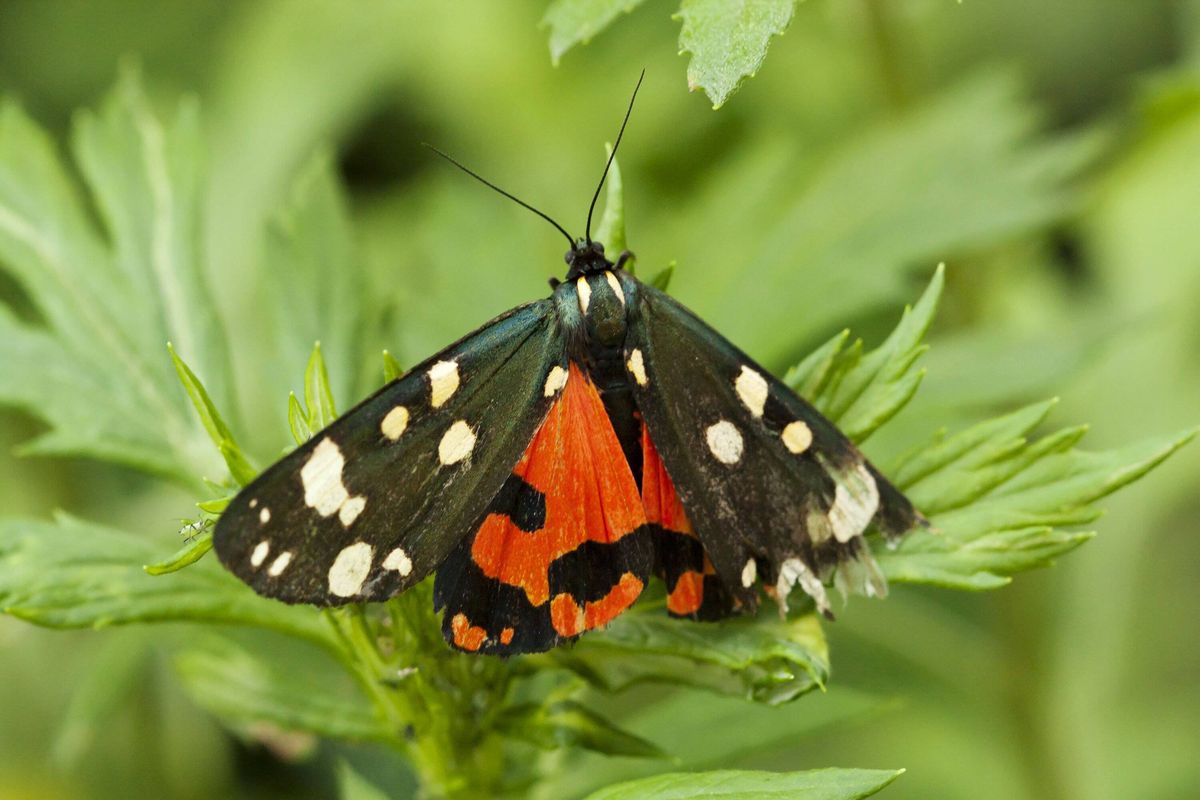
Comfrey may also play host to scarlet tiger moth larvae(Image: Getty)
She noted: “Allow the plants to bloom through April, then cut them back to stimulate fresh new leafy growth.” Olivia warned that some varieties can spread quickly, so it’s worth selecting a location where you can let it flourish freely or be ready to keep it in check.
This comes after gardening expert Peter Dowdall, known as The Irish Gardener, revealed in an exclusive interview that people were making a “common mistake” this spring.
He said: “If this is being published in the next week or two, then another common mistake people make at the moment is, particularly with the improvement in the weather, we are in a mad rush to see colour in the garden.
“Run down to the garden centre, get lots and lots of summer bedding plants and put them out straight away. That’s a big mistake.”
You can learn more about the RHS’ Bringing Nature Home campaign by visiting the website.
Comments are closed.