
Gardening and landscaping may seem like worlds that are immune to trend cycles. After all, if you plant a perennial in the ground, it could last for anywhere from three years to several decades, whether it’s on-trend or not. However, just as tulips pop up every spring, various gardening and landscaping trends appear every season. But not all of these trends are worth your time, energy, or effort. So, we asked gardening and landscaping experts which trends they wish would go away. Here’s what they said.
01 of 08
Diamond Pavers With Fake Grass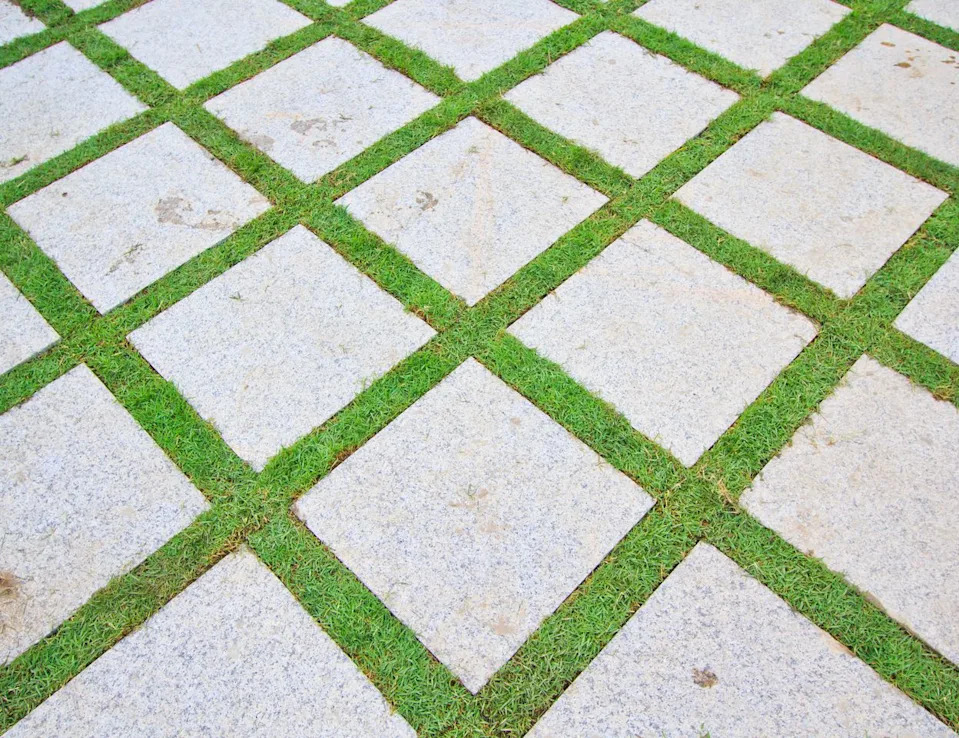
Credit: pigphoto/Getty Images
For someone wanting to make a design statement with their landscaping, diamond paving stones with turf in between may be considered. However, Trent Brown, the founder and principal designer of the landscape design firm Ground Break Design, suggests going another route. “A lot of people try to use this to create a patterned, contemporary look, but I find it to be a fad that ends up putting a time stamp on the home,” he says. “I find that style only works in more of a traditional, European-style garden, and in order for that style to work, you really need to commit to the full yard being in that aesthetic. If you just choose an area of the property to incorporate it, it feels out of place.”
Brown also says the trend is impractical if you want to use the area as a patio or put any furniture on top. “There’s a slight difference in height between the concrete paving stone and the artificial turf, which makes it difficult to slide chairs in and out of a dining table, or creates imbalanced chair legs,” he explains.
02 of 08
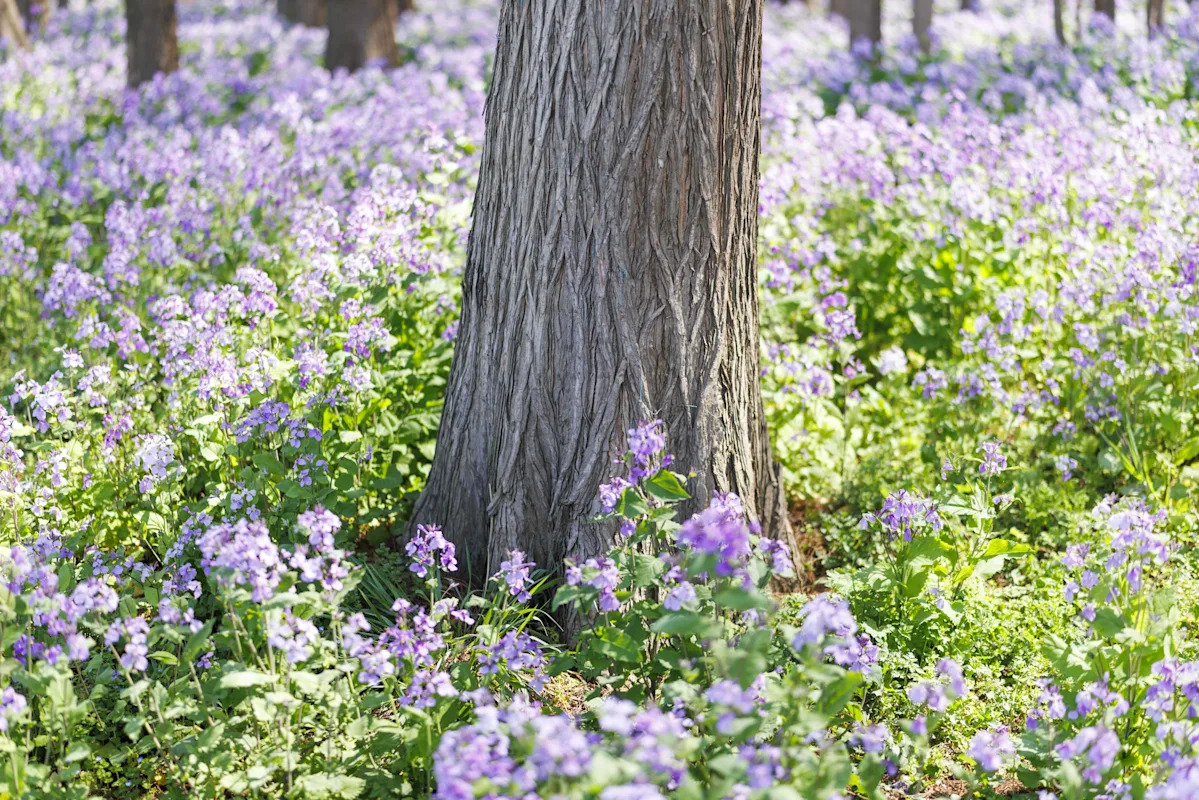
Rings of Flowers Around Trees
Laura Janney, CEO of The Inspired Garden Masterclass, says she loves it when people ask her what to plant around a tree. “My answer? Absolutely nothing,” she says. “Trees make beautiful statements, so let the tree breathe. When you plant rings of flowers, not only does it look unnatural, but it draws your eye down to the ground by competing with the stateliness of the tree.”
03 of 08
Overly Manicured Landscaping
Janney also doesn’t like to see too much perfection or stiffness with landscaping. “I am tired of seeing perfectly shaped and spaced out shrubs and plants lined up like soldiers,” she says. “And please stop using weed killers and embrace natural imperfections like clover and dandelions.”
Instead, she recommends incorporating more soft and less structured perennials into your landscaping, layering plants with different bloom times, heights, and textures.
04 of 08
Chaos Gardening
The opposite of overly manicured landscaping is the trend of chaos gardening, which Janney says has its own set of problems. “Not sure where this trend started, but I am tired of this being sold as a way to get a beautiful garden that supports itself with little to no work,” she says. “The reality is these types of gardens can quickly get out of control and end up being an unsightly hot mess. Many seeds are hard to get started—or take a very long time to take off—and weeds can easily take over and not look as endearing as promised. And most plants, native or not, need to get watered regularly to get established.
As an alternative that keeps a similar low-maintenance style, she suggests opting for perennials that self-seed or are known to create runners, choosing fast-growing plants so you can get your garden established more quickly, and picking plants that are more drought-tolerant so you don’t have to water as often.
Tip
Consider opting for drought-tolerant plants or self-seeding perennials to create a low-maintenance, environmentally friendly garden that conserves water and reduces upkeep effort.
05 of 08
Dyed Mulch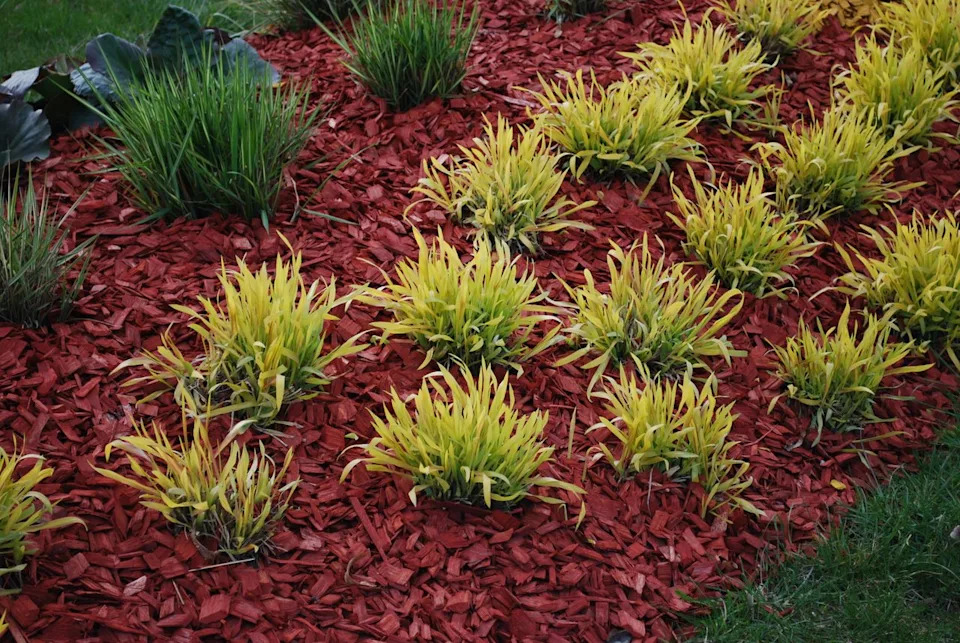
Credit: SvetlanaKlaise/Getty Images
While it’s great to try to add more personality and color to your landscaping, mulch isn’t the place to do it. “Red or black dyed mulch looks so unnatural and is bad for the environment,” Janney says. She recommends simply spreading natural mulch in the garden and notes that an added bonus is that it doesn’t break down as fast.
06 of 08
Monochromatic Plant Palettes
Brown says he finds strictly monochromatic gardens of just green and white to be lacking. “I think they have their place in certain designs, and the mass planting of monochromatic gardens was meant to have a dramatic impact, but now I find they are almost expected,” he says. “You can still use beautiful shades of green and white, but I find mixing in some purples, blues, and dusty pinks creates a much more interesting visual theme. I also find the upright nature of ornamental grasses with beige or bronze seedheads provides nice punctuation marks and movement in the garden, breaking up the monotony of a single color palette.”
07 of 08
Overdone Container Gardens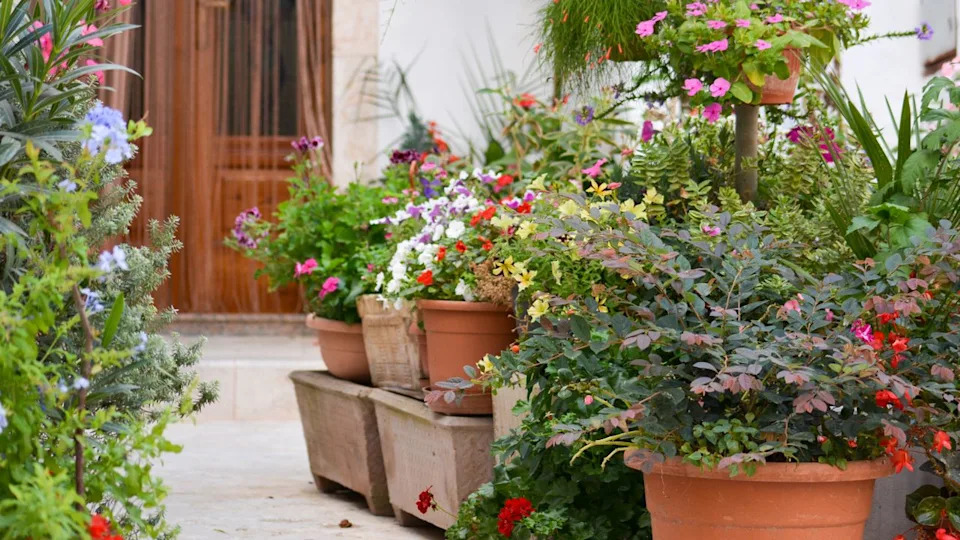
Credit: daniele russo/Getty Images
Containers can be a great option—but Janney would prefer to see them in moderation. “I am a huge fan of container gardening but too many pots just look chaotic and nothing stands out,” she says. “Instead of cluttering your steps with a variety of small pots, invest in two larger planters. Less is more; you will draw your eye to your front door and up your curb appeal.”
08 of 08
Landscaping That Doesn’t Match the Climate
Following a gardening trend you love can backfire if your climate doesn’t meet the necessary requirements. Ben Ashton, CEO of Rocky Mountain Turf in Utah, says he’s seen many people fall into this trap when it comes to the cottage garden trend. “Don’t get me wrong, it’s charming,” he says. “It’s also a terrible fit for Utah’s climate. Our clients want landscaping work that looks good, but our hot, arid conditions are a poor fit for a lot of gardening trends. Even if people have the time and money to keep up with the watering and fertilizing, watering restrictions are becoming increasingly common.”
Read the original article on Real Simple
Comments are closed.