
4 min readBengaluruApr 22, 2026 12:14 PM IST
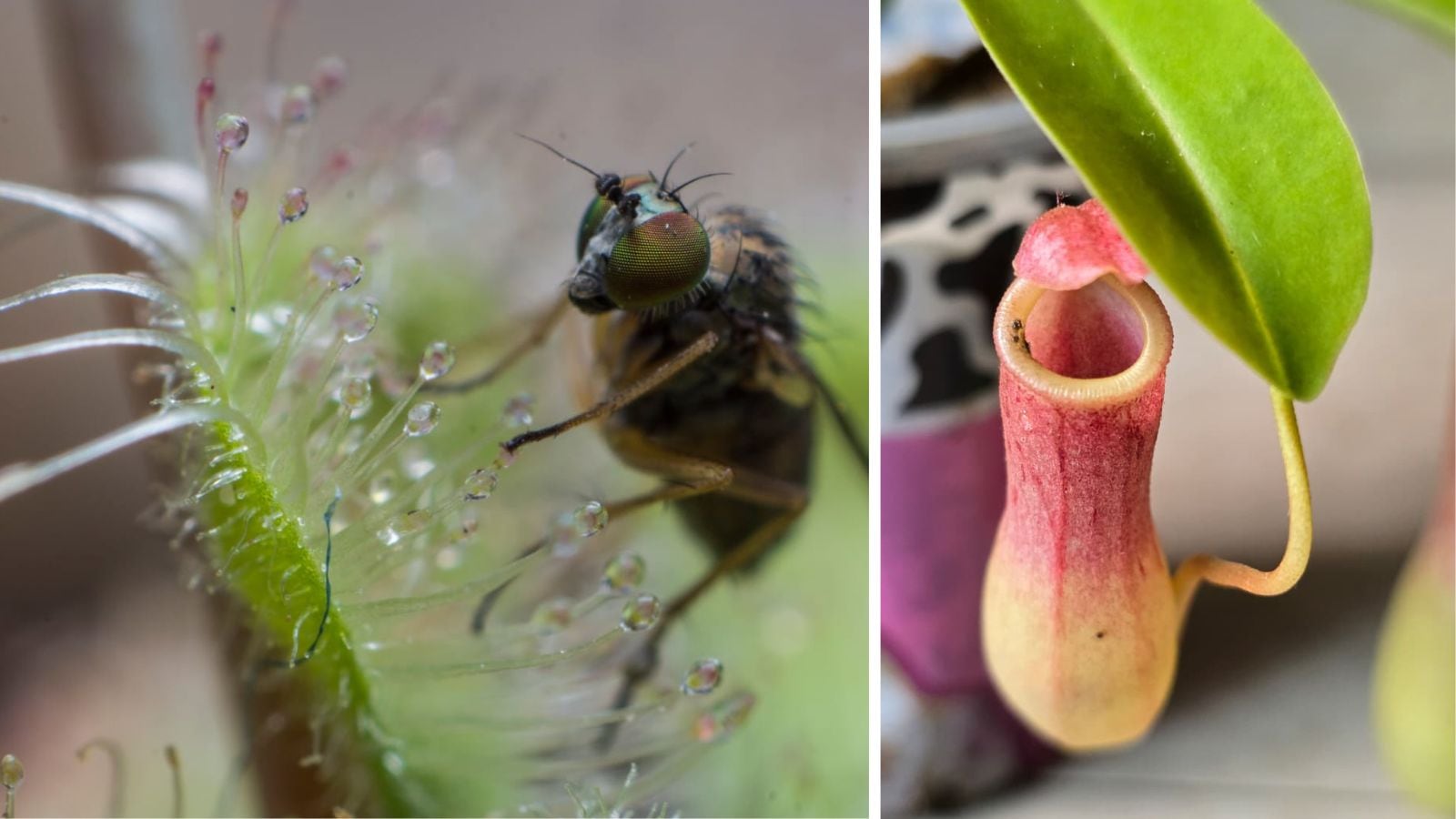
Gardening is a common enough hobby in the City of Gardens. But look carefully, and you will find gardeners in Bengaluru whose plants do not care for fertiliser and soil with high nutrients, but prefer the occasional insect as a meal – snagging them in pitchers, sticky leaves, and needle-toothed traps.
One of these lovers of carnivorous plants is tattoo artist Dominic Savio, who also sells carnivorous plants on the side. Back in 2017, Savio was introduced to the world of these plants during a trip to Amsterdam.

He said, “Later, I was able to get a few plants, and the journey started. I was able to get seeds as I travel abroad every few months.” This was his entry into plant-keeping in general as well – after a year or two of trial and error.
There is a great deal of variety in the plants that Savio keeps and sells – from the Nepenthes pitcher plants waiting for prey to fall in, sticky sundews and butterworts luring bugs to their leaves, or even the well-known venus flytraps. At the moment, he has between 50 and 100 plants – down from around 200, before children at the end of the school season began purchasing them for science projects.
However, he does not sell these plants at the drop of a hat. Savio explains, “They are not easy to grow. Selling is only about 30 per cent of it – the motive is to educate. If they really want to grow these plants, then I would sell them to them. A lot of people do not have the right knowledge to grow them, and they die.”
This is down to certain differences from regular gardening – apart from a good amount of light and humidity – these plants require a substrate without nutrients as they are wholly adapted to insectivory to obtain nutrients. Even the water must be RO or rainwater.
As far as the climate of Bengaluru is concerned, he says, “Indian climate is tropical, and the only tropical plants are the Nepenthes….venus flytraps go through extreme temperatures in North America. These are trickier, and you have to provide the right environment.”
Story continues below this ad
For the most part, gardeners getting into the hobby in Bengaluru at the moment seem to be retirees and students, according to Savio. He said, “Children from classes 1 to 4 have a section on insectivorous plants. They want to see them and come to my shop – I usually sell them the ones that are easy to grow.”
Another Bengaluru gardener is engineer Sumukha Javagal, who first came across a pitcher plant in Shillong. Looking into groups online, he went on to buy several carnivorous plants, including aquatic carnivores such as Utricularia graminifolia.
Explaining the appeal of these plants to him, he said, “It feels more like a pet than a plant. I feed a small type of wild cockroach to my plants, and freeze-dried worms (for pet fish) to plants like Drosera (sundews).” In Javagal’s case, the environment is controlled by keeping the plants in a large plastic container under electric lights.
While other hobbyists might use sphagnum moss alone as a substrate, Javagal sought out the grasslands in Karnataka where the sundew Drosera indica grows to get nutrient-poor soil. He added, “I collect the soil and wash it with rainwater alongside moss.”
Story continues below this ad
As far as the more expensive plants are concerned, Javagal estimates that even a tiny South American pitcher plant of a rare variety might cost Rs 3000, while a beginner-level plant might set one back about Rs 500 or so.
In a note for people looking to grow these plants, Dominic Savio says, “People think these are very big plants. Some are very small. In general, with the right knowledge in setup, you can grow them, but they are particular about RO or rainwater, which has very few nutrients. You need to have good lighting and low-nutrient soil.”
Comments are closed.