
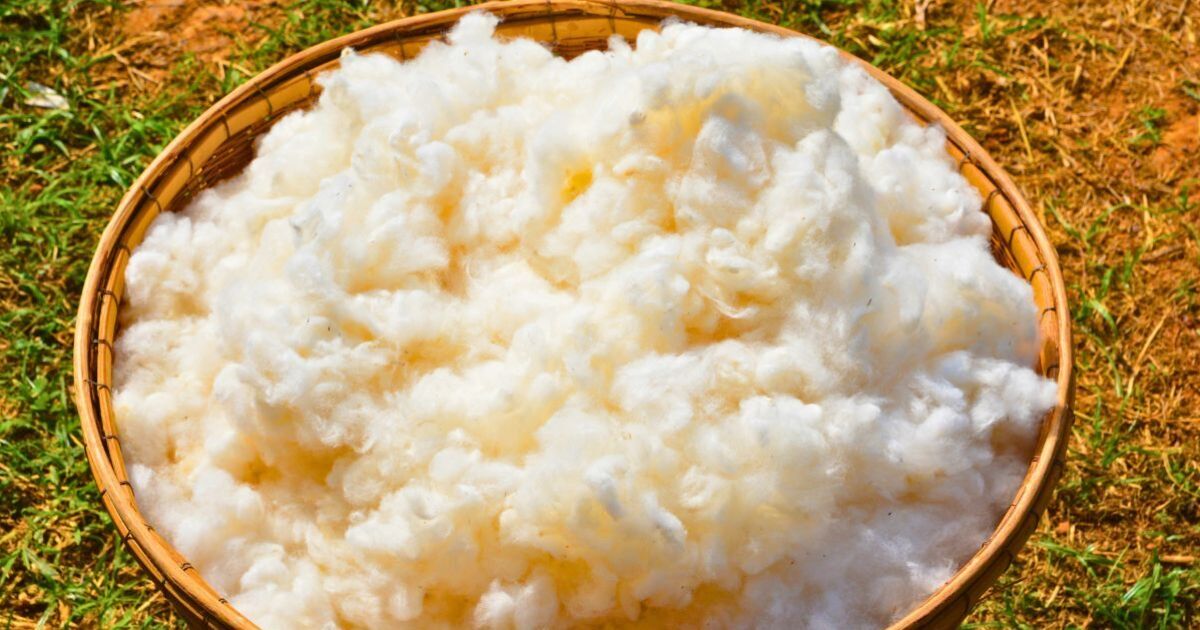
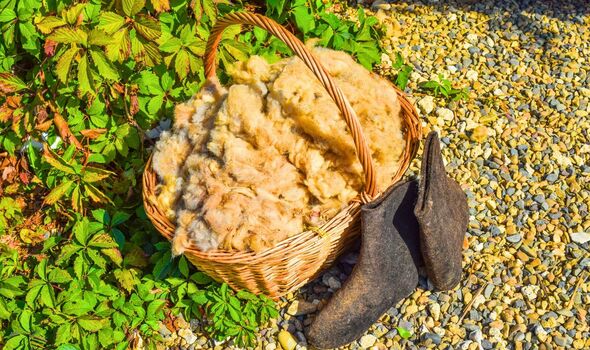
Gardeners might be surprised to hear that wool can be really useful in spring as it can give plants a boost (Image: Getty)
Gardeners should consider scattering wool around their plants as soon as possible, as it is one of the most useful materials in a spring garden. It might sound utterly mad if you have never tried it, but sheep wool has natural oils in it that contain nitrogen, which is one of the most important nutrients plants need to grow properly.
Nitrogen helps plants grow foliage, and they need more of it now in spring than at any other time of year, as it helps produce bigger leaves for more energy. When flowers, fruits, vegetables, or even hedges get enough nitrogen, they grow much stronger, producing many more leaves, flowers, or food later in the year. Sophie Nicol, a farmer and one of the owners of Windrush Farm, has confirmed that she uses wool in her own garden, as it has many uses beyond just being a plant feed.
READ MORE: Lavender will grow stronger flowers if gardeners avoid common mistake
READ MORE: Peace lilies will explode with flowers if watered with 2 kitchen items monthly
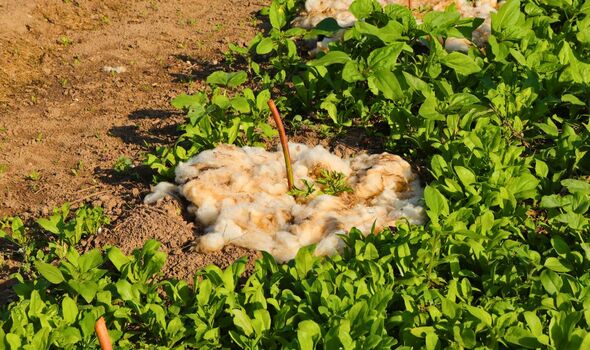
Wool will release nutrients into the soil, keep plants watered and keep weeds away (Image: Getty)
Gardeners urged to place wool in gardens in April before spring ends
She said: “We lay the wool around fruit bushes, veg beds, and young trees like a soft, earthy quilt. It’s surprisingly effective.”
How else can you use wool in the garden?
Wool not only releases nutrients but also holds a lot of moisture, so it will keep a garden hydrated, so you will not have to water your plants as often.
Plants tend to need to be watered more when they first start growing again, but certain crops lots tomatoes or strawberries, also need a lot of water if you want them to grow properly.
Flowers such as hydrangeas, tulips, daffodils or anything grown in a pot or basket also tend to dry out quicker, so wool can help you save a lot of time in spring.
When wool is scattered around a plant, it will also smother any weeds that are trying to grow, so wool can help you save a lot of time on gardening jobs in spring.
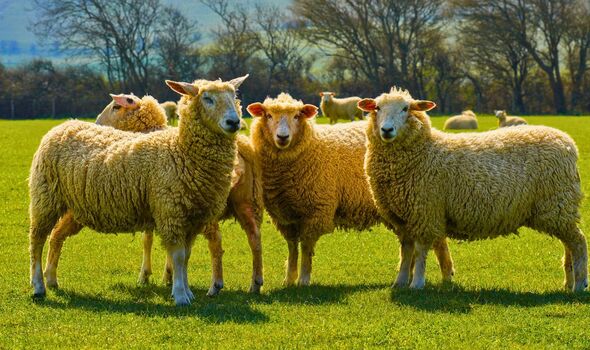
The best time to buy sheep wool is April and May as it when farmers shear their sheep in the UK (Image: Getty)
However, one of the main reasons gardeners value wool is that slugs tend to avoid it, as the fibres can strip away the mucus they rely on to move, so they are unlikely to approach plants. Sophie added: “The texture seems to throw slugs and snails off course—an added bonus!”
Wool not only benefits plants, but it is also environmentally friendly, so you do not need to use chemicals or pesticides in your garden, as they can really harm local wildlife.
How to use wool to help out plants in spring
It is best to buy wool now, in late April or throughout May, as this is when farmers will be shearing their sheep, so there will be plenty of places to buy it in the UK.
Wool can be bought at gardening centres or on local farming websites, and tends to come in raw form, as wool pellets, or as pre-made wool mats.
When using wool, you need to clear any weeds from the soil first, then add a thin layer around your plants as a mulch.
Leave a small gap around the plant stems, as wool holds moisture for the soil, and if it touches the foliage, it could cause it to rot.
Water the wool feeply to help it break down into the soil, and it should help your garden thrive throughout the rest of spring.
Comments are closed.