
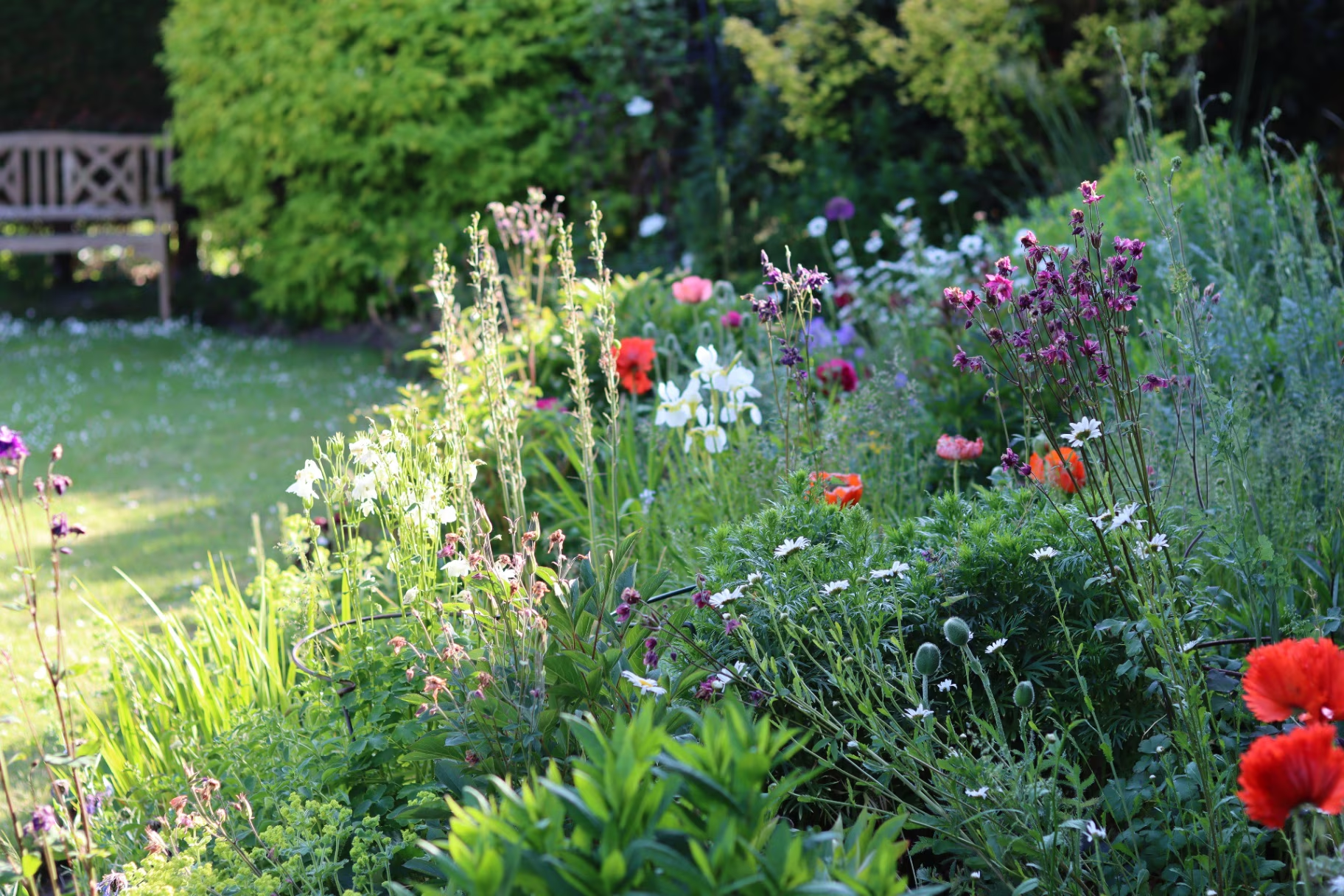
If you’re aiming for bright, colourful displays of summer flowers, then sowing seeds in April is a must.
When the soil is warmer (look for weeds popping up, and you’ll know it’s the right time), and you commence your April gardening jobs, sowing fast-growing seeds to fill borders and containers will result in an abundant display.
It is one of the most rewarding spring garden tasks to grow flowers from seed at this time of year. I’ve just ordered my Nicotiana seeds from Amazon to sow, and pollinators will flock to the garden when they finally burst into flower in the summertime.
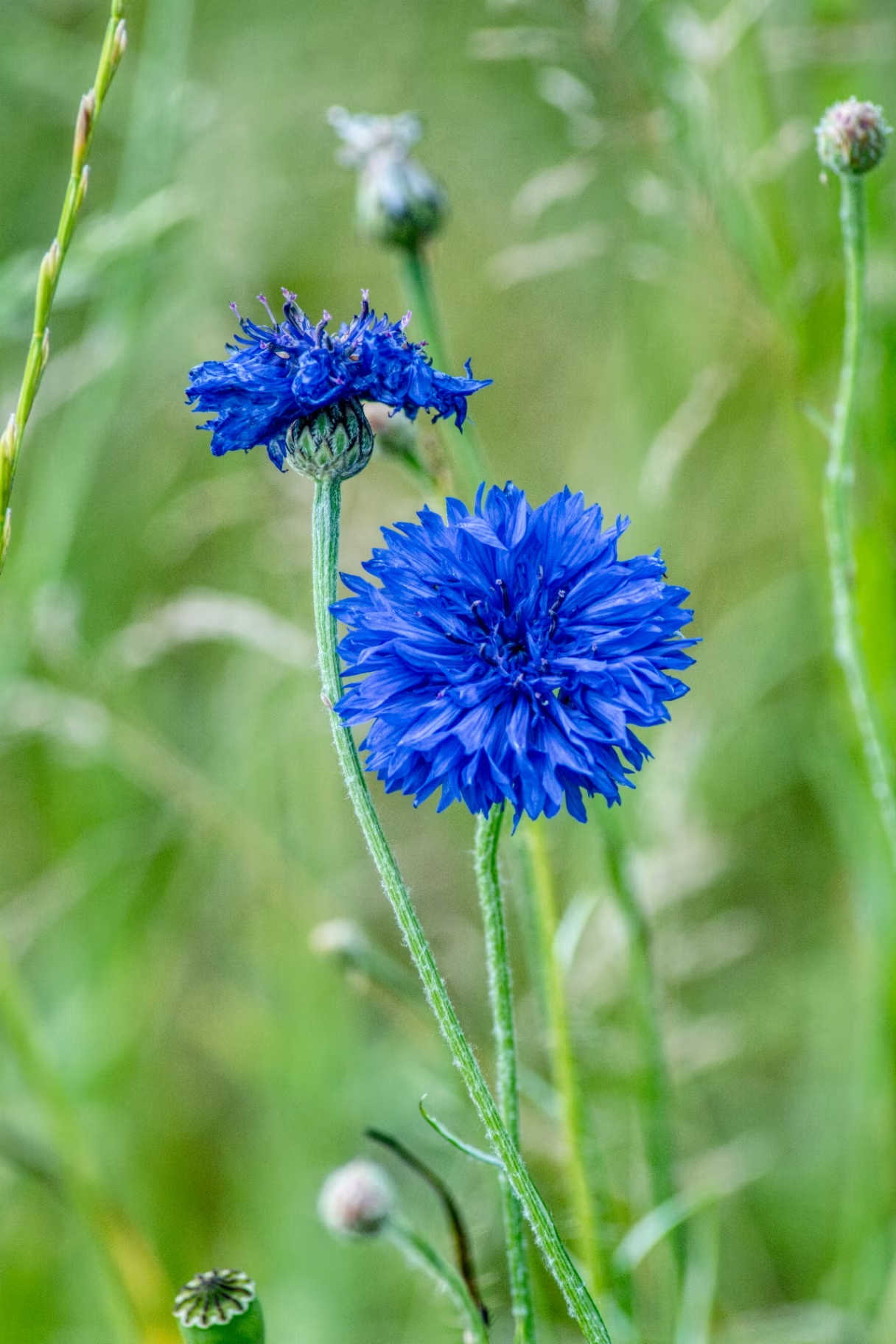 Photo credit: Shutterstock
In the most eye-catching bright blue, cornflowers are a summer classic. They are annuals that can be sown directly outdoors in April and will create a stunning meadow effect when they bloom. Clear any weeds from the soil and rake it gently (using this 5-tine hand rake from Crocus) before lightly sowing a layer of seeds. Cover them lightly with soil and give them a good watering.
Once the seedlings are established, be careful to avoid overcrowding. Cornflowers are incredibly low-maintenance, and they do not need any feeding. The bees and the butterflies will adore them, so if you are looking to attract pollinators, cornflowers are a sensible choice. You can deadhead cornflowers to extend the flowering period.
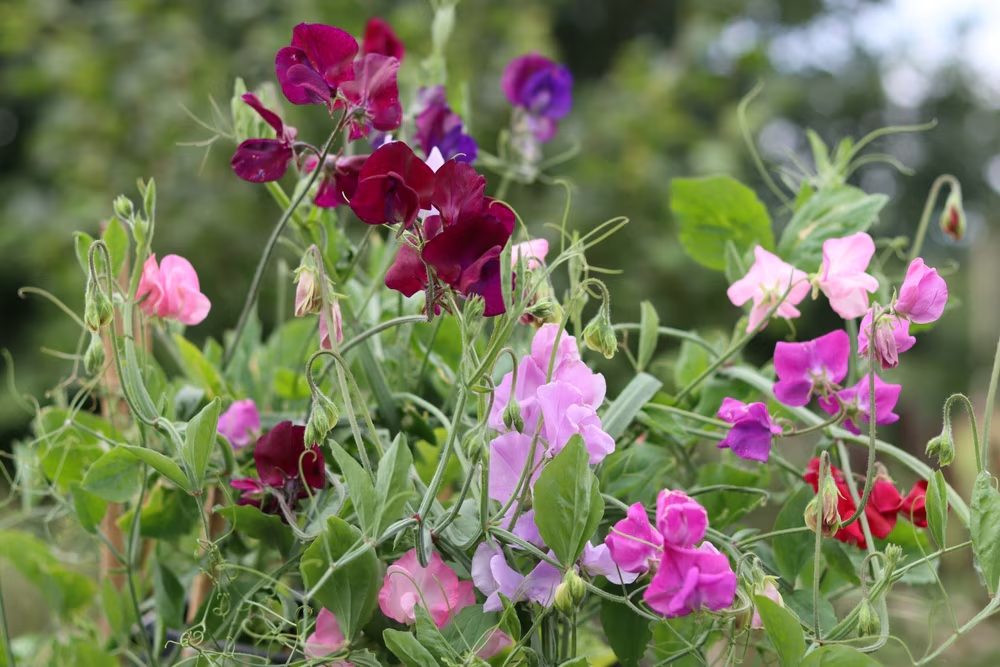 Colourful mixed sweet peas in a cottage garden | Photo credit: Shutterstock
If you haven’t sown your sweet peas already, April really is your last chance. I’m biased as they’re a personal favourite of mine, but they are so delicate and pretty in a summer garden, it really isn’t an opportunity to miss.
Sweet peas should be sown in deep pots and damp seed compost like the Westland John Innes seed sowing compost from Amazon in a cool greenhouse or a bright windowsill indoors at room temperature. They should germinate in a couple of weeks. Remember that sweet peas are climbers, and so they will need support.
For spring-sown sweet peas, you need to harden them off outside in a sheltered area and then plant them in a sunny position in well-drained and fertile soil, feeding and watering regularly. This maintenance will pay dividends. You can pinch out sweet peas with your finger and thumb if they are growing in warm weather, to stimulate further flowering.
Ensure you pick your sweet peas regularly to extend your flowering period, and that’s not a hardship, as it fills the air with the most heady fragrance.
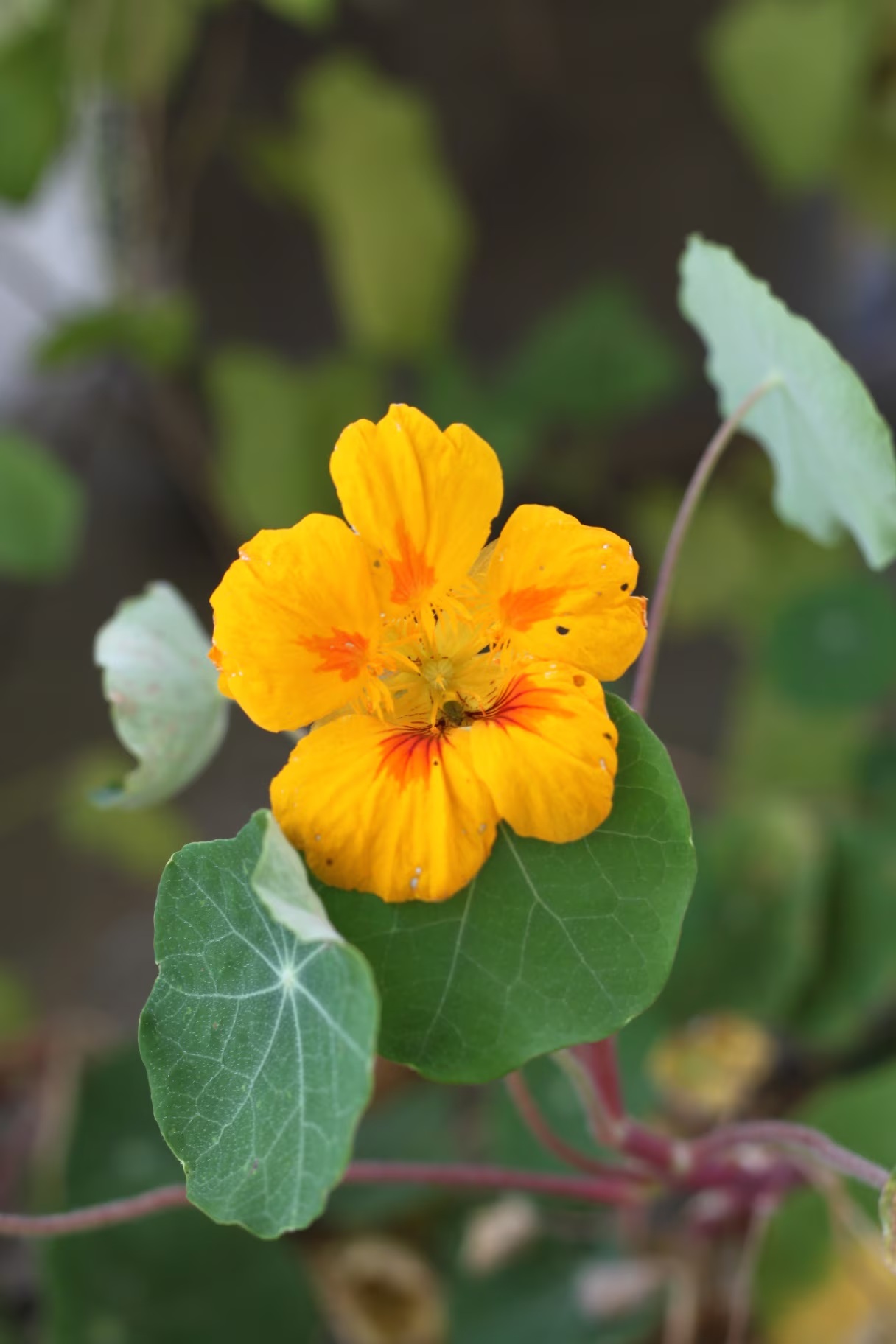 Photo credit: Shutterstock
An ideal plant for beginners as they’re a doddle to grow. Sow them indoors in April if you want to get ahead, or if the weather is stable, you can sow them directly outside. They have quite large seeds that need to be planted in light compost or poor soil with no added fertiliser, which would lead to bushy growth but not more flowers.
The leaves and flowers are edible, and so they’re delicious with a peppery taste that complements courgettes in the summer months. Once nasturtiums are established, they don’t need much interference, and pollinators love them.
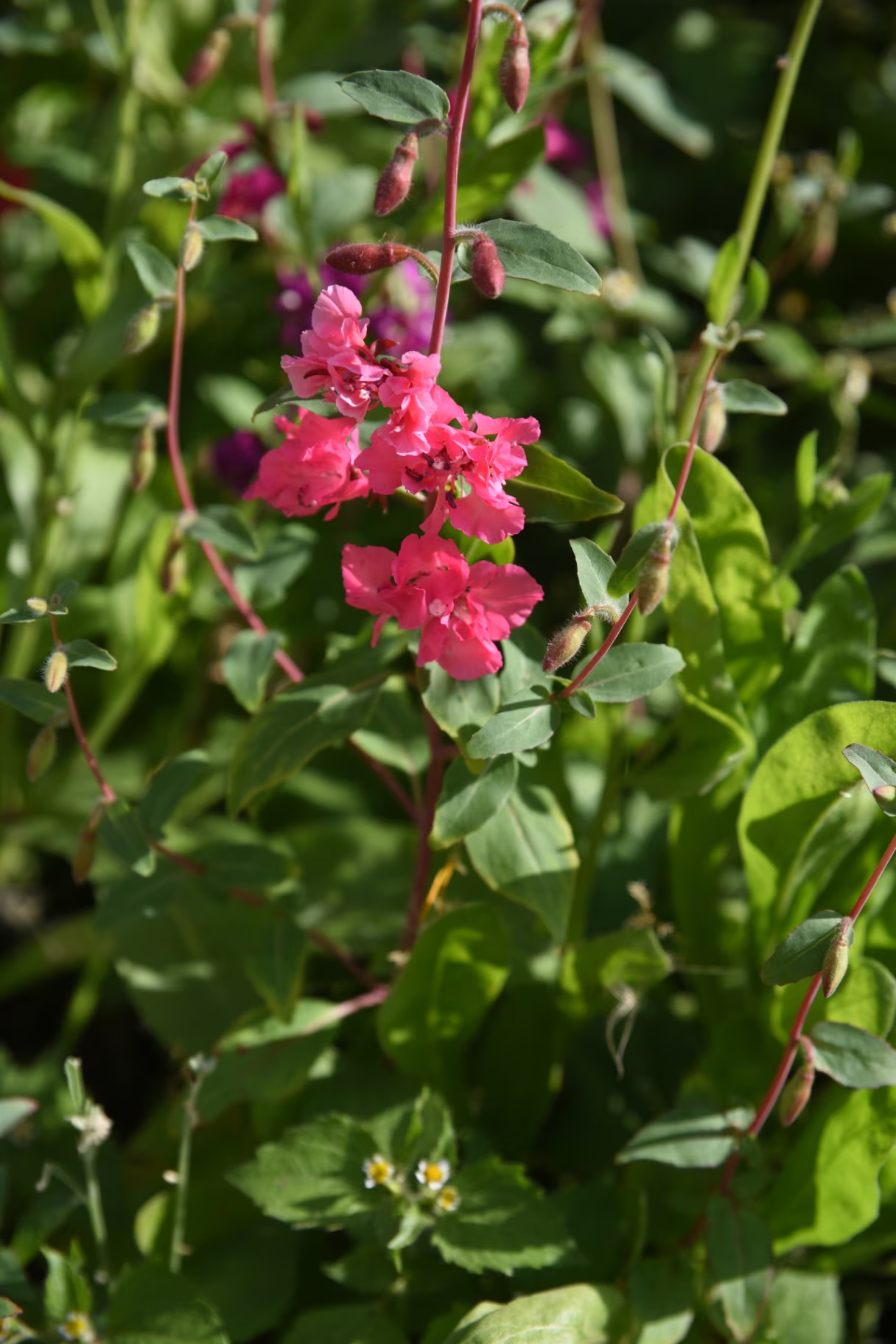 Photo credit: Shutterstock
A hardy annual that is picking up in popularity, the pretty pink, purple and white blooms are a lovely touch to a cottage garden. You can sow them directly outside in April in a sunny spot. Prepare the soil and scatter the seeds thinly, covering lightly with compost. They love moist soil whilst they are germinating, so keep watering regularly. Avoid heavy feeding.
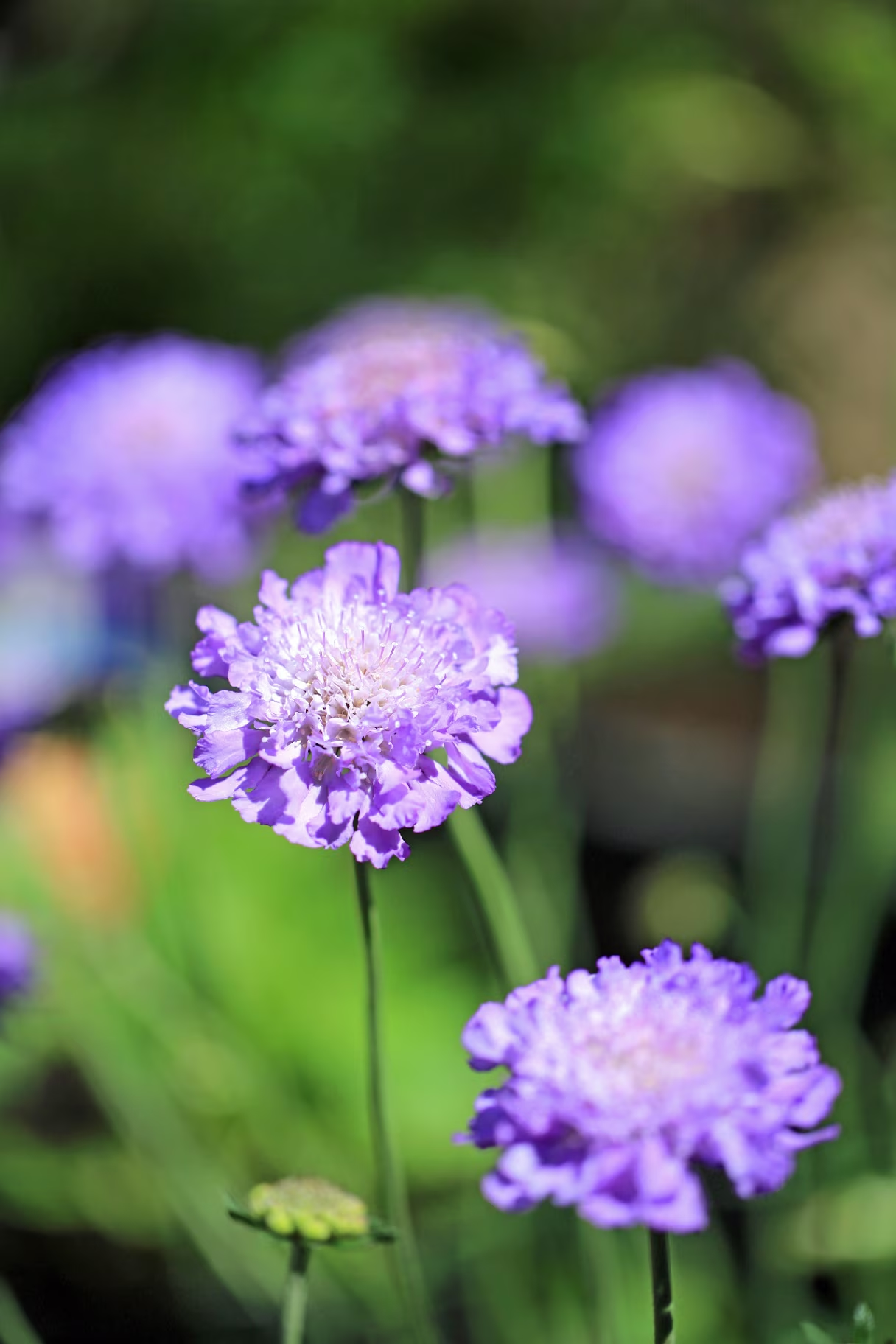 Photo credit: Shutterstock
I love the texture scabious brings to a garden, with its famous pincushion flowers. If conditions are mild, you should be able to sow them directly in well-drained, neutral/alkaline soil. They’re an excellent choice for cut flowers, and regular deadheading will result in abundant and continuous flowering.
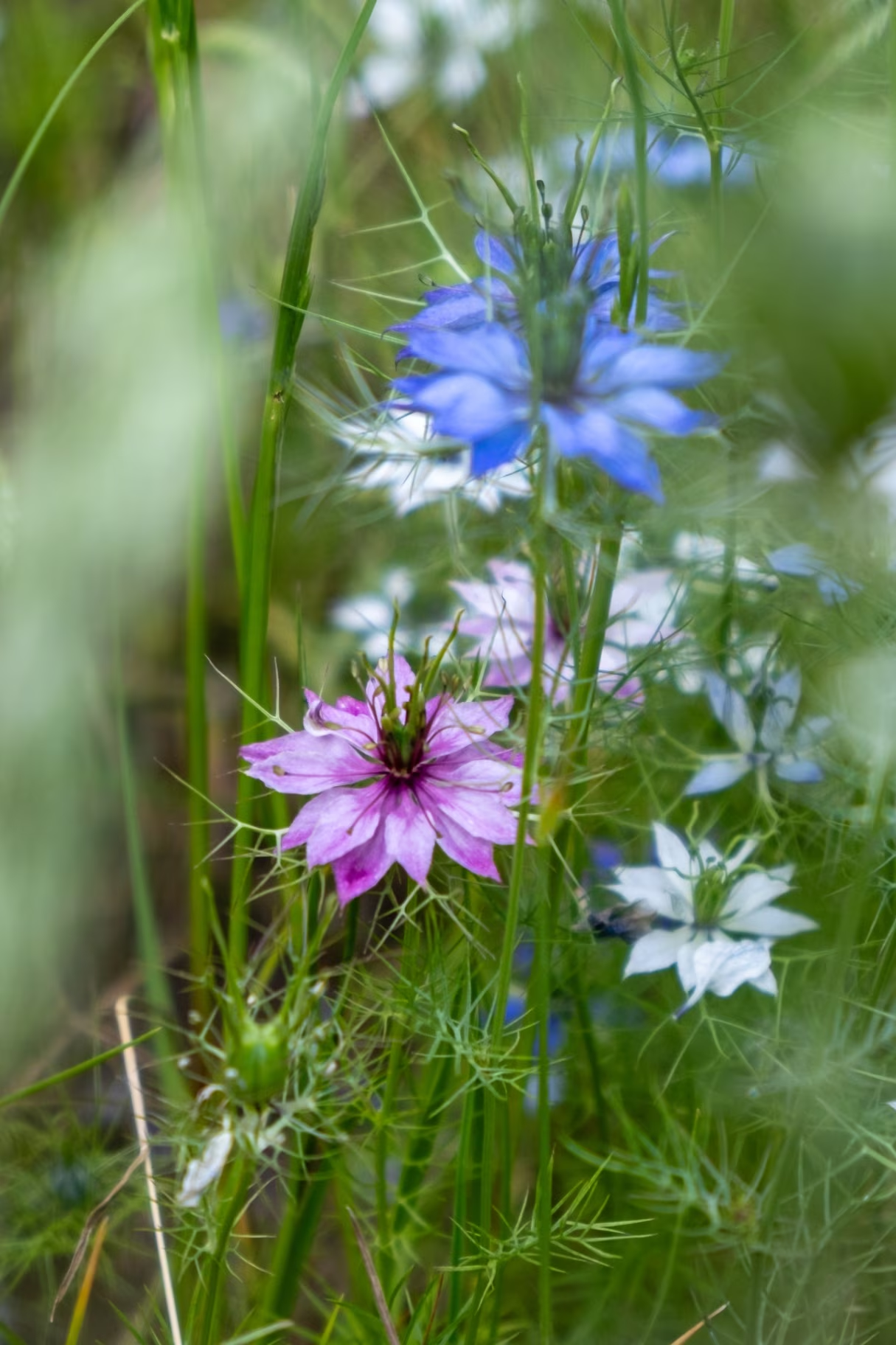 Photo credit: Shutterstock
Feathery and elegant, Nigella is a sublime choice for filling in gaps in borders and bringing light texture. They are best sown directly, and April is ideal for scattering seeds in a sunny spot with well-drained soil, once you’ve raked the soil. After sowing, cover them lightly and water, and your seedlings should emerge in a couple of weeks.
Their famous seed heads can be dried and used in exquisite flower arrangements. Varieties are available in a range of colours, including blue, white and pink.
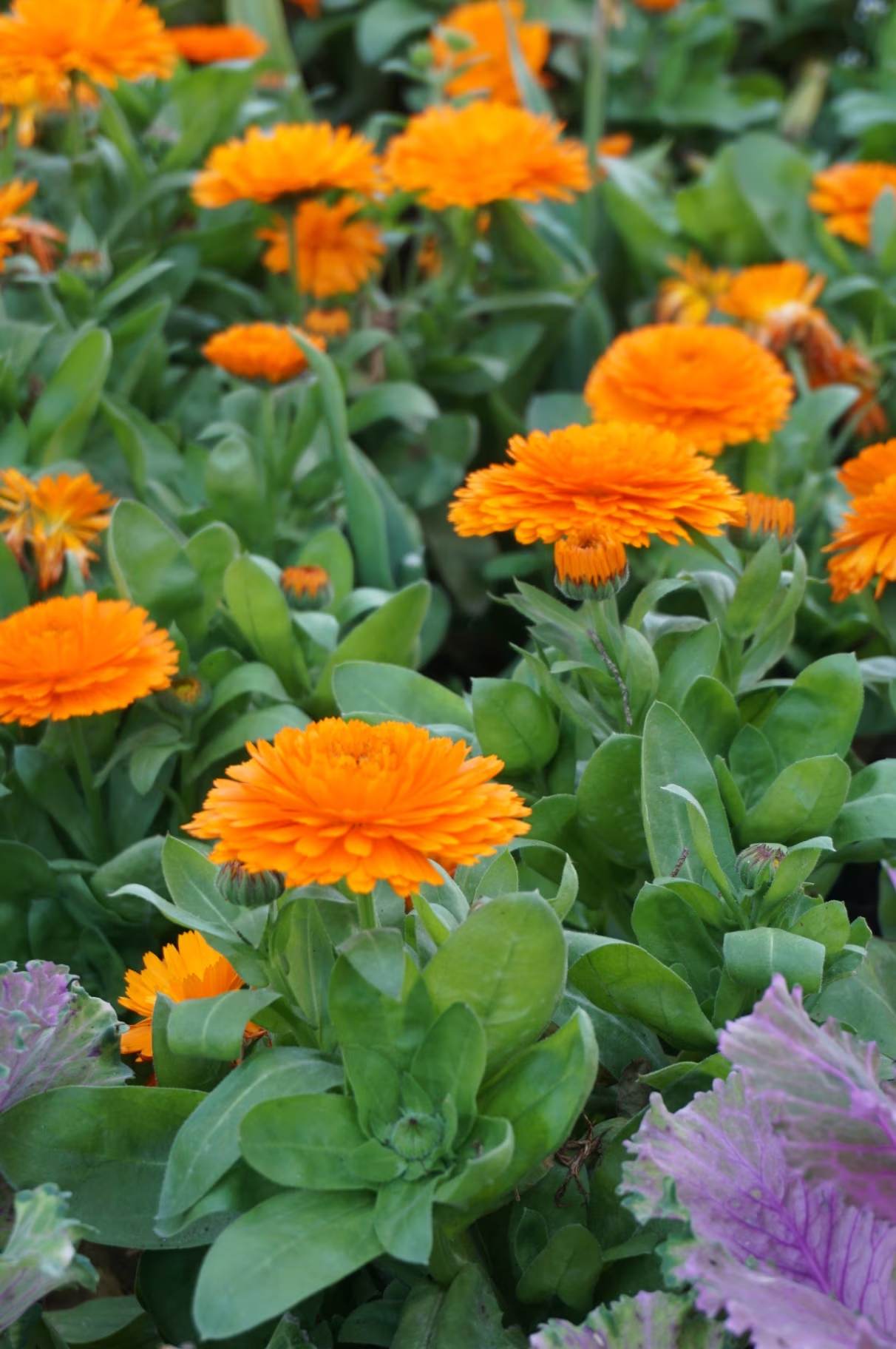 Photo credit: Shutterstock
Hardy and bright, you can sow calendula directly outdoors in April, and they are known for being able to tolerate cooler conditions, which reduces the risks of early sowing. A lightly shaded or sunny spot works best. Remove weeds and lightly rake the soil, sowing the seeds thinly, covering with soil and then watering.
Calendula can self-seed, so you can enjoy flowers year after year, and as low-maintenance annuals, you don’t need to feed them either, although a regular deadheading session will help prolong your flowers.
Their petals are edible and are lovely sprinkled on a salad, bringing that distinctive bright orange cheer to dishes.
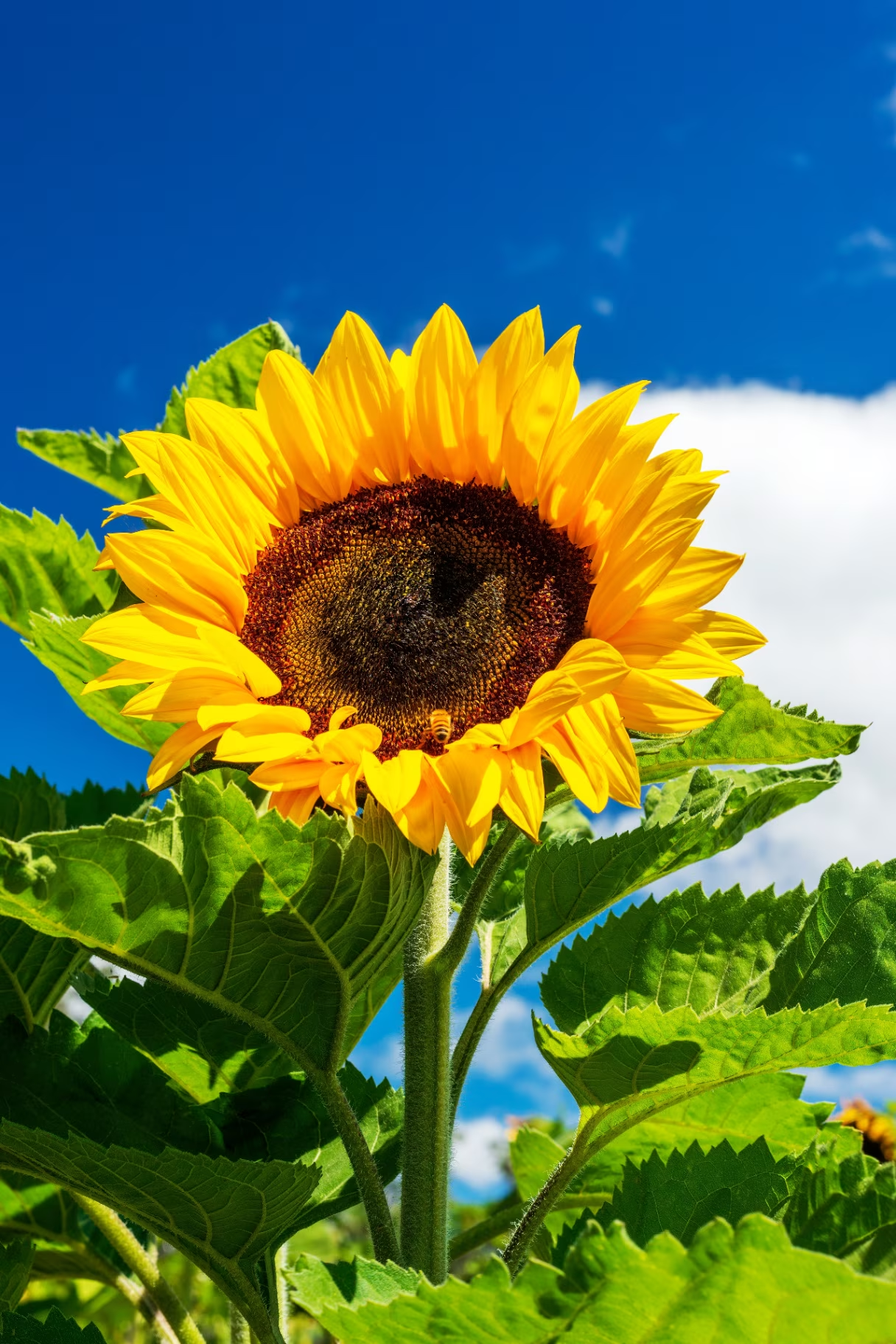 Photo credit: Shutterstock
Perhaps the flower that most typically springs to mind when we picture summer, fields of smiling sunflowers are a delightful sight. They are very easy to grow, simply sow seeds indoors in individual pots using a high-quality compost. Pop them on a sunny windowsill and water them regularly, and within a week you should see seedlings poking out of the soil. As the seedlings grow in size, transplant them to larger plant pots, nourish them with plenty of compost and water regularly.
If the weather is warm, you can sow outdoors directly, but do protect your plants from slugs and snails as they do tend to enjoy sunflowers. Keep watering throughout warm weather.
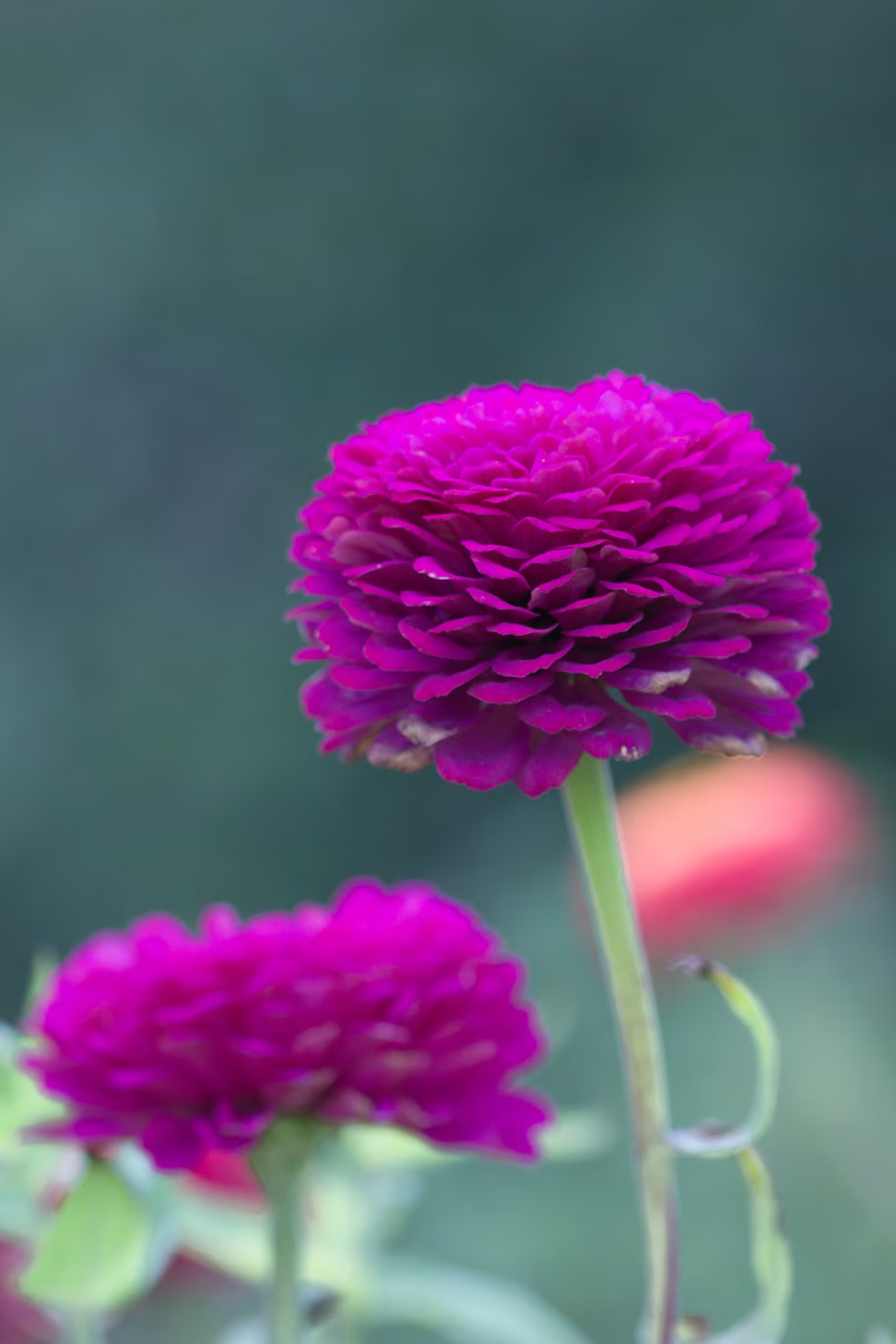 Photo credit: Shutterstock
Zinnias are reliable for bringing bright colour to gardens and are becoming increasingly popular amongst cut-flower growers for their vibrancy, cheer, and long-lasting summer flowers.
They can be tricky customers, however, and gardeners do find them more challenging. Zinnias are half-hardy and hate cold night temperatures, so the secret is to sow as late as possible or in a greenhouse. You can sow seeds individually or spaced out in trays using a free-draining compost, covering them lightly. They will germinate quickly in the warmth, often within a week.
Do provide plenty of light to prevent legginess, and avoid overwatering. Zinnias do not like root disturbance, so handle them carefully when transplanting. When you are planting outside, wait until all risk of frost has passed.
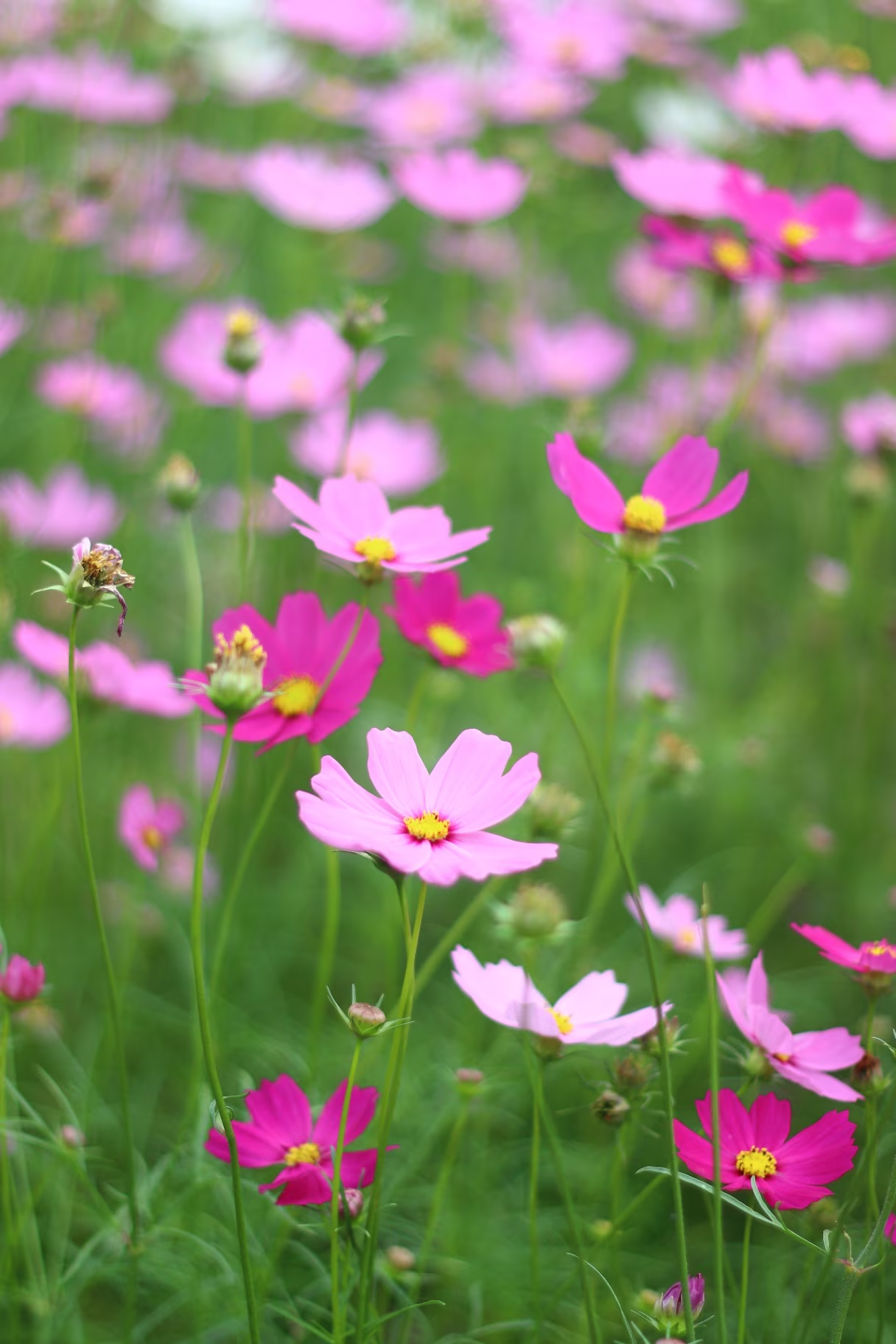 Photo credit: Shutterstock
If zinnias sound like too much trouble, cosmos is a lovely alternative. If you want to get ahead with sowing in April without risking the cold, you can sow them indoors.
Use small pots or seed trays, like the WY8 seed tray starter kit from Amazon, and fill them with a light compost that is free-draining, such as the John Innes seed sowing compost from Amazon. Sow the seeds thinly on the surface and cover them with a light layer of soil.
Within a couple of weeks, the seedlings will appear from the soil, and once temperatures are more consistent, you can take these stronger seedlings and move them outside.
Cosmos do not like overly rich soil, so avoid improving the soil with compost or fertiliser. Light soil will help their roots to spread. Too much fertile soil can result in lots of leafy growth, rather than the beautiful flowers you’re aiming for. Grit or sand from Westland can be added to heavy soil to help improve its drainage.
Although not much kit is needed for sowing seeds in April, investing in seed trays from Amazon and a Spear & Jackson dibber from Amazon for creating holes for larger seeds can be sensible. Plant labels from Garden Trading are also imperative for keeping track of the multiple varieties you have sown. Your summer self will thank you.
Comments are closed.