
I’m Barbara Berardi, I work for Pesticide Action Network Europe. PAN is dedicated to protecting human health and biodiversity from the harmful effects of pesticides and to championing safer alternatives.
Pesticide contamination is everywhere, in soils, surface water and groundwater, vegetation, air. This contamination contributes significantly to the decline of insects, pollinators, farmland birds, soil organisms, and aquatic biodiversity. Such impacts undermine ecosystem functioning, agricultural resilience, and long-term food security.
But reducing chemical pesticides is possible.
Practical experience from farmers across Europe shows that pesticide use can be substantially reduced without affecting farm profitability
Pesticide-free urban green spaces, such as public parks and school grounds, also support the recovery of pollinator populations, while safeguarding human health. Some European cities are already putting this into practice. Paris has been entirely pesticide-free for several years, in fact pesticides have been banned in all towns and cities in France. Similar policies have been implemented in Denmark, Belgium, the Netherlands, Sweden and Luxembourg.
Private gardens and even balconies can be refuges for pollinators and other insects. Even the smallest outdoor space can become part of a living network that supports nature.
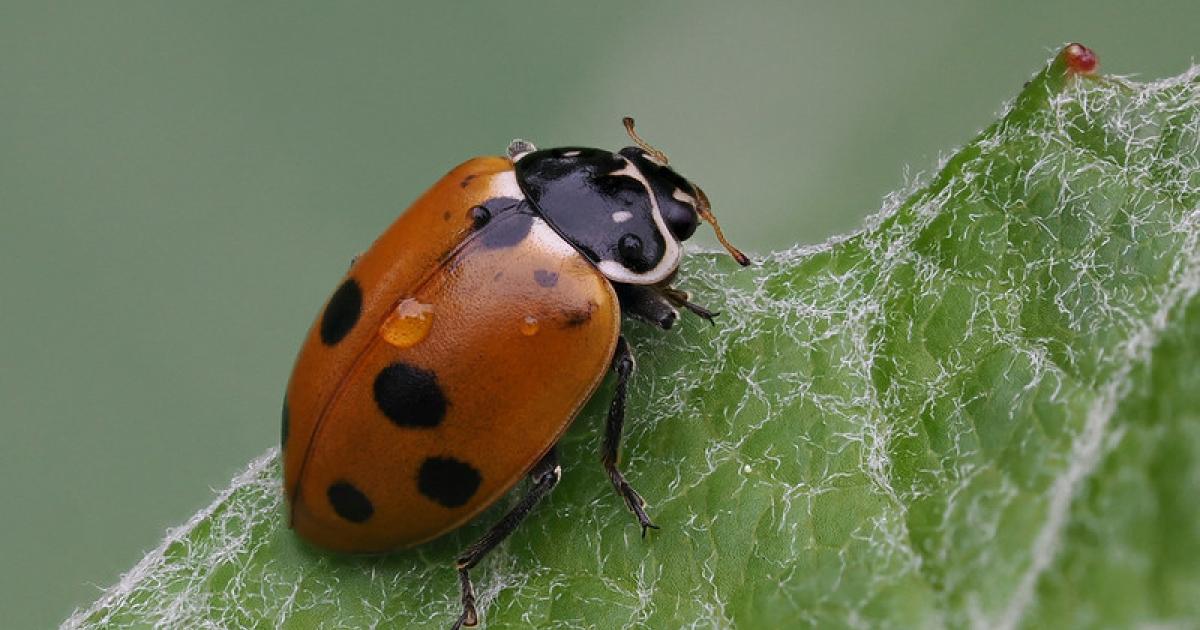
Beneficial arthropods, such as pollinators and natural enemies of pests (e.g. ladybirds, lacewings, hoverflies) keep pest populations in check for free, provided that they are protected against harmful pesticides.
What you can do
Plant for diversity: Include a variety of flowering plants that bloom at different times across the season. This ensures a continuous supply of nectar and pollen – not only for bees and butterflies, but also for hoverflies and parasitic wasps, whose larvae prey on aphids and other pests. Some plants – such as marigolds – attract a broad spectrum of insects. Others, such as certain salvias, support honey bees and bumblebees, while dwarf zinnias are particularly appealing to butterflies
Choose local plants: Local pollinators have evolved alongside these plants, adapting to their specific characteristics, such as bloom cycles, shapes and colors. Native species are better suited to local conditions, requiring less maintenance and care.
Grow herbs: Basil, rosemary, thyme…Besides being a delicious addition to your recipes, when allowed to flower they become valuable food sources for pollinators, and provide natural pest control. Basil planted near tomatoes is known to deter hornworms, thrips and aphids. Rosemary helps repel a range of common garden pests. Borage (Borago officinalis) flowers draw bees and pest-hunting wasps, while the plant itself acts as a deterrent to hornworms.
Go wild for wildflowers: A border strip of mixed native wildflowers along the edge of your beds acts as a reservoir from which beneficial insects can spread into vegetable plots when pests appear. In a community garden, a seed swap is a simple and effective way to multiply these plants across the neighbourhood — the more people grow them, the greater the collective benefit.
Provide water: Pollinators also need safe access to water and sheltered resting spots, although deep water containers pose a drowning risk for small insects. Butterflies benefit from calm, wind-protected areas to rest between flights. Many solitary bees require undisturbed spots to nest and overwinter. Even a small pile of dead wood or a simple insect hotel can make a difference.
Most importantly, avoid chemical pesticides. They are harmful to the very insects you are trying to attract. A well-watered balanced garden does not need much human intervention. Where necessary, use targeted, natural methods instead, such as manually removing pests by hand or with water, or applying a mild, fragrance-free soapy spray directly to the affected area.
Pollinator-friendly spaces form lifelines through the urban landscape that allow bees, butterflies and their allies to move, feed and survive. These uncontaminated refuges and food sources help transform the city into a healthier, greener and better place where nature can thrive.
Comments are closed.