

Gardening expert Alan Titchmarsh shared his essential shrub planting advice, from spacing and positioning to watering and feeding
Alan says now’s the time to be planting new shrubs
With spring now in full swing, amateur gardeners across the country are flocking to garden centres to purchase new plants for their beds and borders. However, alongside the numerous rules to remember when planting shrubs, expert Alan Titchmarsh warns there’s another factor that’s frequently forgotten.
“Shrubs form the backbone of any garden,” Alan explains on his YouTube Channel, Gardening With Alan Titchmarsh. Yet because they provide such crucial structure to your outdoor space, it’s vital to consider very carefully where they’re positioned.
“There are several things to bear in mind,” Alan advises. First and foremost, he cautions against planting your shrub too near to an established tree. You should maintain a generous “apron” surrounding every tree, particularly as certain shrubs will, over time, have a tendency to merge into one substantial mass.
“It’s often easier to buy several smaller plants to make one large one over the space of time,” Alan suggests. “And spacing is critical here. You want something which looks quite good the moment you’ve done it, but you’ve also got to think ahead and allow them to grow.”
He emphasises the importance of forward planning with your planting, keeping an overall design in mind: “I always plant taller things either to the back of a border so it slopes down to the front,” Alan explains. “Or in a circular bed towards the centre and slope it downwards. It’s pleasing to the eye.”
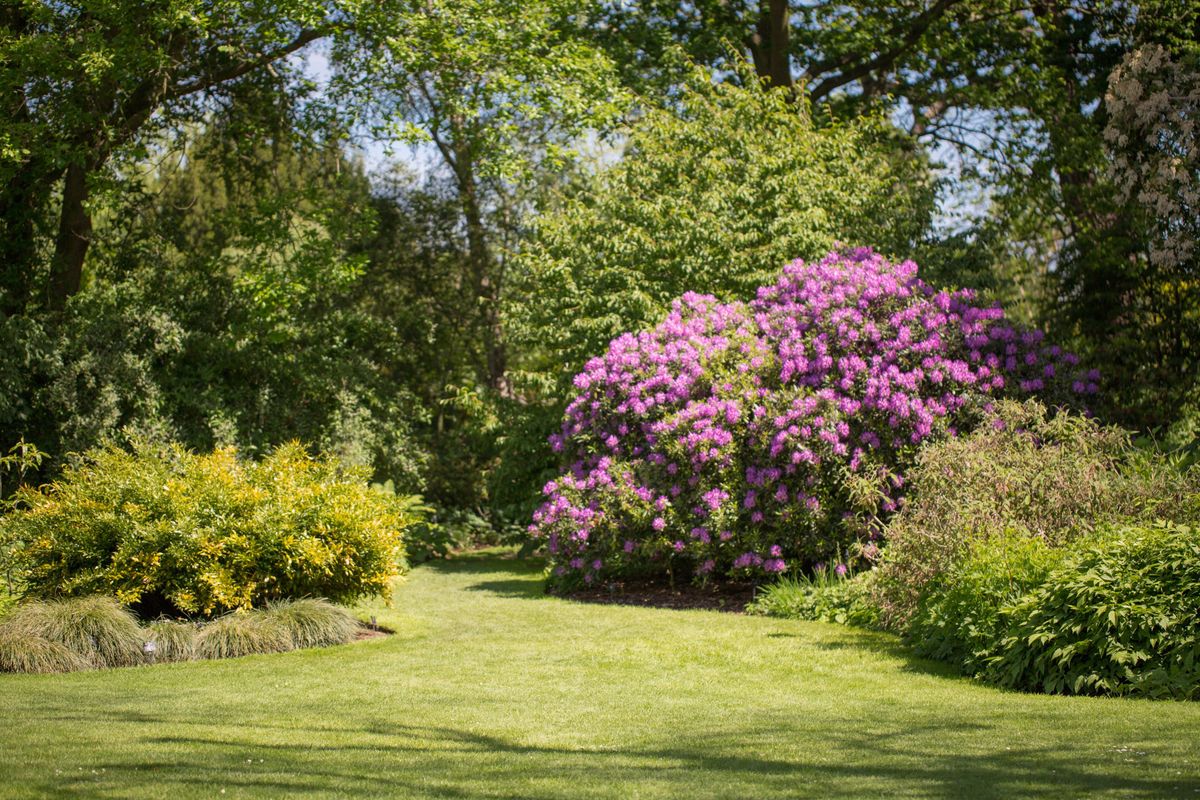
Shrubs can provide an eye-catching splash of colour in your garden(Image: twomeows via Getty Images)
Evergreen shrubs will, as their name suggests, retain their foliage throughout the winter months, while their deciduous counterparts are more likely to produce a stunning burst of colour in your garden with vibrant blooms. The key, according to Alan, is to combine the two varieties to achieve the best of both worlds.
He explains: “We’re looking at plants which will give spots of effect, if you like, right the way through the spring and the summer. And by mixing the two things up, we’ll end up with structure, form, and spectacle.”
Once you’ve chosen your shrub and pinpointed the ideal location for it, it’s time to get planting. “It’s so important to always plant at the right depth at the depth that the plant was growing in its pot,” Alan says.
Measure the root ball against your spade’s blade, then dig a hole of roughly the same depth. After that, it’s simply a matter of carefully removing the shrub from its pot. “Tap the pot off, having watered it really well,” Alan adds.
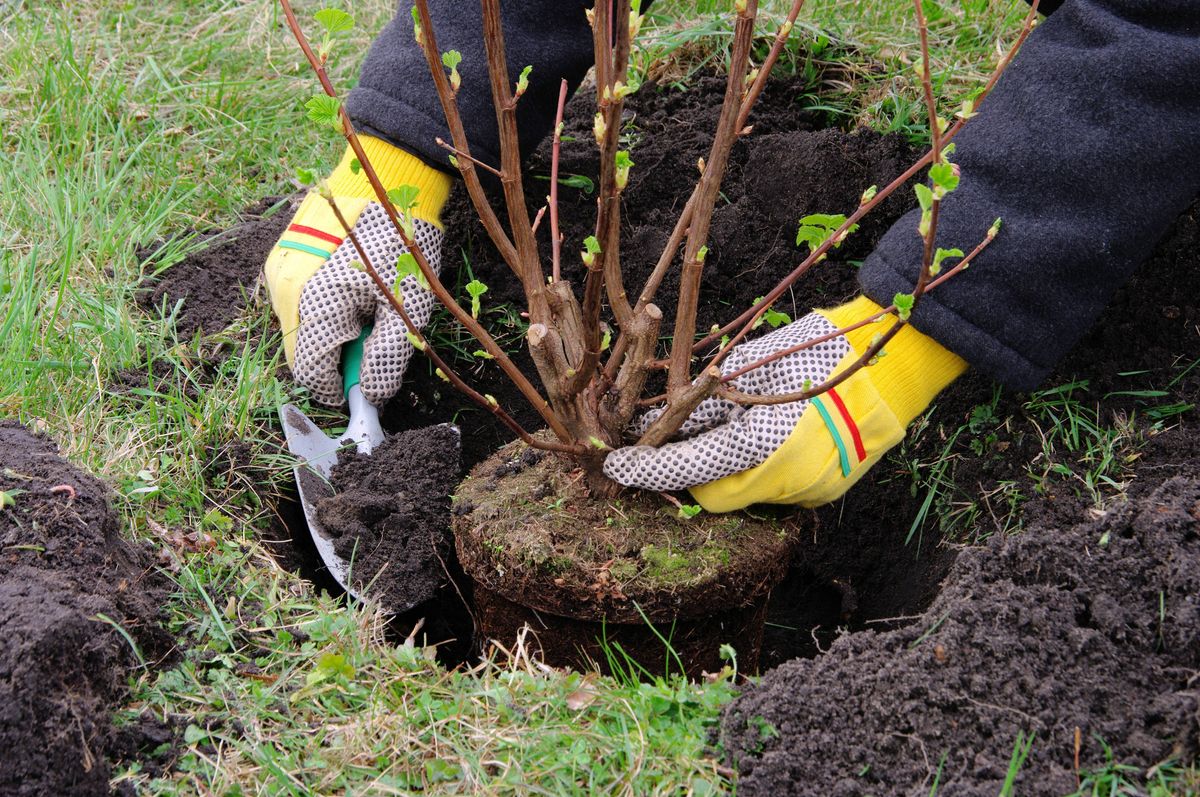
It’s vital to pick the right site, Alan says(Image: LianeM via Getty Images)
It’s advisable to fertilise your new shrub immediately after planting, with Alan recommending blood, fish and bone.
He explains: “So, blood, fish and bone is a good general purpose organic fertiliser. It feeds soil bacteria as well as the plants.” Alan recommends scattering the fertiliser into the excavated soil before folding the mixture back in as you plant.
He adds: “How often do you need to water depends entirely on the weather. If it’s showery and the ground’s staying damp, they’ll be fine. But once it starts to dry out, not just on the surface, but a few inches down, test it with a trowel. See if it’s dry, three inches down – if it is, give it a really good soak.”
After your shrubs are established to provide your garden with structure, it becomes a case of filling the remaining spaces “The gaps in between will be filled with perennials, border plants and annuals, summer bedding,” Alan says. “I think it’s going to look absolutely gorgeous.”
Comments are closed.