
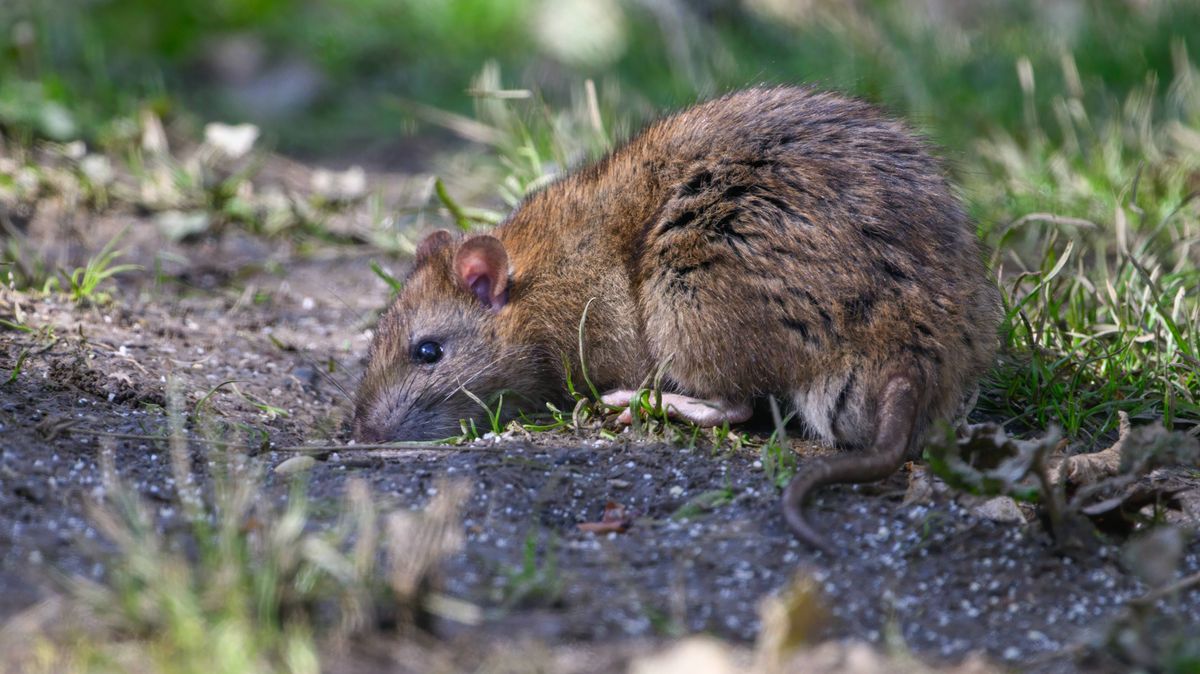
Rats and mice can be a major problem, but experts reveal the best natural rat deterrents to keep pests at bay without harming other animals or plants
Ellen Jenne Senior U35 Spare Time Writer
08:43, 20 Apr 2026Updated 14:58, 20 Apr 2026
How to keep rats out of the garden
As spring arrives, pests become a significant concern for households and gardens across the country. Rats and mice actively seek food and shelter, making gardens particularly vulnerable to infestation.
Many homeowners prefer to steer clear of commercial and chemical solutions to protect other wildlife and plants in their outdoor spaces. We consulted experts to discover the most effective natural defences that are budget-friendly yet effective at keeping pests away as temperatures climb over the coming months.
Here are the top natural deterrents to use in your garden to repel rats and mice this spring that are expert-approved, reports the Express.

Peppermint oil is described as one of the ‘best’ natural defences you can use(Image: Getty)
Ryan Kaila, waste and recycling expert at Kingfisher Direct – Peppermint oil
Ryan highlighted peppermint oil as one of the finest natural deterrents available for warding off pests. He explained: “Peppermint oil is the most effective and one of the most popular deterrents. This is because the strong menthol scent of peppermint makes mice and rats avoid the area.
“Putting peppermint oil in your bins or around your bin areas can help to deter rats and mice outside, if rats in bins outside is a problem. All you have to do is put the oil on something such as cotton wool, napkins, etc. This should soak up the oil and hold off mice and rats.”
Victoria Parkinson, Gardening Expert at Arctic Cabins – Crushed chilli flakes or cayenne pepper
Victoria explained: “This one is brilliantly simple, chilli contains capsaicin, the same compound that makes your mouth burn after a spicy curry. Rodents are extra sensitive to it because they can’t break it down properly. So when they sniff or nibble chilli-dusted areas, they get an unpleasant surprise that irritates their nose and mouth.
“They’ll quickly learn to associate that spot with a bad experience and move elsewhere. Best of all, birds aren’t bothered by capsaicin, so your feathered garden visitors stay perfectly happy.
“Sprinkle a thin line of chili flakes or cayenne powder right around the edges of your flower beds, align fence lines and directly at the entrance of any mouse holes you spot. If rain is forecast, mix two tablespoons of cayenne with a litre of warm water and a drop of washing-up liquid, then spray it onto plant stems and soil and then reapply every few days or after heavy rain.””
Mosh Latifi, co-owner of EcoCare Pest Management – Eucalyptus oil and used coffee grounds
Mosh said: “Eucalyptus oil is highly effective against rodents and is one we use to advise homeowners on when they want a chemical-free solution. The cineole in eucalyptus oil is both an irritant and a strong olfactory deterrent – rodents actively move away from it.
“Apply it by soaking rags or cloth strips and placing them near known entry points, garden sheds, log stores and bin areas. It’s also a practical choice for gardens with pets or children, as it’s safe once dry and widely available from health food shops and pharmacies.”
When it comes to using coffee grounds, there are actually two advantages. Not only does it serve as a pest deterrent, but it can also prove beneficial for the soil where it is spread.
Mosh explained: “Coffee grounds are a brilliant, zero-cost deterrent that most households already produce. The strong, bitter aroma interferes with a rodent’s ability to detect food sources nearby, making your garden far less attractive as a foraging ground.
“Scatter used grounds thickly around the base of bird feeders, compost bins and vegetable beds – all the spots where mice and rats typically investigate first. They’re also beneficial to the soil, so you’re getting a double benefit. Just top them up every few days, especially after rain washes them in.”
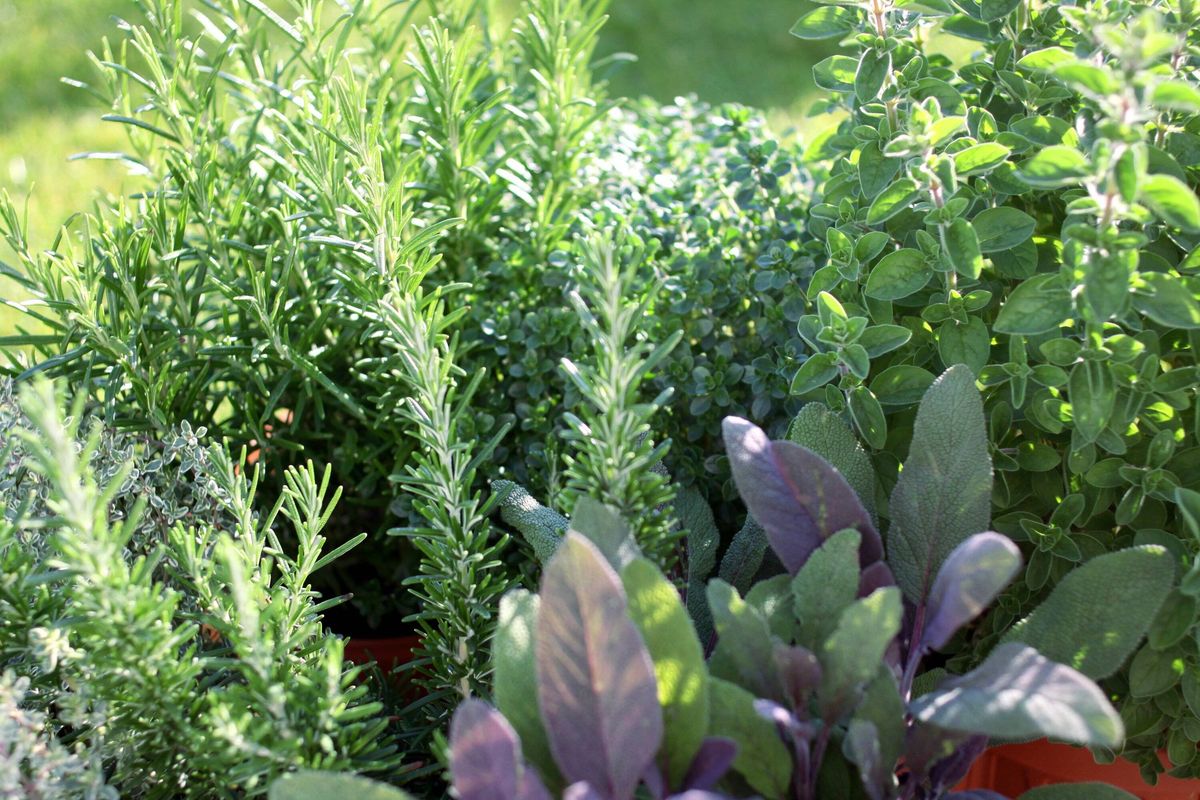
Consider planting strong-smelling herbs around the edge of the garden(Image: Getty)
Luke Newnes, gardening expert at Hillarys – Herbs
A variety of strong-smelling herbs can be left out or cultivated in the garden to act as an effective deterrent. Luke explained: “Planting fragrant herbs such as mint, lavender or rosemary can also help. These don’t guarantee rodents will disappear overnight, but they do make the garden far less appealing.
“Mint is a good choice, but it’s best grown in pots as it can spread quickly.”
How to prevent rats and mice from returning to gardens
Before resorting to natural deterrents, there are several straightforward tasks homeowners can undertake around the garden to minimise the risk of pests. While they may seem minor, these actions can make a significant difference to your outdoor space.
Luke said: “Just as important is removing what attracts mice and rats in the first place. Clearing away fallen bird seed, keeping food securely stored and turning compost regularly all make a big difference. Tidying up overgrown areas, wood piles and dense ground cover also removes the quiet, sheltered spots rodents like to nest in.”
He also revealed some long-term prevention strategies. Luke explained: “For a longer-term, wildlife-friendly solution, encouraging natural predators like owls can help keep numbers down. Something as simple as an owl box can have a real impact over time.”
Emily, a garden and home maintenance expert at Howarth Timber, shared similar views, stating: “Keeping rats and mice under control in and around the home is really about making the environment less attractive to them in the first place, rather than relying on reactive measures.
“Food sources should be removed entirely, so all waste needs to be stored in sealed bins, pet food should not be left out overnight, and compost heaps should be well managed so they do not become a feeding ground.
“Entry points are just as important, and even small gaps around sheds, pipework and air bricks can allow rodents inside, so these should be sealed as a priority.”
She also emphasised the importance of routine garden maintenance, noting it can make a “significant difference”. Emily went on to say: “Regular garden upkeep also makes a significant difference, particularly cutting back dense vegetation, removing piles of wood, leaves or debris, and keeping storage areas tidy and raised off the ground where possible.
“The key is consistency, as rodents are highly adaptable and will quickly return if conditions remain favourable.”
Comments are closed.