
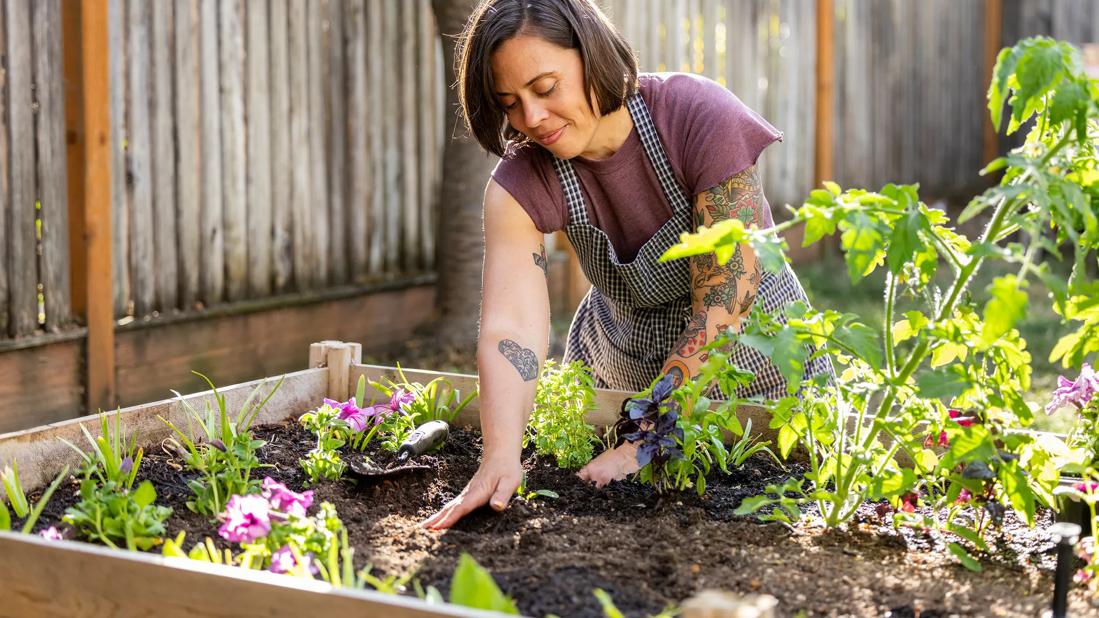
When you think about warm-weather activities that are good for your health, you probably think of walking, hiking or running. But another beloved pastime offers a lot of benefits, too: gardening.
Advertisement
Cleveland Clinic is a non-profit academic medical center. Advertising on our site helps support our mission. We do not endorse non-Cleveland Clinic products or services. Policy
“Gardening is great. It can really boost your mental health, and it’s good for your physical health,” says neurosurgeon and spine specialist Deborah Benzil, MD.
Even better? You don’t need a big yard or hours of free time to see the benefits of gardening. A few minutes here and there can go a long way.
Benefits of gardening
At first glance, gardening may not seem like a workout or a wellness routine. But Dr. Benzil explains that this activity affects nearly every part of your health, from your mood and brain function to your muscles and bones.
Mental health benefits
Spending time in the garden can do more than just help your plants grow — it can help you feel better, too. A meta-analysis of studies on the mental health benefits of gardening found that it had a “significant and positive” effect on overall well-being.
Relieves stress
Watering, planting and weeding are calming routines that can help you manage stress and ease anxiety. Plus, gardening encourages mindfulness, requiring you to slow down and focus on the moment.
During the height of the COVID-19 pandemic, one study showed that gardening was a significant source of stress relief — and even of hope for the future.
Improves mood
“Gardening offers a real sense of satisfaction,” Dr. Benzil says. “You smell the fresh garden, you see the flowers, and you may get to eat your own fresh herbs and vegetables.”
That sense of progress and accomplishment can lift your mood and give you a mental reset, especially when life feels busy or stressful.
Supports brain health
Gardening has been linked to maintaining cognitive function and may help lower the risk of conditions like dementia.
In people already living with dementia, gardening has been shown to help decrease agitation, as well as improve mood and relieve stress.
Fosters social connections
There’s also a social side to gardening. Whether you’re chatting with neighbors in your yard or working in a community garden, it creates natural opportunities to connect.
“The minute you get out in your yard, you’re likely to see your neighbors or others and have a chance to interact,” Dr. Benzil notes.
Offers accessible options
There’s no gatekeeping when it comes to gardening. It’s available to anyone, no matter your age, geographic location or physical ability.
Sure, some folks have more access to space — and good weather! — than others. But the fact that gardening is such an adaptable activity (think small plots, container beds, community gardens, etc.) means that everyone can get in on it in some form or another.
“Gardening has demonstrated benefits for everyone, including school kids, older individuals and people with disabilities,” Dr. Benzil points out. “Really, the whole spectrum of humanity can benefit from it.”
Physical health benefits
The benefits of gardening go beyond the mental and emotional. It’s also a form of exercise — even if it doesn’t look or feel like a traditional workout. Dr. Benzil explains why this activity is good for your body, in addition to your brain.
Provides a multifaceted workout
“Gardening is a whole-body exercise,” Dr. Benzil says. “You’re using your arms, legs and core to lift, carry, dig and place things into the dirt.”
These movements help:
Build strengthImprove flexibilityKeep your body activeSupports healthy bones
Gardening involves weight-bearing activities, like standing, walking and lifting, which are especially helpful for your bones. In fact, there’s clear evidence that gardening can help prevent the effects of osteoporosis.
Osteoporosis is when your bones weaken and lose mass and strength, which puts them at a greater risk of fractures. This condition affects more than 50 million people in the U.S. alone, and it’s most common in women over 50 years old.
“As you get older, it’s especially important to do weight-bearing exercises because they help prevent osteoporosis,” Dr. Benzil encourages.
Offers the benefits of sunshine
Just 10 to 30 minutes of safe sunlight exposure a few times a week helps your body produce vitamin D. This nutrient helps your body absorb calcium and maintain bone strength.
There are other benefits to sunshine, too. Regular, safe exposure to sunlight can help improve mood, regulate sleep patterns and ward off seasonal depression.
7 ways to get the most from gardening
Like any other form of movement, it’s important to approach gardening with care.
“Understand that gardening is an exercise,” Dr. Benzil advises. “That means you need to be careful and prepare your body for it.”
She offers these tips for safe gardening:
Warm up and cool down. “Do a good, deep 10-to-15-minute stretch before and after, particularly for your upper and lower back,” Dr. Benzil recommends. “These areas get a lot of stress during gardening.”Don’t do too much too soon. If you’re new to gardening, begin with shorter intervals and work your way up to doing more. Dr. Benzil also warns against digging or carrying too much right away, which can lead to injuries.Use good tools and form. Gardening while bent or hunched over stresses your back, and using the wrong tools requires you to work harder than you need to. So, get a kneeling bench, and keep your scissors and shovels sharp.Practice sun safety. Sunlight provides various benefits, but it can also cause serious harm. Wear sunscreen, reapply often, and consider wearing hats, sunglasses and sun-protective clothing.Stay hydrated. Don’t underestimate how all that time outdoors can affect your hydration levels. Drink water throughout your time gardening, as you would during any other type of workout.Listen to your body. If you feel pain or fatigue, take a break. If you feel sore afterward, try icing. And ask your healthcare provider if it’s safe to take over-the-counter anti-inflammatories, like ibuprofen or naproxen.Adapt as needed. If you experience back issues, consider raised garden beds so you don’t have to do so much bending. This can help take some of the stress off your spine and back muscles.
The good news, Dr. Benzil points out, is that gardening is flexible. “You can adapt it to your space, your schedule and your physical ability.”
Whether you’re growing vegetables, herbs or flowers, you’re doing more than tending plants. You’re also supporting your health in a simple, rewarding way.
Comments are closed.