
Photo: Doreen Wyjna/Monrovia
1 / 31
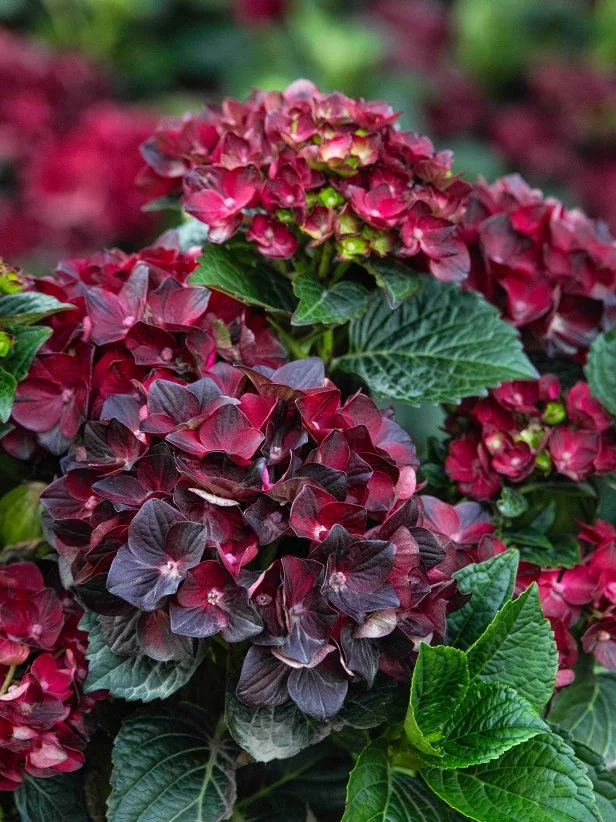
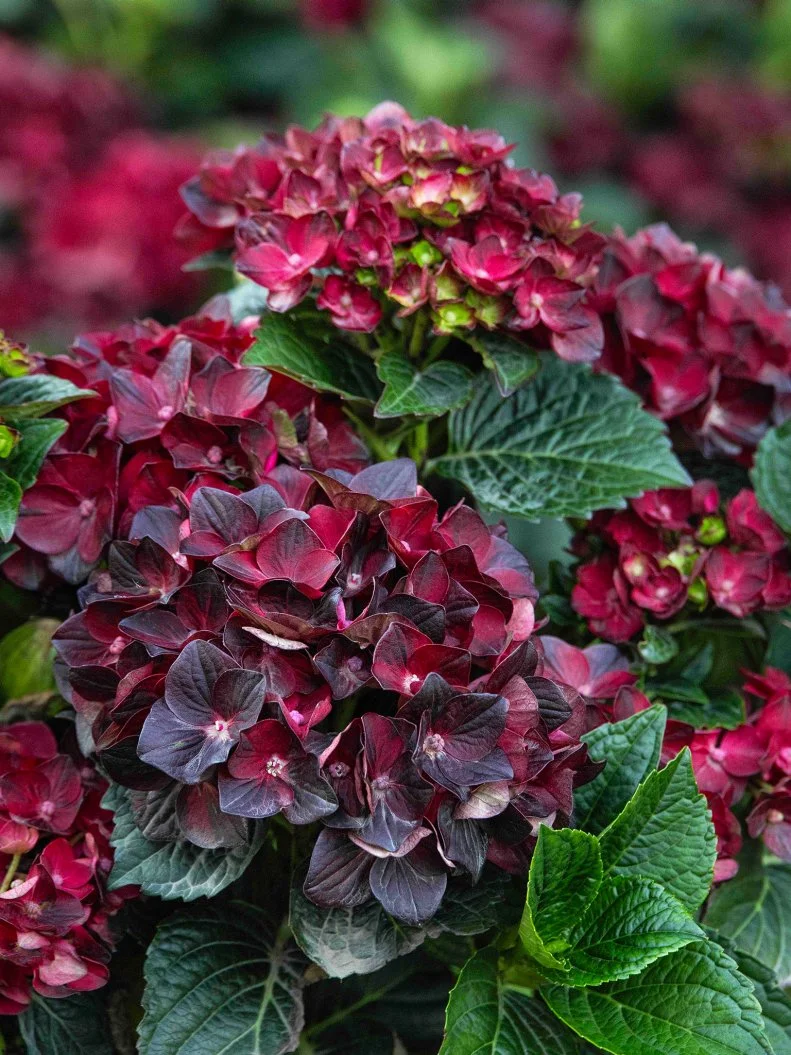
Hydrangea ‘Centennial Ruby’
This stunning new hydrangea is ‘Centennial Ruby’ (H. macrophylla), introduced by Monrovia as a 2026 Distinctive Selection to celebrate the company’s 100th anniversary. Love the deep, rich, ruby-red color? Better hurry. This reblooming shrub is a limited-edition variety with mophead flowers that open from late spring through fall and darken as they age. Grow it in partial sun, partial shade or filtered light in containers, the landscape or your favorite garden spot. ‘Centennial Ruby’ has strong stems with thick, dark green leaves and stays compact, at 3 feet tall and wide. The first 5,000 plants released this year will have a special, limited-edition collector’s tag. Hardy in USDA Gardening Zones 4 to 9.
More photos after this Ad
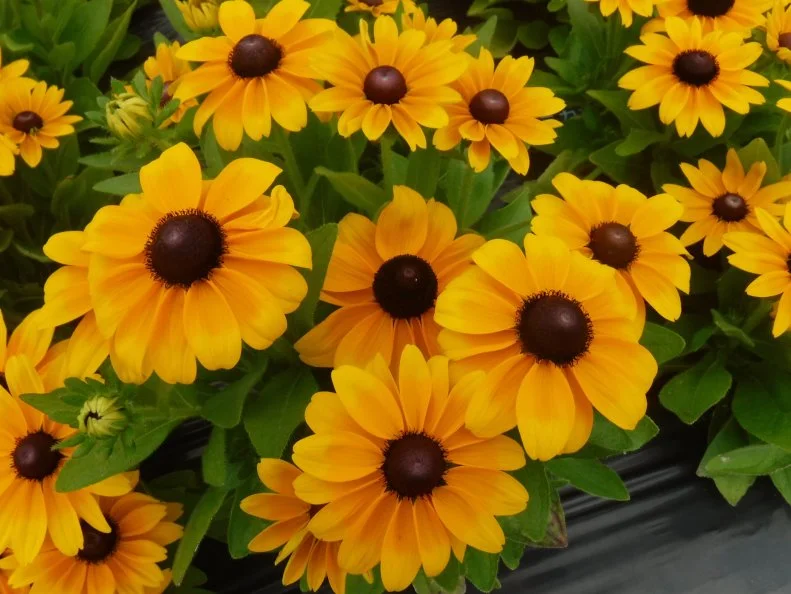
Photo: National Garden Bureau
2 / 31
Rudbeckia Claire Orange F1
Why do you need a pollen-free Rudbeckia? Cut a few flowers to bring inside, and you’ll see: that “yellow dust” gets on everything. The solution is the world’s first pollen-free Rudbeckia, Claire Orange, an F1 hybrid chosen as an All-America Selections (AAS) National Winner. AAS is an independent nonprofit organization that trials new varieties across North America. These compact plants bloom early and profusely, opening yellow-orange flowers with dark eyes. Give them full sun, and they’ll grow to under 12 inches tall. Hardy in Zones 4 to 8.
More photos after this Ad
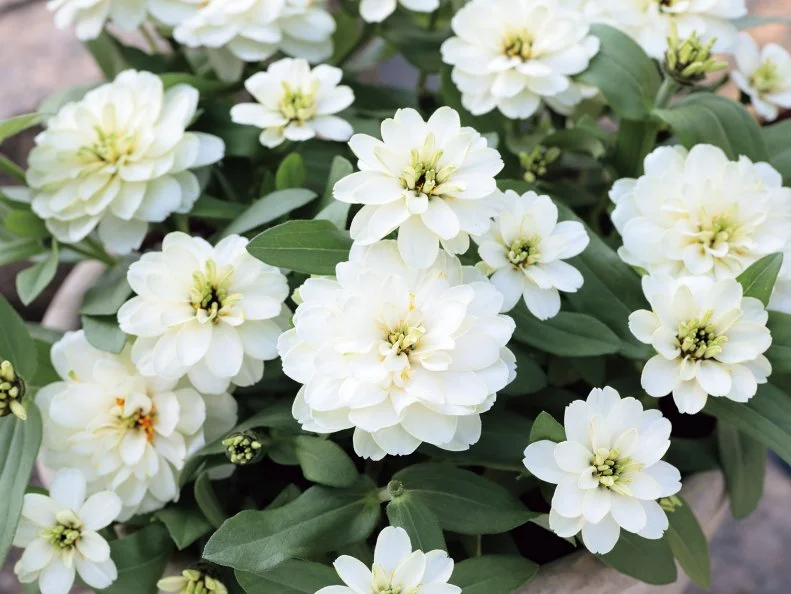
Photo: National Garden Bureau
3 / 31
Zinnia ‘Profusion Double White’
Give AAS Gold Medal Winner Zinna ‘Profusion Double White’ room to show off its big, star-shaped flowers, which grow to 2-1/2 to 3 inches in diameter. The plants mature at 14 to 18 inches tall and 20 inches wide, and hold up well against disease and sustained nighttime temperatures above 75 degrees F., which stress other Zinnias. They’re drought-, heat- and powdery mildew-resistant, and deer usually leave them alone. Skip the deadheading, and enjoy the pure white blooms from summer until frost. This pollinator-friendly variety also won a Fleuroselect Award in European trials. Typically grown as annuals, the plants are hardy in Zones 10 to 11.
More photos after this Ad
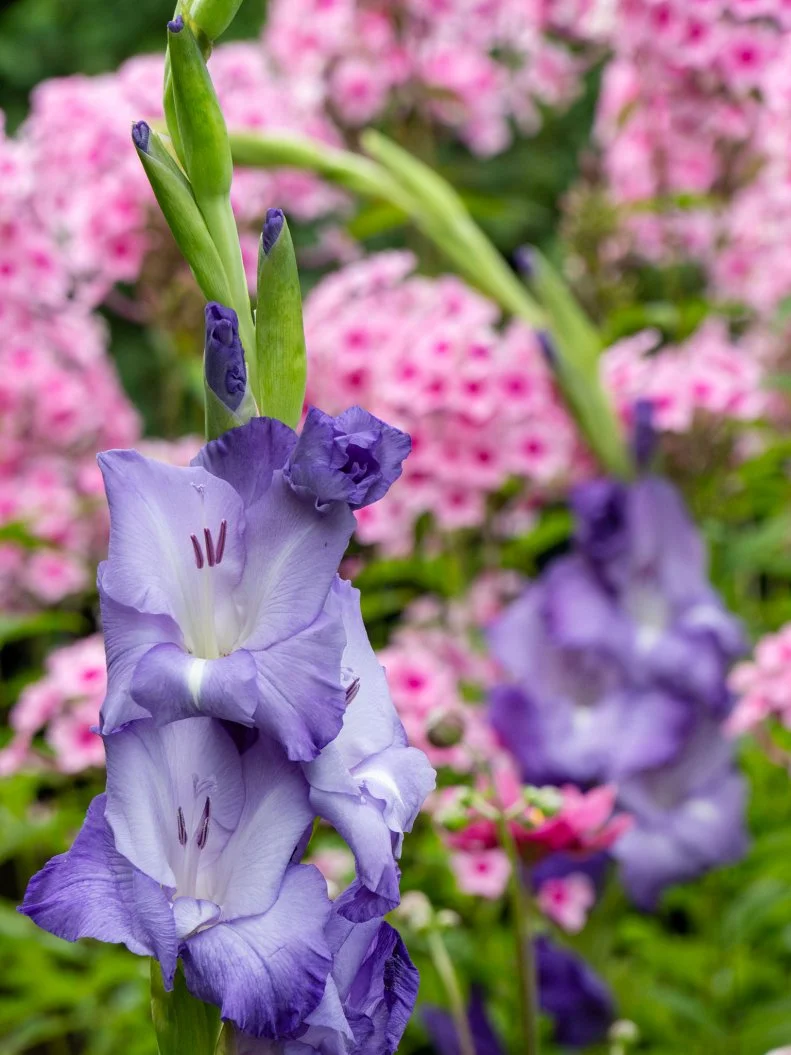
Photo: Flowerbulb.EU
4 / 31
Gladiolus
Available in a rainbow of colors, the gladiolus was named the 2026 Summer Bulb of the Year by Flowerbulb.eu, an European Union organization that encourages gardeners to plant flower bulbs. Also known as sword lilies and glads, the bulbs add a dramatic touch to gardens with their tall, elegant flower spikes, although there are shorter varieties suitable for containers. Miniatures top out at 12 to 24 inches high, while newer hybrids can shoot up to four feet. Stake the taller types or grow them near ornamental grasses or peonies to help hold them up. Glads need well-drained soil and at least six hours of sun each day. Hardy in Zones 7 to 10.
More photos after this Ad
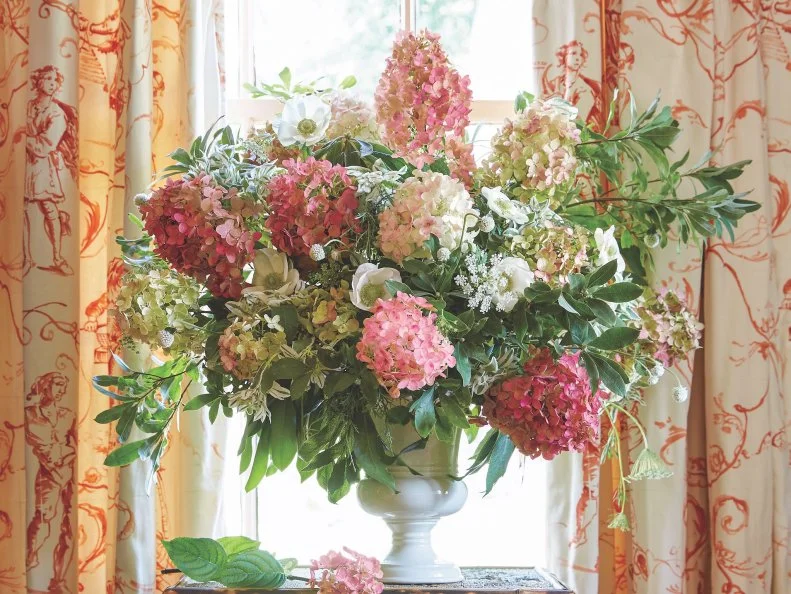
Photo: David Hillegas / FLOWER Magazine
5 / 31
Hydrangea ‘Fire Light’
Stunning ‘Fire Light’ hydrangeas (H. paniculata) turn heads with their huge flower heads. Named the Flower of the Year by FLOWER Magazine, this shrub forms creamy white flowers that become deep red as they age and the mercury drops. ‘Fire Light’ tops out around 6 to 8 feet tall and wide, and produces strong stems that won’t flop when they’re cut for fresh or dried for flower arrangements. Grow the shrubs as privacy screens, specimen plants or hedges, and prune them back by about one-third in early spring; they bloom on new wood. ‘Fire Light’ is exceptionally cold-hardy, thrives in part sun to sun and needs little care. Unlike some hydrangeas, the flower color isn’t affected by the soil’s pH. Hardy in Zones 3 to 8.
More photos after this Ad
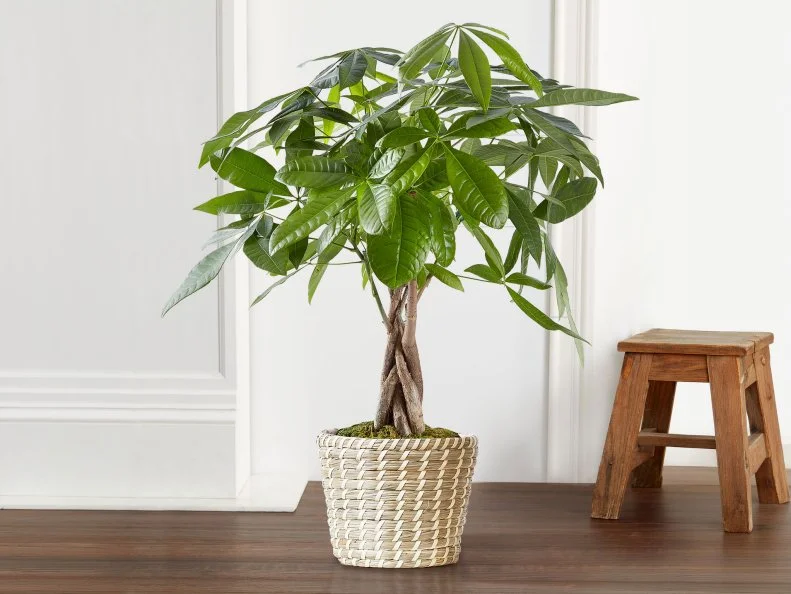
Photo: 1-800-Flowers.com
6 / 31
Money Tree
Who wouldn’t want a plant that promises abundance? Although 1-800-Flowers.com named the tropical money tree (Pachira aquatica) its 2026 Plant of the Year, don’t quit your day job; you can’t spend this greenery. Instead of currency, it offers attractive, plume-shaped leaves. Growers often braid the young, flexible stems for aesthetic reasons, but money trees can have a single stem, multiple or unbraided stems, or stems shaped into knots. Give your tree morning sun or fluorescent light, but avoid direct sunlight. The plants can grow 60 feet tall in the wild, but usually reach 6 to 8 feet tall indoors. Hardy in Zones 10 to 12.
More photos after this Ad
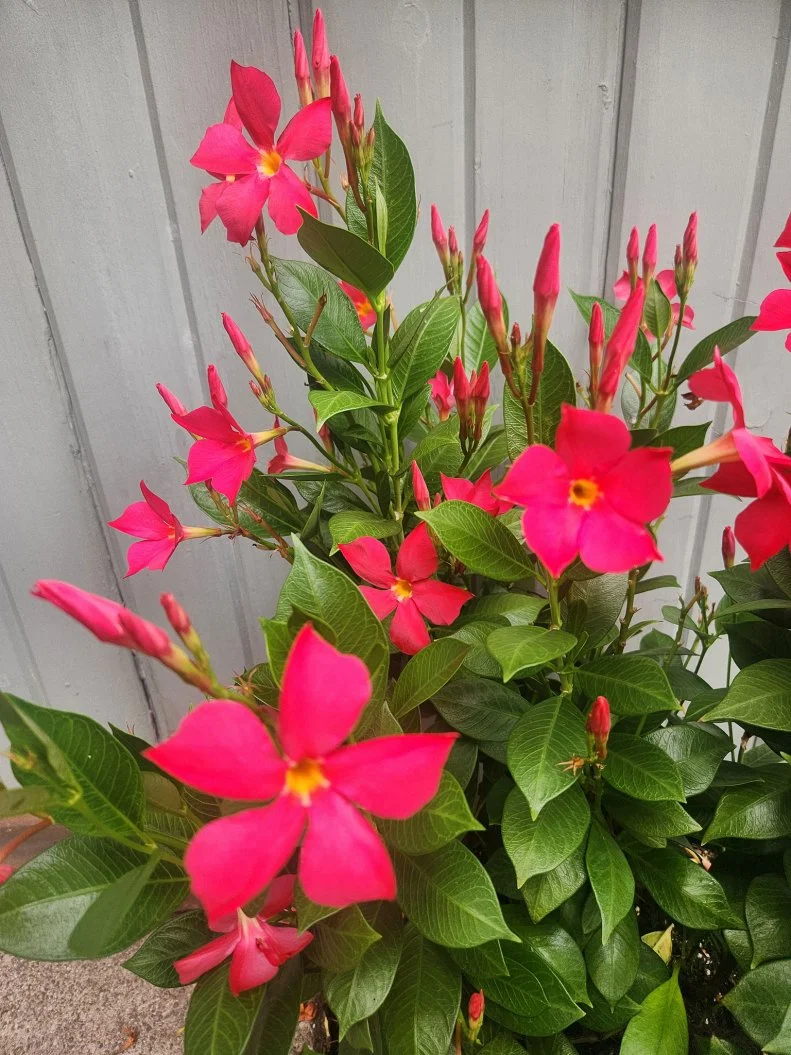
Photo: National Garden Bureau/Suntory
7 / 31
Dipladenia ‘Fired Up Coral’
This year, judges from the National Garden Bureau’s Green Thumb Awards (GTA) were excited about Dipladenia ‘Fired Up Coral’. This annual competition gives People’s Choice Awards and Professional’s Choice Awards for houseplants, annuals, perennials, shrubs, edibles and garden products. The “fire” in this plant’s name refers to its pinwheel-shaped, hot coral-pink blooms; the “up” is for its freestanding, upright growth habit. Drought-tolerant and happy in full sun, this hybrid grows 24 inches tall and spreads 12 to 16 inches. Use the pollinator-friendly flowers as thrillers in containers or in the landscape. You can treat it as an annual in cold climates, or overwinter it indoors and move it back outside when the temperatures are reliably above 50 degrees F. Hardy in Zones 10 to 11.
More photos after this Ad
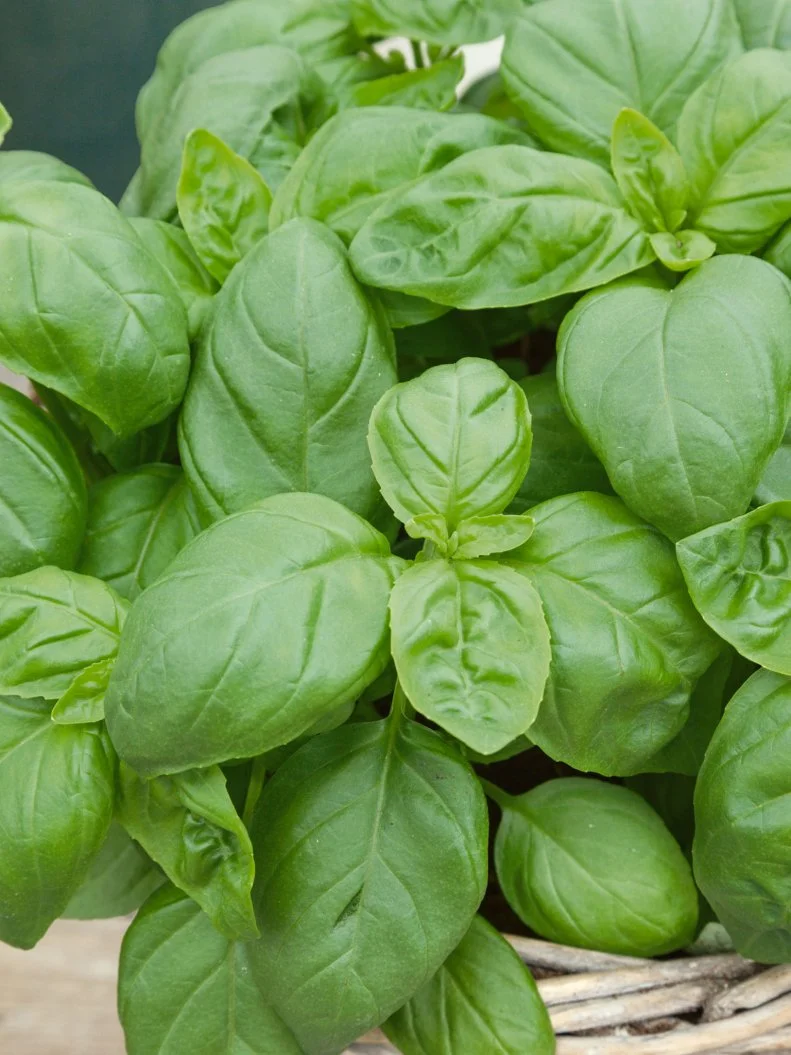
Photo: National Garden Bureau/GardenGenetics and Seeds by Design
8 / 31
Basil ‘Treviso’
Grow this compact basil in your kitchen garden or containers and add its leaves, which have a light anise flavor, to your favorite recipes. ‘Treviso’ is a dual winner, named in the edibles division of the 2026 Professional’s GTA and the vegetables category of the 2026 AAS. It resists turning bitter after harvesting, tolerates hot weather, is slow to bolt, grows vigorously and resists both downy and powdery mildews. In full sun, the plants reach 12 to 18 inches high. If you direct-sow the seeds, wait until the ground is reliably warm, or about the same time that you’d transplant tomatoes. It’s ready to harvest from seed in 90 days or from transplants in about 60.
More photos after this Ad
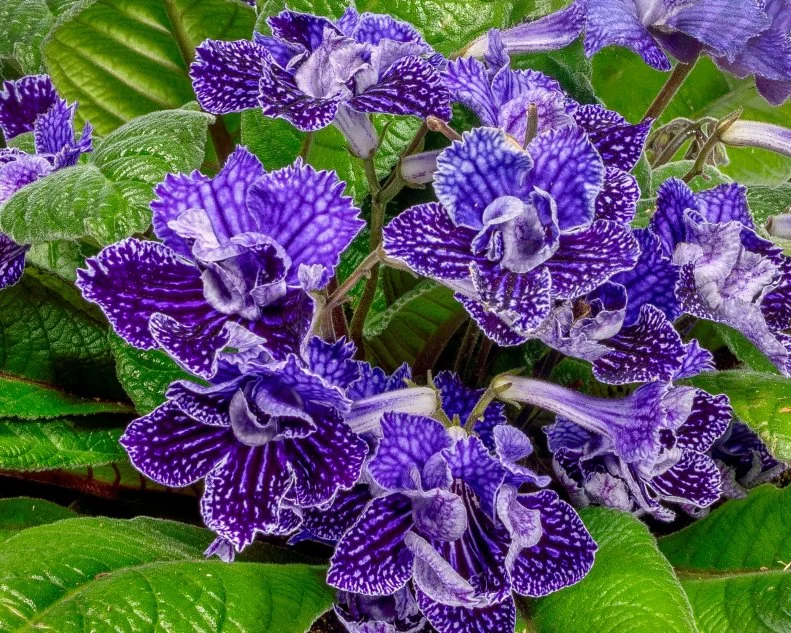
Photo: National Garden Bureau/Green Fuse Botanicals
9 / 31
Cape Primrose ‘Lady Slippers Double Blue Vein’
The 2026 Professional’s Choice Green Thumb Award Winner for a houseplant was Streptocarpus ‘Lady Slippers Double Blue Vein’ (the name is sometimes shown as ‘Ladyslippers’). Commonly called Cape Primrose, this first-ever double Streptocarpus can be grown outdoors in shady spots or indoors in low light. Either way, it stays compact at under 12 inches tall. The periwinkle-blue blooms open to 2 inches wide and have purple to deep-purple veins and creamy-white centers. Like African violets, which belong to the same family, these plants like high humidity. Streptocarpus plants are tropicals that can’t tolerate temperatures below 45 to 50 degrees F., so they’re typically grown as houseplants.
More photos after this Ad
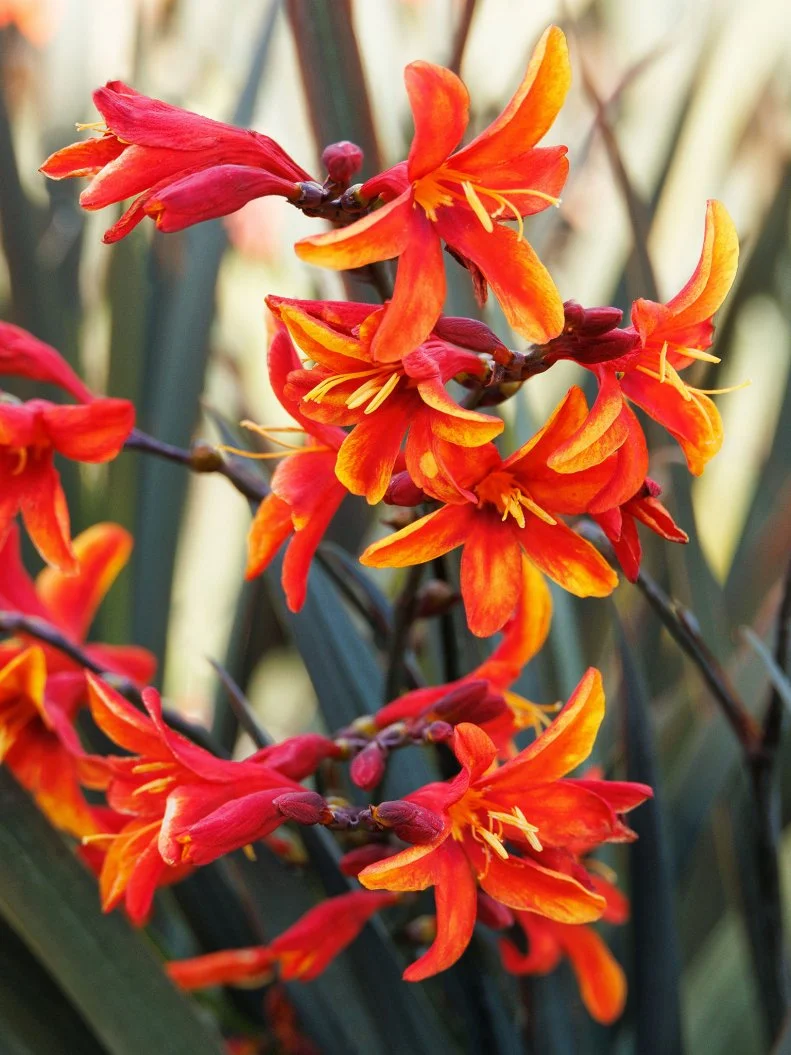
Photo: Doreen Wynja/Monrovia
10 / 31
Crocosmia ‘Dark Fire’
Named one of Monrovia’s Distinctive Selections for 2026, ‘Dark Fire’ Crocosmia (also known as Montbretia) stepped into another winners’ circle with a 2026 Professional’s Choice GTA. It’s a stunner, with smoky purple-green foliage and bicolored red-and-yellow blooms. Hummingbirds are smitten with this perennial, which is generally deer- and rabbit-resistant. Use it for a moody, gothic touch in plantings with other “hot” colors, or allow it to contrast with a mix of perennials in beds and borders. It likes full to partial sun and moist—not soggy—soil.
More photos after this Ad
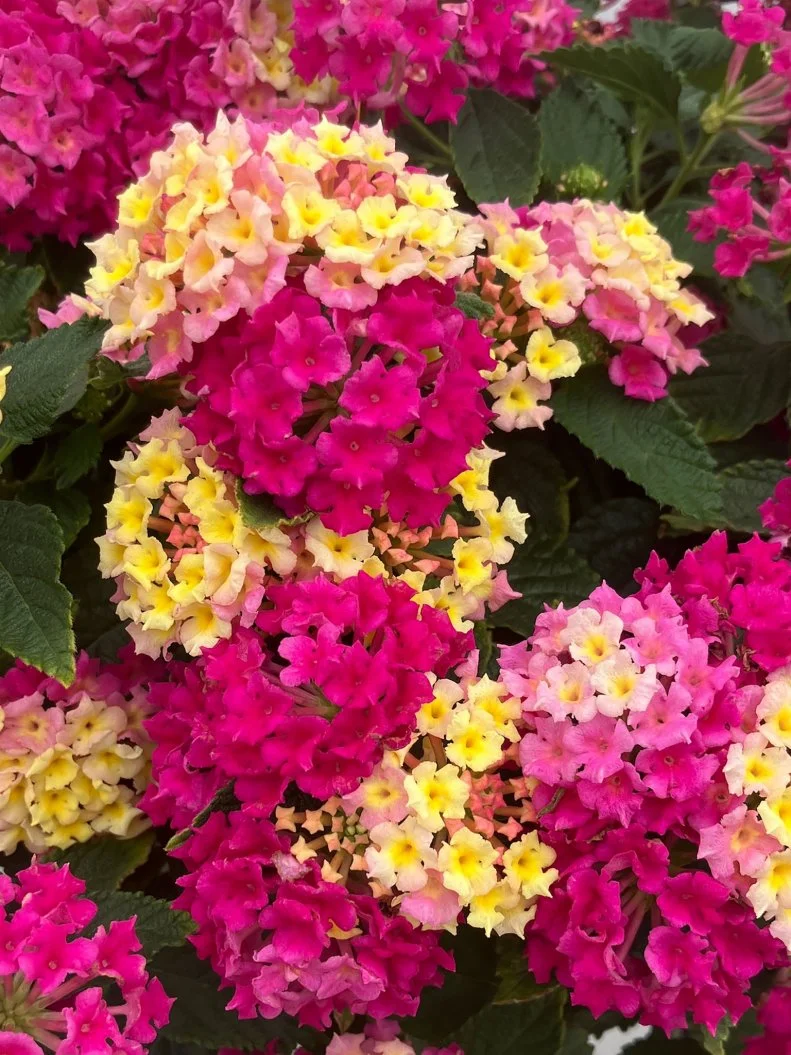
Photo: Doreen Wyjna/Monrovia
11 / 31
Lantana ‘Fiesta Limonada Rosa’
Another hummingbird magnet, ‘Fiesta ‘Limonada Rosa’ is a sun-loving lantana (Lantana camara) and another of Monrovia’s Distinctive Selections for 2026. It shows off with magenta and butter-yellow flowers that also appeal to butterflies and other pollinators. This is a semi-trailing variety you can grow in hanging baskets and containers or train to grow as a patio tree. It flowers almost nonstop in frost-free areas, but it’s often treated as an annual in cooler climates. It spreads to 30 inches across and tops out about 18 inches high. Hardy in Zones 10 and 11.
More photos after this Ad
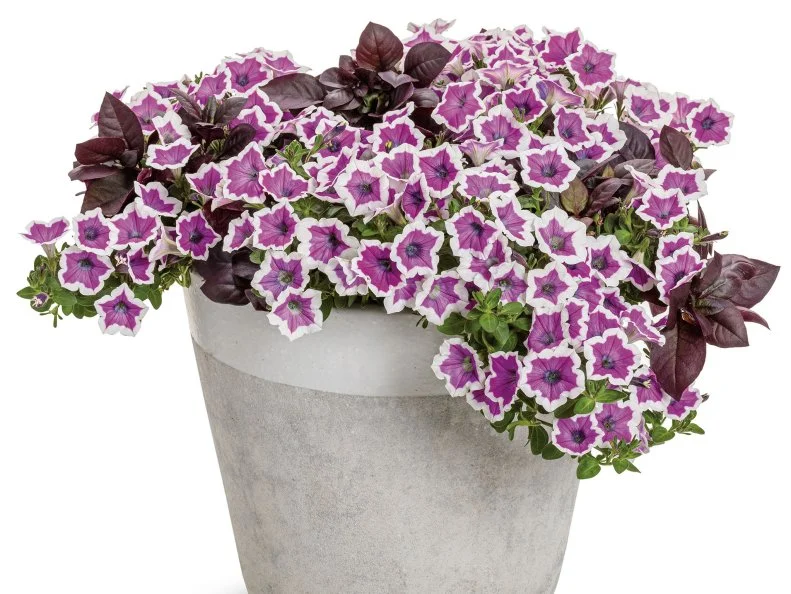
Photo: ProvenWinners.com
12 / 31
Supertunia Hoopla ‘Vivid Orchid’
This picotee petunia’s name says it all: from spring until the first hard frost, it has orchid-purple flowers edged in white. Let Supertunia Hoopla ‘Vivid Orchid’ spill or trail from containers. The stems grow to 36 inches long, and the plants form mounds of flowers that can reach 12 inches high. Heat-tolerant and low-maintenance, it’s gorgeous as a groundcover, border or edging plant; it’s also lovely in containers or across landscapes. Give it part sun to sun and, for best results, apply a slow-release fertilizer at planting time. This petunia is a heavy feeder and may need another application if you have a long growing season. It doesn’t need deadheading. Hardy in Zones 10 to 11.
More photos after this Ad
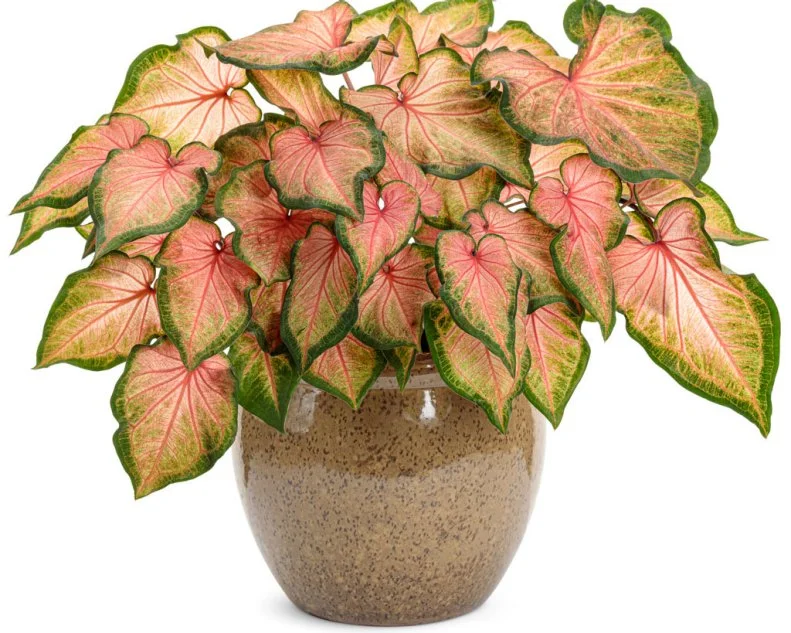
Photo: Chris Brown Photography
13 / 31
Caladium Heart to Heart ‘Chinook’
Unlike traditional caladiums that crave the shade, Heart to Heart ‘Chinook’, the Proven Winners Caladium of the Year, is happy in shade or sun. The heart-shaped leaves are salmon-pink and orange with green edges, and the plants grow in clumps 15 to 20 inches tall and 8 to 10 inches wide. Use ‘Chinook’ in borders, the landscape or containers. Deer tend to leave it alone. It can adapt to grow as a houseplant if it’s given bright light or a sunny window, but it needs high humidity, so run a humidifier or place it on top of a tray filled with pebbles and a little water. Caladiums like moist soil, indoors or out. Hardy in Zones 10 to 11.
More photos after this Ad
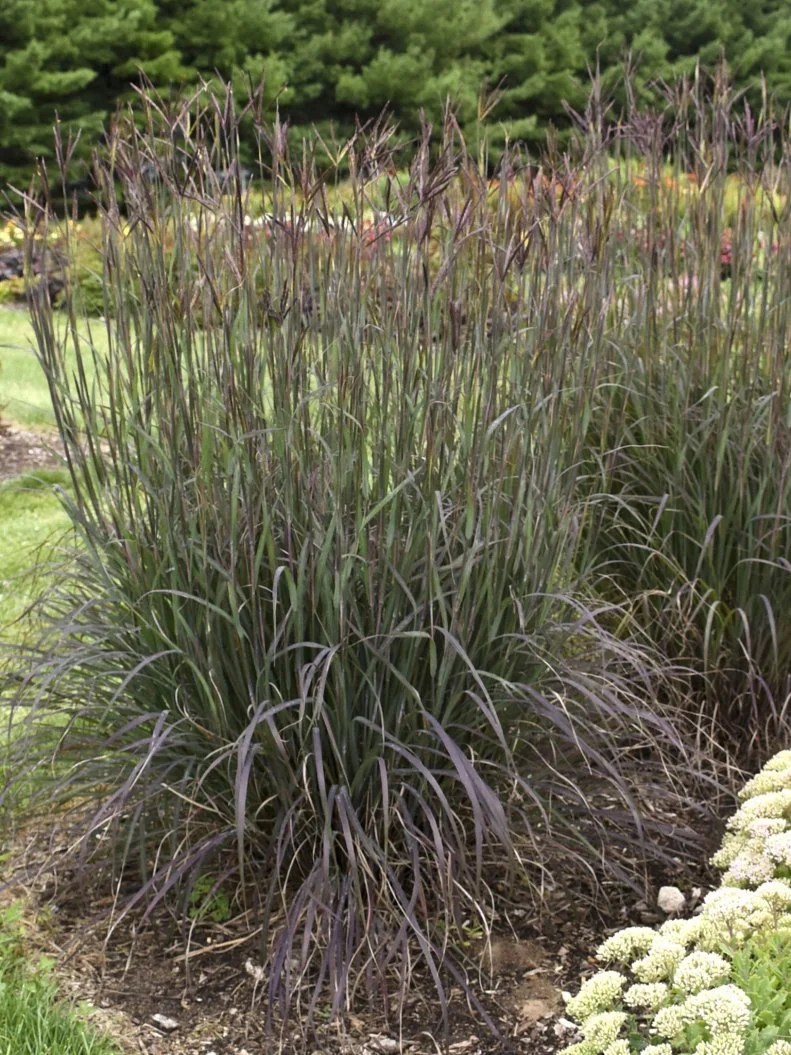
Photo: Chicago Botanic Garden
14 / 31
Big Bluestem Grass ‘Blackhawks’
‘Blackhawks’ Big Bluestem (Andropogon gerardii), named the Perennial Plant of 2026 by the Perennial Plant Association, is an ornamental grass that emerges dark green with reddish-purple tips and becomes deep purple to near-black by fall. It’s drought-tolerant once established. Give it full sun in evenly moist soil and avoid over-fertilizing, which can promote weak, floppy growth. ‘Blackhawks’ can grow 5 feet tall and 2 feet wide in a single, dense clump. Pair it with late-season bloomers like black-eyed Susans (Rudbeckia spp.), tall Sedums (Hylotelephium spp.) or asters (Symphyotrichum spp.) for more fall color. Hardy in Zones 3 to 9.
More photos after this Ad
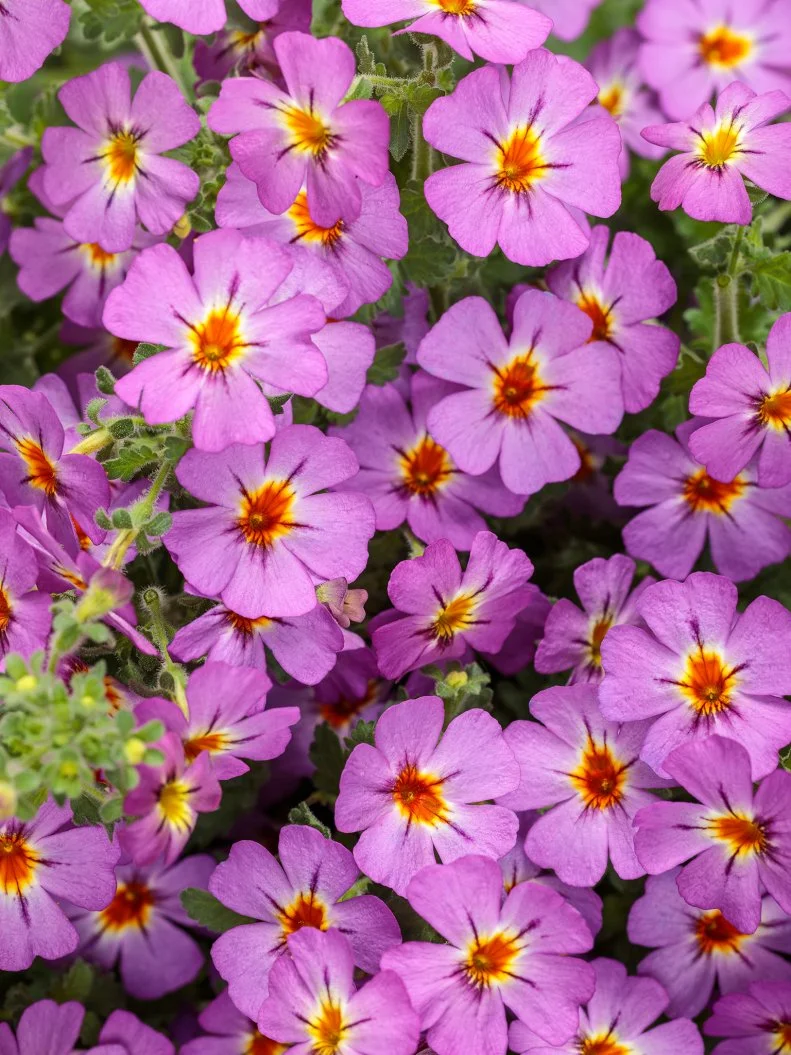
Photo: ProvenWinners.com
15 / 31
South African Phlox ‘Safari Dusk’
Better known as South African phlox, Jamesbrittenia ‘Safari Dusk’ is a new hybrid in a series bred to handle summer heat and humidity. Designated an Annual of the Year by Proven Winners, it’s described as one of the most dependable, continuously blooming annuals for warm climate gardeners, with flowers that won’t shatter or fall in wind or heavy rains. ‘Safari Dusk’ has royal purple blooms with golden eyes and grows just 6 to 12 inches tall with a 12 to 24-inch spread. The mounding growth habit of this phlox makes it a great choice as a filler in containers. Grown primarily as an annual, it needs little care but does require soil that drains easily. Hardy in Zones 10 and 11.
More photos after this Ad
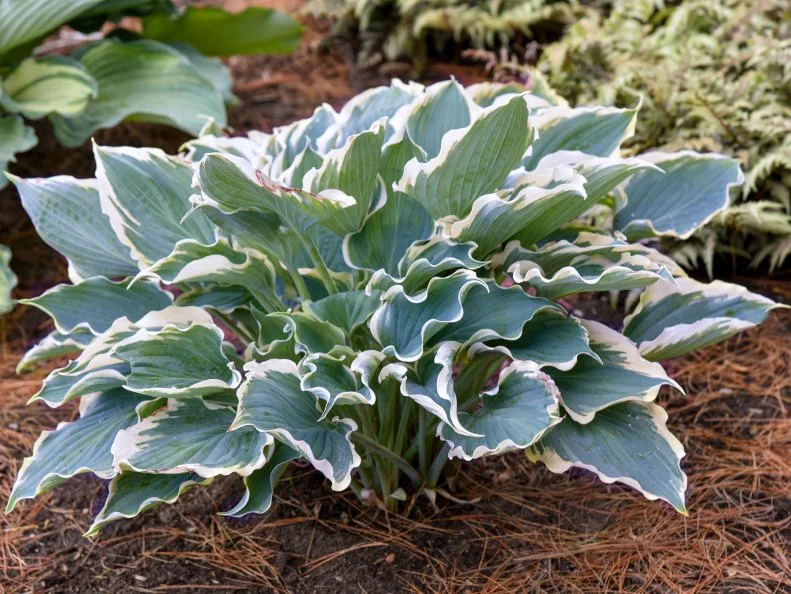
Photo: ProvenWinners.com
16 / 31
Hosta ‘Hope Springs Eternal’
‘Hope Springs Eternal’ is a perfect name for a beautiful perennial that comes back year after year. Proven Winners named this plant, part of the Shadowland hosta collection, as its 2026 Hosta of the Year. The textured leaves are heart-shaped, ruffled, and steel- to silver-blue with creamy white margins. Near-white flowers that attract butterflies appear in midsummer. The plants have a dense, mounding growth habit and mature at 22 inches tall and 24 to 32 inches across. Hardy in Zones 3 to 9.
More photos after this Ad
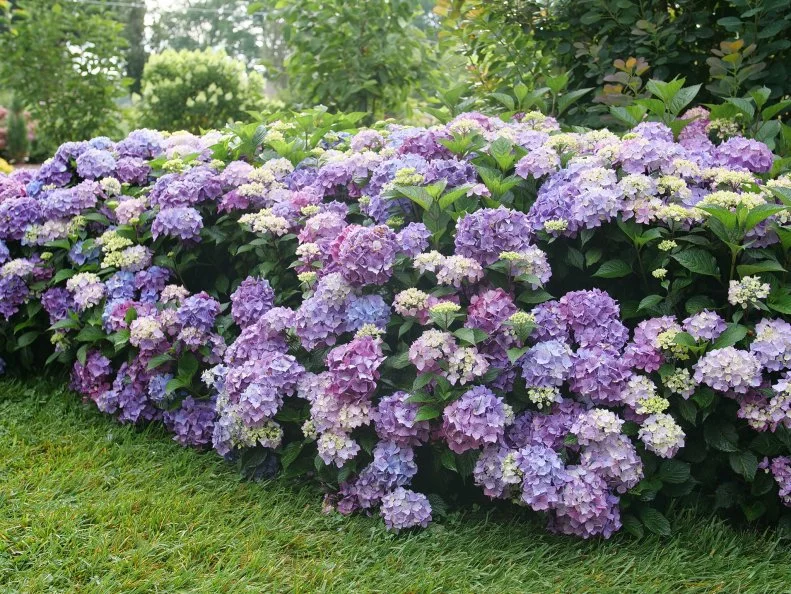
Photo: ProvenWinners.com
17 / 31
Hydrangea Let’s Dance ‘Lovable’
Gardeners love Let’s Dance ‘Loveable’ hydrangeas (H. macrophylla) because they’re both beautiful and dependable, staying in bloom, or reblooming, from spring into fall. This Proven Winners choice for the 2026 Hydrangea of the Year flowers on both old and new wood, so you don’t have to worry about cutting off next season’s flowers if you want to trim this bigleaf hydrangea–but let the early spring flowers finish before you reach for the pruning shears. The blooms may be pink, blue or purple, depending on your soil. It thrives in part sun to sun. Hardy in Zones 5 to 9.
More photos after this Ad
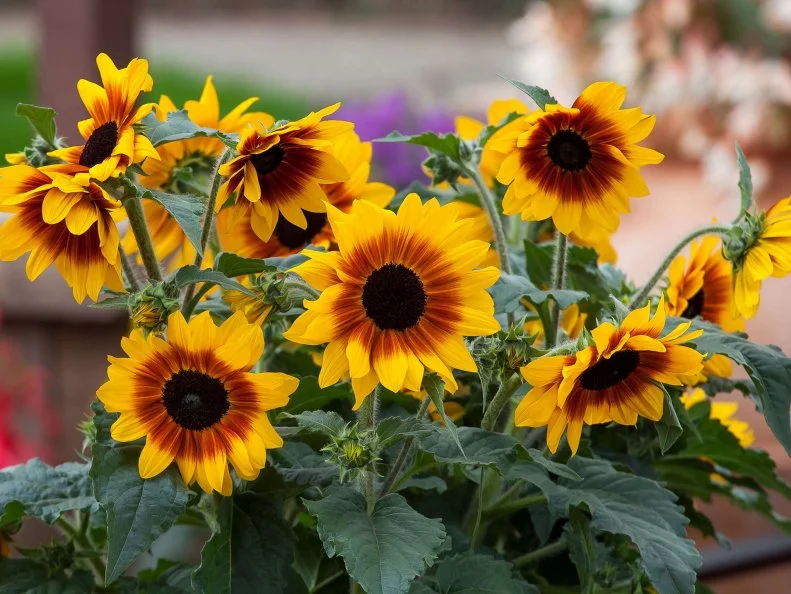
Photo: National Garden Bureau/Sygenta Flowers
18 / 31
Sunflower ‘Sunfinity’
Until traditional sunflowers that bloom for only three or four weeks, this yellow and red bicolored sunflower, ‘Sunfinity’, blooms for up to 12 weeks. The flowers start unfolding in early summer and finish with the first frost of fall. ‘Sunfinity’ won a People’s Choice GTA in 2026 for its heavily-flowered branches, and at just 4 to 5 feet tall and 2 to 3 feet wide, it’s a great choice for patio containers, beds or borders. The plants resist powdery mildew and, because they don’t produce much pollen, they’re a good choice for bouquets and cut arrangements. Make room for them in a sunny spot alongside other sun-lovers like coleus, pentas or morning glories, or pair them with pumpkins and hay bales in fall displays. Hardy in Zones 9 to 11.
More photos after this Ad
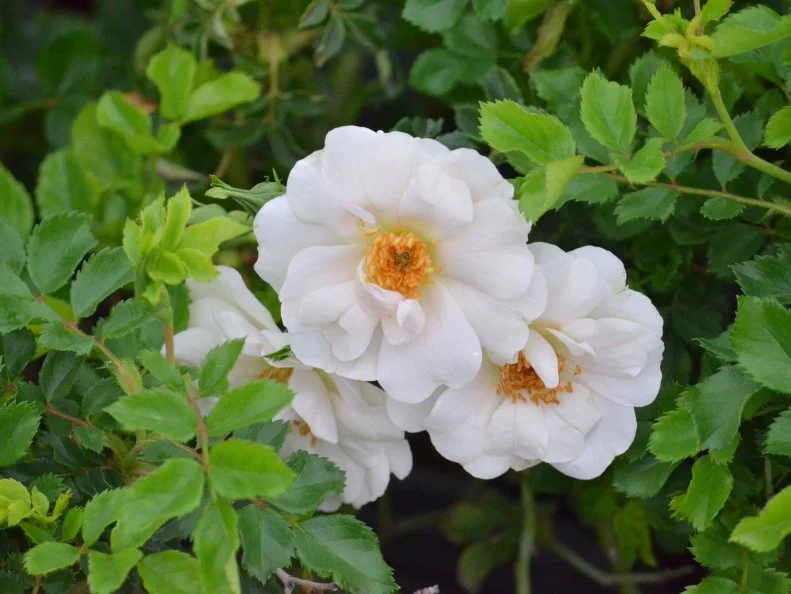
Photo: Antique Rose Emporium
19 / 31
Rose ‘Butterfly Bliss’
Light pink buds open to clusters of two-inch white flowers on ‘Butterfly Bliss’, a landscape shrub rose introduced by the Antique Rose Emporium. Named an American Garden Rose Selections (AGRS) Regional Choice Winner, it showed outstanding performance across the U.S. The AGRS is a national rose trial organization that judges roses on disease resistance, bloom quality, foliage, habit and overall performance. ‘Butterfly Bliss’ is a repeat bloomer that grows 2 feet tall and up to 4 feet wide, but the Antique Rose Emporium recommends keeping it at 2 feet across for best results, which also lets you grow them in containers or small borders. Bees and butterflies visit their abundant blooms. Hardy in Zones 4 to 11.
More photos after this Ad
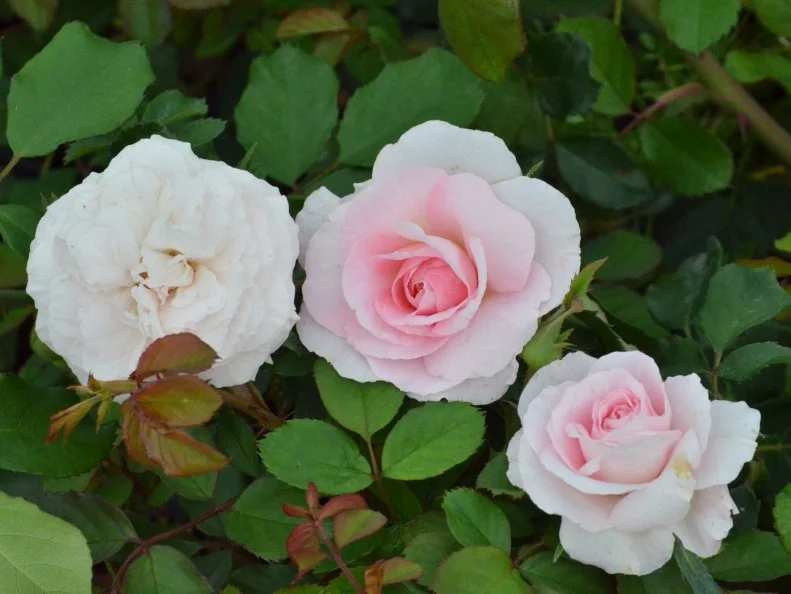
Photo: Antique Rose Emporium
20 / 31
Rose ‘Glass Slipper’
Another Antique Rose Emporium introduction, ‘Glass Slipper’ also picked up a Regional Choice Award in the AGRS competition. Like ‘Butterfly Bliss,’ it showed exceptional performance in all six U.S. regions, which include the Northeast, Southeast, North Central, South Central, Northwest and Southwest. This shrub is a repeat bloomer with soft pink and white flowers that exude a sweet, mild perfume. It’s highly resistant to black spot and mildew, spreading up to 5 feet wide and growing 3 feet tall. Hardy in Zones 5 to 10.
More photos after this Ad
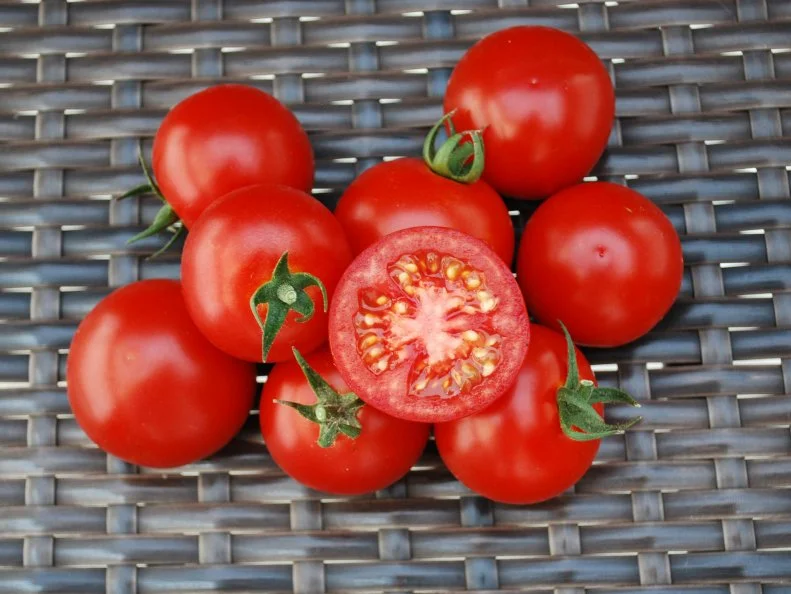
Photo: A.P. Whaley Seed Company, LLC ©
21 / 31
Tomato BadaBing! F1
Tomato BadaBing! F1 is a big cherry tomato with strong resistance to 3 diseases: septoria leaf spot, early blight and late blight. It won a 2026 People’s Choice Edible GTA and an AAS Award for its flavorful, crack-resistant fruits, which grow 1-1/2 to 2 inches in diameter. The very productive, indeterminate plants grow 3 to 4 feet tall, so stake them or use other supports. These juicy cherry tomatoes are ready to harvest in 65 days from transplanting and reportedly get their name for their ability to give you a lot of “bang” for your gardening buck.
More photos after this Ad
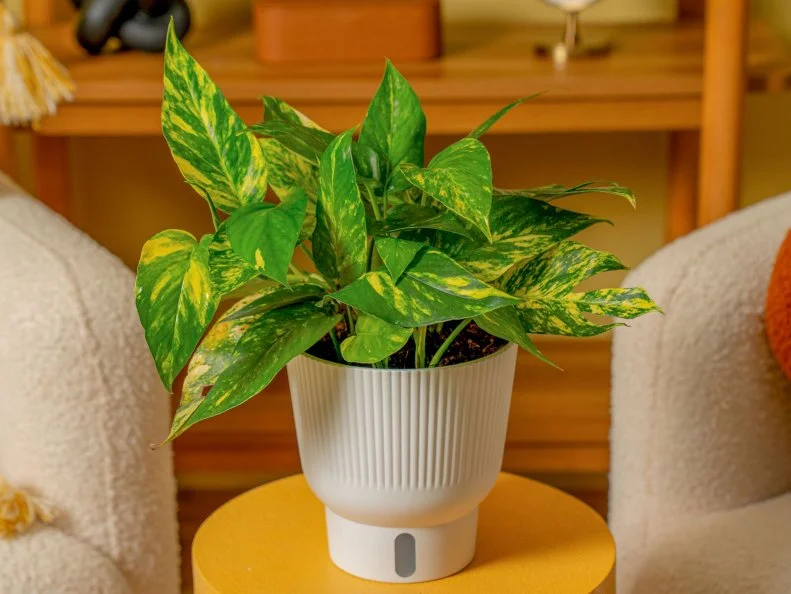
Photo: Costa Farms
22 / 31
Pothos ‘Yellow Sunrise’
‘Yellow Sunrise’ is a new pothos prized for its dark green and golden-yellow leaves. When the plants mature, the leaves develop Monstera-like fenestrations, or natural slits and holes. It’s an attractive trait that’s also beneficial because it lets light pass through to lower foliage. This 2026 Houseplant People’s Choice GTA Winner is a great choice for beginning gardeners; just give it bright light to encourage its best colors. While the plants adapt well to low light levels, their leaf colors may not as bold as in brighter conditions. ‘Yellow Sunrise’ has a spreading/climbing/trailing habit and grows to over 6 feet, so it’s ideal for pots or hanging baskets. Hardy in Zones 10 to 12.
More photos after this Ad
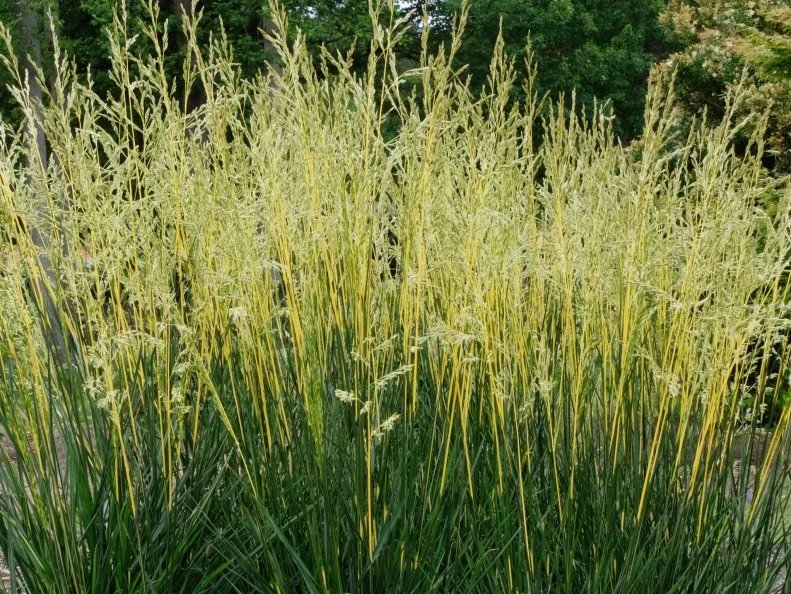
Photo: Concept Plants/Plantipp BV
23 / 31
Festuca ‘Glow Sticks’
A cultivar of tall fescue (Lolium arundinaceum or Festuca Arundinacea), Festuca ‘Glow Sticks’, is a hardy ornamental grass. When it flowers from late spring to late summer, it can reach 24 to 36 inches tall; otherwise, it tops out at 12 to 18 inches. This showy perennial needs little care and tolerates heat and drought. The yellow spikelets provide texture and contrast when grown with flowering plants, and the deep roots help control erosion. Give it full sun and apply water, if rainfall is insufficient, when the top 3 inches of soil are dry. This GTA People’s Choice Winner, which is represented by Plantipp BV in Europe, was selected in the best perennial category for 2026. Hardy in Zones 3 to 8.
More photos after this Ad
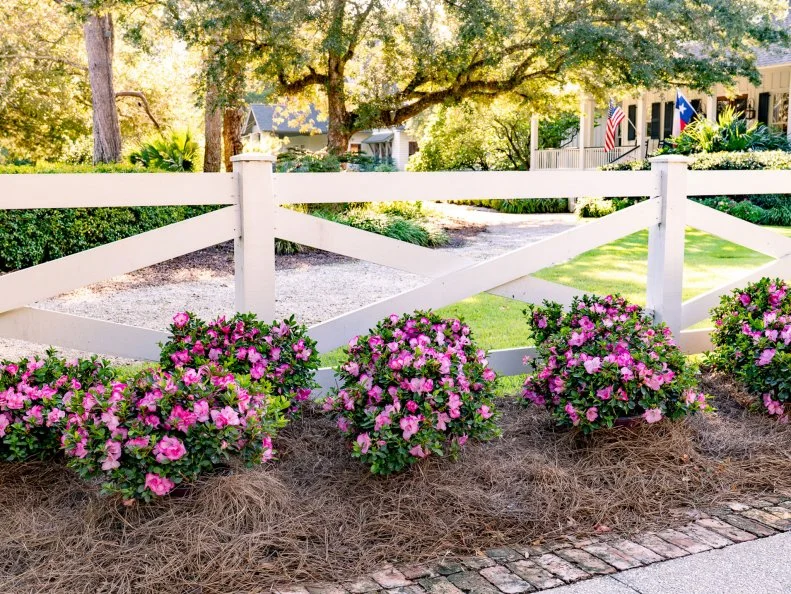
Photo: Kathleen Schmucker/Encore Azaleas
24 / 31
Encore Azalea Autumn Kiss
A 2026 People’s Choice GTA winner, Autumn Kiss™ is a new, compact variety from the Encore® Azalea collection. Encore Azaleas are reblooming shrubs that flower in spring, summer and fall; Autumn Kiss is a bicolor with ruffled, semi-double, rosy-pink and white flowers. Unlike traditional azaleas, Encore types are happy in 4 to 6 hours of full sun each day, but need some protection from intense afternoon sun in hot climates. This evergreen is ideal for foundation plantings, containers, mixed borders or the landscape and matures at 3 to 4 feet tall and wide. Hardy in Zones 6 to 10.
More photos after this Ad
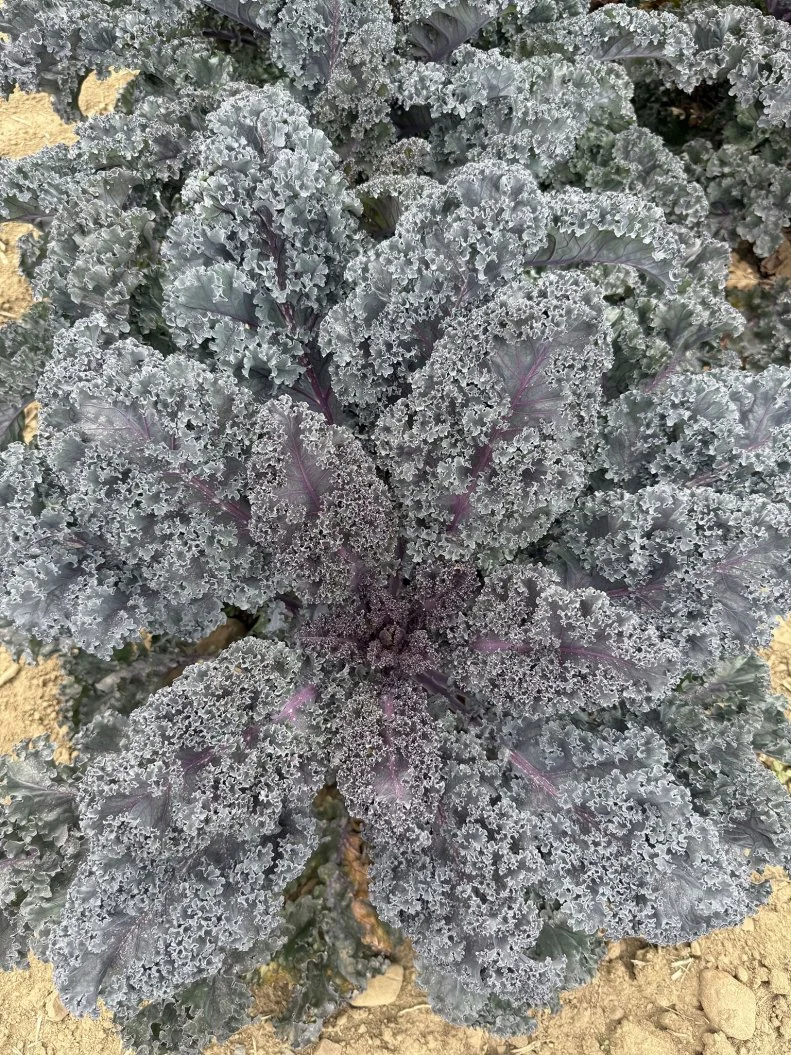
Photo: National Garden Bureau/All America Selections
25 / 31
Kale ‘Rubybor’
Kale is a superfood packed with vitamins and antioxidants, and it’s low in calories. Even if you don’t eat it, you’ll want to grow Kale Rubybor F1, a Gold Medal winner in both the AAS ornamental and vegetable categories, a first-ever in the trials. The leaves are dark blue-green to purplish, and, unlike some varieties, the color lasts through hot summers, even in the South. Plant it in full sun for tender, delicious leaves that aren’t bitter, and start harvesting this cool-season veggie in the spring. If you garden where winters are mild and temperatures seldom drop below freezing, you can plan on growing a winter crop. The bushy plants stay compact and tidy, at 36 inches high with a 24-inch spread, so they work well in small spaces and containers. Hardy in Zones 3 to 10.
More photos after this Ad
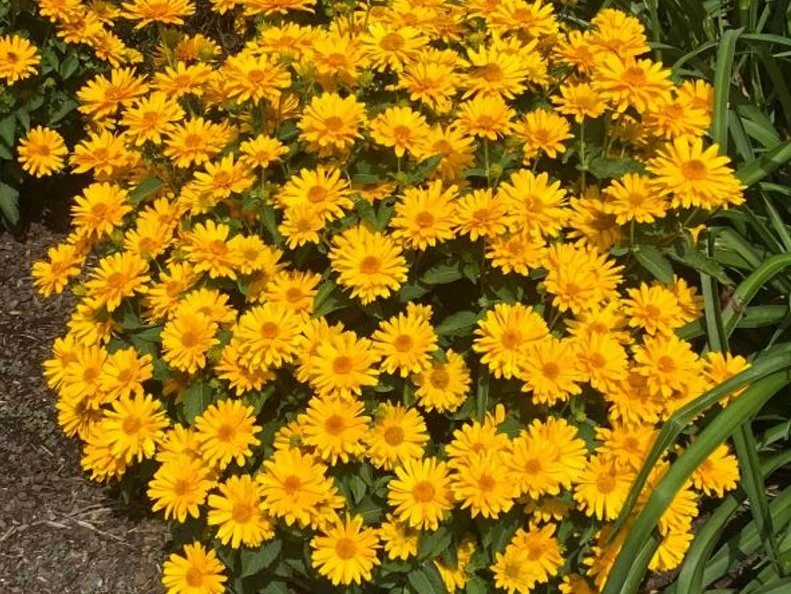
Photo: National Garden Bureau/All America Selections
26 / 31
Heliopsis ‘Sole Giatto’ Oxeye Sunflower
Commonly called False Sunflower, oxeye or oxeye sunflower, Heliopsis ‘Sole Giatto’ Oxeye Sunflower is a 2026 AAS National Winner. The compact plants stand 12 to 18 inches tall and grow about 16 to 20 inches across. The daisy-like, canary-yellow flowers have darker yellow cones in the centers and doubled petals. These plants flower almost continuously from late spring or summer into fall. While they attract butterflies and other pollinators, deer and rabbits seldom bother them. ‘Sole Giatto’ is a tidy perennial with sturdy stems that don’t need staking. Plant it in full sun in the landscape or containers; it tolerates heat but needs moist, well-drained soil. Hardy in Zones 3 to 8.
More photos after this Ad
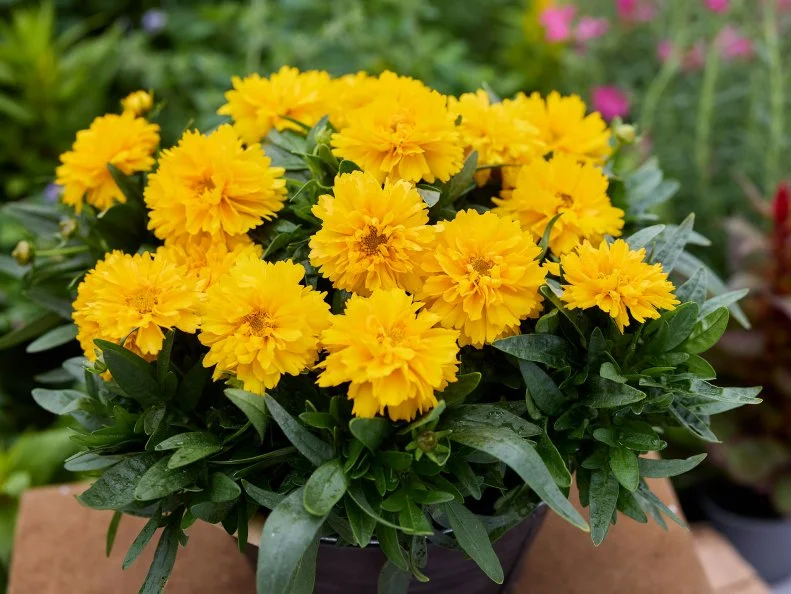
Photo: All America Selections
27 / 31
Coreopsis ‘SunGlobe’
‘SunGlobe’ outshines similar coreopsis with its sturdy stems and prolific flowers. The semi-double blooms are frilly and vibrant yellow-gold, appearing a little earlier than comparable varieties. Grow this grandiflora species, which is also called tickseed, in borders, hanging baskets and containers or as a ground cover; it tops out at 12 to 14 inches and is equally wide. The flowers start in late spring and continue into fall. Give ‘SunGlobe’ full sun and let the plants go slightly dry between waterings. Deadhead it to encourage another flush of flowers, and watch the pollinators arrive. Locate a source for this AAS Winner here. Hardy in Zones 4 to 9.
More photos after this Ad
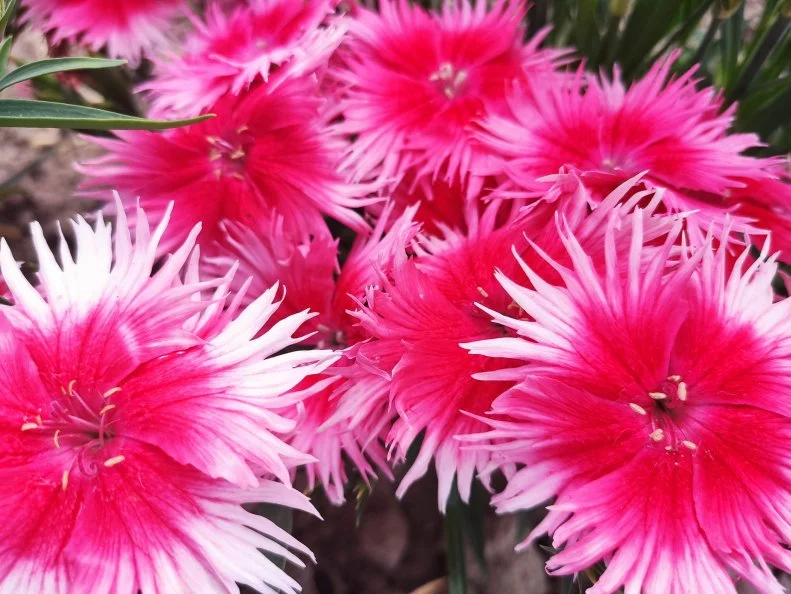
Photo: All America Selections
28 / 31
Dianthus Supra Cherry Picotee F1
This hybrid, an AAS Ornamental Winner, is part of the Supra Dianthus series. The bushy plants grow 12 inches tall and wide and stand up to both heat and drought. Lacy-looking, fringed flowers open from late spring until frost and are bicolored, with dark cherry centers that fade to lighter pink on the edges. No deadheading is needed for Supra Cherry Picotee, which performs in beds, containers and the landscape. Hardy in Zones 5 to 10.
More photos after this Ad
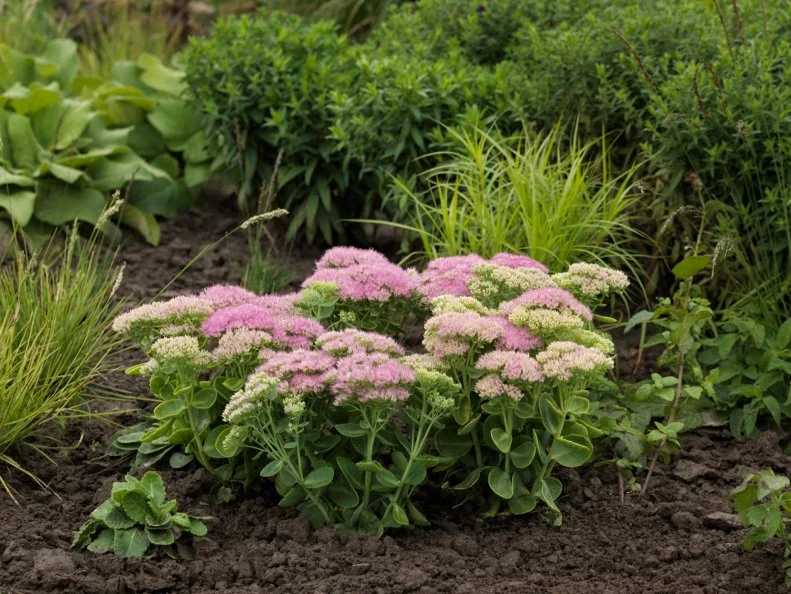
Photo: All America Selections
29 / 31
Sedum ‘Spectacular’
Another AAS winner, Sedum ‘Spectacular’ won’t flop over as the growing season progresses. The plants form sturdy, compact mounds that grow 12 to 14 inches tall with a 14 to 16-inch spread, so you can use them in beds, borders or containers. Attractive, chartreuse-green foliage sets off clusters of pink blooms that emerge from late summer into fall. Pollinators love this one. There’s no need to deadhead the flowers. Hardy in Zones 3 to 9.
More photos after this Ad
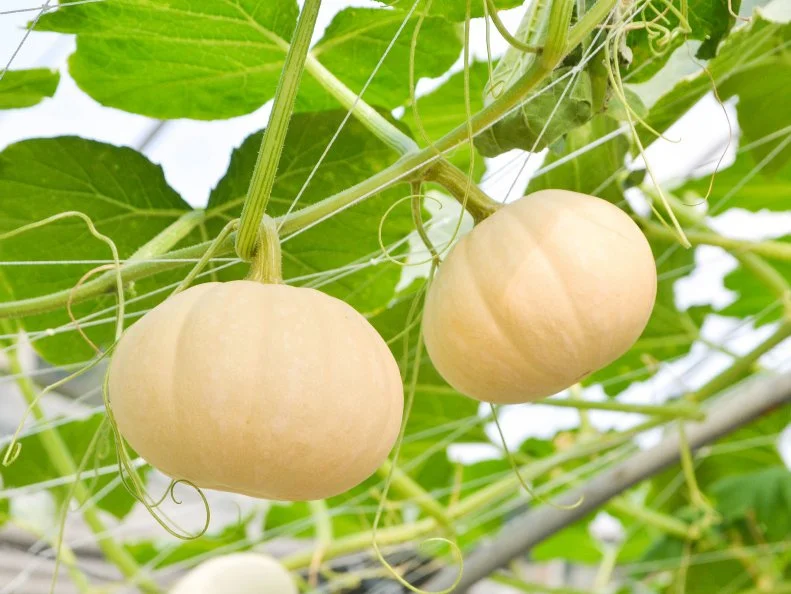
Photo: All America Selections
30 / 31
Winter Squash ‘Butter Lamp’
Although it looks like a miniature pumpkin, ‘Butter Lamp’ F1 is an AAS-winning butternut squash. It’s great for small garden spaces, producing lots of 15 to 30-ounce fruits with yellow flesh that taste buttery, nutty and sweet. ‘Butter Lamp’ resists powdery mildew, insect pests and high temperatures. These winter squash mature early and store well, so you can keep your bounty into the winter. Click here to find retailers that sell AAS Winners in your area. The plants are annuals.
More photos after this Ad
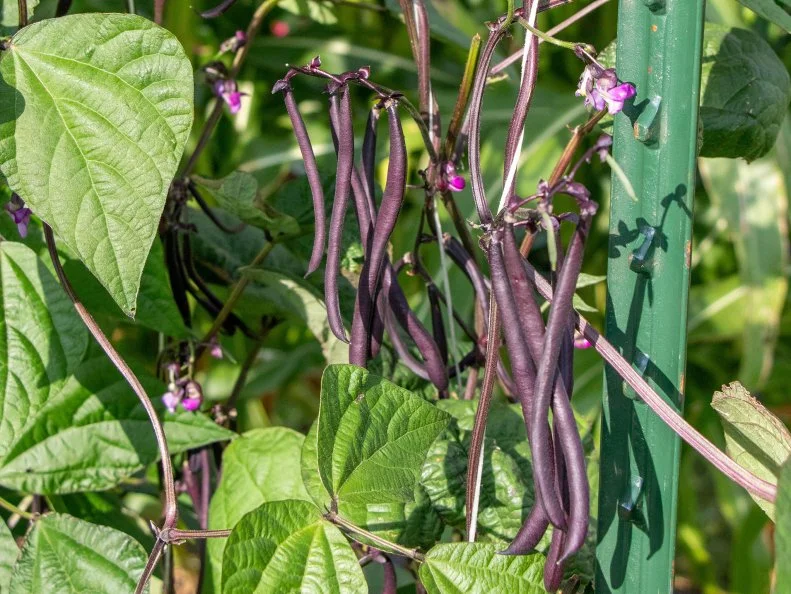
Photo: All America Selections
31 / 31
Bean Pole ‘Majesty’
‘Majesty’ pole beans are as tasty as they are colorful, with dark green foliage and purple pods. The beans, which won an AAS award in the edibles category, have a sweet flavor and tender texture. This variety matures early, in about 55 to 60 days from sowing, plus it resists insect pests and tolerates heat. The plants are climbers, so they need staking or trellising as they grow 5 to 6 feet high and spread up to a foot across. Give them full sun and grow them in the garden or containers. Find a source for the seeds here. ‘Majesty’ is an annual vegetable.
Comments are closed.