

From frothy cherry blossoms to vast drifts of tulips, spring offers no shortage of floral spectacles. Yet few sights feel quite as enchanting as a woodland floor awash with bluebells – those soft, indigo-hued carpets that appear, almost fleetingly, in April and May.
It’s an irresistible scene. On a quiet walk through the woods, you might be tempted to lift a bulb and bring that magic into your own garden. But it’s a temptation best resisted.
Bluebells are a protected species in the UK, and removing them from the wild is not just ill-advised but illegal. As horticulturalist and TV presenter Monty Don has pointed out, even taking a single plant amounts to breaking the law.
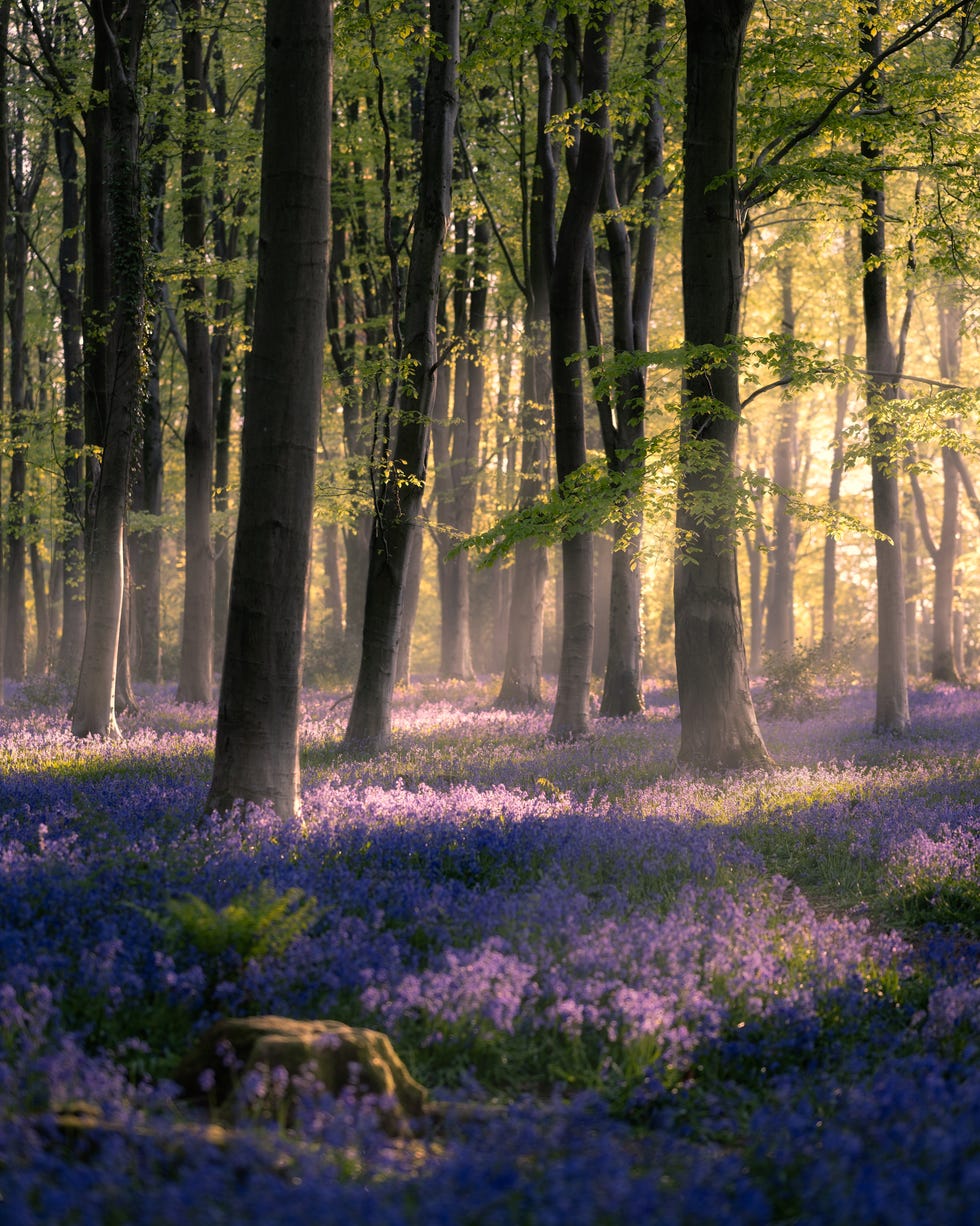
 Christopher West//Getty Images
Bluebells blossoming in Parnholt Wood, Hampshire
Under the Wildlife and Countryside Act 1981, it is an offence to pick, uproot or destroy certain wild plants, including native bluebells. The penalties are hefty: fines can reach £5,000, and in some cases, offenders risk up to six months in prison.
Look, don’t touch
Part of what makes bluebells so captivating is also what makes them so vulnerable. The beauty of their delicate, nodding blooms and vivid colour is as hard-won as it is fragile.
Colonies can take years to establish – typically five to seven from seed to flower – and even light disturbance can cause lasting damage.
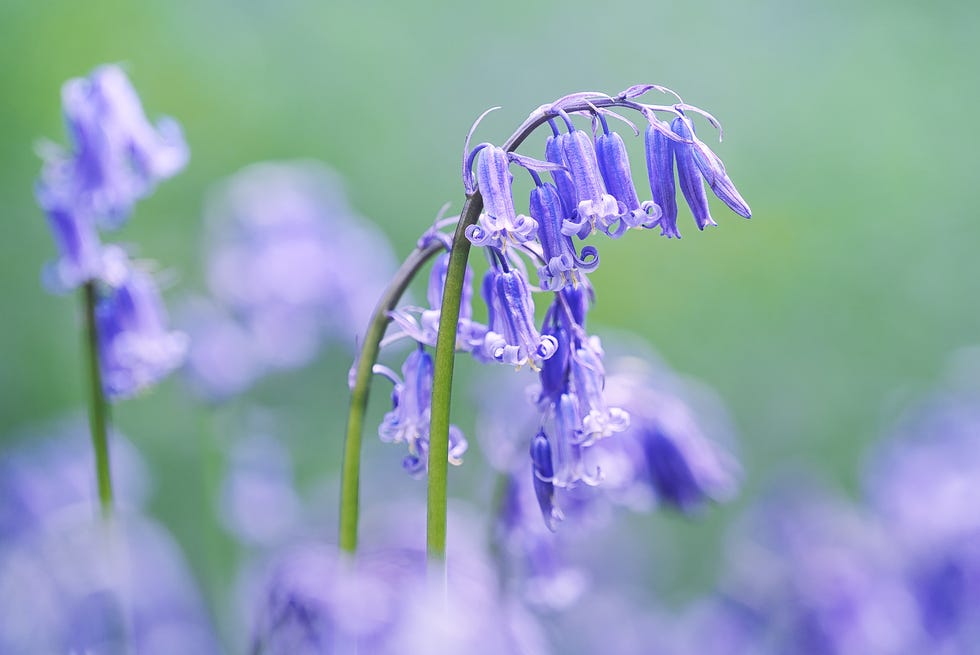
“Bluebells are an essential part of our natural heritage,” says the National Trust. “Almost half the world’s bluebells are found in the UK and colonies of this delicate wild flower take a long time to establish.
© Jackie Bale//Getty Images
“Once the leaves are damaged, they are unable to absorb the sun and photosynthesise, so they die back. In turn, this means they can’t put food back into their bulbs, reducing their ability to produce flowers and seeds.”
It’s this combination of beauty and fragility that has earned bluebells their protected status – and why they are best appreciated where they naturally thrive.
A gentle spring warning
In a previous Gardeners’ World Winter Special, Monty Don impressed on viewers the importance of leaving bluebells alone.
“It has to be stressed, it is illegal to dig up wild bluebells from anywhere,” he said. “If you go to a wood and see acres and acres of them, take one, and you’ve broken the law.”
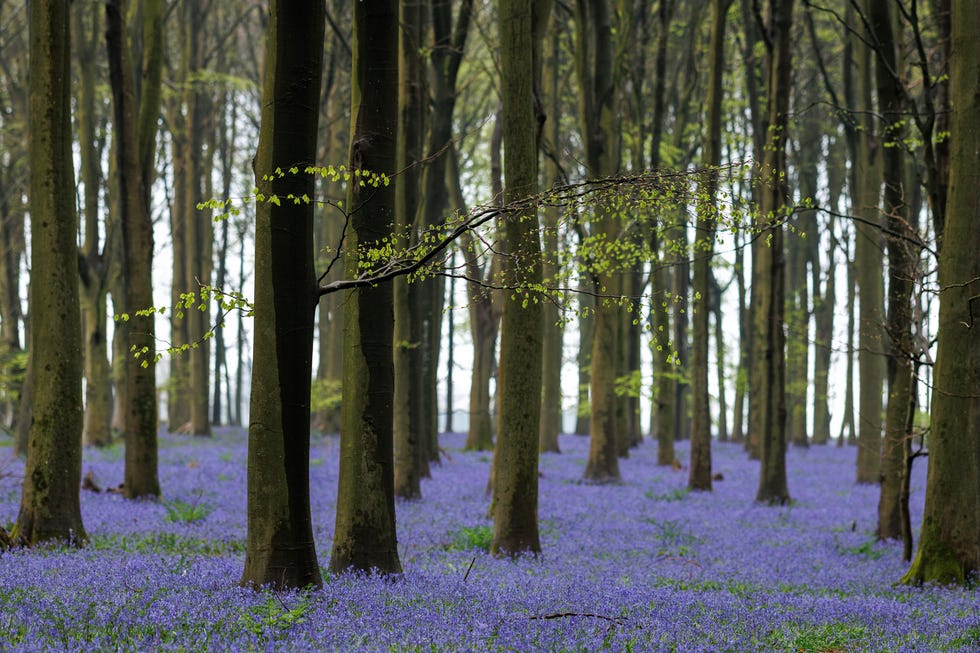
Dan Kitwood//Getty Images
For those keen to grow bluebells in their own garden, the answer lies in sourcing responsibly. Specialist nurseries and garden centres offer cultivated bulbs and seeds, allowing you to enjoy their charm without harming wild plants.
It’s worth noting, however, that bluebells aren’t the easiest garden companions. “Never plant them in a border,” Monty said. “Even the English ones can become invasive, and certainly the Spanish bluebells are an absolute no-no.”
Perhaps, then, bluebells are best left where they belong, casting their ethereal spell across woodland floors, before quietly retreating until spring returns once more.

Wanda Sachs is the Daily Writer for House Beautiful and Country Living, exploring the latest in interior design, home trends, property news, wellbeing and sustainable living. With a keen eye for style and a passion for storytelling, she previously served as an Associate Editor at The Berliner in Berlin, where she launched and led the magazine’s monthly style vertical, covering emerging fashion trends. Wanda holds a combined BA in English and German from Goethe University Frankfurt.
Comments are closed.