
This spring, gardeners are being urged to keep hold of any cardboard boxes they have in their homes, as they could have a clever use at this time of year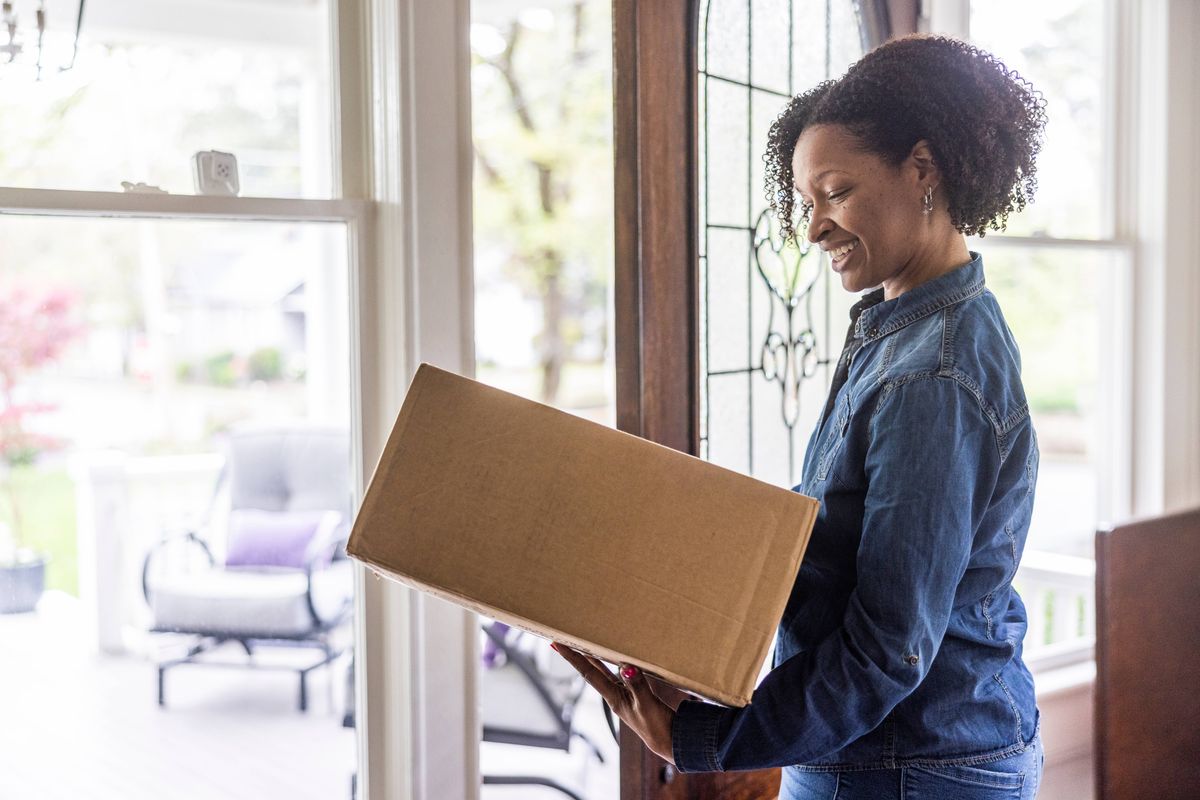
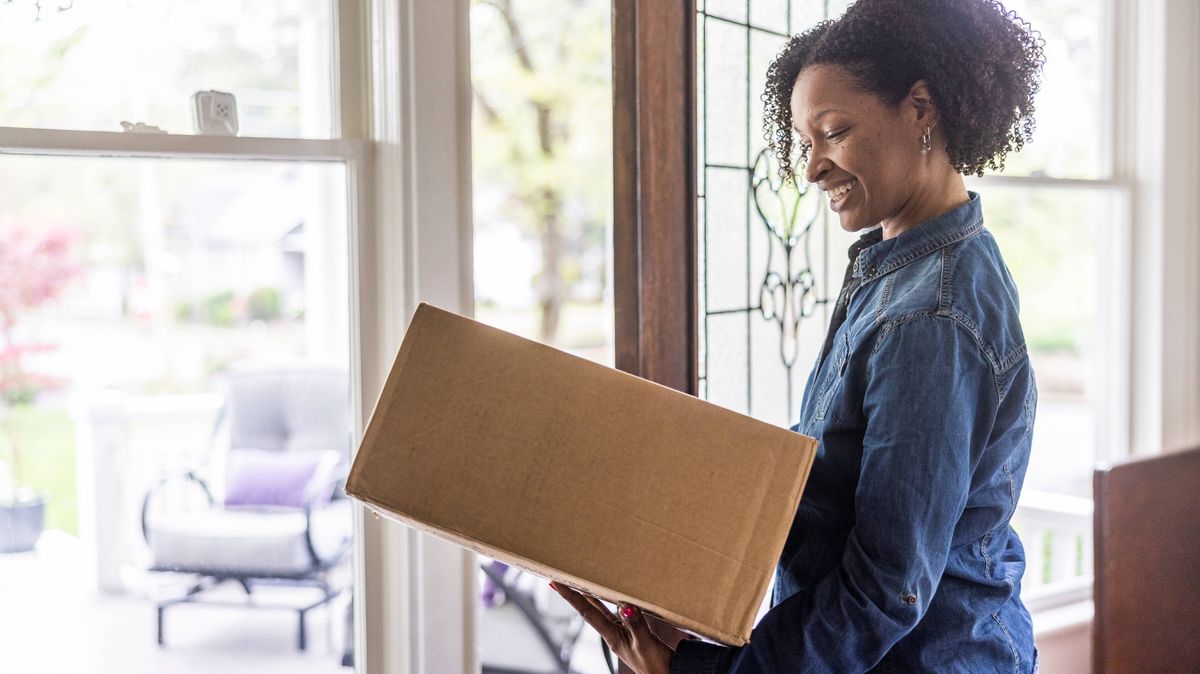
Cardboard boxes could have a vital secondary purpose in your garden (stock photo)(Image: MoMo Productions via Getty Images)
If you’re about to toss cardboard boxes from recent online orders into your recycling bin, gardening experts are urging you to hang onto them for a valuable garden task. Countless households receive cardboard boxes through the post daily when parcels from retailers like Amazon arrive at their doorsteps.
Typically, the routine involves removing your items from the packaging, flattening the cardboard, and popping it in your recycling bin for collection. However, gardening specialists have revealed your cardboard boxes could actually serve a crucial secondary purpose in the garden this spring, and you can readily transform them into something that helps your garden blooms thrive.
Spring marks the period when most gardeners introduce new plants into the soil, giving them sufficient time to establish themselves before producing vibrant flowers during summer. And if you’re planning to fill your flowerbeds and containers with plants this week, you’ll definitely want to bear this cardboard technique in mind as well.
Jeff and Lauren, a duo who frequently post household tips online, recently uploaded a TikTok clip in which they revealed several gardening suggestions, including what to do with any spare cardboard boxes. Rather than discarding them, the pair suggested giving them a new lease of life in the garden.
They started by cutting or tearing the boxes into strips before soaking them in water to soften them. Next, they grabbed an empty tin can and wrapped a strip of dampened cardboard around it so it took on the can’s shape.
Content cannot be displayed without consent
After tucking in the base to create a seal, the tin-moulded cardboard pieces were left to dry out. Once dried, they can be filled with soil, ready for seeds to be sown.
When these seeds have sprouted, you can transfer the cardboard containers straight into outdoor soil in a pot or flower bed, where the cardboard will break down naturally.
The method works particularly well with seed-grown plants, such as vegetables and herbs, or with young plug plants and seedlings that are fragile and require nurturing on a windowsill or in a greenhouse before being transplanted outdoors.
You should check that the cardboard you’re using for this technique is plain and unwaxed, and you must strip off any tape from the pieces before using them, as tape won’t biodegrade. Brown packaging cardboard works best for this purpose, which is what most delivery boxes are constructed from.
Making use of cardboard in the garden
Cardboard offers far more potential in the garden than simply creating small plant pots. It ranks among the most versatile “free” resources that gardeners can acquire and repurpose for numerous applications, from keeping weeds at bay to enhancing soil quality.
Choose 10 packs of bulbs in £25 pick and mix deal
This article contains affiliate links, we will receive a commission on any sales we generate from it. Learn more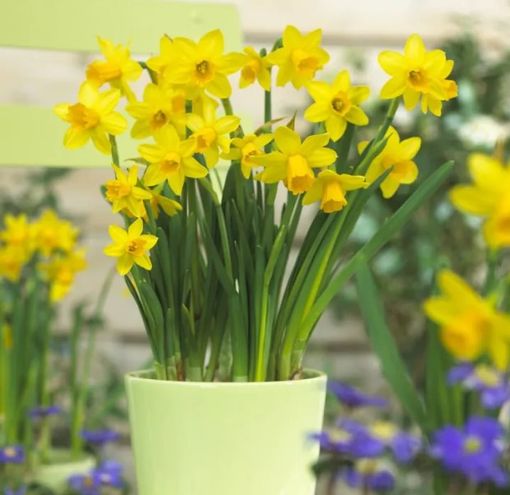
£25
Gardening Express
See the deal
With many of us looking to begin sprucing up our outdoor space for spring, now is a good time to look at planting bulbs to lay the groundwork for a splash of colour early in the year. Thompson and Morgan has plenty of options live already while Gardening Express has unveiled their pick and mix flower bulb offer, with 10 packs of bulbs for £25
1. Weed suppression
How it works: Cardboard blocks sunlight, so weed seeds can’t germinate, and existing weeds weaken and die back. Over time, it breaks down and is pulled into the soil by worms and microbes.
Remove thick stems and seed heads first if you canLay cardboard so it overlaps (no gaps for weeds to poke through)Wet it thoroughly, then cover with compost/woodchip/straw to keep it in place
2. No-dig bed building
Cardboard is a cornerstone of no-dig gardening because it lets you start a bed without turning over the soil.
Mow or strim the area lowLay overlapping cardboardAdd 5–10cm of compost on top (more if you can)Plant directly into the compost layer
3. Composting
Plain cardboard is a valuable carbon-rich ingredient for compost heaps. Use it for:
Balancing wet kitchen scraps or grass clippingsImproving airflow and reducing smell
Comments are closed.