
I’m in the SE United States/West TN. My husband has done an amazing job on our front, native plant and vegetable garden and we have been plotting what to do with the back. I’m fearful of planting or setting some things up back there because several folks have pointed out potentially poisonous plants. And each person has a different idea about the same things. We also suck at feeling certain about what is what. Google just confuses me more and it all starts to look the same!
Here are the top contenders
And so I ask, is it poison?
by Ok_Lie_5116
9 Comments
8a
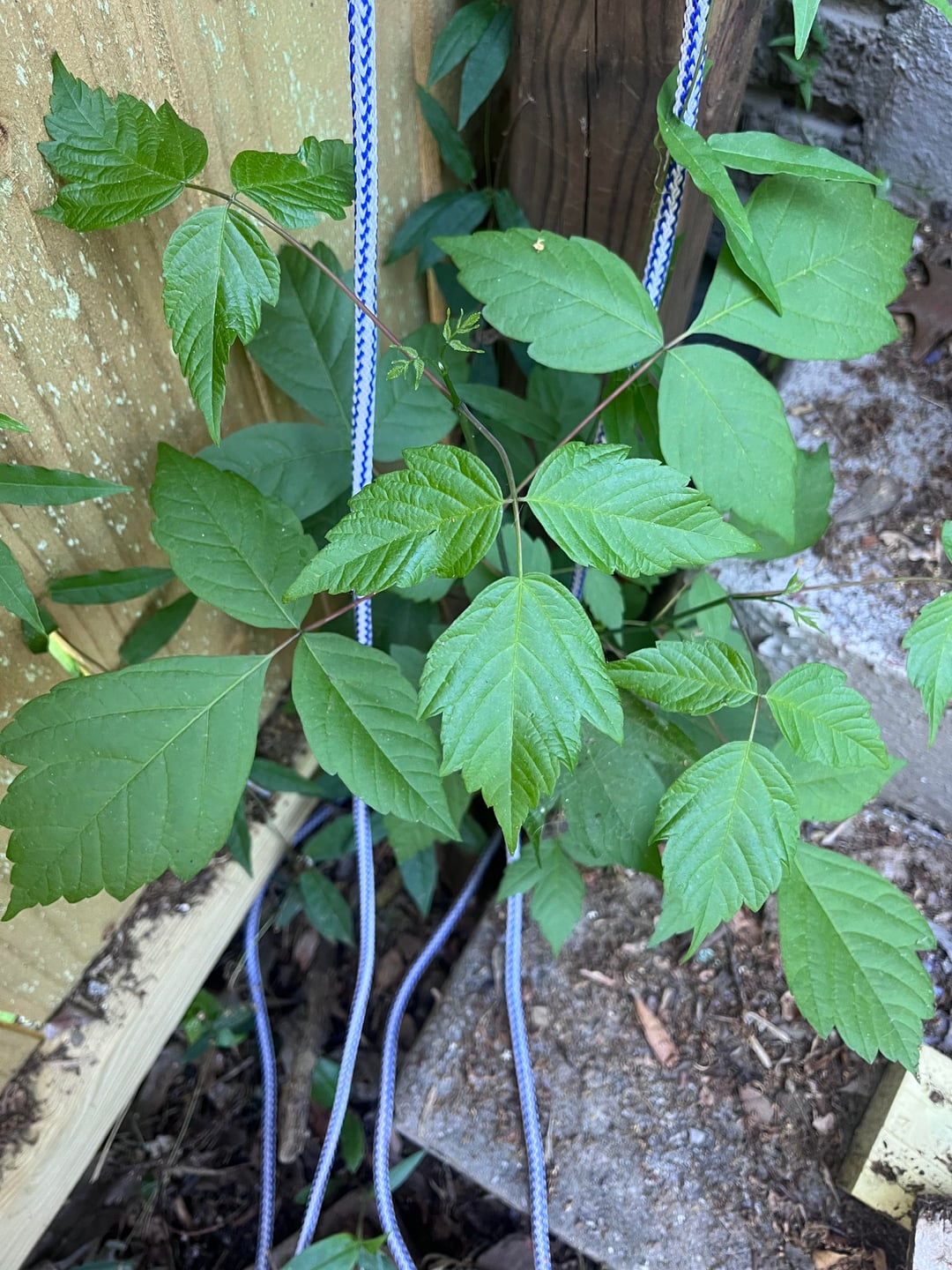
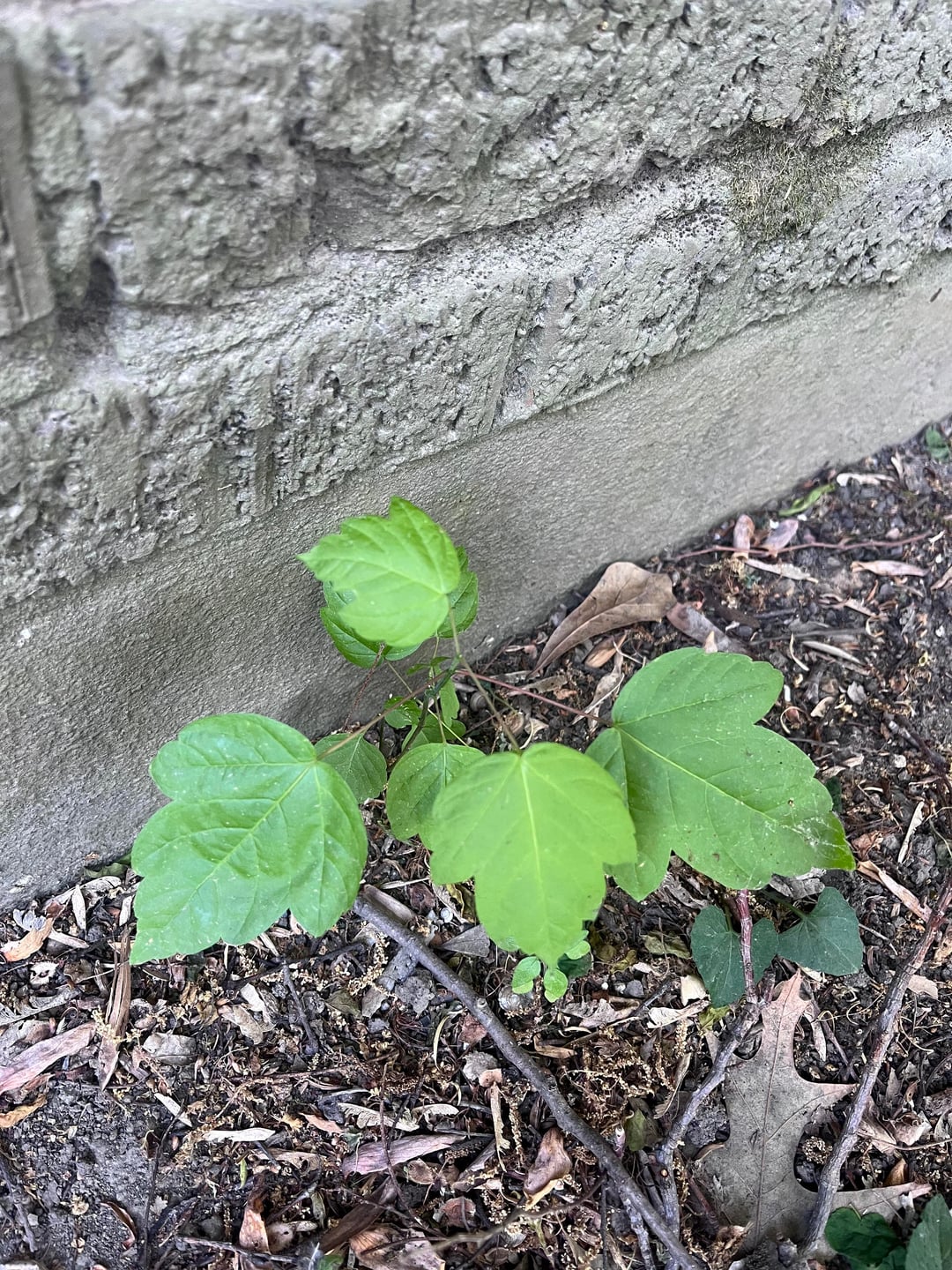
Pics 5/6/7 are poison ivy
6/7 (lol) poison ivy.
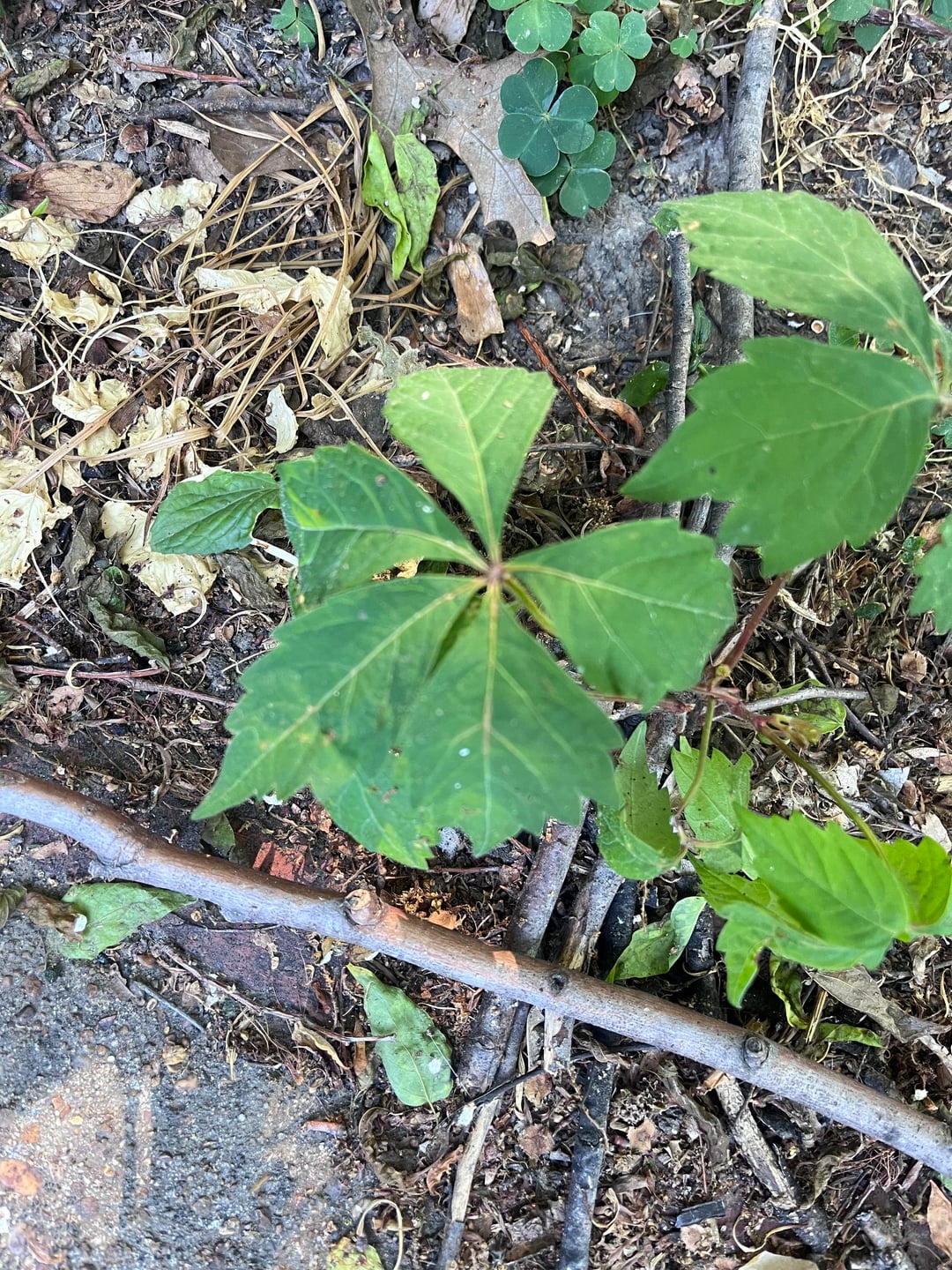
5 is Virginia creeper. But all of it is annoying and can be disposed of. I use a free app called Picture This and it works pretty well.
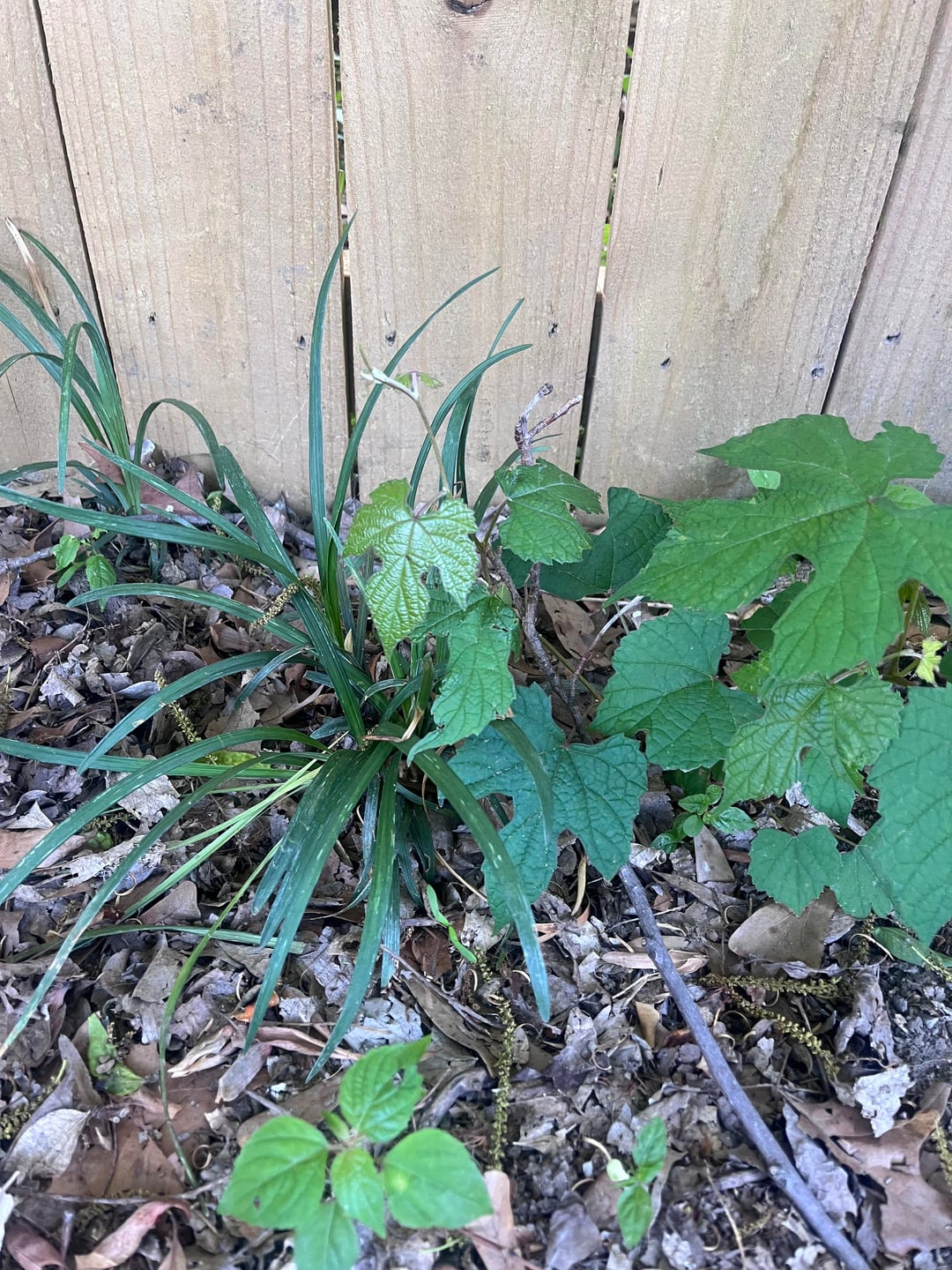
1 is probably porcelain berry or a similar wild grape. Not poisonous but it will get out of control.
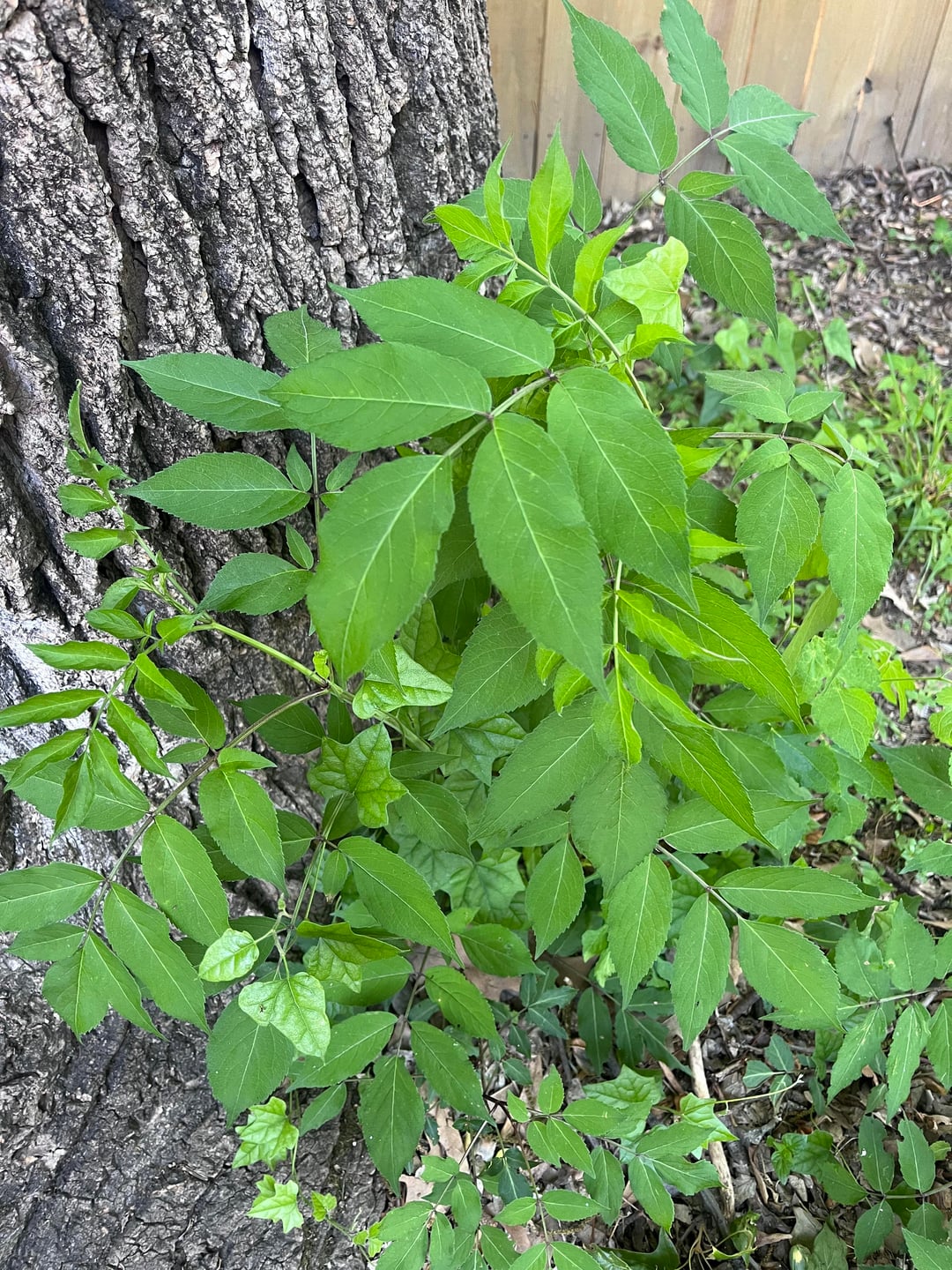
3 is locust or _maybe_ walnut sapling. Locust way more likely.
5 is Virginia creeper. Not poisonous but it will get out of control.
6 is poison ivy and you want to wear full-length rubber gloves (over long sleeves) while you _carefully_ trace every stem down to its tiniest rootlet. You can not leave a single molecule of that plant in contact with your property because it can and will regenerate if not vigilantly defeated every time it appears.
As far as I can see none of these are poison ivy. Six is the closest but opposite leaf arrangement indicates it’s box elder instead. But if you see something that looks like Six but with alternate leaves, that’s poison ivy!
I think I see some moonseed (Menispermum canadense) in photo 3
None of these are poison ivy.
1. Not poison ivy. Lacks the 3-leaf structure. Grapevine, most likely porcelain berry which is native to China and spreads aggressively.
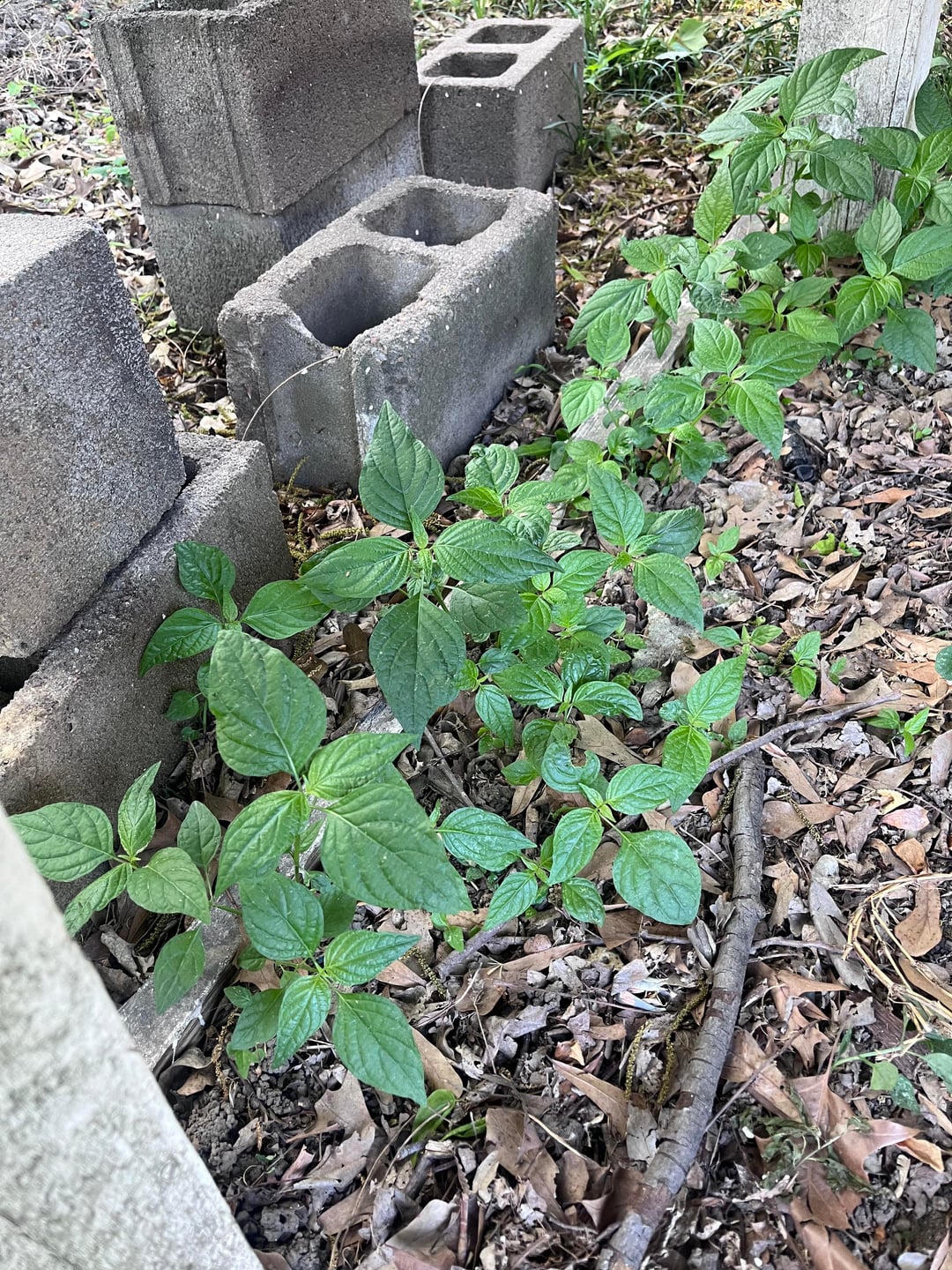
2. Not poison ivy. Lacks the 3-leaf structure. I’m unsure of the right ID. There are many plants that look like that at this young age.
3. Not poison ivy. Lacks the 3-leaf structure. Sapling of some kind, but I’m not sure. Could be Black Walnut, but not Poison Ivy.
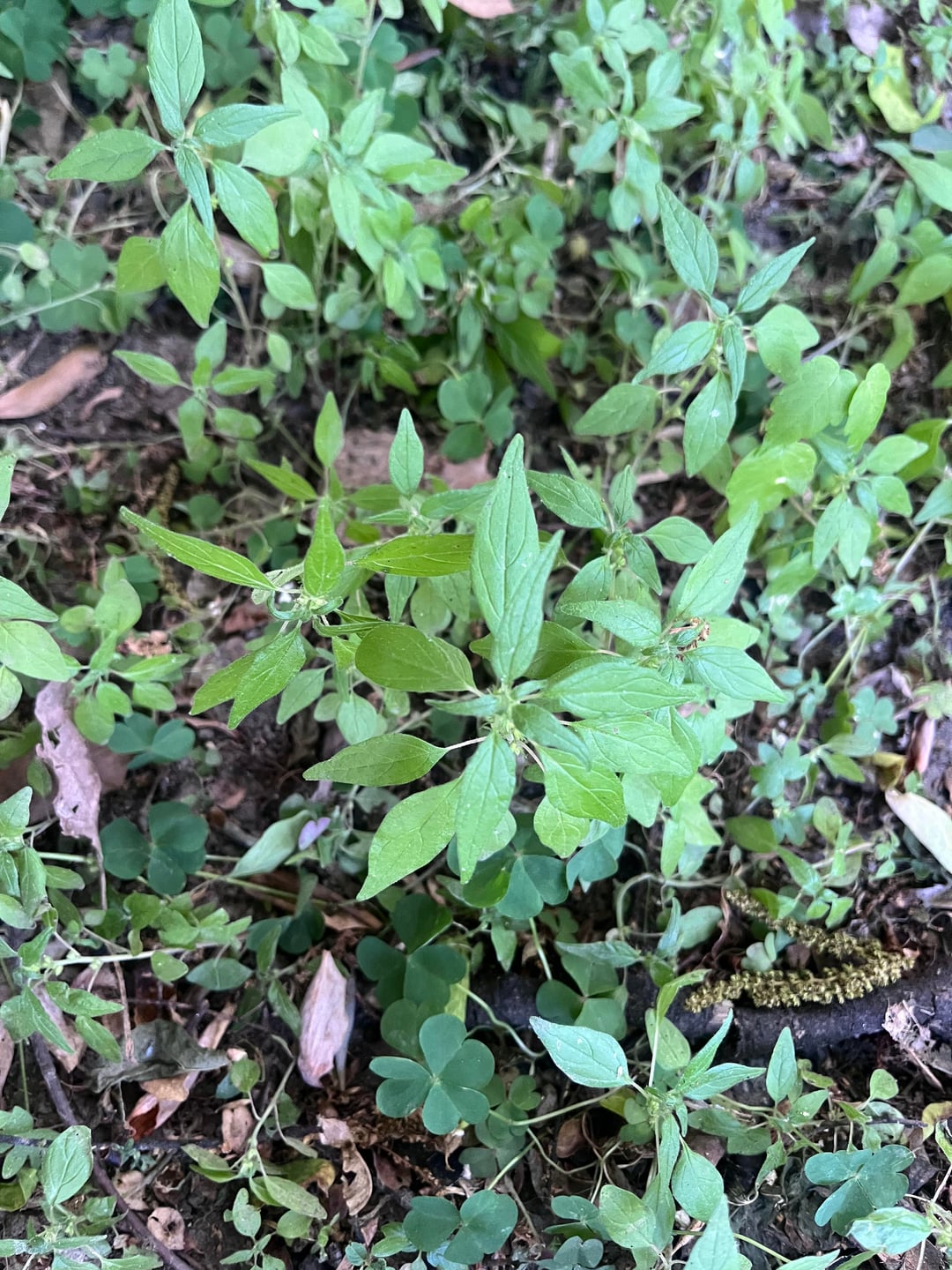
4. Not poison ivy. Lacks the 3-leaf structure. Could be swamp milkweed, but I’m really not sure.
5. Not poison ivy. Lacks the 3-leaf structure. Virginia Creeper. A native that spreads. Leave it if you like it.
6. Not Poison Ivy. Although it has the 3-leaf structure, the leaves are too ‘jagged’, poison ivy has a few jags on the smaller leaves and the central one is smooth. Likely a box elder sapling.
7. Again, it lacks the 3-leaf structure. I’d guess a Maple sapling.
edit: to add detail, correct seven because I’m not sure the alternate v. opposite is that effective as an ID.
Thank you all! I will be downloading picture this!
I think you got solid IDs on everything, so I’ll try to address your question.
The only one I’m aware of that *might* fit the general “is it poison?” is Virginia creeper is one of those plants that can cause contact dermatitis due to is content of calcium oxalate crystals (think of them as plant fiberglass). It also shouldn’t be eaten for that reason. I think the reaction mainly comes from when people cut/pull it and get the sap on them.
Edited to add: I agree with the poison ivy looking plant being a box elder, but the ID is largely irrelevant since it’s not a place you’d want poison ivy or a tree. So pull it either way.