
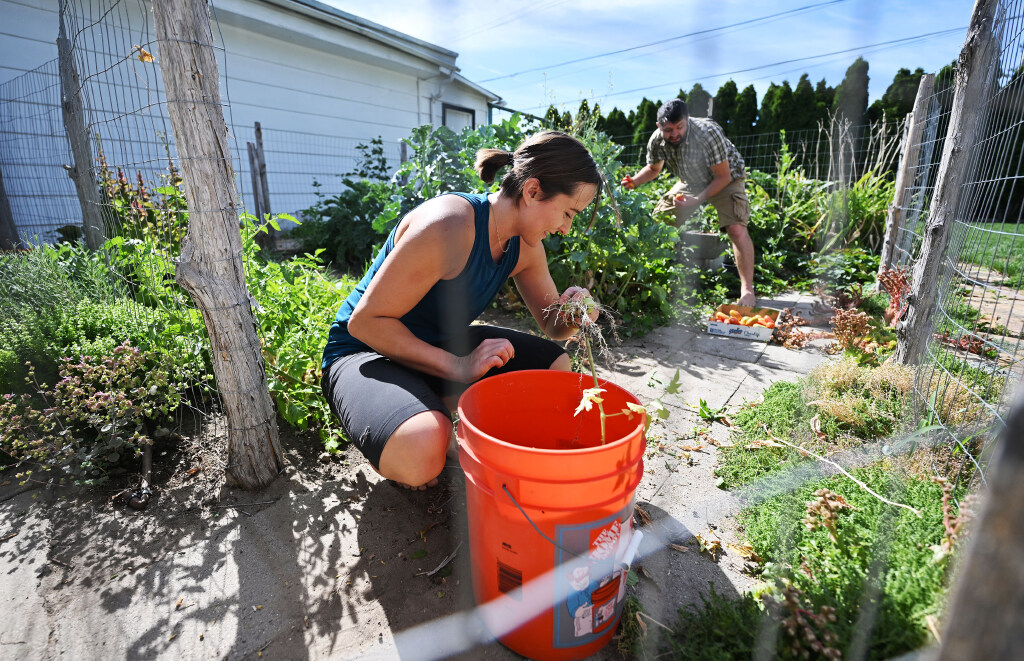
SALT LAKE CITY – As we continue to prepare for gardening season in Utah, amid fluctuating frosts and heatwaves, we have some tips for you to help with your vegetable growing efforts.
The traditional start date for planting vegetables is the weekend of Mother’s Day, though there are products that warm your soil and plant so you can start several weeks earlier. If you have already planted your cold-season crops, you will still want to be wary for the next couple of weeks, until mid-May, in case of any frost coming through the state.
If you’re looking at a clean slate garden, you will want to first check your soil. You don’t have to till every year, but you should look at how compacted your soil is to tell if you need to do so. Till the dirt when it is dry, you can check soil moisture by simply sticking your shovel into the dirt, and if the soil doesn’t stick to the shovel, it can be tilled. If you want to level up your soil, then you can mix in compost as you till your garden area.
Once you have tilled and composted your soil, you need to plan out your garden. If you don’t know what to plant, radish, green beans, zucchini, lettuce, and other leafy greens have a great track record for garden growing in Utah. While planning your planting, you will want to take into account crop rotation. Growing the same vegetables in the same place year after year will result in diminishing returns. Even if you must go for a season without a certain crop, it is important that you rotate your garden every year or two.
Once you have planned and planted, either from seeds or starter plants, you will want to mulch your garden. The most popular mulches contain tree bark to cover the topsoil, but you can also save some money and simply sprinkle your lawn clippings in a 2–3-inch layer over the soil. You will want to give your plants about three inches of space so they can get water where needed. Adding mulch to your garden has several benefits, including better water retention, less soil erosion, and fewer weeds in your garden.
Now that your garden is ready to go, you will want to set your watering schedule. Drip irrigation is recommended in Utah’s drought-prone ecosystem. Drip watering ensures that water only goes where it is needed, which also stops weeds from growing between your plants. Drip irrigation saves 50-80% of the water compared to sprinkler/spray and overhead watering. You should check the watering guides for your local county as you plan, but watering two times per week is great for most home gardens to promote growth while still being water-wise. There are exceptions while first establishing your garden, where you will want to water more, but once the plants are established, you can scale your schedule back to twice-a-week watering.
By following these tips, you can make sure your garden starts off on the right foot, and you will see the fruits (or veggies) of your labor in no time.
We want to hear from you.
Have a story idea or tip? Send it to the KSL NewsRadio team here.


Comments are closed.